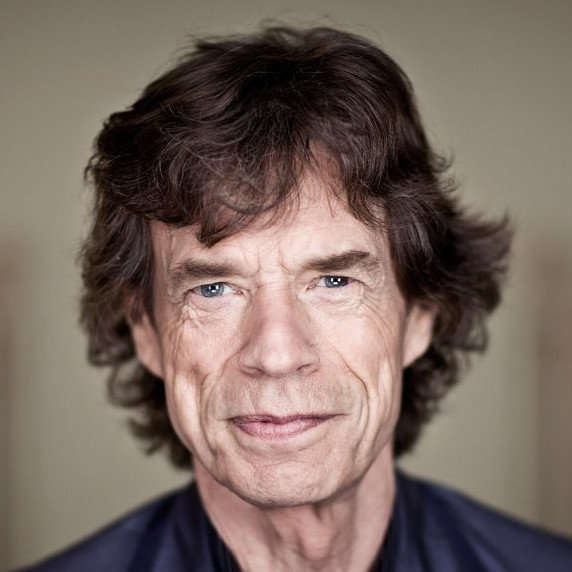
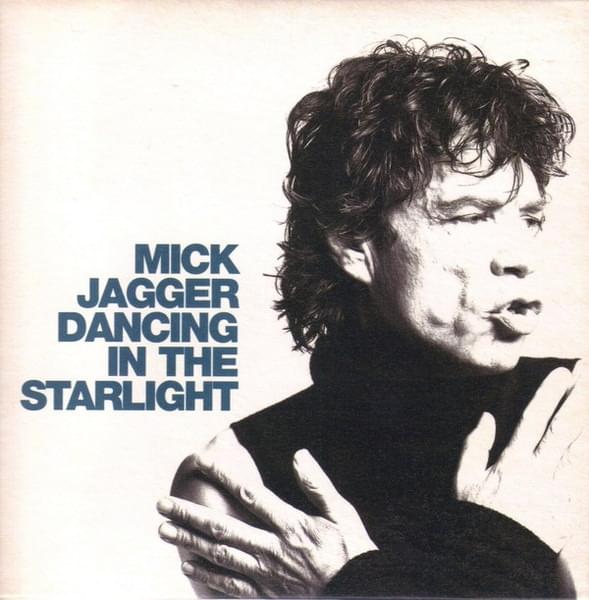
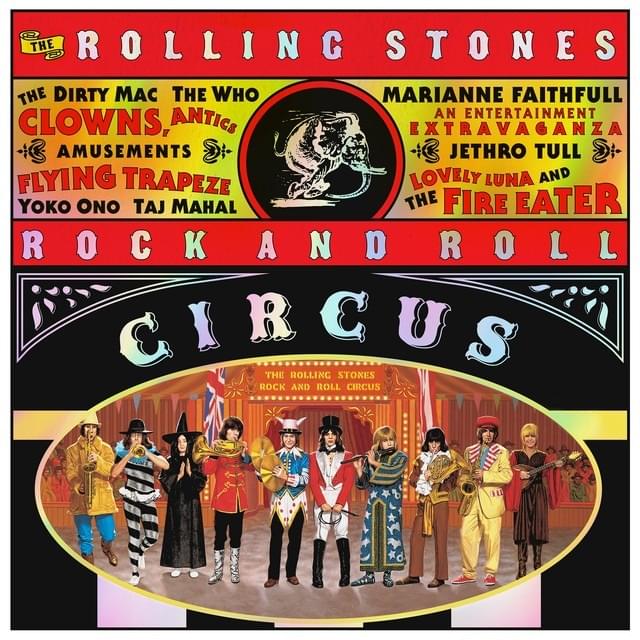
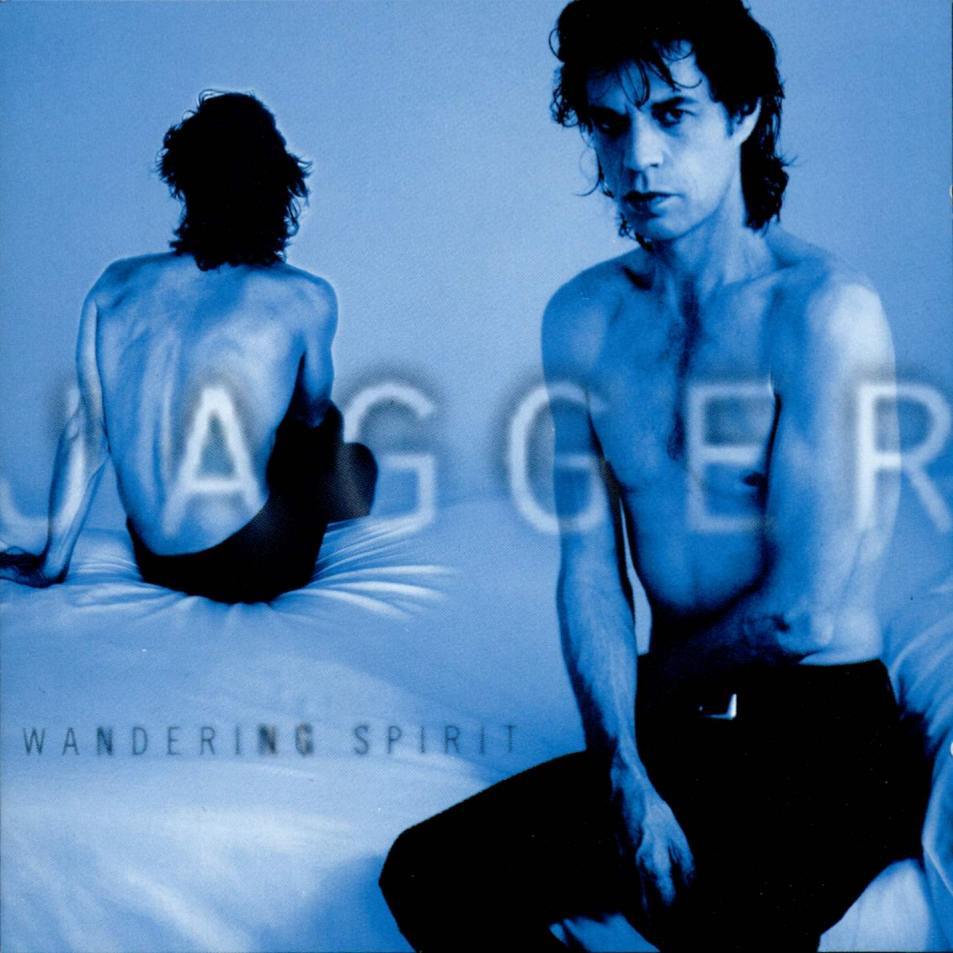
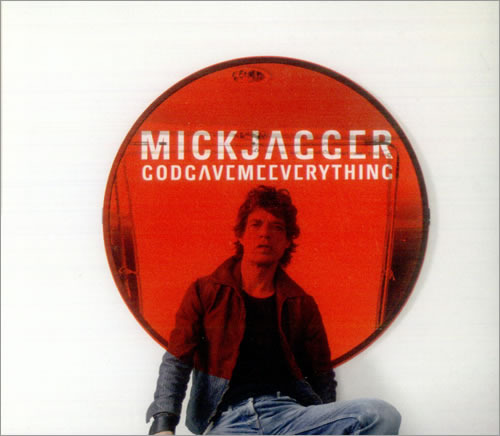
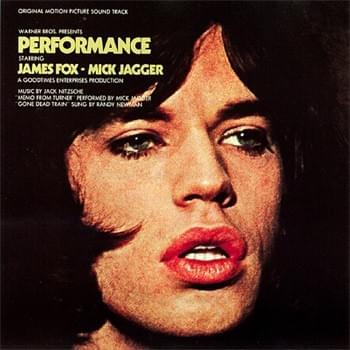
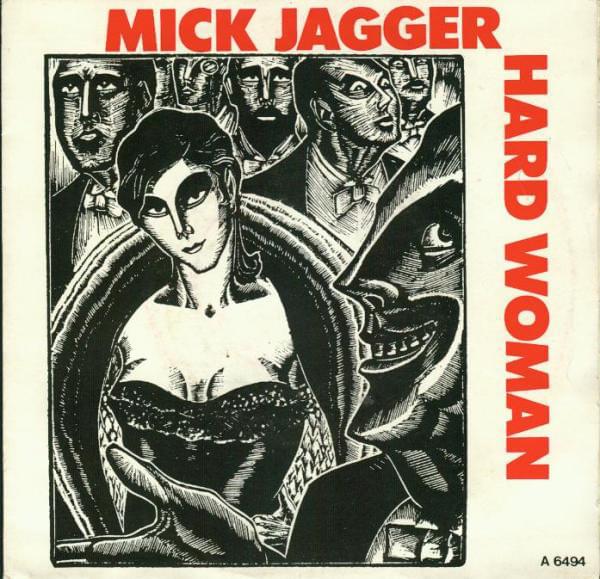
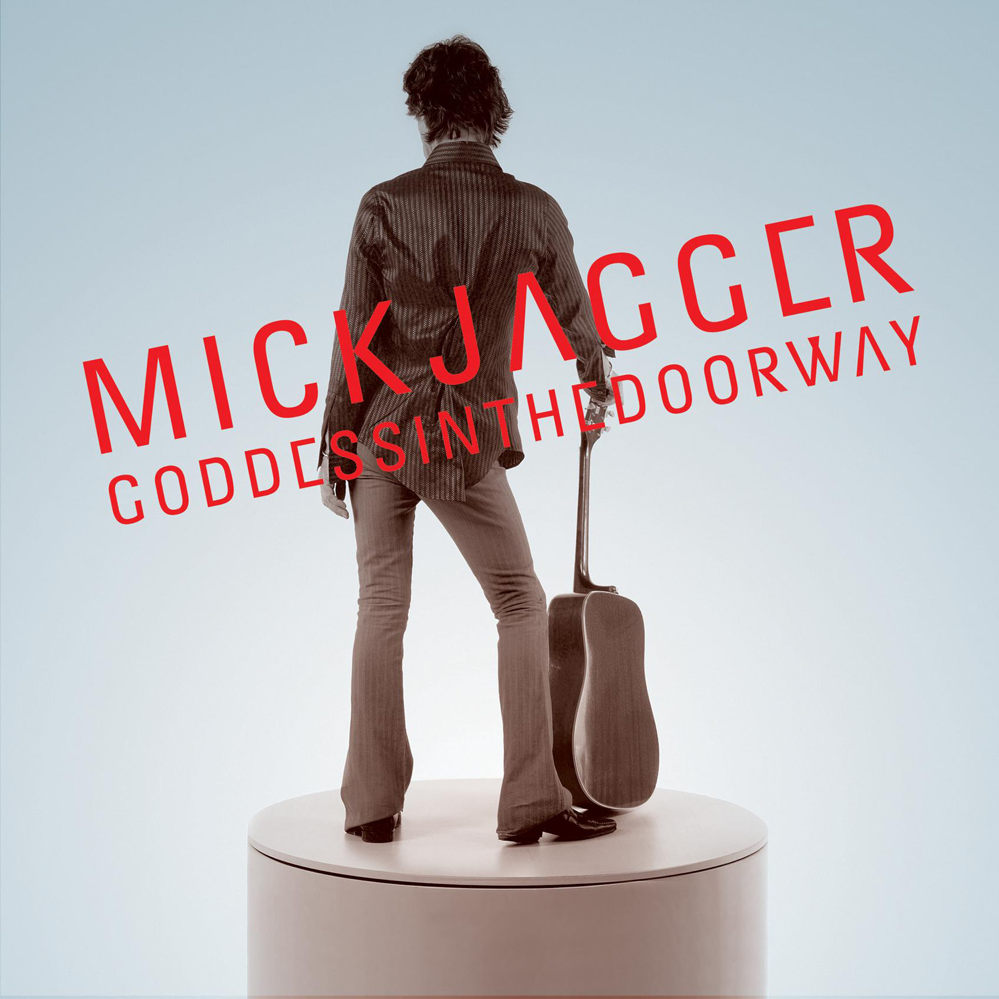
Mick Jagger. The name alone conjures images of swagger, stadium anthems, and a stage presence that has captivated audiences for over half a century. While forever linked to the Rolling Stones, Jagger's solo career reveals a different facet of this iconic performer, showcasing his versatility and willingness to experiment beyond the band's established sound. Jagger isn't just a frontman; he's a restless creative spirit.
His forays into solo work began in the mid-1980s, offering him a space to explore musical avenues that might not have found a home within the Stones' framework. It's here we discover Jagger's willingness to dive into different styles and collaborate with diverse artists, revealing a musical curiosity that extends beyond the blues-rock foundation of his main band.
While his solo albums have had their share of critical ups and downs, they consistently demonstrate a commitment to pushing boundaries. Tracks like Everybody Getting High showcase Jagger's ability to craft infectious pop melodies with a sharp lyrical edge, proving his songwriting prowess extends beyond rock and roll. The introspective nature of some of his songs offers a glimpse into the man behind the legend. Consider the raw emotion embedded in Too Far Gone; it's a moment of vulnerability rarely seen on the stadium stage.
Jagger's solo work isn't just about sonic experimentation; it's also about collaboration. He has worked with a wide array of musicians, adding unique texture and sound to his solo efforts. This is evident in tracks such as Hide Away where the production and instrumentation serve as a distinct departure from The Rolling Stones' signature sound. And while the Stones remain his primary focus, Jagger continues to surprise and delight fans with his solo endeavors. He is always moving forward, experimenting with new sounds and pushing his creative boundaries. He never lets the legend overshadow the artist, always seeking new and meaningful forms of expression.
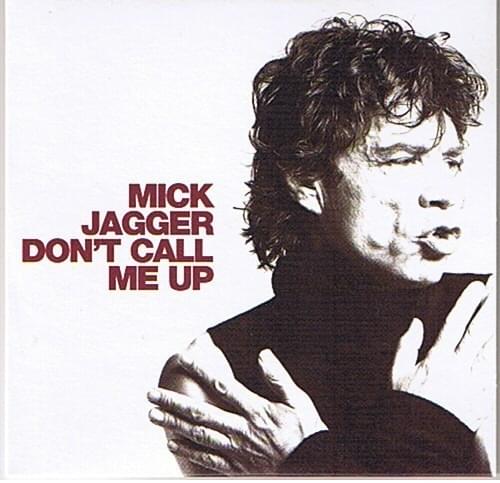
Even songs like Don't Call Me Up showcase a modern sensibility, proving Jagger's ear remains attuned to contemporary sounds while retaining his signature vocal delivery. Ultimately, Mick Jagger's solo work offers a deeper understanding of one of rock's most enduring figures – a portrait of an artist constantly evolving, experimenting, and refusing to be confined by expectations. He continues to write, continues to perform, and continues to remind us why he remains a relevant force in music. He is, after all, Mick Jagger. The energy and passion in Lucky Day reminds us that he continues to bring the same vigor as when he first started.