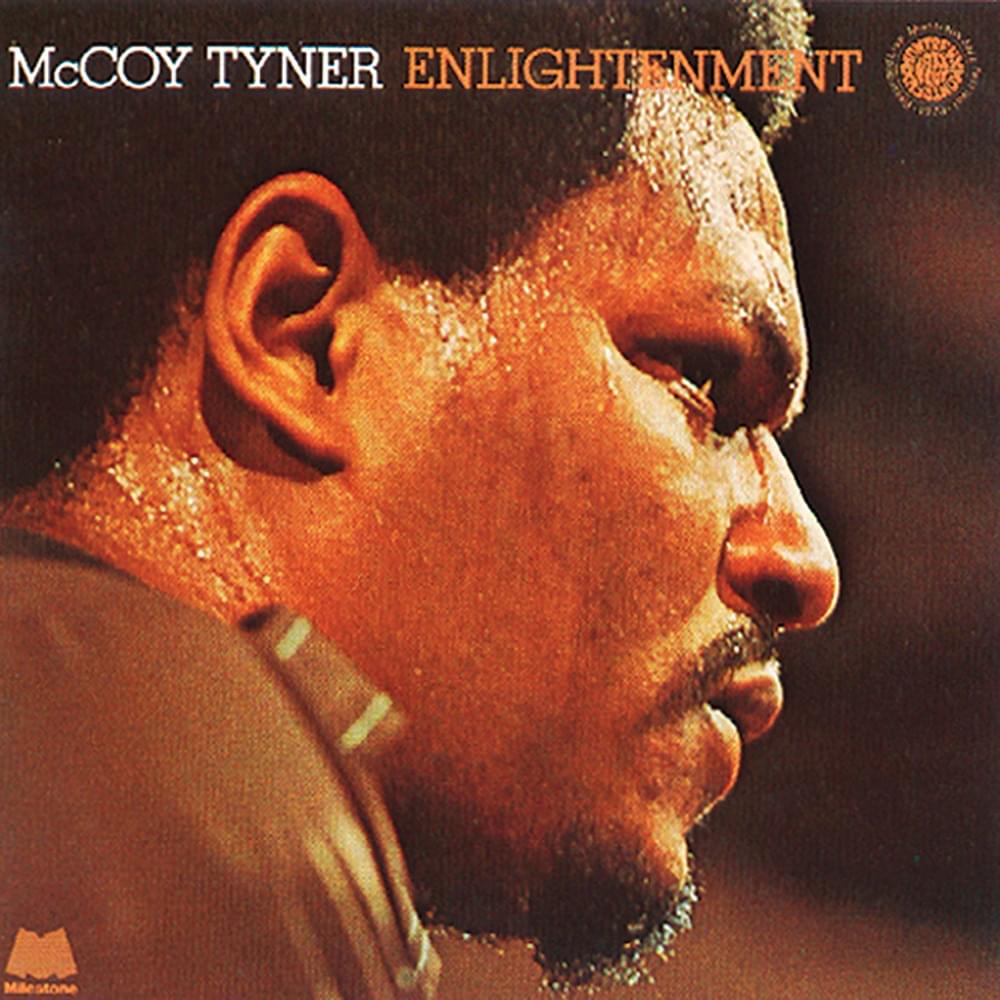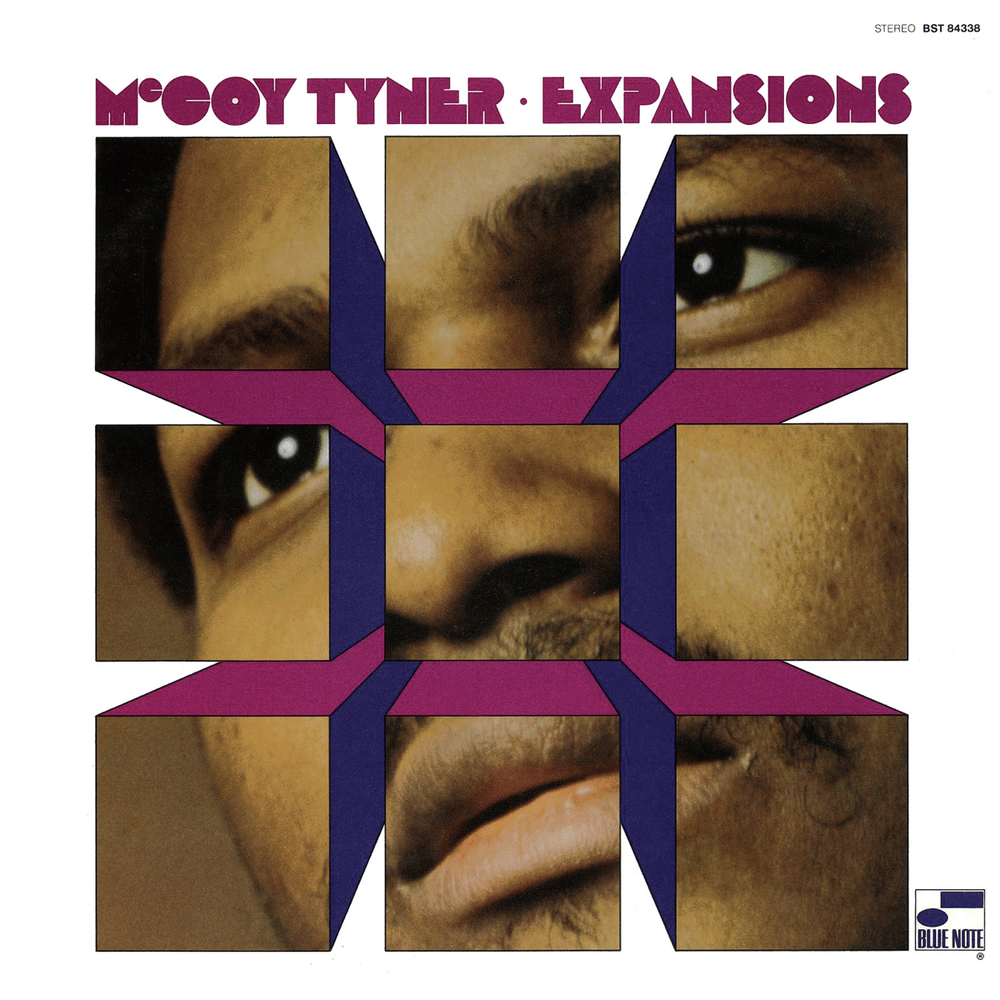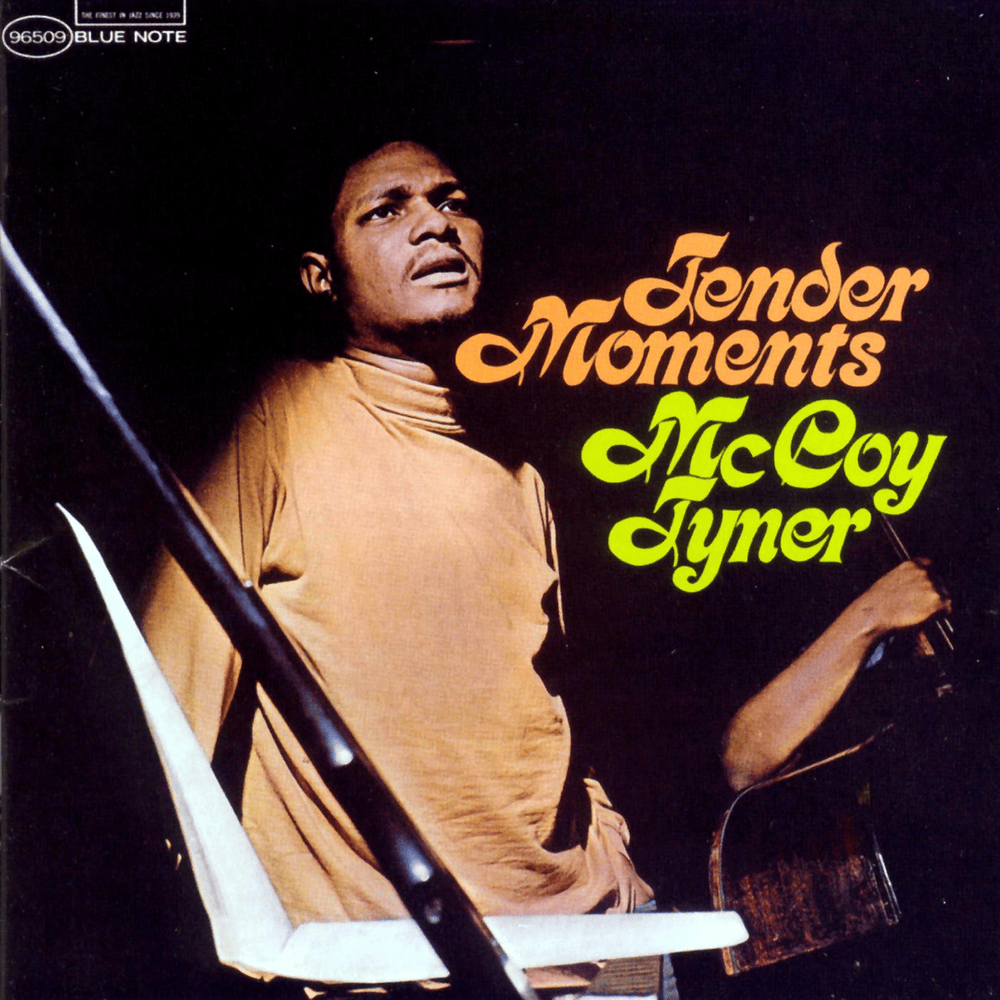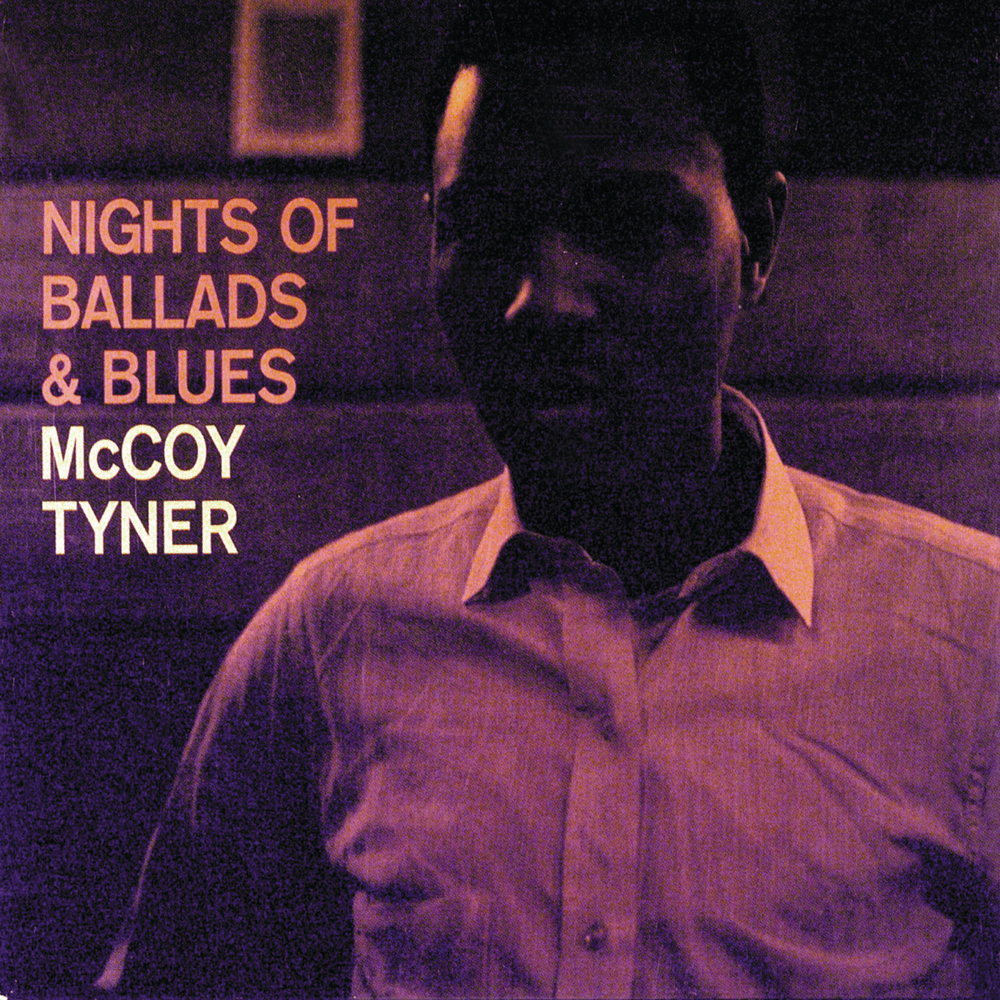
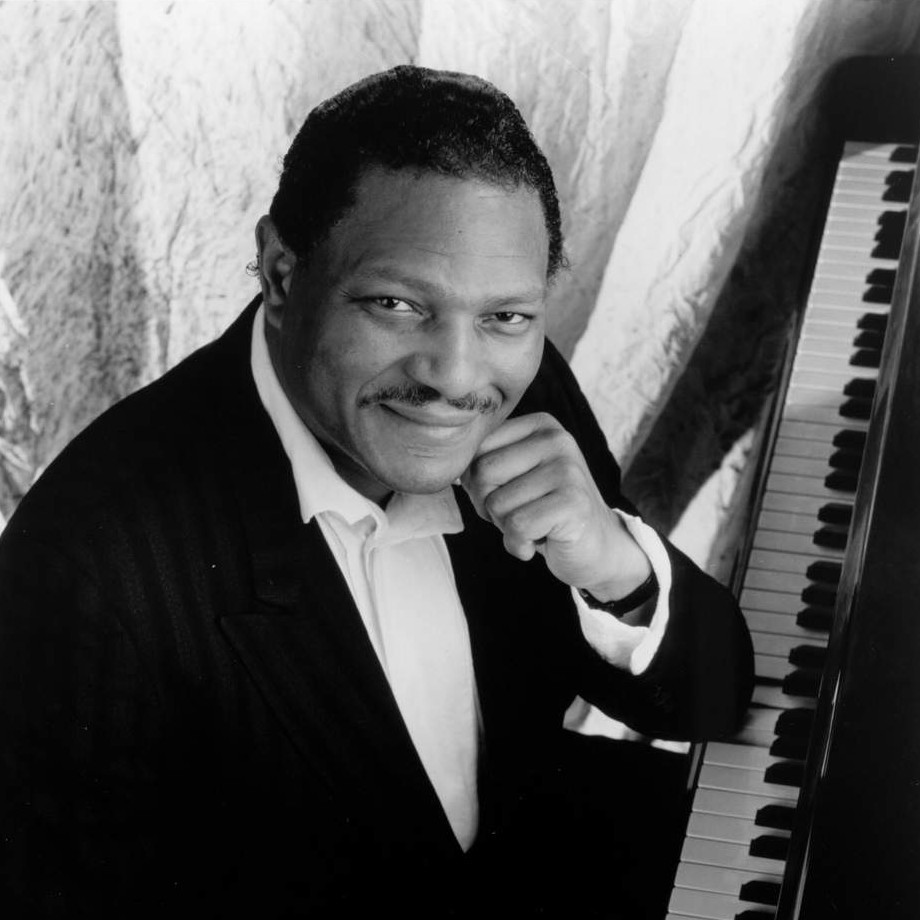
Photo of McCoy Tyner

McCoy Tyner

19.9K Listeners

Artist Bio

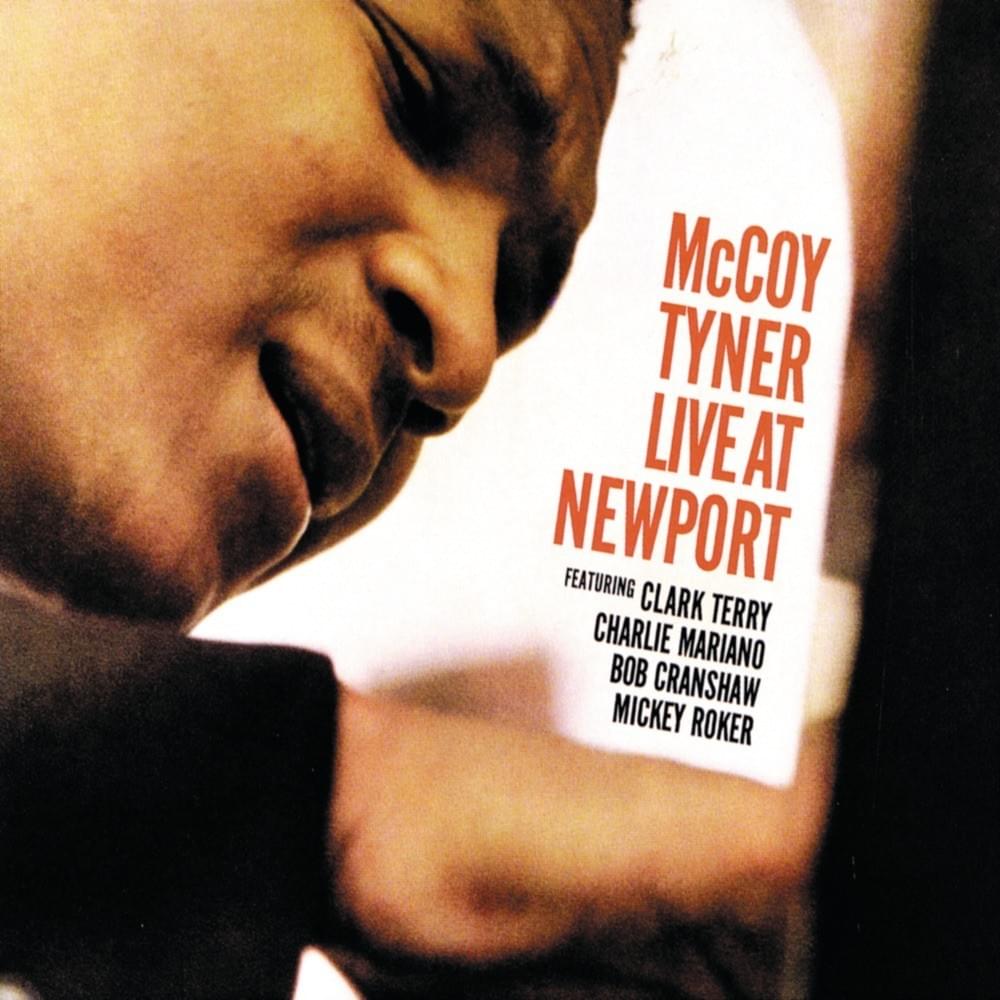
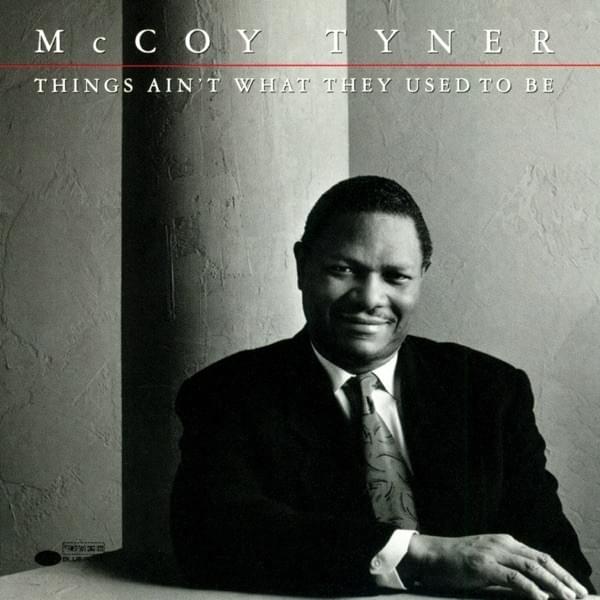
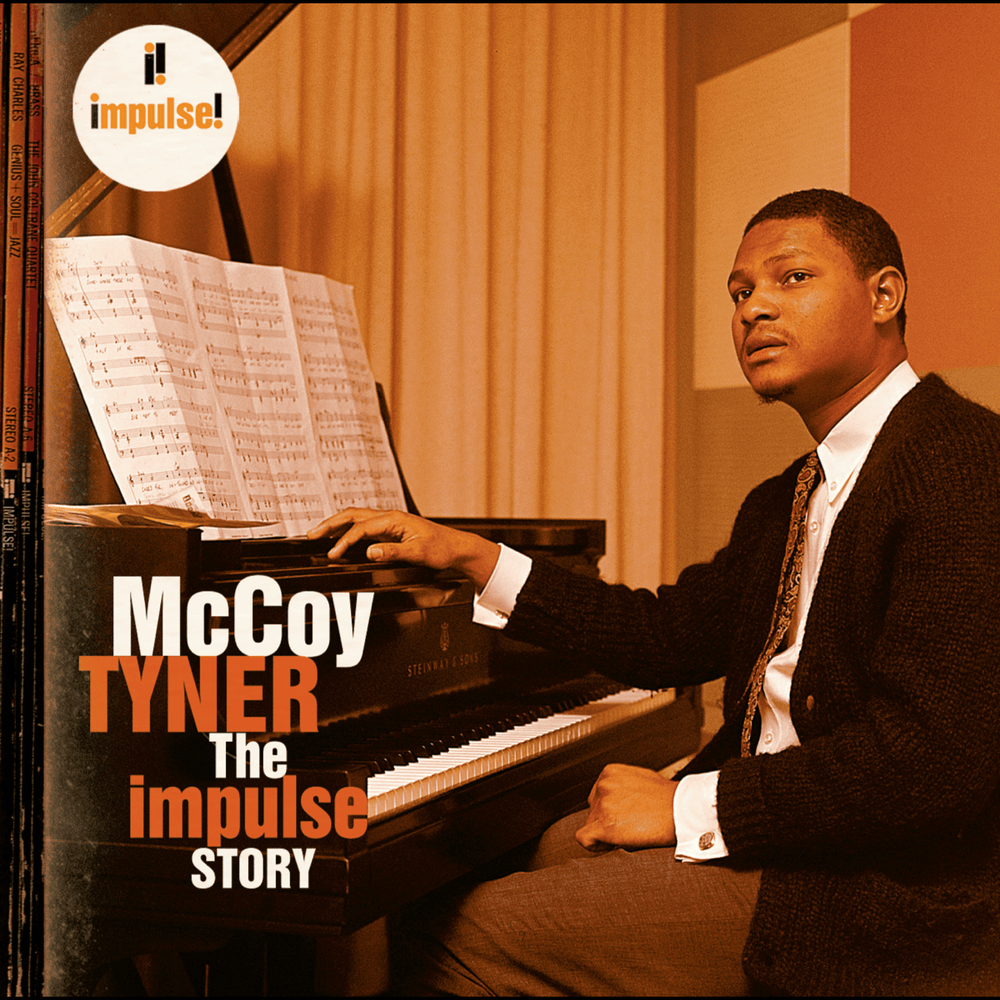
McCoy Tyner, born Alfred McCoy Tyner Jr. in Philadelphia on December 11, 1938, and passing away on March 6, 2020, wasn't just a jazz pianist; he was an architect of sound, a master of modal harmony, and a force of nature at the keyboard. While often associated with the 'pop' genre due to his widespread appeal and influence across musical boundaries, Tyner's work transcends simple categorization, firmly rooted in the rich soil of post-bop and modal jazz. His signature style, characterized by powerful block chords, pentatonic scales, and an intensely percussive attack, became instantly recognizable and profoundly influential. Tyner's early exposure to music came through his mother, who encouraged his studies. By his teens, he was already playing in local Philadelphia clubs, honing his skills and absorbing the vibrant musical landscape. A pivotal moment arrived when he joined the John Coltrane Quartet in 1960. This collaboration proved to be a defining chapter in both their careers. Tyner's harmonic sophistication and rhythmic drive provided the perfect foundation for Coltrane's soaring explorations. The albums they created together are considered cornerstones of modern jazz. Listen to Tyner's beautiful interpretation of Naima, for a sample of his unique melodic style. Following his departure from Coltrane's quartet in 1965, Tyner embarked on a prolific and highly successful solo career. He released a string of acclaimed albums under his own name, showcasing his compositional talents and his ability to lead ensembles of varying sizes. These recordings explored a diverse range of musical territories, from hard-swinging post-bop to more spiritually oriented and globally influenced sounds. You can hear his beautiful touch on ballads such as Lush Life. Tyner's impact extended far beyond his recordings. He was a mentor to countless young musicians and a tireless advocate for jazz education. His commitment to artistic excellence and his unwavering dedication to his craft earned him numerous awards and accolades, solidifying his place as one of the most important and influential jazz pianists of all time. Even when performing more traditional jazz works, like Sweet And Lovely, Tyner's unique approach to harmony and rhythm shone through. His distinctive piano voicings and powerful left hand are clearly displayed in his rendition of Things Ain't What They Used To Be. Tyner's enduring legacy lies not only in his technical brilliance but also in his profound musicality and his ability to connect with audiences on a deeply emotional level. His music continues to inspire and challenge listeners, ensuring his place as a true giant of jazz. For a taste of his later work, check out Search for Peace (1990). His influence continues to inspire musicians today.

Popular Albums

Popular Songs

Reviews

Comments

Questions & Answers

Music Awards

0 Total

No Music Awards Found