Maurice Jarre: The Sound of Cinema's Golden Age
Maurice Jarre wasn't just a composer; he was a sonic architect. He built worlds with his scores, crafting unforgettable atmospheres for some of cinema's most iconic films. Though he passed in 2009, his music continues to resonate, influencing generations of composers and film lovers alike. His innovative use of electronic instruments mixed with orchestral arrangements remains a benchmark for film scoring. Jarre was a master of melody capable of evoking deep emotion without being overly sentimental.
Think sweeping desert landscapes or tense thriller sequences – chances are, Jarre's music has played a role in shaping your cinematic memories. His absence leaves a void, but his legendary contributions ensure his place in the pantheon of great film composers. Let's dive into the story of the man behind the music.
Introduction & Current Status
While Maurice Jarre is no longer with us, his legacy as one of cinema's most influential composers remains firmly intact. His scores continue to be celebrated and rediscovered, with new generations experiencing the power and artistry of his music. Jarre's work transcends mere background music; it's become an integral part of the films he scored, elevating them to iconic status.
His innovative approach to incorporating electronic elements into orchestral scores set a new standard for film composition. Jarre's influence can be heard in the work of countless contemporary composers, solidifying his position as a true visionary. The emotional depth and melodic richness of his scores ensure their continued relevance and appeal.
Today, Jarre's music is frequently featured in retrospectives, remastered releases, and film studies programs. His ability to capture the essence of a story through music continues to captivate audiences worldwide. The legacy of Maurice Jarre lives on through his timeless compositions.
Early Life & Background
Born in Lyon, France, in 1924, Maurice Jarre's early life wasn't necessarily steeped in musical tradition. His parents were more interested in practical careers. Still, young Maurice found himself drawn to the world of sound and performance. Initially, he pursued engineering, but his passion for music proved too strong to ignore. He ditched engineering for percussion at the Conservatoire de Paris.
This pivotal decision set him on a path that would eventually lead to international acclaim. Jarre's studies at the Conservatoire provided him with a solid foundation in classical music theory and composition. This training, combined with his innate creativity, allowed him to develop his unique and groundbreaking style.
His early exposure to a wide range of musical genres, from classical to folk, helped shape his eclectic approach to composition. This openness to different sounds and styles would become a hallmark of his work. It allowed him to seamlessly blend traditional orchestral arrangements with innovative electronic elements.
Career Beginnings
Jarre's career began in the theater, where he composed music for various productions. This early experience honed his skills in storytelling through music and collaborating with other artists. His work in theater caught the attention of film directors, leading to his first opportunities in cinema. These initial film scores were relatively small but provided valuable experience and exposure.
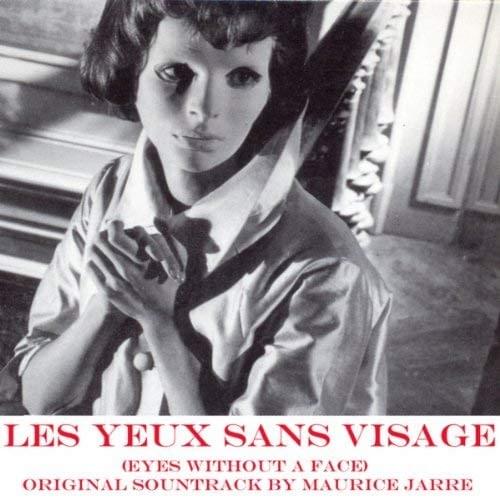
His breakthrough came with his collaboration with director Georges Franju on the film Les yeux sans visage (Bande originale du film de Georges Franju) in 1960. This haunting and atmospheric score established Jarre as a force to be reckoned with in the world of film music. The film's unsettling visuals were perfectly complemented by Jarre's innovative and emotionally resonant score, like in the track Les yeux sans visage.
From there, his career skyrocketed. He landed increasingly high-profile projects that showcased his versatility and talent. Jarre's ability to create music that enhanced the emotional impact of a film quickly made him a sought-after composer. He became known for his innovative use of instruments and his ability to capture the essence of a story through sound.
Major Albums & Discography
Jarre's discography is a testament to his prolific career and his ability to adapt to a wide range of genres and styles. Lawrence of Arabia (Original Soundtrack Recording) (1962) cemented his status as a major film composer. Its sweeping, epic score perfectly captured the grandeur and scope of the film. This earned him his first Academy Award for Best Original Score.
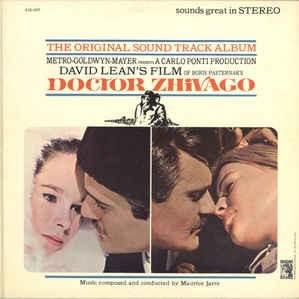
Doctor Zhivago (The Original Soundtrack Album) (1965) followed, featuring the iconic "Lara's Theme," a melody that became instantly recognizable and enduring. Jarre won his second Oscar for this emotionally resonant score. The album remains a classic, showcasing Jarre's mastery of melody and orchestration.
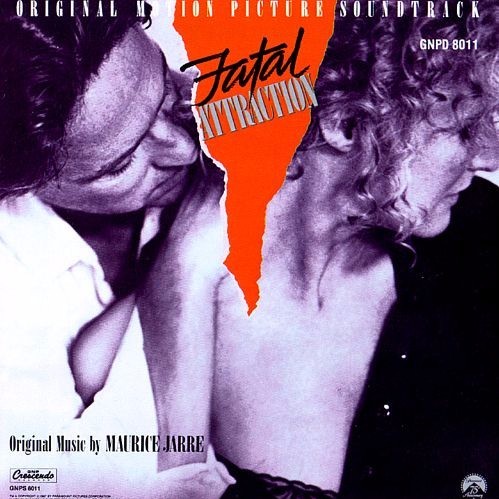
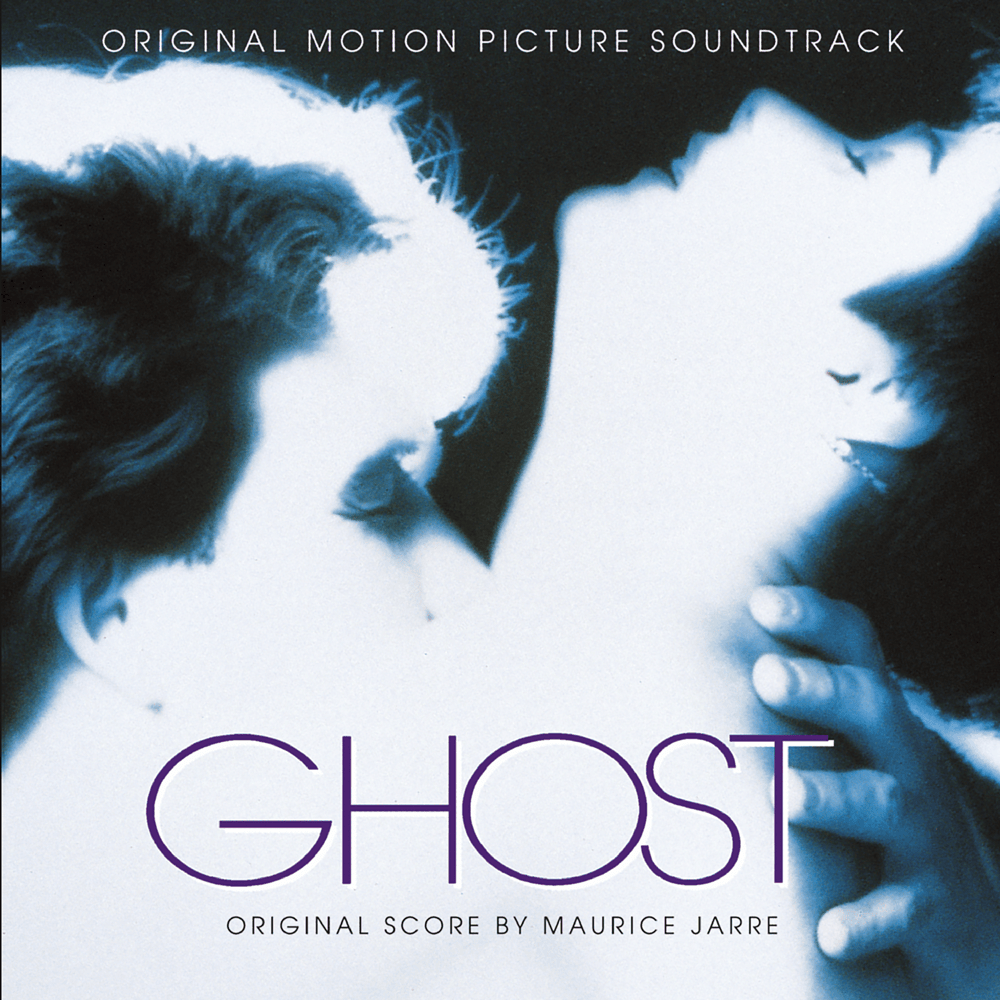
He continued to push boundaries with scores like Ghost (Original Motion Picture Soundtrack) (1990), demonstrating his ability to blend orchestral arrangements with contemporary sounds. The score perfectly complemented the film's blend of romance, drama, and supernatural elements. He also composed Fatal Attraction (Original Motion Picture Soundtrack) which featured a very scary track called Fatal Attraction.
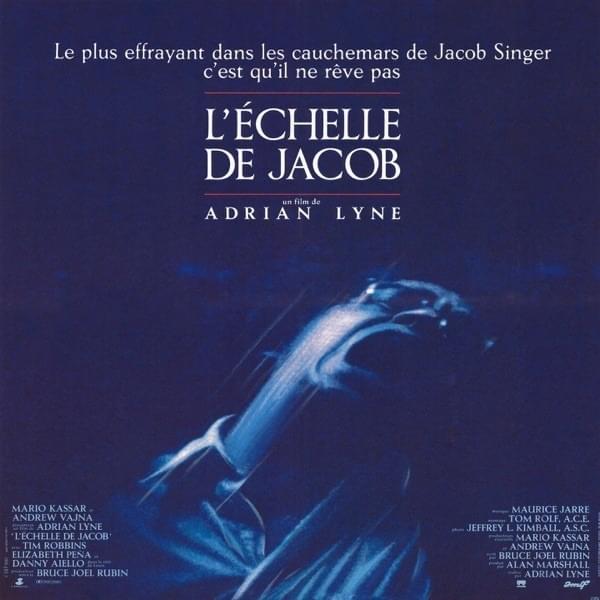
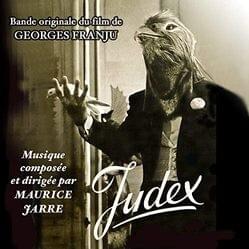
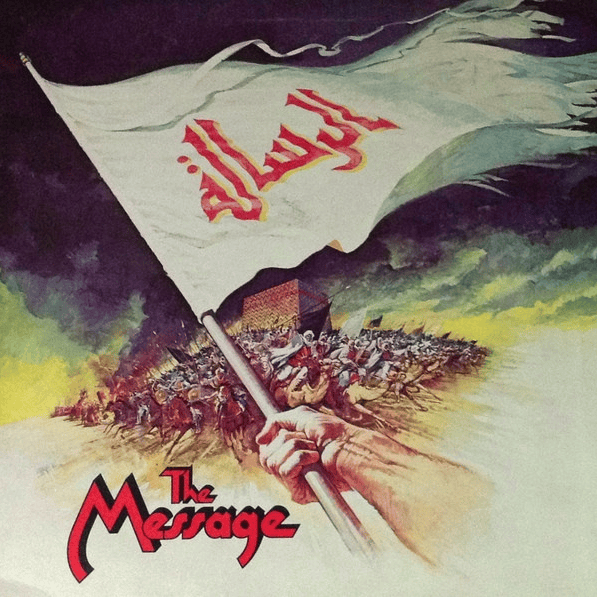
His other notable works include Judex (Bande originale du film) and Jacob's Ladder/L'échelle de Jacob, showcasing his range and innovation. Each album reflects Jarre's unique ability to capture the essence of a film and elevate the storytelling through his music. His discography stands as a testament to his genius and his lasting impact on the world of film music. Then there is The Message (Original Motion Picture Soundtrack), an album that deserves more attention.
Hit Songs & Signature Tracks
While Jarre primarily composed instrumental scores, certain themes and melodies have become synonymous with his name and his films. "Lara's Theme" from *Doctor Zhivago* is arguably his most recognizable piece, a soaring and romantic melody that has been covered and reinterpreted countless times. Its emotional depth and timeless quality have made it a classic.
The main theme from *Lawrence of Arabia* is another signature track, evoking the vastness and grandeur of the desert landscape. Its powerful orchestration and memorable melody have made it an iconic piece of film music. The track perfectly captures the film's epic scope and the protagonist's journey of self-discovery.
Beyond these well-known themes, many of Jarre's compositions have become beloved by film music enthusiasts. Tracks like Following Dan, Madness, Where Is Ellen, Beth, and Confrontation showcase his ability to create atmosphere and tension through music. His music from Les yeux sans visage (Bande originale du film de Georges Franju) spawned Thème Romantique, Des phares dans la nuit, and Inquiétude. These tracks demonstrate his versatility and his ability to create music that is both beautiful and unsettling.
His ability to craft melodies that linger in the mind long after the credits roll is a testament to his genius. Jarre's signature tracks have become an integral part of cinematic history, forever associated with the films they accompany.
Collaborations & Features
Jarre's career was marked by fruitful collaborations with some of cinema's most renowned directors. His long-standing partnership with David Lean resulted in some of his most iconic scores, including *Lawrence of Arabia* and *Doctor Zhivago*. These collaborations allowed Jarre to fully realize his vision and create music that perfectly complemented Lean's epic storytelling.
He also worked with directors like Alfred Hitchcock, John Huston, and Luchino Visconti, showcasing his versatility and adaptability. Each collaboration brought out different aspects of Jarre's talent, resulting in a diverse and impressive body of work. His ability to understand and enhance a director's vision made him a highly sought-after composer.
Jarre's collaborations extended beyond film, as he also worked with musicians and artists from other genres. These cross-disciplinary collaborations enriched his musical palette and broadened his creative horizons. His willingness to experiment and embrace new ideas contributed to his innovative and groundbreaking style.
Awards & Achievements
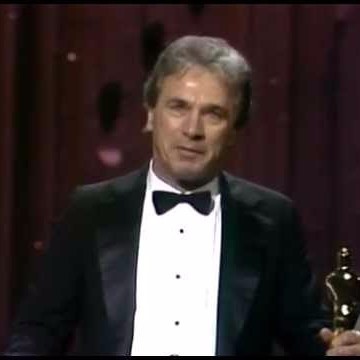
Maurice Jarre's contributions to film music have been recognized with numerous awards and accolades. He won three Academy Awards for Best Original Score, for *Lawrence of Arabia*, *Doctor Zhivago*, and *A Passage to India*. These awards cemented his status as one of the greatest film composers of all time.
He also received numerous Golden Globe Awards, Grammy Awards, and BAFTA Awards throughout his career. His work was consistently praised for its originality, emotional depth, and technical brilliance. Jarre's ability to create music that resonated with audiences and critics alike earned him widespread recognition and respect.
Beyond the awards, Jarre's greatest achievement lies in the lasting impact of his music. His scores have become an integral part of cinematic history, influencing generations of composers and film lovers. His legacy as a visionary and innovator in film music is secure.
Personal Life
Maurice Jarre was married several times, including to actress Laura Devon. He was also the father of composer Jean-Michel Jarre, known for his pioneering work in electronic music. His son's success further solidified the Jarre family's place in music history. While he maintained a relatively private personal life, his passion for music was always evident.
Jarre dedicated his life to his craft, constantly seeking new ways to express himself through music. His commitment to innovation and his unwavering artistic vision made him a true icon. He left behind a rich and diverse body of work that continues to inspire and captivate audiences worldwide.
Musical Style & Influence
Jarre's musical style is characterized by its eclecticism, emotional depth, and innovative use of instrumentation. He seamlessly blended traditional orchestral arrangements with electronic elements, creating a unique and groundbreaking sound. His scores are often described as sweeping, epic, and emotionally resonant. He was a master of melody, crafting themes that are both memorable and deeply moving.
His influences ranged from classical composers like Debussy and Ravel to folk music traditions from around the world. He drew inspiration from diverse sources, incorporating elements of world music into his scores. This openness to different styles and sounds contributed to his unique and versatile approach to composition.
Jarre's influence can be heard in the work of countless contemporary film composers. His innovative use of electronics and his ability to create emotionally powerful scores have set a new standard for film music. He left a lasting legacy as a visionary and innovator, shaping the landscape of film music for generations to come.
Recent Work & What's Next
Although Maurice Jarre passed away in 2009, his music continues to be celebrated and rediscovered. His scores are frequently performed in concert halls around the world, and remastered releases of his albums continue to be popular. His legacy lives on through his timeless compositions and his enduring influence on the world of film music.
While there won't be any new works from Jarre, his existing body of work will continue to inspire and captivate audiences for generations to come. His music remains a testament to the power of film scores to enhance storytelling and evoke deep emotions. The impact of Maurice Jarre on cinema is undeniable, and his contributions will never be forgotten.