Introduction & Current Status
Matching Mole, the brainchild of Robert Wyatt after his departure from Soft Machine, remains a pivotal influence on progressive rock and experimental music. Though their active period was brief, their impact continues to resonate with contemporary musicians and fans alike. Their complex compositions and avant-garde approach are constantly being rediscovered by a new generation seeking musical innovation.
Matching Mole's legacy lies in their ability to blend intricate jazz structures with psychedelic rock sensibilities. Wyatt's unique vocal style and drumming prowess, coupled with the instrumental virtuosity of the other band members, created a sound that was both challenging and captivating. The band's cult following continues to celebrate their groundbreaking work.
The band is not actively creating new music, however their influence on current progressive and experimental rock bands cannot be overstated. Many modern musicians cite Matching Mole as an inspiration for their own boundary-pushing work. Their records are continually being remastered and reissued, bringing their music to a wider audience and cementing their place in music history.
Early Life & Background
Robert Wyatt, the central figure behind Matching Mole, was born in Bristol, England. His upbringing was steeped in music and art, with his parents fostering a creative environment. Early exposure to jazz and classical music shaped his eclectic musical tastes. This diverse background would later become a defining characteristic of Matching Mole's sound.
Wyatt's early musical experiences included playing drums in various bands, eventually leading him to co-found Soft Machine. It was during his time with Soft Machine that he began to develop his distinctive drumming style and songwriting abilities. However, creative differences and a desire to explore new musical directions led to his departure and the formation of Matching Mole.
The name "Matching Mole" itself is a play on words, a phonetic translation of "Machine Molle," which is French for "Soft Machine." This clever nod to his previous band hints at the experimental and playful nature of the music that Matching Mole would create. It set the tone for their unique and unconventional approach to progressive rock.
Career Beginnings
Following his exit from Soft Machine, Robert Wyatt wasted no time in assembling a new band that would allow him to fully realize his artistic vision. He sought musicians who were not only technically proficient but also open to experimentation and improvisation. This led to the formation of Matching Mole in 1971.
The initial lineup included keyboardist Dave Sinclair (also formerly of Caravan), guitarist Phil Miller, and bassist Bill MacCormick. This combination of talent and experience proved to be a potent force, as the band quickly developed a unique and innovative sound. They began performing live, honing their skills and building a loyal following in the burgeoning progressive rock scene.
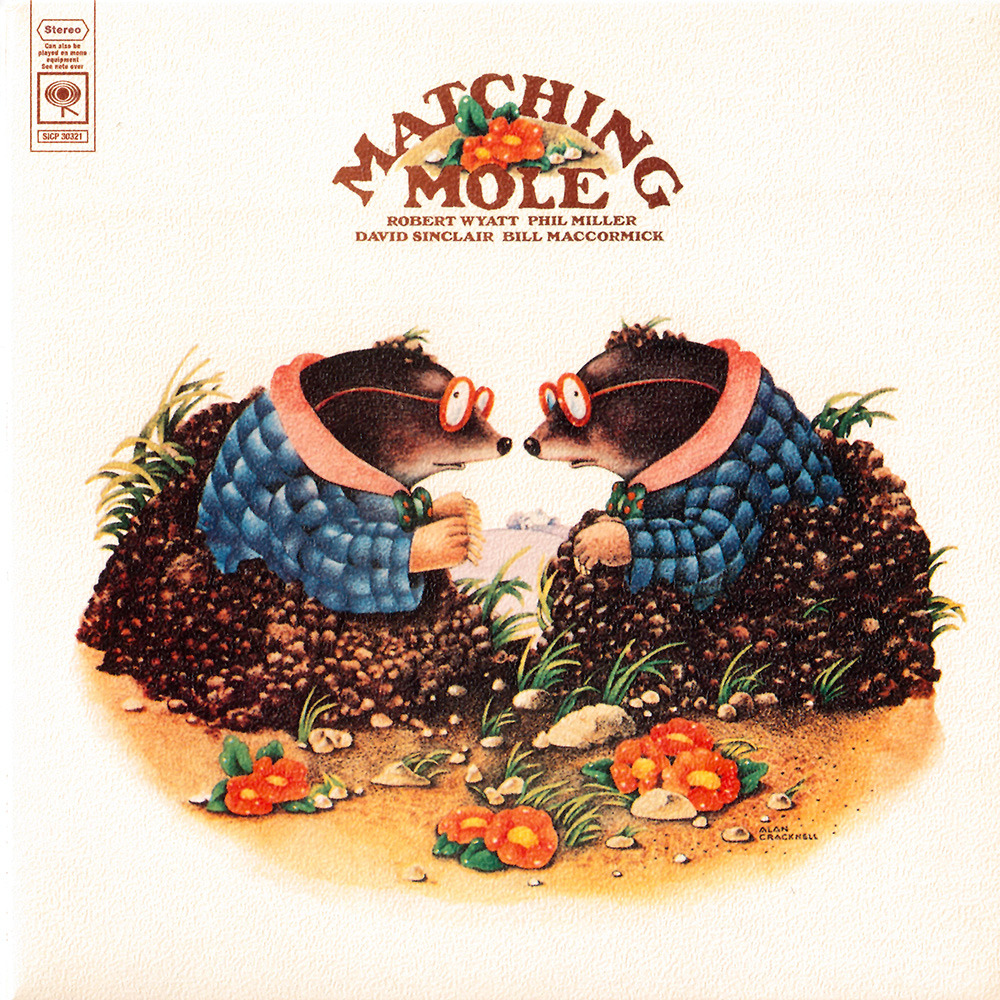
Matching Mole signed with CBS Records and released their self-titled debut album in 1972. The album showcased their complex arrangements, intricate instrumental interplay, and Wyatt's distinctive vocals. While not a commercial success, it garnered critical acclaim and established them as a significant force in the progressive music world.
Major Albums & Discography
Matching Mole's discography, though concise, is packed with groundbreaking music. Their self-titled debut, "Matching Mole," immediately set them apart with its blend of jazz fusion, psychedelic rock, and avant-garde sensibilities. The album's complex arrangements and improvisational spirit challenged listeners and established the band as a force to be reckoned with.
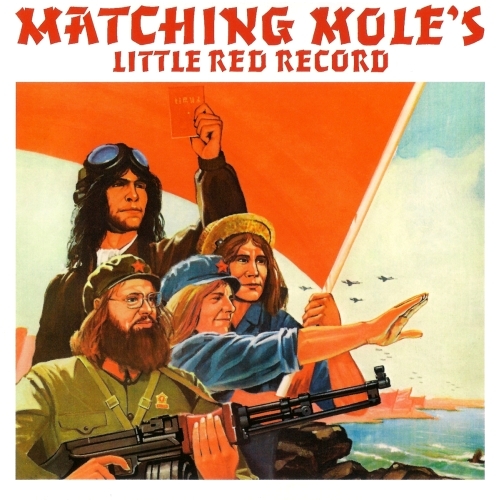
Their second and final studio album, "Matching Mole's Little Red Record," further refined their sound and showcased their growing confidence as a band. Produced by Robert Fripp of King Crimson, the album featured even more intricate compositions and experimental textures. While both albums were critically acclaimed, they did not achieve mainstream commercial success. Yet, their influence far outweighs their sales figures.
The band's brief but impactful career left behind a legacy of innovation and experimentation that continues to inspire musicians today. Their albums are considered essential listening for anyone interested in the development of progressive rock and avant-garde music. The albums remain as testaments to their unique musical vision.
Hit Songs & Signature Tracks
Matching Mole, while not known for traditional "hit songs," had signature tracks that defined their unique sound. "O Caroline," originally a Soft Machine tune, became a live staple for Matching Mole, showcasing Wyatt's distinctive vocals and the band's improvisational prowess. It exemplified their ability to blend complex arrangements with catchy melodies.
"Instant Kitten" from their debut album is another standout track, notable for its intricate instrumental interplay and Wyatt's quirky lyrics. It perfectly captures the band's playful and experimental spirit. It's a prime example of their ability to create music that is both challenging and engaging.
Other notable tracks include "God Song" and "Signed Curtain," both from "Matching Mole's Little Red Record." These songs demonstrate the band's growing confidence and willingness to push the boundaries of progressive rock. Though never charting, these tracks are regarded as cornerstones of their discography.
Collaborations & Features
While Matching Mole primarily operated as a self-contained unit, they did engage in some notable collaborations and features. Robert Fripp's production of "Matching Mole's Little Red Record" was a significant collaboration, bringing Fripp's experimental sensibilities to the band's sound. This partnership elevated their music to new levels of complexity and innovation.
Members of Matching Mole also collaborated with other artists in the Canterbury scene, a fertile ground for progressive and experimental music. These collaborations often involved guest appearances on each other's albums and participation in various side projects. These connections helped to foster a sense of community and cross-pollination of ideas within the scene.
Matching Mole's influence can be heard in the work of numerous artists who followed in their wake. While they may not have been direct collaborations, their impact on the progressive rock landscape is undeniable. Their willingness to experiment and push boundaries paved the way for future generations of musicians.
Awards & Achievements
Matching Mole, despite their relatively short lifespan, achieved considerable recognition within the progressive music community. While they didn't win major mainstream awards like Grammys or Billboard awards, their albums consistently received critical acclaim. Their influence is measured more by their impact on other musicians and the enduring legacy of their music.
Their albums have been included in numerous "best of" lists and retrospective articles celebrating the history of progressive rock. They are often cited as pioneers of the genre, alongside bands like King Crimson, Yes, and Genesis. This recognition solidifies their place in music history and underscores their importance to the development of progressive music.
Matching Mole's true achievement lies in their ability to create music that is both challenging and rewarding. Their complex compositions and experimental approach pushed the boundaries of what was possible in rock music. This legacy continues to inspire musicians and captivate listeners today.
Personal Life
Robert Wyatt's personal life has been marked by both triumph and tragedy. A serious accident in 1973 left him paralyzed from the waist down, but he continued to pursue his musical career with unwavering determination. His resilience and artistic vision have made him an inspiration to many.
Wyatt has also been involved in various political and social causes throughout his life. His music often reflects his beliefs and concerns about the world around him. This commitment to social justice and artistic expression has made him a unique and influential figure in the music world.
Musical Style & Influence
Matching Mole's musical style is a unique blend of progressive rock, jazz fusion, and avant-garde experimentation. Their music is characterized by complex arrangements, intricate instrumental interplay, and Robert Wyatt's distinctive vocals. They drew influence from a wide range of sources, including jazz musicians like Miles Davis and classical composers like Igor Stravinsky.
Matching Mole, in turn, influenced countless artists who followed in their wake. Their willingness to experiment and push boundaries paved the way for future generations of progressive and experimental musicians. Their impact can be heard in the work of bands like Radiohead, Tortoise, and The Mars Volta.
Matching Mole's legacy lies in their ability to create music that is both intellectually stimulating and emotionally engaging. Their complex compositions and improvisational spirit challenged listeners and expanded the possibilities of rock music. Their influence continues to resonate with musicians and fans alike.
Recent Work & What's Next
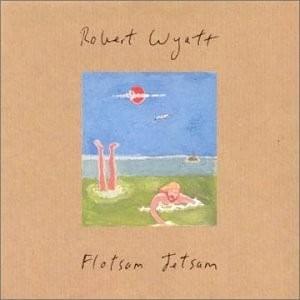
Matching Mole disbanded in the mid-1970s, but their music continues to be discovered and celebrated by new generations of listeners. Robert Wyatt continued to pursue a successful solo career, releasing numerous critically acclaimed albums that further explored his unique musical vision. His work remains an important part of the progressive music landscape.
While there are no plans for a Matching Mole reunion, their music lives on through reissues, compilations, and the ongoing influence they exert on contemporary musicians. Their legacy as pioneers of progressive rock is secure, and their music will continue to challenge and inspire listeners for years to come.
 Righteous Rhumba
 No ’Alf Measures