Introduction & Current Status
Mars (No Wave) might not be topping the charts right now, but their fingerprints are all over the alternative music scene. This New York City band, active in the late 70s, helped define the No Wave movement – a genre that spat in the face of punk's already rebellious attitude. Think raw, discordant, and defiantly anti-commercial. They may be gone, but their influence is forever.
Their short but intensely creative lifespan left a mark on everyone from Sonic Youth to countless noise-rock bands. Mars wasn't about selling records or filling stadiums; it was about sonic experimentation and pushing boundaries. And that spirit continues to resonate with artists today who are looking to break free from the mainstream. They were the original disrupters.
Early Life & Background
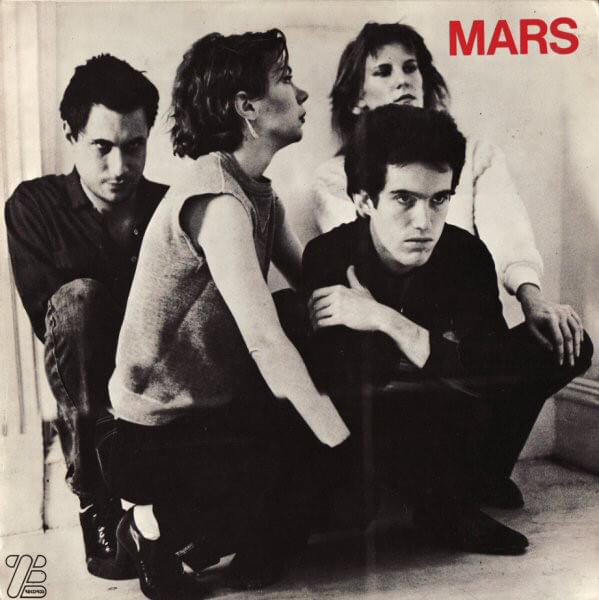
The story of Mars (No Wave) begins in the gritty, artistic cauldron of late-1970s New York City. The members – China Burg, Constance Dillon, Sumner Crane, and Mark Cunningham – came from diverse backgrounds, but they were all drawn to the city's burgeoning underground art scene. Forget formal music training; these folks were about instinct and raw energy.
Their influences weren't your typical rock 'n' roll heroes. They were inspired by avant-garde art, free jazz, and the general sense of urban decay that permeated the city at the time. Imagine a cocktail of The Velvet Underground, Ornette Coleman, and a healthy dose of existential angst. That's the fertile ground from which Mars sprang.
Career Beginnings
Mars didn't so much launch a career as detonate one. In 1978, they unleashed their chaotic sound on the unsuspecting public. Their performances were legendary for their intensity and unpredictability. Think art-school mayhem meets musical deconstruction. Early gigs at CBGB's and other downtown haunts quickly gained them a cult following.
They were part of a wave of bands that rejected the slick production and predictable song structures of mainstream music. Their sound was deliberately abrasive and confrontational – a sonic middle finger to the establishment. It wasn't about being polished; it was about being real, raw, and unapologetically themselves.
Major Albums & Discography
While Mars didn't release a plethora of full-length albums, their impact is undeniable. The compilation 3E/11,000 Volts stands as a testament to their unique sound. It's a collection of their rawest, most experimental tracks. This album is a must-listen for anyone interested in the No Wave movement.
3E/11,000 Volts showcased the band's commitment to sonic exploration and deconstruction. Critics at the time were divided, but the album has since been recognized as a seminal work of the No Wave genre. It's a challenging listen, but it's also a rewarding one.
Their discography may be concise, but its influence echoes through generations of experimental musicians. Mars proved that music could be art, noise could be beautiful, and rebellion could be a sound all its own.
Hit Songs & Signature Tracks
Defining "hit songs" for a band like Mars is tricky. They weren't exactly chasing radio airplay. But certain tracks have become synonymous with their sound and legacy. 3E is a prime example. This track encapsulates their raw energy and unconventional approach to songwriting.
3E, with its fractured rhythms and dissonant guitars, is a sonic assault on the senses. It's not easy listening, but it's undeniably powerful. The song embodies the No Wave ethos of rejecting traditional song structures and embracing experimentation.
Another standout track is 11,000 Volts, a chaotic explosion of sound that perfectly captures the band's raw energy. The track is a testament to their unconventional approach to songwriting and their willingness to push boundaries.
These tracks might not have topped the charts, but they've become anthems for the avant-garde. They're a reminder that music can be challenging, confrontational, and utterly unique.
Collaborations & Features
Mars, true to their fiercely independent spirit, didn't engage in a ton of collaborations. They were more about forging their own path than hopping on trends. Their focus was always on internal experimentation and pushing their own boundaries.
However, their influence can be seen in the work of countless other artists who followed in their wake. Bands like Sonic Youth, Swans, and countless noise-rock acts owe a debt to Mars' pioneering spirit. They may not have directly collaborated, but their impact is undeniable.
Awards & Achievements
Let's be real: Mars wasn't exactly racking up Grammy nominations. Their achievements weren't measured in platinum records or Billboard chart positions. Their success was in the impact they had on the underground music scene.
Their biggest achievement was helping to define the No Wave movement. They created a space for artists who rejected mainstream conventions and embraced experimentation. That legacy continues to inspire musicians today who are looking to break free from the mold.
Personal Life
The members of Mars were fiercely private individuals. Their focus was always on the music, not on personal fame. They let their art speak for itself, and they didn't engage in the typical rock-star antics. Details about their personal lives are scarce, and that's likely how they wanted it.
Musical Style & Influence
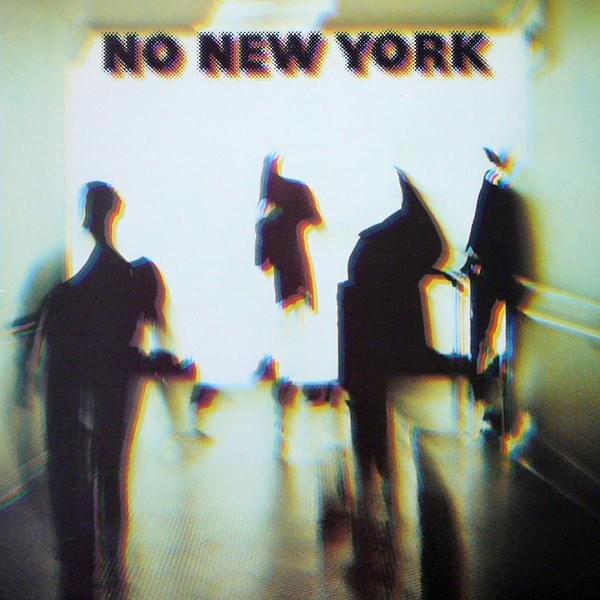
Mars (No Wave) carved out a unique sonic space in the late 70s. Their sound was a chaotic blend of noise, dissonance, and unconventional song structures. They were pioneers of the No Wave movement, a genre that rejected the conventions of punk rock and embraced experimentation.
Their influences ranged from avant-garde art to free jazz. They took inspiration from the urban decay of New York City and channeled it into their music. The result was a sound that was both challenging and exhilarating. They paved the way for bands like Sonic Youth and countless other noise-rock acts.
Mars' legacy lies in their willingness to push boundaries and challenge expectations. They proved that music could be art, noise could be beautiful, and rebellion could be a sound all its own. They remain a touchstone for anyone interested in experimental music.
Recent Work & What's Next
Since Mars disbanded in the late 70s, there hasn't been any new material released. However, their music continues to be discovered by new generations of listeners. Their compilation album 3E/11,000 Volts remains a vital document of the No Wave movement.
While a reunion seems unlikely, their influence continues to be felt in the music of countless artists. Mars (No Wave) may be gone, but their sonic rebellion lives on. They remain a reminder that the most interesting music is often found on the fringes.

 11,000 Volts