Introduction & Current Status
Marlene Dietrich isn't just a name from Hollywood's Golden Age; she’s a vibe, a mood, and a certified blueprint for what it means to be an icon. Decades after her reign, she continues to hold a chokehold on pop culture, serving as a timeless reference for fashionistas, queer artists, and anyone who appreciates a masterclass in magnetic allure. Her legacy isn't just surviving; it's thriving, influencing everything from high fashion runways to the bold aesthetics of today's music videos.
Forget "nepo baby" drama; Dietrich was the original "it girl" who built her empire on raw talent, sharp wit, and an unapologetic embrace of her own mystique. She crafted a persona so powerful, it transcended film and music, cementing her status as a cultural phenomenon. From her smoky vocals to her groundbreaking style, she proved that true stardom is about more than just a moment – it’s about becoming an eternal legend.
Early Life & Background
Born Maria Magdalene Dietrich in Schöneberg, Berlin, in 1901, Marlene's early life was less about glitz and more about the strict, bourgeois norms of Imperial Germany. Her father, Louis Erich Otto Dietrich, was a police lieutenant, and her mother, Wilhelmina Elisabeth Josephine Felsing, hailed from a prosperous family of jewelers. This backdrop instilled a discipline that would later fuel her relentless pursuit of artistic excellence.
Young Marlene was initially drawn to the violin, attending the prestigious Hochschule für Musik. However, a wrist injury reportedly put an end to her concert violinist dreams, pivoting her toward the stage. She soon found herself immersed in the vibrant, experimental theater scene of Weimar-era Berlin, a crucible of artistic innovation that would profoundly shape her theatrical flair and daring sensibilities. This early exposure to the avant-garde laid the groundwork for the boundary-pushing artist she would become.
Career Beginnings
Dietrich's journey into the spotlight began with small roles in silent films and various stage productions across Berlin in the 1920s. She navigated the bustling cabaret scene, honing her performance skills and developing the smoky vocal delivery that would become her signature. It was a grind, a steady climb through the ranks of an electrifying but competitive artistic landscape, punctuated by the economic and social upheaval of post-WWI Germany.
Her breakthrough arrived in 1930 when director Josef von Sternberg cast her as Lola Lola, the sultry cabaret singer in "The Blue Angel." This role changed everything. Her performance, especially her rendition of Ich bin von Kopf bis Fuß auf Liebe eingestellt, captivated audiences and critics alike, launching her into international stardom overnight. The film's success immediately whisked her away to Hollywood, where Paramount Pictures was eager to mold its next big star, setting the stage for a career that would redefine glamour and rebellion.
Major Albums & Discography
While Dietrich's musical career wasn't built on the traditional album cycle we know today, her discography is a treasure trove of iconic recordings, primarily released as singles and later compiled into comprehensive collections. These albums serve as crucial snapshots of her evolving artistic journey, capturing her unique vocal interpretations across decades. The compilation Marlene Dietrich I offers a foundational dive into her early recordings, showcasing the raw, captivating allure that first enchanted audiences.
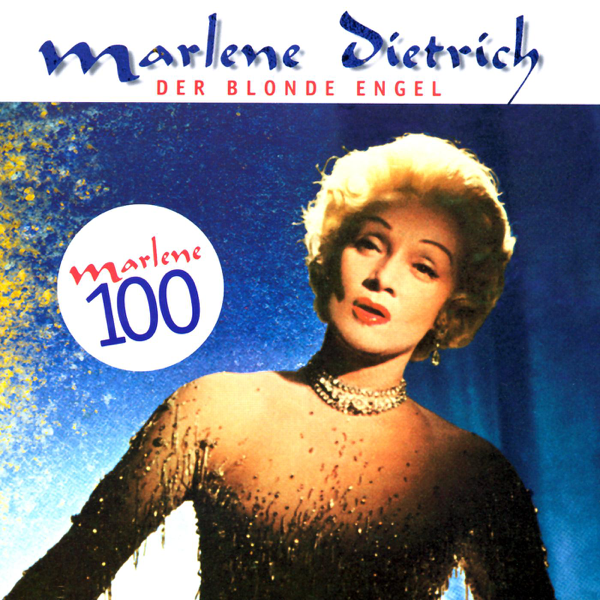
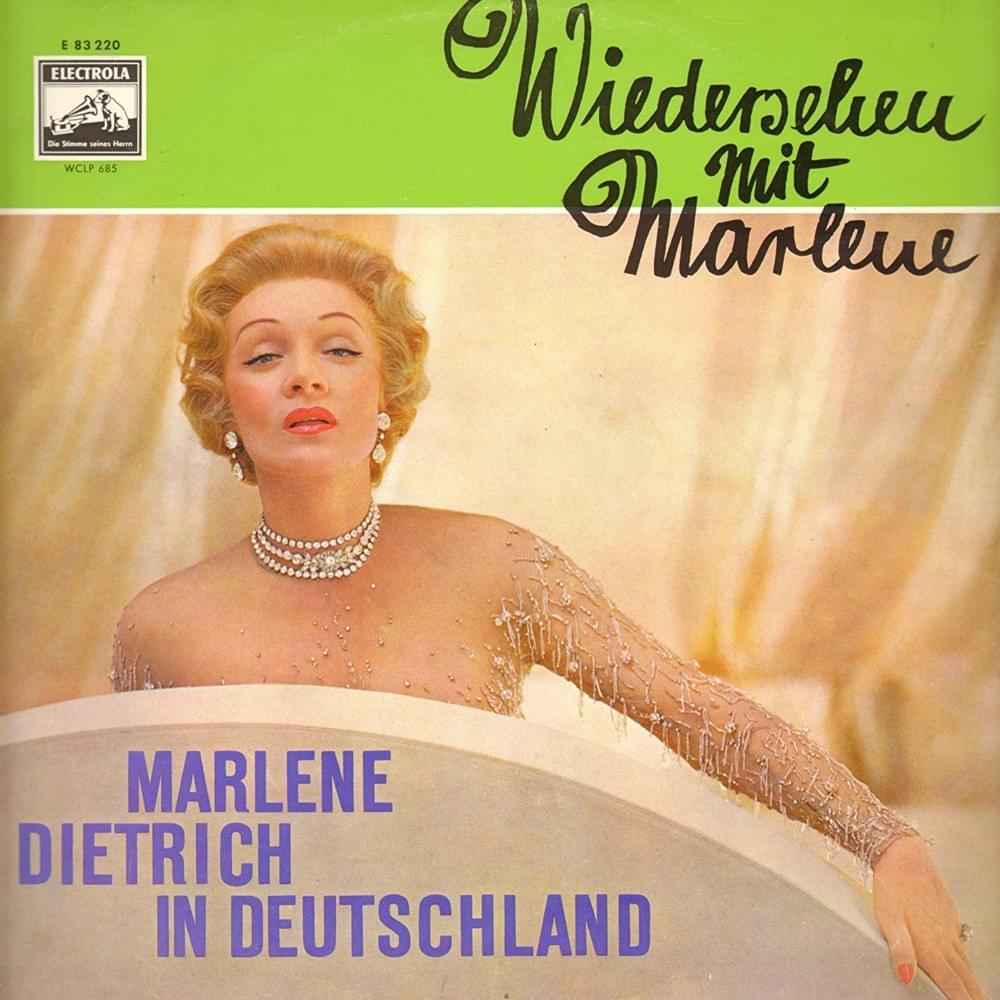
Later in her career, as her live performances became legendary, albums like Wiedersehen mit Marlene: Marlene Dietrich in Deutschland documented her triumphant return to German stages. These recordings weren't just musical; they were historical, capturing the emotional resonance of an icon reconnecting with her roots. Even a compilation like Der blonde Engel (named after her breakout film) highlights how her cinematic persona and musical identity were inextricably linked, each amplifying the other. Her albums, though often retrospective, solidified her place not just as a screen siren but as a vocalist with undeniable gravitas.
Hit Songs & Signature Tracks
Marlene Dietrich’s voice, a husky whisper drenched in world-weary charm, turned every song into a moment. Her breakthrough hit, Ich bin von Kopf bis Fuß auf Liebe eingestellt, from "The Blue Angel," wasn't just a song; it was an anthem for a new kind of feminine power, oozing with unapologetic confidence and a hint of danger. This track, alongside the sassy Ich bin die fesche Lola, defined her early, iconic screen persona and set the stage for her global fame.
Beyond the silver screen, Dietrich continued to craft unforgettable musical experiences. Tracks like Wenn ich mir was wünschen dürfte showcased her ability to convey deep emotion with minimalist elegance, a masterclass in torch song delivery. She also charmed with playful numbers like Nimm Dich in Acht vor blonden Frau’n, proving her versatility. Her recordings often carried a melancholic, reflective quality, evident in songs like Leben ohne Liebe kannst du nicht and the yearning Mein blondes Baby.
Later in her career, Dietrich's concert repertoire became legendary, featuring tracks like the poignant Allein in Einer Grossen Stadt and the charming Peter. She even paid homage to her roots with the classic Ich Hab’ Noch Einen Koffer In Berlin. Each song became an extension of her enigmatic stage presence, cementing her status as a vocal storyteller. Oh, and for good measure, let's circle back to the timeless sentiment of Wenn ich mir was wünschen dürfte, a track so iconic it deserves double the love and a second listen.
Collaborations & Features
While Marlene Dietrich didn't participate in "features" in the modern sense of guest verses on other artists' tracks, her career was intrinsically shaped by pivotal creative partnerships. Her most significant collaboration was undoubtedly with director Josef von Sternberg, who meticulously crafted her cinematic image across seven films, transforming her into the ethereal siren adored by millions. Sternberg understood her unique blend of vulnerability and defiance, framing her in a way that amplified her mystery.
Musically, her long-standing relationship with legendary composer and arranger Burt Bacharach was a game-changer. From the late 1950s through the 1970s, Bacharach served as her musical director, revamping her classic songs and arranging new material with a contemporary flair that allowed her to maintain relevance. He helped her transition from a film star who sang to a formidable concert performer, shaping the sophisticated sound that defined her later stage career. This collaboration elevated her live shows from mere nostalgia acts to critically acclaimed musical events, proving that even a legend can evolve with the right team.
Awards & Achievements
Marlene Dietrich's trophy cabinet might not overflow with Grammys (a modern invention she predated in her prime), but her accolades speak to a legacy far beyond mere industry awards.