Introduction & Current Status
Louis Armstrong & His Hot Five? More like Louis Armstrong & Still Totally Relevant. This iconic ensemble, though formed in the roaring '20s, continues to influence music today. Their early recordings are foundational texts for jazz musicians, and their impact reverberates through pop, R&B, and even hip-hop. The Hot Five’s legacy is hotter than ever.
Think of them as the OGs of cool. The originators. Their music isn't just historical; it's a living, breathing testament to the power of improvisation and raw musical talent. It’s the kind of music that makes you want to grab a fedora and hit the nearest speakeasy (if those were still a thing).
While they may not be topping the charts today, their influence is undeniable. Artists across genres constantly sample and pay homage to Satchmo’s groundbreaking work. They're basically the musical ancestors of everyone from Wynton Marsalis to Trombone Shorty.
Early Life & Background
Louis Armstrong, the man himself, was born in New Orleans in 1901. Talk about a birthplace steeped in musical history! He grew up in poverty, but the vibrant culture of New Orleans, especially its music scene, shaped his destiny. From a young age, he soaked up the sounds of the city – the blues, ragtime, and the early stirrings of jazz.
His early life wasn't all sunshine and roses. He faced hardship and spent time in a reform school. But even there, his musical talent shone through. He learned to play the cornet in the school's band, setting him on the path to becoming one of the most influential musicians of all time.
Imagine young Louis, honing his skills in the crucible of early 20th-century New Orleans. The city was a melting pot of cultures and sounds. This is where he crafted his signature style, a blend of technical brilliance and soulful expression.
Career Beginnings
Armstrong's career took off in the 1920s when he joined King Oliver's Creole Jazz Band in Chicago. It was a pivotal moment. He was learning from one of the best, and his own talent was beginning to blossom. It was like jazz school, but way cooler.
He then formed his own groups, including the Hot Five and the Hot Seven. These ensembles were his laboratory, a place where he could experiment with new sounds and push the boundaries of jazz improvisation. These groups weren’t just bands; they were incubators of innovation.
The Hot Five recordings, made between 1925 and 1928, are considered some of the most important in jazz history. They showcased Armstrong's virtuosity as a cornet player and his genius as an improviser. These early recordings established him as a major force in the music world.
Major Albums & Discography
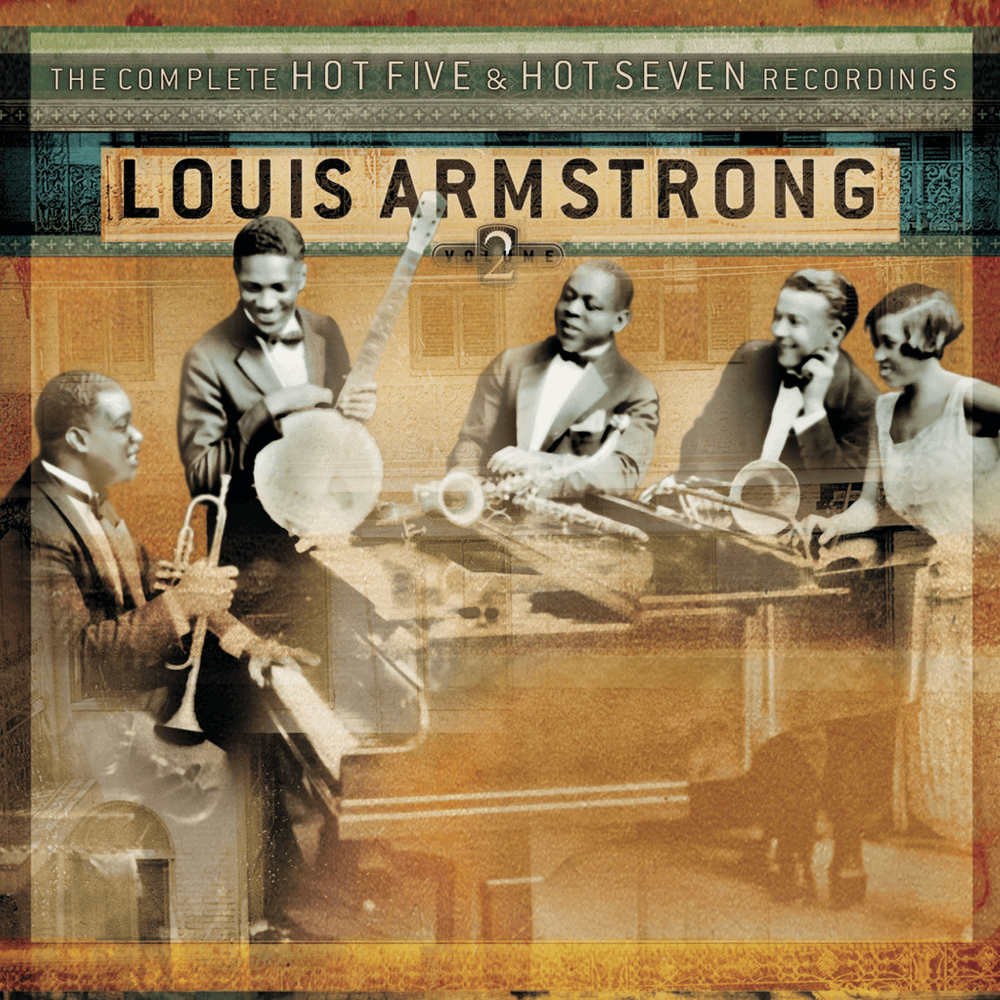
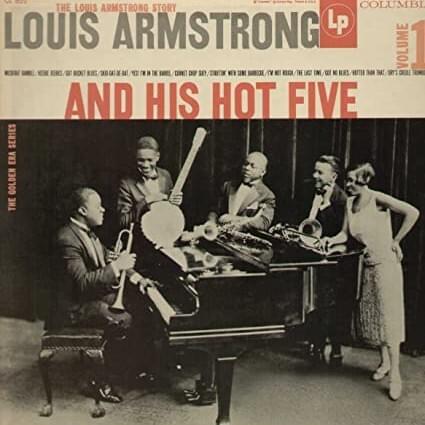
While the Hot Five didn't release traditional "albums" in the modern sense, their recordings were compiled into various collections that became essential listening for jazz fans. These collections represent the pinnacle of early jazz. Think of them as mixtapes for the ages.
These recordings weren't just about technical skill; they were about feeling. Armstrong's playing was full of emotion, and his improvisations were spontaneous and inventive. Every note tells a story. It's not just background music; it's an experience.
The impact of these recordings is immeasurable. They influenced generations of musicians and helped to define the sound of jazz. They are a testament to the power of collaboration and the enduring appeal of Armstrong's unique musical vision.
Hit Songs & Signature Tracks
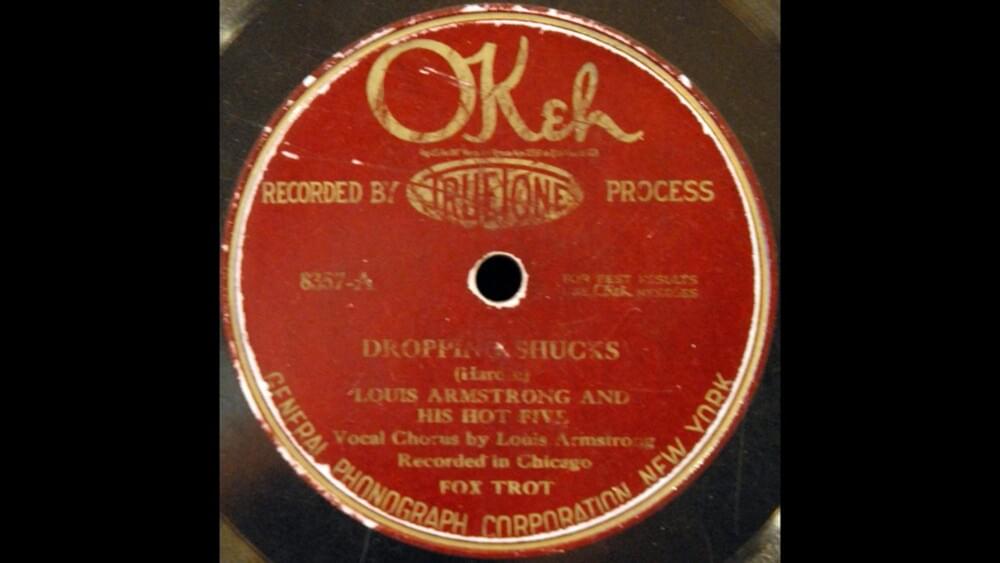
While "songs" as we know them today weren't quite the same back then, the Hot Five certainly had their signature tracks. These were the tunes that everyone wanted to hear, the ones that defined their sound and cemented their legacy. These tracks *slapped* for the era.
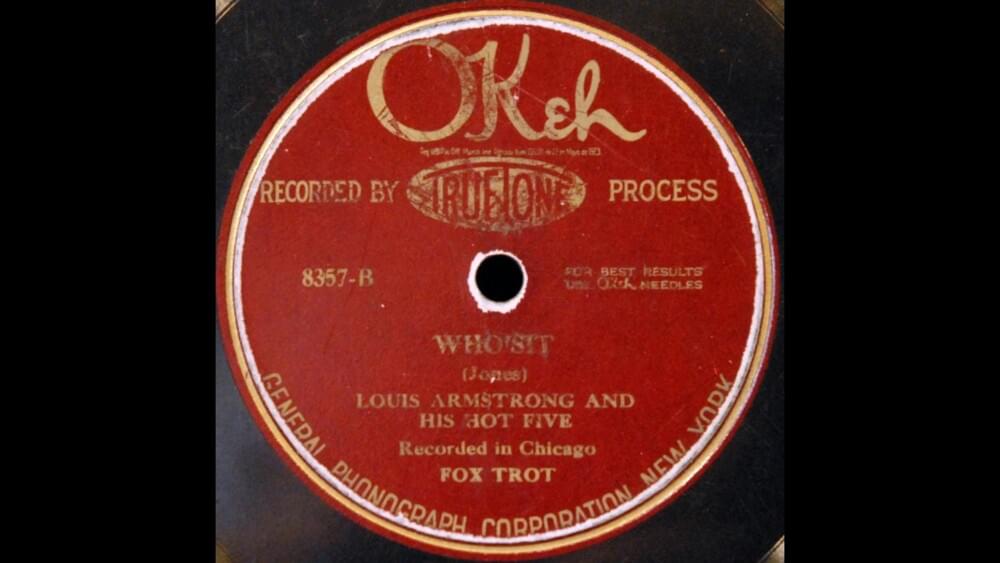
Tracks like "Heebie Jeebies" and "Cornet Chop Suey" are prime examples. They showcase Armstrong's incredible cornet playing and his innovative vocal style. These weren't just songs; they were statements of intent, declarations of a new musical era.
These songs weren't just popular; they were groundbreaking. They pushed the boundaries of what was possible in jazz and helped to pave the way for future generations of musicians. They're the reason why jazz is still relevant today.
Collaborations & Features
Though the Hot Five was primarily a self-contained unit, Armstrong's career was marked by numerous collaborations with other jazz greats. These collaborations showcased his versatility and his willingness to experiment with different sounds. He was the ultimate team player.
He worked with artists like Bessie Smith and Fletcher Henderson, expanding his musical horizons and solidifying his reputation as a top-tier musician. These collaborations weren't just about making music; they were about building bridges between different styles and traditions.
These collaborations enriched Armstrong's music and helped to introduce jazz to a wider audience. They were a testament to the power of collaboration and the enduring appeal of his unique musical vision.
Awards & Achievements
While formal awards ceremonies weren't as prevalent in the early days of jazz, Armstrong's achievements were recognized in other ways. His music was celebrated by critics and fans alike, and he became a cultural icon. He was basically the Beyonce of his time.
His influence on music is undeniable, and his legacy continues to inspire musicians today. He is considered one of the most important figures in the history of jazz. You could say he invented swagger.
His impact extends beyond the realm of music. He was a symbol of American culture and a champion of racial equality. He used his music to break down barriers and promote understanding.
Personal Life
Armstrong's personal life, while not always easy, was marked by his dedication to his music and his love for his fans. He was a charismatic performer and a beloved figure in the music world. He was the definition of a star.
He was married multiple times and had a passion for life. He was known for his infectious smile and his generous spirit. He lived life to the fullest and inspired others to do the same.
He was also a dedicated philanthropist, using his fame and fortune to support various causes. He believed in giving back to the community and making the world a better place.
Musical Style & Influence
Armstrong's musical style was a unique blend of technical brilliance and soulful expression. He was a master of improvisation and his playing was full of emotion. He was a true original. He wasn’t just playing notes; he was telling stories.
His influence on jazz is immeasurable. He helped to define the sound of the genre and inspired generations of musicians. He's the reason why jazz is still cool.
He also influenced other genres of music, including blues, R&B, and even rock and roll. His impact on popular culture is undeniable. He was a true pioneer.
Recent Work & What's Next
Though Armstrong passed away in 1971, his music continues to be celebrated and reinterpreted by musicians around the world. His legacy lives on. He’s basically immortal.
His recordings are constantly being reissued and remastered, ensuring that his music will continue to reach new audiences. His influence can be heard in the work of countless artists. He's the gift that keeps on giving.
While there won't be any new recordings from Louis Armstrong & His Hot Five, their timeless music will continue to inspire and delight listeners for generations to come.