Introduction & Current Status
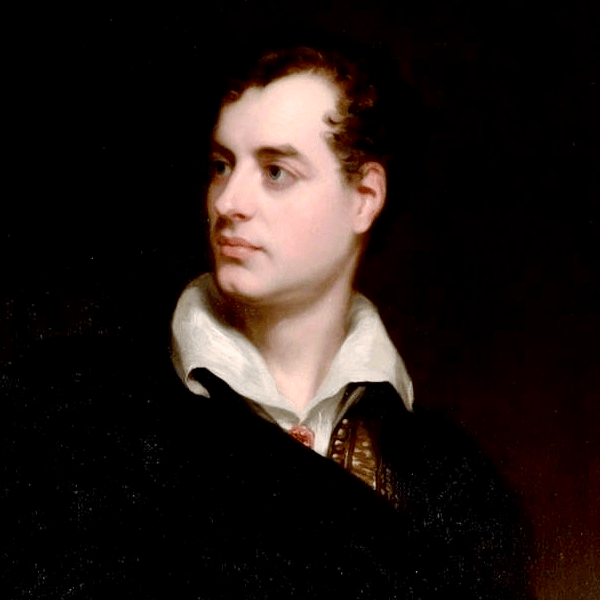
Lord Byron. Yeah, *that* Lord Byron. Before TikTok poets and SoundCloud rappers, there was George Gordon Byron, the 6th Baron Byron, a.k.a. Lord Byron. This OG literary bad boy was basically the 19th century's equivalent of a rock star. His scandalous life and intensely emotional poetry captivated Europe and cemented his place as a literary icon. We're diving deep into the life of this legend.
While he might not be trending on Twitter right now, Byron's influence is everywhere. From emo lyrics to the brooding anti-hero trope, Byron's DNA is all over modern culture. So, let's unpack why this powdered-wig poet still matters.
Early Life & Background
Born in London in 1788, Byron's early life was, shall we say, *complicated*. A clubfoot, a volatile mother, and a family fortune that was more like a family *misfortune* set the stage for a life of rebellion and drama. He inherited the title of Lord Byron at age 10, instantly elevating him into the British aristocracy. Think of it as going viral before the internet existed.
His mother instilled in him a love for reading and writing, while his Calvinist schooling simultaneously instilled a sense of guilt and rebellion. This combo of passion and angst became the fuel for his future literary fire. Early exposure to the works of classical poets and playwrights shaped his understanding of rhythm, rhyme, and dramatic storytelling.
Career Beginnings
Byron's literary career kicked off while he was still a student at Cambridge. His first collection of poetry, *Hours of Idleness*, didn't exactly set the world on fire, and the critics were savage. But Byron, being Byron, didn't back down. Instead, he channeled his frustration into *English Bards and Scotch Reviewers*, a satirical takedown of the literary establishment that showed off his wit and sharp pen.
This was his entrance. The poem's popularity established Byron as a literary force to be reckoned with. It was a calculated move, and it worked. Fame found him quickly and aggressively.
Major Albums & Discography
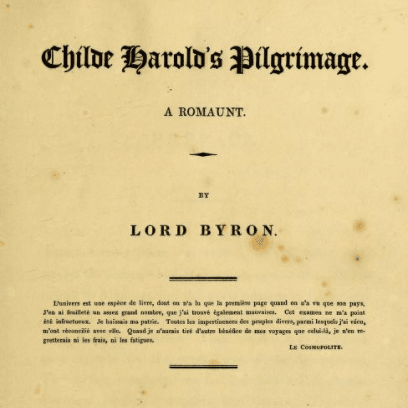
Byron’s discography, if we can call it that, includes a collection of works that capture the spirit of Romanticism. Childe Harold’s Pilgrimage launched him into superstardom. Its introspective narrative and exotic locales tapped into the zeitgeist of a generation yearning for escape and adventure.
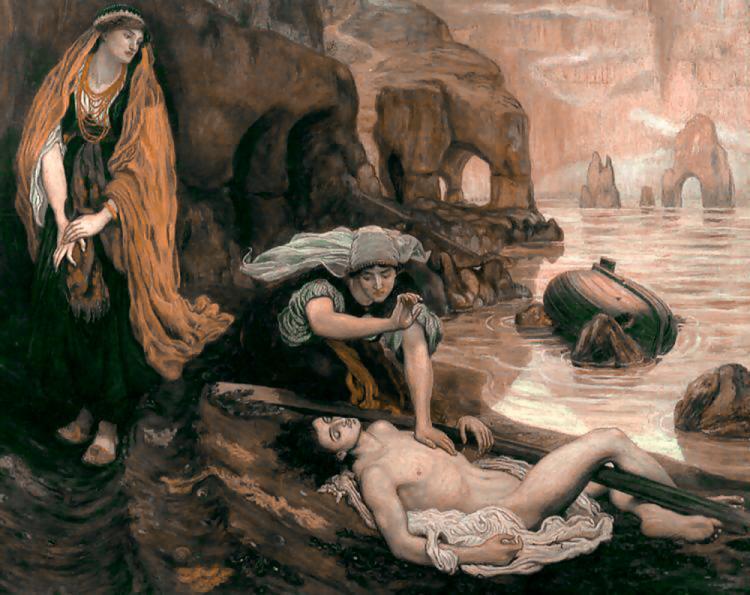
Manfred, a dramatic poem, explores themes of guilt, redemption, and the power of nature. It showcases Byron's ability to weave complex emotional landscapes with striking imagery. The raw emotion in Cain: A Mystery delves into the biblical story with a decidedly Byronic twist, questioning faith and authority.
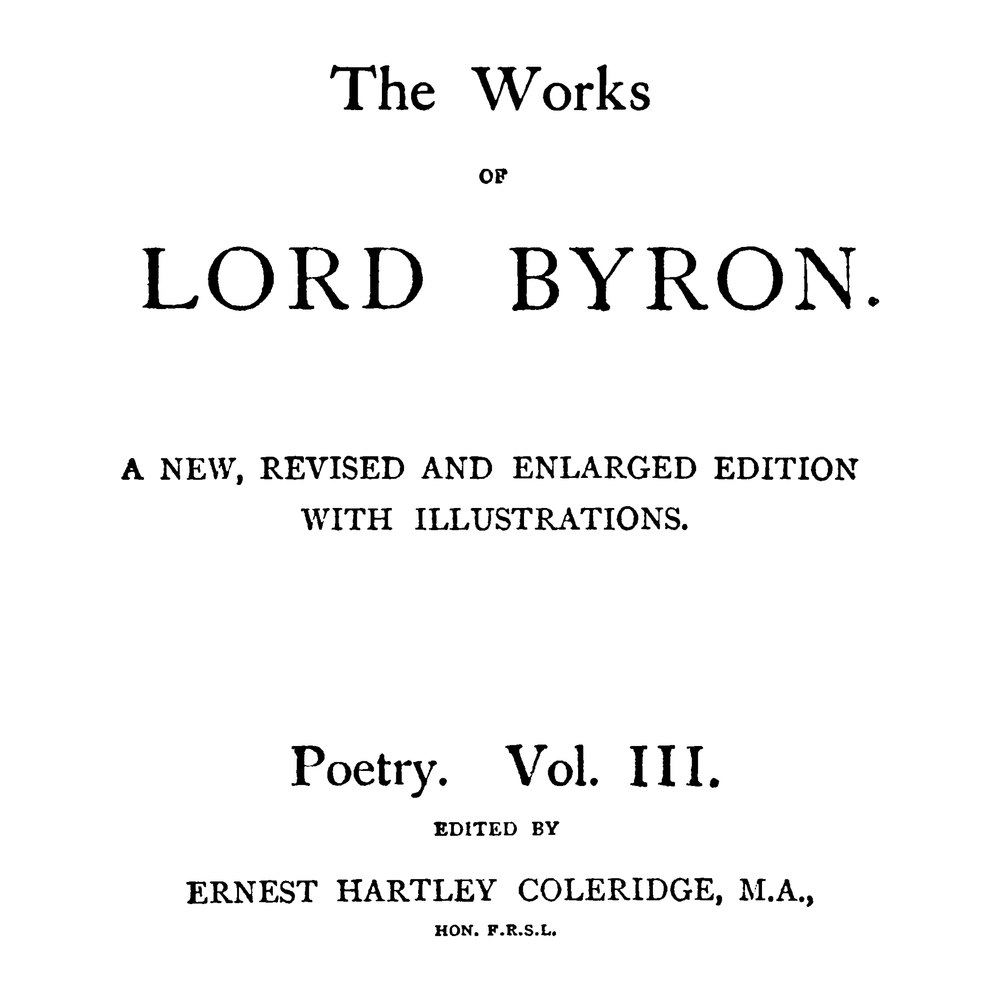
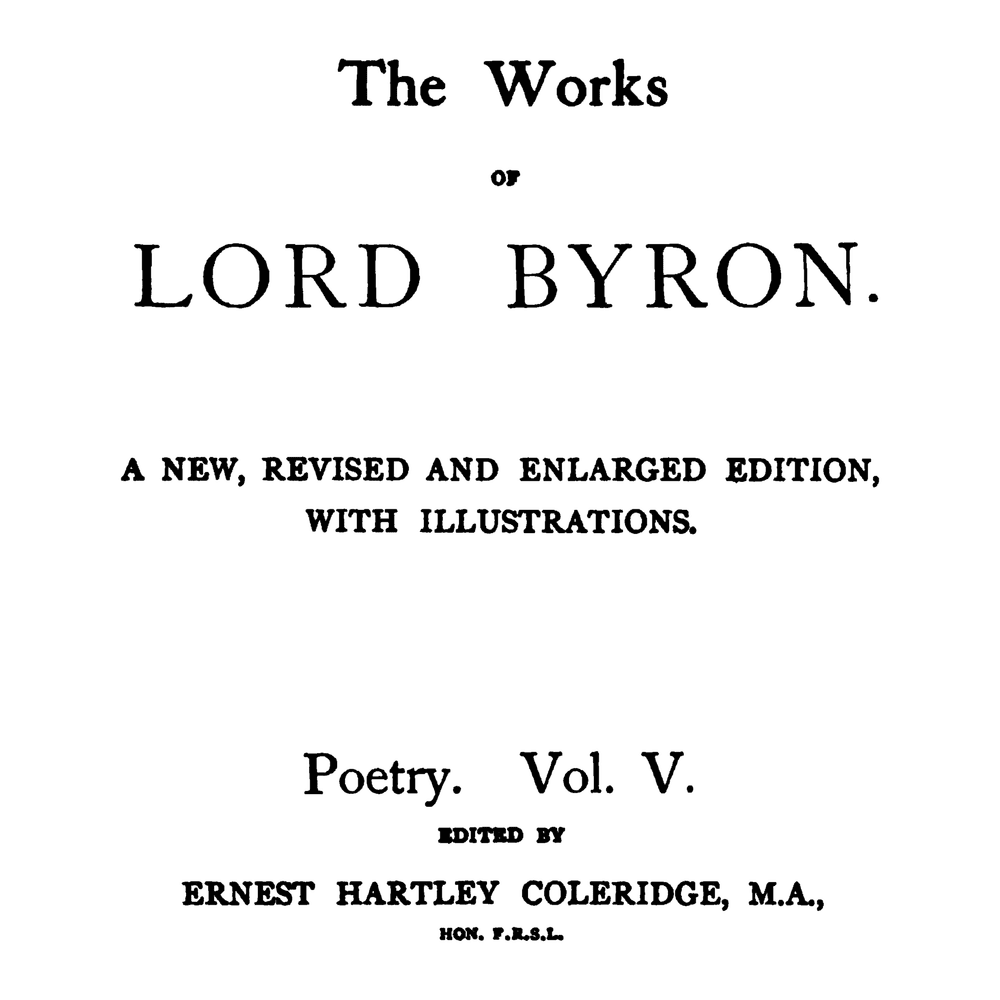
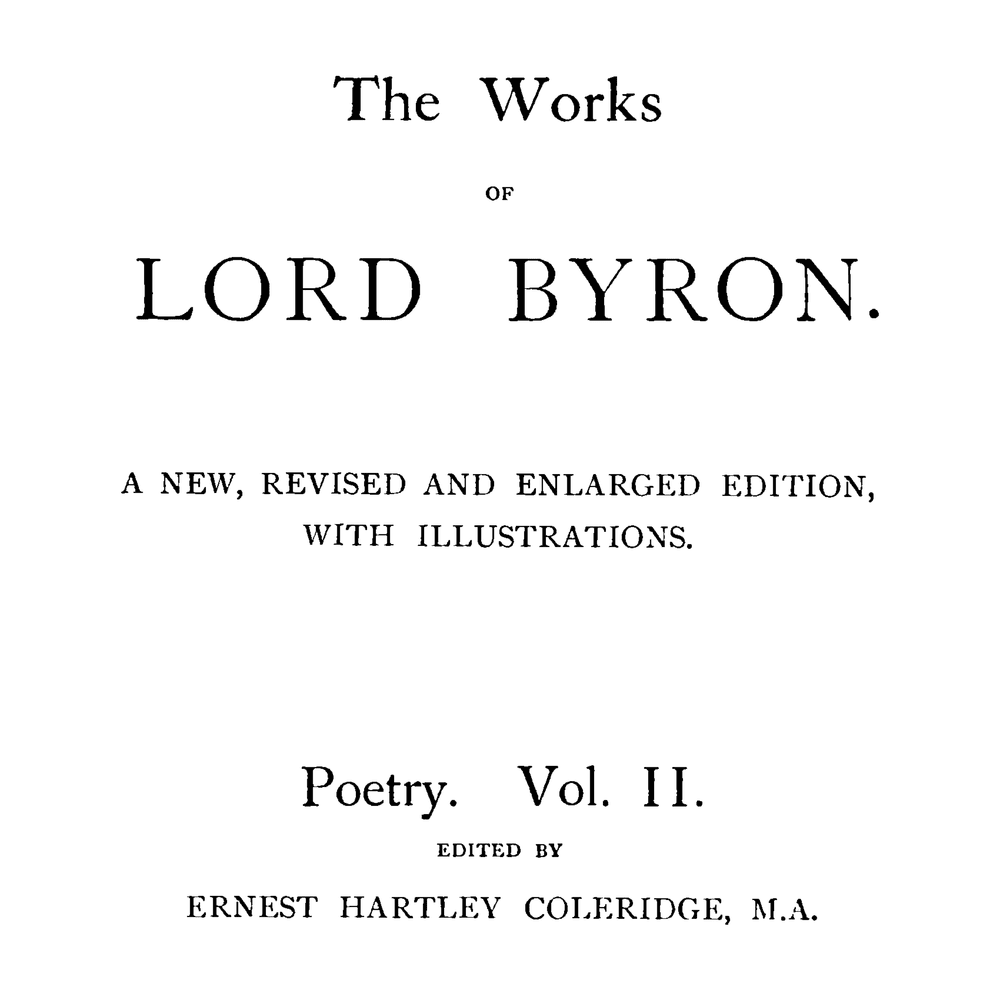
The Works of Lord Byron, Volume 1 and The Works of Lord Byron, Volume 2, along with The Works of Lord Byron, Volume 4 and The Works of Lord Byron, Volume 5, are essential collections for any serious Byron fan. They offer a comprehensive look at his poetic range and development, from early experiments to mature masterpieces. His exploration of existential themes is evident throughout Heaven and Earth. And let's not forget The Prophecy of Dante, showcasing his engagement with European literary traditions.
Finally, Sardanapalus offers a glimpse into Byron's dramatic works, exploring themes of power, decadence, and rebellion in an ancient setting. The poem challenges conventional morality.
Hit Songs & Signature Tracks
"Childe Harold's Pilgrimage" was his breakout hit. The poem's blend of travelogue and personal reflection struck a chord with readers. It was the 19th-century equivalent of a viral travel blog post. His raw emotion bled through every line.
Other key tracks include excerpts from his longer works. Cain: A Mystery (Act 1) and Cain: A Mystery (Act 2 Scene 2) display his dramatic flair and theological questioning. Sardanapalus (Act 1 Scene 1), Sardanapalus (Act 3), Sardanapalus (Act 4) and Sardanapalus (Act 5) showcase his talent for historical drama and his exploration of themes of power and excess. These works solidified his reputation as a literary innovator and cultural icon.
His shorter poems also packed a punch. To Ianthe is a tender expression of affection, while Childe Harold’s Good Night encapsulates the melancholy and disillusionment that characterized much of his work. The emotional depth of The Works of Lord Byron. Vol. 2 (To Inez) further illustrates his capacity for intimate and heartfelt verse. Childe Harold’s Pilgrimage (Canto 2) expanded the epic scope of his poetic vision, solidifying his status as a major literary figure.
Collaborations & Features
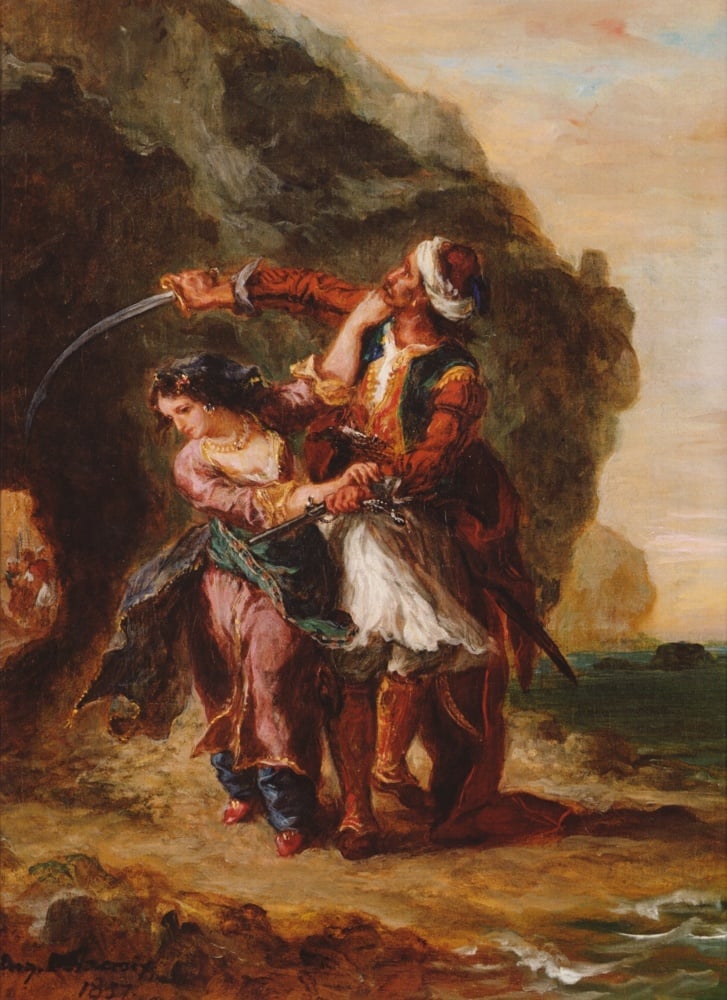
While Byron didn't exactly drop tracks with other artists in the modern sense, his work inspired countless composers, painters, and writers. His influence can be heard in the music of Berlioz and Schumann, seen in the paintings of Delacroix, and felt in the novels of Emily Brontë. Think of him as the ultimate sample source for Romanticism.
His relationships with fellow writers like Percy Bysshe Shelley and Mary Shelley were also creatively fertile. They bounced ideas off each other, challenged each other, and generally stirred up trouble together. Their collaborations, though not in the traditional sense, helped shape the Romantic movement.
Awards & Achievements
Okay, so they didn't have the Grammys back in Byron's day. But his achievements were still major. He was basically the king of the bestseller list. *Childe Harold's Pilgrimage* sold out instantly, making him a literary superstar overnight. He achieved international fame and influenced a generation of writers and artists.
Byron's impact extends beyond mere sales figures. He became a symbol of rebellion, individualism, and artistic freedom. His work challenged social norms and pushed the boundaries of what poetry could be. His cultural influence earned him a place in the pantheon of literary greats.
Personal Life
Byron's personal life was basically a never-ending soap opera. From scandalous affairs to rumors of incest, he lived life on the edge. His marriage to Annabella Milbanke was a disaster. It ended in a messy separation and fueled even more speculation about his private life. It's rumored he had affairs with numerous women (and possibly men).
He eventually left England and became involved in the Greek War of Independence, where he died of fever at the age of 36. His death cemented his status as a tragic hero and a symbol of romantic idealism. He was the main character personified.
Musical Style & Influence
Byron is considered a key figure in the Romantic movement. His work is characterized by intense emotion, individualism, and a fascination with nature and the exotic. He drew inspiration from classical literature, the Bible, and his own personal experiences. He in turn influenced countless writers, artists, and musicians.
His use of language was both elegant and accessible. He had a gift for creating memorable characters and dramatic scenes. His poems often explored themes of love, loss, guilt, and redemption. His influence can be seen in the works of later poets like Tennyson and Swinburne. His impact extends into modern rock and pop, with artists drawing inspiration from his themes of rebellion and angst.
Recent Work & What's Next
Since, you know, Byron's been dead for a while, he hasn't exactly been dropping new albums. However, his work continues to be reinterpreted and reimagined in new and exciting ways. Adaptations of his poems appear in films, TV shows, and video games, keeping his legacy alive for new generations. His influence isn't going anywhere. He's low-key immortal.
His works are constantly being adapted. His poems continue to resonate with modern audiences seeking emotional depth and intellectual stimulation. Keep an eye out for new interpretations of Byron's work in various media.