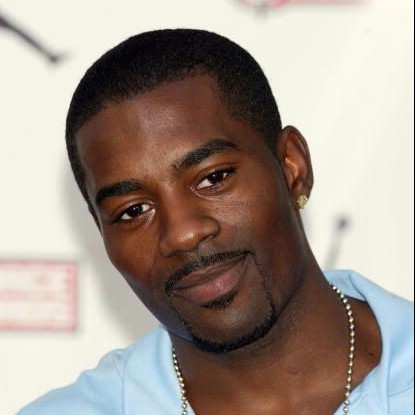
Photo of Loon

Loon

333.5K Listeners

Artist Bio

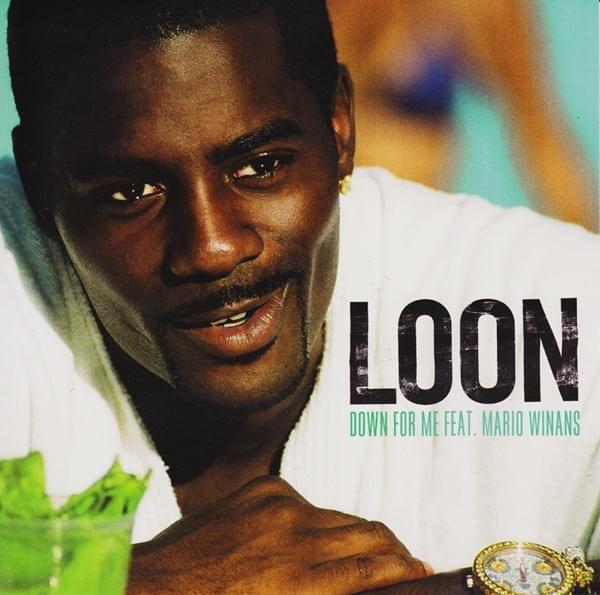
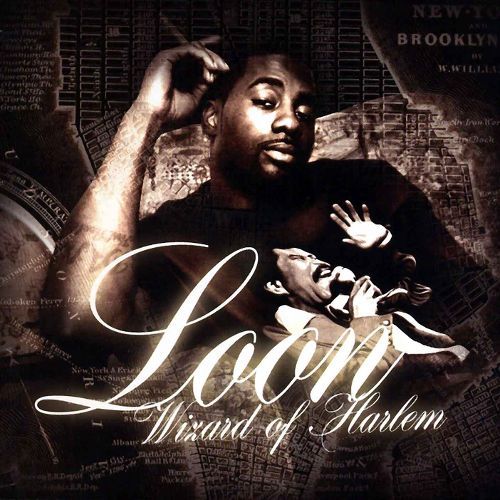
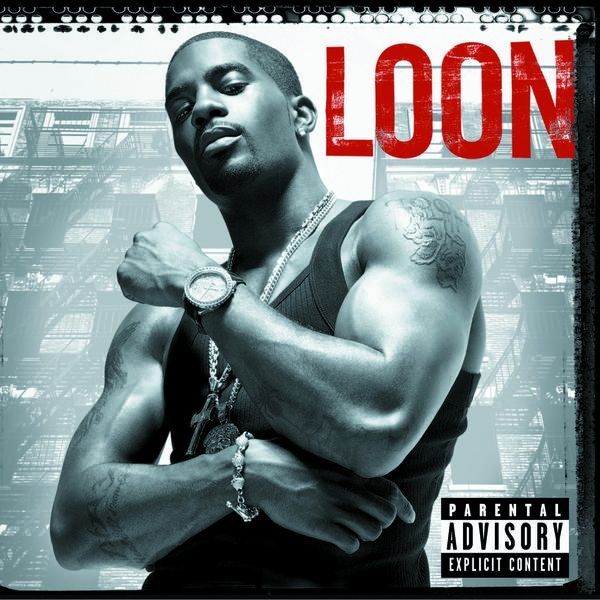
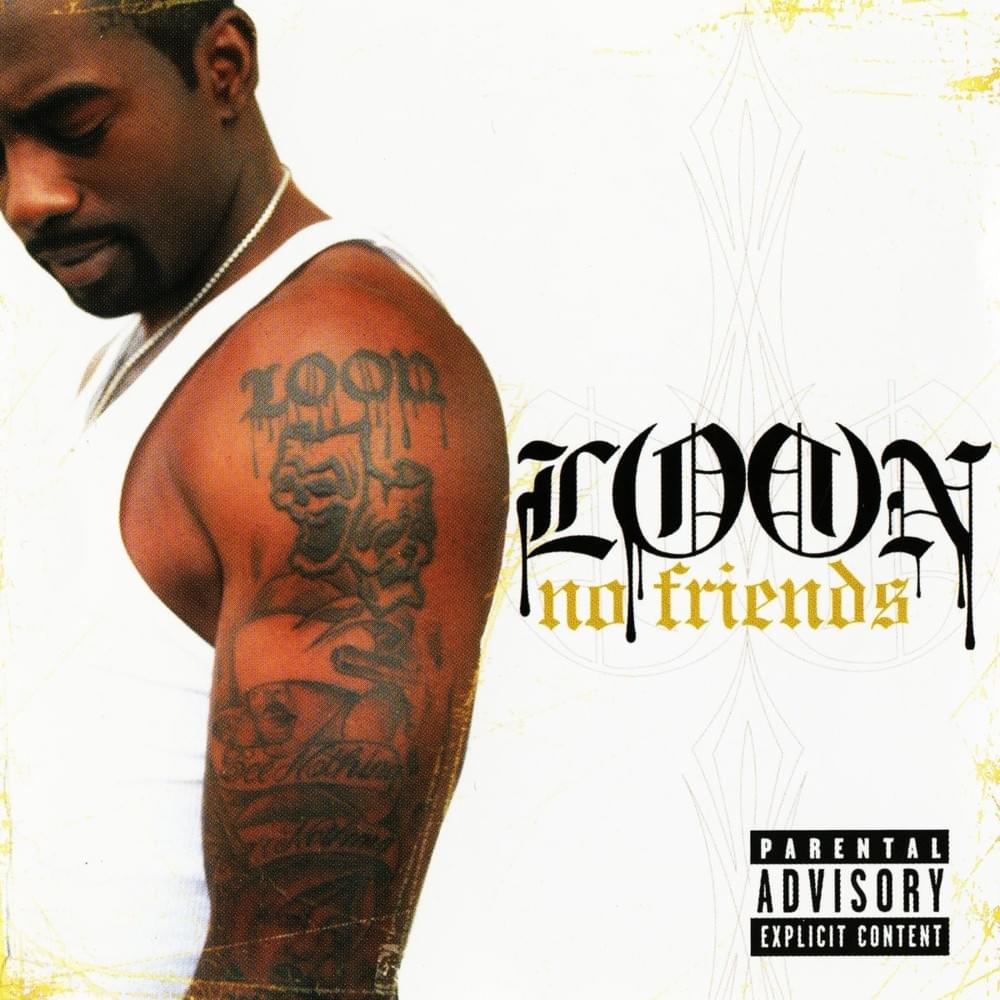
Loon: From Bad Boy Rapper to Spiritual Awakening Loon, formerly a rising star in the Bad Boy Records empire, had a journey that took him from the top of the charts to a life dedicated to faith. While his music career might seem like a chapter from the past, his story of transformation continues to resonate, demonstrating the power of personal evolution. His impact on early 2000s hip-hop remains undeniable, even as he walked away from the industry. He left a mark with hits and collaborations that defined an era. Though he's no longer creating music in the secular world, Loon's contributions to hip-hop culture are etched in the memories of fans who remember his lyrical prowess and charismatic presence. Introduction & Current Status Loon, born Chauncey Hawkins, was once poised to dominate the hip-hop scene. Signed to Bad Boy Records, his smooth delivery and streetwise charm quickly garnered attention. Today, he is known as Amir Junaid Muhadith, having converted to Islam and left the music industry behind. His story is one of profound change and spiritual seeking. While his music is no longer his primary focus, Loon's impact on early 2000s hip-hop remains a talking point. Many remember his collaborations and solo tracks fondly. His transition is a testament to the unpredictable nature of life and the different paths people choose. Even though he stepped away from the limelight, Loon's story continues to fascinate. He traded the stage for a life dedicated to his faith, a decision that speaks volumes about his personal values and priorities. It's a narrative that inspires conversation and reflection. Early Life & Background Born in Harlem, New York, Chauncey Hawkins was immersed in the sounds of the city from a young age. Growing up, he absorbed the rhythms and rhymes that would later shape his own musical style. Harlem's vibrant culture played a crucial role in his artistic development. Like many aspiring artists, Loon drew inspiration from his surroundings. The energy of Harlem, with its rich history and diverse voices, fueled his creativity. He honed his skills, crafting lyrics that reflected his experiences and observations. His early influences ranged from classic hip-hop artists to the soulful sounds that permeated the city's airwaves. These influences, combined with his own unique perspective, laid the foundation for his future success in the music industry. He spent countless hours perfecting his craft. Career Beginnings Loon's career took off when he signed with Bad Boy Records, joining the ranks of some of the biggest names in hip-hop. This was his major opportunity. Under the guidance of Sean "Diddy" Combs, he found himself thrust into the spotlight. His early recordings showcased his lyrical talent and his ability to connect with audiences. He quickly gained a reputation as a promising new voice in the rap world. He was on the path to stardom. Collaboration was key to his early success. Working alongside established artists, Loon honed his skills and expanded his reach. These early collaborations helped solidify his place in the industry and paved the way for his solo career. He was learning from the best. Major Albums & Discography Loon's self-titled album, Loon, marked a significant milestone in his career. Released under Bad Boy Records, it showcased his versatility and lyrical prowess. The album featured a mix of hard-hitting tracks and more introspective pieces. While Loon received mixed reviews, it solidified his presence in the hip-hop landscape. It allowed him to experiment with different sounds and themes, setting the stage for future projects. Many fans appreciated the album's raw energy and honesty. Other notable projects include No Friends, Loon I’M Serious, Wizard of Harlem, and How You Want That (Remixes). These releases further demonstrated his range as an artist and his commitment to pushing creative boundaries. He was constantly evolving his sound. Hit Songs & Signature Tracks Loon's catalog includes several tracks that resonated with audiences and cemented his place in hip-hop history. Things You Do became a fan favorite, showcasing his smooth flow and relatable lyrics. The song's popularity helped to elevate his profile. Down For Me also garnered significant attention, further solidifying his reputation as a hitmaker. The track's catchy hook and infectious beat made it a staple on radio stations and mixtapes. It was a defining moment in his career. Other key tracks include Don’t Wanna Die, Relax Your Mind, Skit 1, This Ain’t Funny, Like A Movie, How You Want That (West Coast Remix), Can’t Talk to Her, and Story. Each of these songs contributed to his overall success and showcased his unique artistic vision. They are all important parts of his story. Collaborations & Features Loon collaborated with a variety of artists throughout his career, expanding his reach and showcasing his versatility. These collaborations exposed him to new audiences and helped him to hone his skills. He was always open to working with other talented musicians. His work with P. Diddy and other Bad Boy artists was particularly noteworthy. These collaborations helped to solidify his place in the hip-hop world and exposed him to a wider audience. He learned a great deal from these experiences. Beyond Bad Boy, Loon also collaborated with artists from different genres, demonstrating his willingness to experiment and push boundaries. These cross-genre collaborations broadened his appeal and showcased his adaptability. He was not afraid to take risks. Awards & Achievements While Loon's career was relatively short-lived, he achieved a number of significant milestones. His songs charted on Billboard, and he gained recognition within the hip-hop community. These achievements were a testament to his talent and hard work. His contributions to the Bad Boy sound were also notable. He helped to shape the sound of the label during his time there, leaving a lasting impact on its legacy. He was a key player in the Bad Boy movement. Although he didn't receive major awards, his impact on the music industry is undeniable. His music continues to be enjoyed by fans around the world, and his story serves as an inspiration to many. He left a lasting impression. Personal Life Loon's personal life took a dramatic turn when he converted to Islam and changed his name to Amir Junaid Muhadith. This decision marked a significant shift in his priorities and values. He dedicated his life to his faith. After his conversion, he stepped away from the music industry and devoted himself to religious studies and community service. This decision reflected his commitment to his new path and his desire to make a positive impact on the world. He found peace and purpose in his faith. Musical Style & Influence Loon's musical style was characterized by his smooth flow, introspective lyrics, and ability to blend streetwise themes with a touch of sophistication. He drew inspiration from a variety of sources, creating a unique sound that resonated with audiences. He was influenced by classic hip-hop artists, as well as by the soulful sounds of his Harlem upbringing. These influences shaped his artistic vision and helped him to develop his own distinctive style. He was a true original. While his career was relatively brief, Loon's influence can still be heard in the work of many contemporary artists. His music continues to inspire and entertain, and his story serves as a reminder of the power of personal transformation. He left a lasting legacy. Recent Work & What's Next Loon is no longer actively involved in the music industry, having dedicated his life to his faith and community service. His focus is now on spiritual growth and making a positive impact on the world. While new music from Loon is unlikely, his existing catalog continues to be enjoyed by fans around the world. His story remains a source of inspiration and reflection for many.

Popular Albums

Popular Songs

Reviews

Comments

Questions & Answers

Music Awards

0 Total

No Music Awards Found