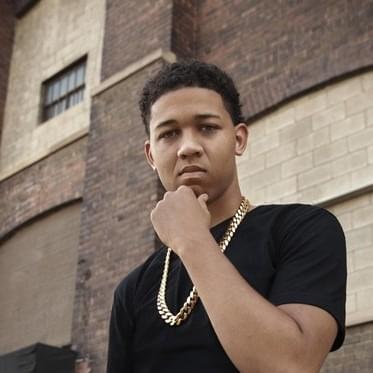
Photo of Lil Bibby

Lil Bibby

77K Listeners

Artist Bio

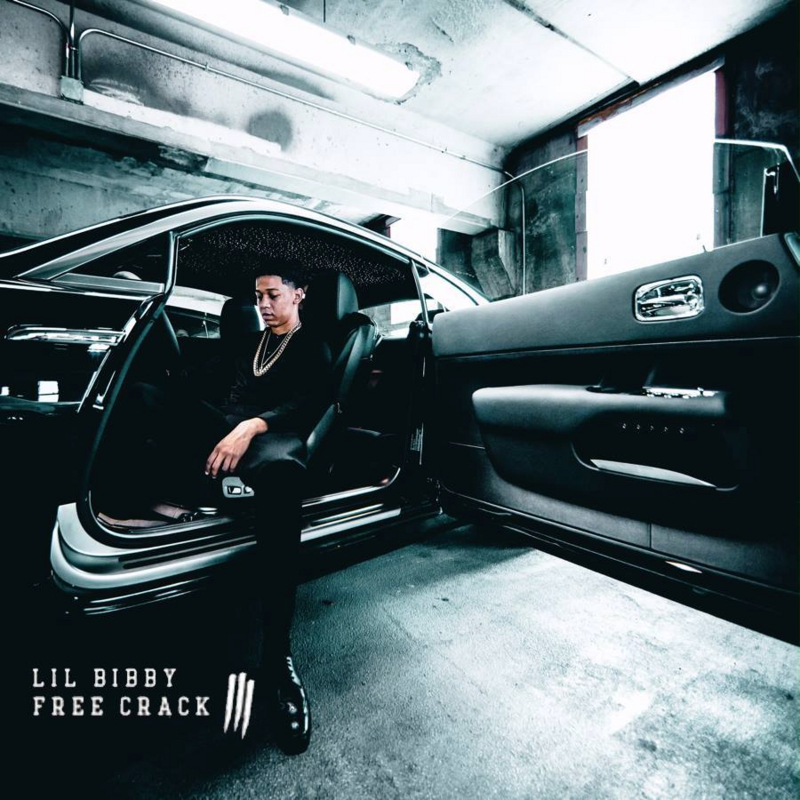
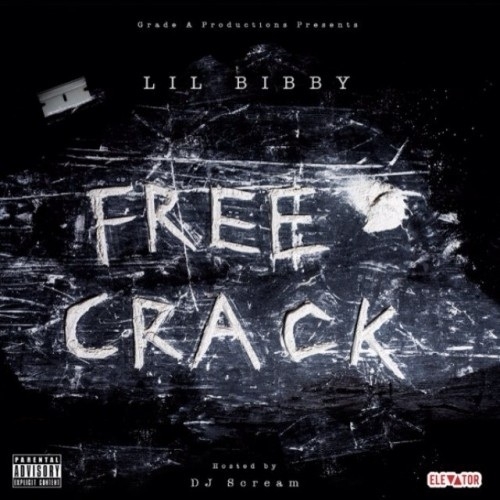
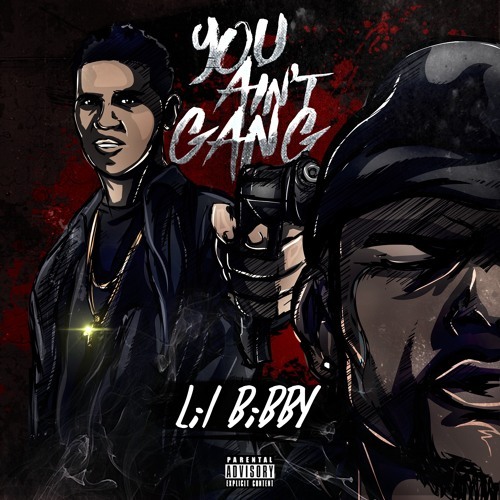
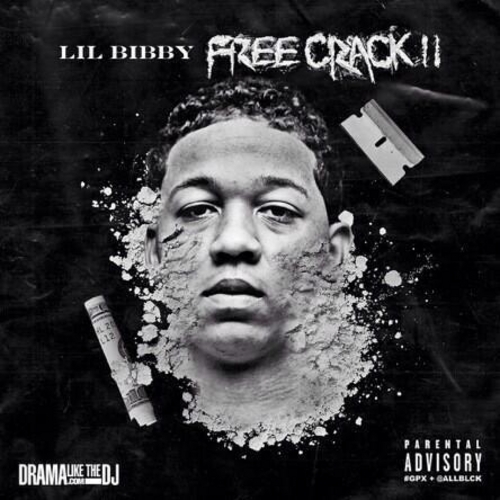
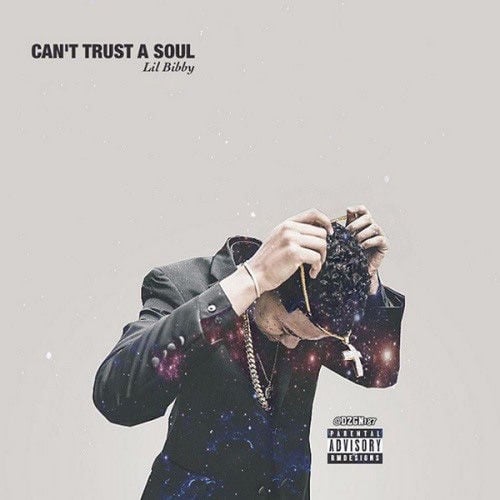
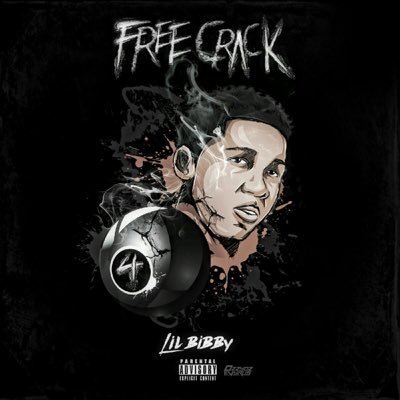
Lil Bibby: From Drill King to Industry Mogul, Still Cracking the Code Introduction & Current Status Forget the rap game for a sec; Lil Bibby isn't just playing it, he's basically bought the whole board and redesigned the rules. While many remember him as a formidable voice from Chicago's drill scene, his current status is less about dropping bars and more about dropping groundbreaking talent onto the global stage. He's the silent architect behind some of Gen Z's biggest anthems, proving that the real power move often happens behind the scenes. Today, Bibby commands Grade A Productions, the label that introduced the world to the late, great Juice WRLD and global phenom The Kid LAROI. This isn't just a career pivot; it's a full-blown glow-up, transforming a street-certified rapper into an industry executive with an uncanny ear for what's next. It’s main character energy, but for the entire music ecosystem. His journey from the mic to the boardroom solidifies his legend, not just as an artist, but as a tastemaker with an undeniable Midas touch. He's living proof that sometimes, the biggest impact comes when you empower others to find their own lane, while still holding down your own iconic legacy. Early Life & Background Born Brandon George Dickinson Jr. on Chicago's gritty East Side, Lil Bibby's early life was a masterclass in resilience. Growing up in one of the city's most challenging neighborhoods, the streets weren't just a backdrop for his rhymes; they were his classroom, shaping a perspective that would later define his raw, unfiltered artistry. This wasn't a curated image; it was simply life. His childhood was steeped in the realities of urban struggle, fostering a keen observational eye and a voice that instinctively understood the nuances of survival. While formal music lessons weren't on the agenda, the rhythms of his environment and the stories shared amongst his peers became his earliest, most profound inspirations. Every block held a narrative waiting to be told. It was this authentic connection to his roots that gave his early music its undeniable weight. He wasn't just rapping about a lifestyle; he was narrating his existence, drawing listeners into a world rarely seen beyond the headlines. This foundation of lived experience proved to be an invaluable asset, setting him apart in a crowded landscape. Career Beginnings Bibby first hit the scene in the early 2010s, a pivotal moment when Chicago drill was exploding, demanding attention with its stark realism and aggressive beats. He emerged alongside contemporaries like Lil Herb (G Herbo), quickly carving out his own lane with a distinctive deep voice and unflinching lyrical honesty. It was a cultural moment, and Bibby was right in the thick of it. His breakthrough arrived with the critically acclaimed 2013 mixtape, Free Crack. This project wasn't just a collection of songs; it was a manifesto, immediately establishing him as a voice that commanded respect. Tracks like EBT to BET became instant fan favorites, showcasing his narrative prowess and street wisdom, hinting at the bigger aspirations to come. Key figures like DJ L and other Chicago producers helped sculpt his early sound, giving his raw talent a polished edge that resonated far beyond the city limits. His relentless grind and commitment to his craft, even amidst early struggles, solidified his position as a rising star, proving he wasn't just a flash in the pan but a formidable force here to stay. He was building a movement, brick by lyrical brick. Major Albums & Discography Lil Bibby’s discography, though compact on the album front, is heavy on impact, primarily driven by his legendary "Free Crack" mixtape series. Each installment served as a timestamp for his artistic evolution and a crucial document of the drill movement. The original Free Crack dropped in 2013, a raw, unfiltered introduction that immediately put him on the map, earning critical praise for its gritty authenticity and Bibby's commanding delivery. He followed up with Free Crack II in 2014, a project that saw him expanding his sonic palette while retaining his signature intensity. This mixtape featured collaborations that hinted at his growing industry reach, cementing his status as a formidable force. Tracks like Can’t Trust a Soul showed his lyrical depth and continued narrative focus. 2015 brought Free Crack III, often cited as a fan favorite for its refined sound and Bibby’s continued growth as a storyteller. This project included standout tracks like Aww Man, which showcased his ability to craft memorable hooks without sacrificing his street bona fides. The journey didn't stop there; 2016 saw the release of FC3 the Epilogue, offering a deeper dive into the themes explored in the main series, featuring tracks that resonated with his loyal fanbase. Later that year, he dropped Big Buckz, a project that continued to showcase his consistent flow and street-savvy lyrics. The series culminated with Free Crack 4 in 2017, marking a period where Bibby began to hint at his transition away from full-time rapping, though still delivering the hard-hitting bars fans expected. Each release in his discography is a testament to his unflinching artistry and his journey through the evolving landscape of hip-hop. Hit Songs & Signature Tracks Lil Bibby's catalog is packed with tracks that hit different, showcasing his knack for turning street narratives into compelling anthems. From the jump, EBT to BET became an early signature, a poignant reflection on aspiration that resonated deeply with his audience. It wasn't just a song; it was a statement of intent, proving he was destined for bigger things than his beginnings. Then there's Aww Man, a track that perfectly encapsulates his melodic yet rugged style, becoming a fan favorite for its catchy hook and relatable lyrics. This song demonstrated his versatility, proving he could craft bangers that stuck in your head long after the beat dropped. It’s got that low-key iconic status among his day-one supporters. Tracks like You Ain’t Gang further solidified his reputation for authentic street narratives, offering an unvarnished look at loyalty and betrayal. His ability to convey complex emotions through stark, direct language made these tracks more than just rap songs; they were cultural touchstones for a generation coming of age in challenging environments. The authenticity slaps, no cap. Other notable bangers that left their mark include Sleeping on the Floor, a raw exploration of his grind, and Ridah, which showcased his lyrical dexterity over hard-hitting production. Don't sleep on Came From Nothing, Can’t Trust a Soul, Don’t Play With Me, Get It Out The Trenches, or John Snow – each track contributes to the rich tapestry of his artistic output, proving his consistency and undeniable talent as a rapper before he took his executive leap. Collaborations & Features Lil Bibby was never one to shy away from sharing the mic, and his collaboration history is a testament to his respect within the industry. Early on, his synergy with fellow Chicago drill pioneer Lil Herb (G Herbo) was undeniable, with the two often appearing on each other's tracks, cementing their status as a formidable duo representing their city's sound. As his star rose, so did the caliber of his collaborators. He linked up with a diverse range of artists, from mainstream heavyweights to underground gems, showcasing his versatility and appeal across different subgenres. These features weren't just guest spots; they were strategic moves that expanded his reach and demonstrated his ability to hold his own alongside any artist. While he might be more known for making other artists famous these days, Bibby's own features and collaborative efforts played a crucial role in his development, allowing him to experiment with different flows and lyrical approaches. These moments were pivotal in shaping the artist he became, before he transitioned into the executive role where he now facilitates collaborations for others. Awards & Achievements While Lil Bibby’s trophy case might not be overflowing with traditional artist awards, his greatest achievements have transcended plaques and chart positions. His real wins are measured in the careers he’s launched and the cultural shifts he’s orchestrated. The "Free Crack" series, though mixtapes, garnered immense critical acclaim, earning him respect as one of drill's most authentic voices. His transition from rapper to executive with Grade A Productions marks his most significant achievement. Discovering and signing Juice WRLD, who went on to become a global phenomenon, and The Kid LAROI, who achieved similar meteoric success, is a feat few artists-turned-execs can claim. This visionary move cemented his legacy not just as a hitmaker, but as a star-maker. These executive triumphs, leading to billions of streams and countless awards for his signed artists, speak louder than any individual artist award he might have pursued. Bibby reshaped the landscape of emo-rap and pop-punk fusion, proving his influence extends far beyond the confines of his own discography. He broke the mold, then helped others smash through it too. Personal Life Lil Bibby generally keeps his personal life low-key, preferring to let his business moves and artistic endeavors speak for themselves. What is publicly known, however, paints a picture of a focused and driven individual who transformed personal challenges into professional triumphs. His journey from the streets of Chicago to a prominent figure in the music industry is a narrative of ambition and strategic thinking. Beyond the music, Bibby has often spoken about the importance of education and giving back to his community, understanding the impact of positive role models. While not always in the public eye for philanthropy, his efforts to empower young artists through his label are a testament to his commitment to creating opportunities for the next generation. It's a full-circle moment, really. Musical Style & Influence Lil Bibby's musical style is quintessential Chicago drill, characterized by a deep, resonant voice, unflinching lyrical realism, and a delivery that feels both conversational and commanding. He painted vivid pictures of street life, not with glorification, but with a raw, almost journalistic honesty that resonated deeply with listeners. His flow was distinctive, often a steady, deliberate cadence that allowed his potent words to sink in. He drew influence from the gritty narratives of classic street rap, blending it with the burgeoning, aggressive sound of early 2010s drill. Bibby’s influence, in turn, can be heard in a generation of rappers who prioritize authenticity and a no-holds-barred approach to storytelling. He helped normalize a certain kind of vulnerability within toughness, pushing the genre forward. His legacy also extends beyond his rapping. As an executive, his discerning ear for talent, particularly artists like Juice WRLD who blended rap with melodic emo influences, fundamentally shaped the sound of a new era. Bibby's vision helped bridge the gap between street rap and melodic youth culture, proving his impact is both sonic and cultural, influencing both artists on the mic and the executives behind the desk. Recent Work & What's Next While fans might occasionally reminisce about new Lil Bibby verses, his recent work has largely been focused on his role as CEO of Grade A Productions, where he continues to scout and develop talent. He’s the guy making the calls, shaping the sound of tomorrow, and ensuring his artists have the platform to truly blow up. He's moved from being the artist to being the architect of artistic empires. His focus remains squarely on expanding Grade A’s roster and impact, building on the phenomenal success of Juice WRLD and The Kid LAROI. While new music from Bibby himself isn't currently the main event, his influence is felt in every new release from his label. He's playing the long game, and frankly, he's winning. Expect Bibby to continue operating as a behind-the-scenes powerhouse, occasionally dropping gems of wisdom or a rare feature, but primarily dedicating his energy to cultivating the next wave of global superstars. He's proven that true impact isn't always about being in the spotlight, but about having the vision to light up the whole damn stage for others.

Popular Albums

Popular Songs

Reviews

Comments

Questions & Answers

Music Awards