Introduction & Current Status
Léo Delibes might not be a name you see trending on Twitter, but trust, his music is low-key everywhere. This 19th-century French composer is the unsung hero behind some of the most iconic ballet scores ever written. Think of him as the ultimate sample source for your favorite chillwave tracks, even if you don't realize it. His influence is still felt across film scores and contemporary music.
While Delibes isn't dropping new albums, his compositions are constantly being reinterpreted, sampled, and performed. Orchestras worldwide still slay his ballets, and his melodies continue to pop up in unexpected places. He's basically the musical equivalent of a vintage designer bag – timeless and always in style. So, let's dive into the world of this OG soundtrack king.
Early Life & Background
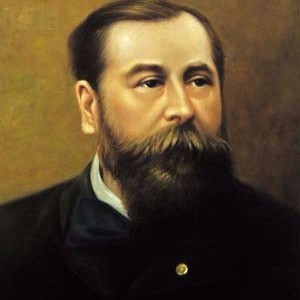
Clément Philibert Léo Delibes entered the world in Saint-Germain-du-Val, France, in 1836. Music was basically in his DNA. His grandfather was an opera singer, and his uncle was an organist. Talk about a stacked family tree. Little Léo started soaking up musical knowledge from a young age.
Delibes enrolled at the Paris Conservatoire, where he studied with some serious heavyweights of the time. He honed his skills in composition, organ, and singing. This formal training laid the groundwork for his future success. Imagine young Léo practicing scales while plotting his takeover of the ballet world – main character energy, for sure.
Career Beginnings
Delibes started his career as an accompanist and church organist. It wasn't exactly the rockstar life, but it paid the bills. He gradually moved into composing lighter fare like operettas, which were basically the pop music of the 19th century. Think catchy tunes and dramatic storylines. These early works helped him develop his signature style and get his name out there.
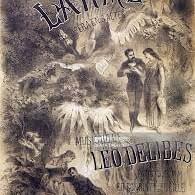
His big break came when he started composing for the ballet. He landed a gig as the second composer at the Paris Opera, which was a major flex. His first ballet, "La Source" (1866), was a collaboration with Ludwig Minkus. While it wasn't a solo effort, it showcased his talent for creating evocative and danceable music.
Major Albums & Discography
While Delibes didn't drop albums in the modern sense, his ballet scores functioned as complete musical works. His most famous are "Coppélia" (1870) and "Sylvia" (1876). These weren't just background music; they were integral to the storytelling and emotional impact of the ballets.
"Coppélia", in particular, was a game-changer. Its innovative orchestration and memorable melodies made it an instant hit. Critics praised Delibes for his ability to capture the spirit of the story and create music that was both beautiful and exciting. The score is pure ear candy.
"Sylvia" further cemented Delibes' reputation as a master of ballet music. The score is even more ambitious than "Coppélia", showcasing his growing confidence and skill. The pizzicato movement in "Sylvia" is legendary. It's been ripped off countless times. He might as well have trademarked it.
Hit Songs & Signature Tracks
Delibes didn't exactly have "hit singles" in the way we think of them now, but certain sections of his ballets became wildly popular. The "Valse Lente" from "Coppélia" is a total banger. It's romantic, graceful, and instantly recognizable. It's the kind of tune that gets stuck in your head for days. If TikTok existed back then, this would be trending for sure.
Another iconic track is the "Pizzicati" from "Sylvia." This movement features a playful, staccato melody played entirely on plucked strings. It's so catchy and unique. It's the perfect soundtrack for skipping through a meadow or plotting a mischievous scheme. This is a prime example of Delibes' ability to create music that is both sophisticated and accessible.
Also, the "Pas de deux" from Sylvia is considered the masterpiece of Delibes. It's the perfect mix of grace and love, making it a popular choice for weddings and romantic scenes in movies. Delibes created a timeless classic with this song.
Collaborations & Features
While Delibes primarily worked solo, his ballets often involved collaborations with choreographers and dancers. He worked closely with Arthur Saint-Léon, the choreographer of "Coppélia," to ensure that the music and dance were perfectly aligned. These collaborations were crucial to the success of his ballets.
His influence extends to later composers who drew inspiration from his innovative orchestration and melodic style. Tchaikovsky, for example, admired Delibes' work and incorporated similar techniques into his own ballets, such as "Swan Lake" and "The Nutcracker." He was a blueprint for future composers.
Awards & Achievements
Delibes was inducted into the French Académie des Beaux-Arts in 1884. It's like winning a lifetime achievement award for being a musical genius. He also received the Legion of Honour, one of France's highest honors. Basically, he was a big deal.
His ballets continue to be performed and celebrated worldwide. "Coppélia" and "Sylvia" are staples of the ballet repertoire, showcasing his enduring appeal. The impact on the entire ballet world is undeniable. He set the bar high.
Personal Life
Delibes married Léontine Estelle Denain in 1871. While he was known for his music, he kept his personal life relatively private. He focused on his work and dedicated his time to composing and teaching. No scandals or messy drama here, just pure musical dedication.
He taught composition at the Paris Conservatoire later in his career. He passed on his knowledge and passion to the next generation of musicians. Talk about a legacy move.
Musical Style & Influence
Delibes' music is characterized by its melodic charm, colorful orchestration, and dramatic flair. He blended classical techniques with elements of popular music, creating a style that was both sophisticated and accessible. His scores are full of memorable tunes and inventive harmonies.
He influenced countless composers with his innovative approach to ballet music. His emphasis on character development and storytelling through music paved the way for later ballet scores. His emphasis on melody and making it accessible is what makes him so unique.
His legacy extends beyond the world of classical music. His melodies have been sampled and reinterpreted in various genres, from film scores to electronic music. He's basically the ultimate source material for anyone looking to add a touch of elegance and sophistication to their work. He's the reason your favorite music sounds so good.
Recent Work & What's Next
While Léo Delibes passed away in 1891, his music continues to live on. His ballets are constantly being revived and reinterpreted, ensuring that his legacy endures. Orchestras and ballet companies around the world continue to perform his works, introducing new audiences to his timeless music.
Expect to hear Delibes' influence in unexpected places. His melodies will continue to pop up in film scores, commercials, and even your favorite chillwave tracks. He's the gift that keeps on giving. He's not just a composer; he's a vibe.