Introduction & Current Status
KMD, originally known as Kane Money Dope, remains a pivotal yet polarizing force in hip-hop history. Though their journey was cut short by controversy and tragedy, their impact on socially conscious rap and alternative hip-hop is undeniable. The group's legacy continues to be debated and re-evaluated, with their unreleased material surfacing and influencing new generations of artists. KMD's story is a reminder of the power of music to provoke thought and challenge norms, even when facing intense backlash.
While KMD isn't actively releasing new music today, their discography remains a touchstone for fans of underground hip-hop. The group's willingness to tackle taboo subjects and experiment with unconventional sounds cemented their place in the history of the genre. Their influence can be heard in the work of countless artists who followed in their footsteps, pushing the boundaries of what hip-hop could be.
KMD's story is a complex one, marked by both creative brilliance and unfortunate circumstances. However, their music continues to resonate with those who appreciate its raw honesty and unflinching social commentary. The group's legacy serves as a reminder of the importance of artistic freedom and the power of music to spark dialogue and inspire change.
Early Life & Background
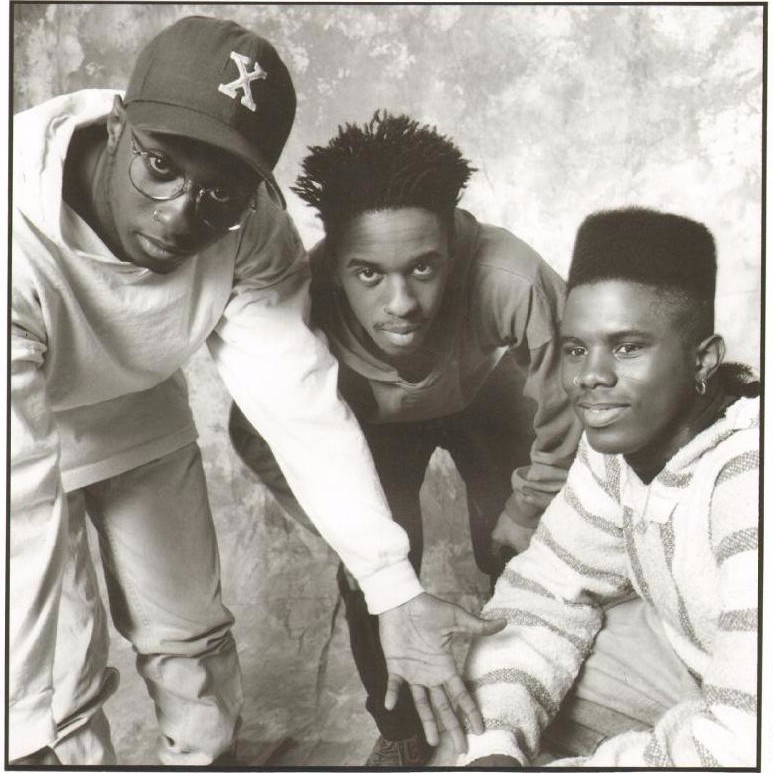
KMD's story begins with brothers Zev Love X (later known as MF DOOM) and Subroc, born Dumile, in Long Beach, New York. Their upbringing was steeped in the burgeoning hip-hop culture of the late 80s. The brothers, along with Onyx the Birthstone Kid, formed KMD. Their early environment profoundly shaped their worldview and musical aspirations.
Growing up in a vibrant and politically charged atmosphere, the Dumile brothers were exposed to a wide range of musical influences. From classic hip-hop to jazz and soul, their ears were open to the diverse sounds that permeated their community. This eclectic musical education would later inform KMD's unique and experimental sound, setting them apart from their contemporaries.
The group's name, initially Kane Money Dope, reflected the era's fascination with street culture. However, as they matured, the group shifted towards a more socially conscious message. This evolution reflected their growing awareness of the issues facing their community and their desire to use their music as a platform for change.
Career Beginnings
KMD's journey into the music industry began with a chance encounter with 3rd Bass, who were impressed by Zev Love X's lyrical skills. This connection led to KMD's first major opportunity, a guest appearance on 3rd Bass's track "The Gas Face." This appearance put KMD on the map and helped them gain a following.
Following the success of "The Gas Face," KMD signed a record deal with Elektra Records. This marked a significant turning point in their career, providing them with the resources and platform to reach a wider audience. They quickly began working on their debut album, eager to share their unique vision with the world.
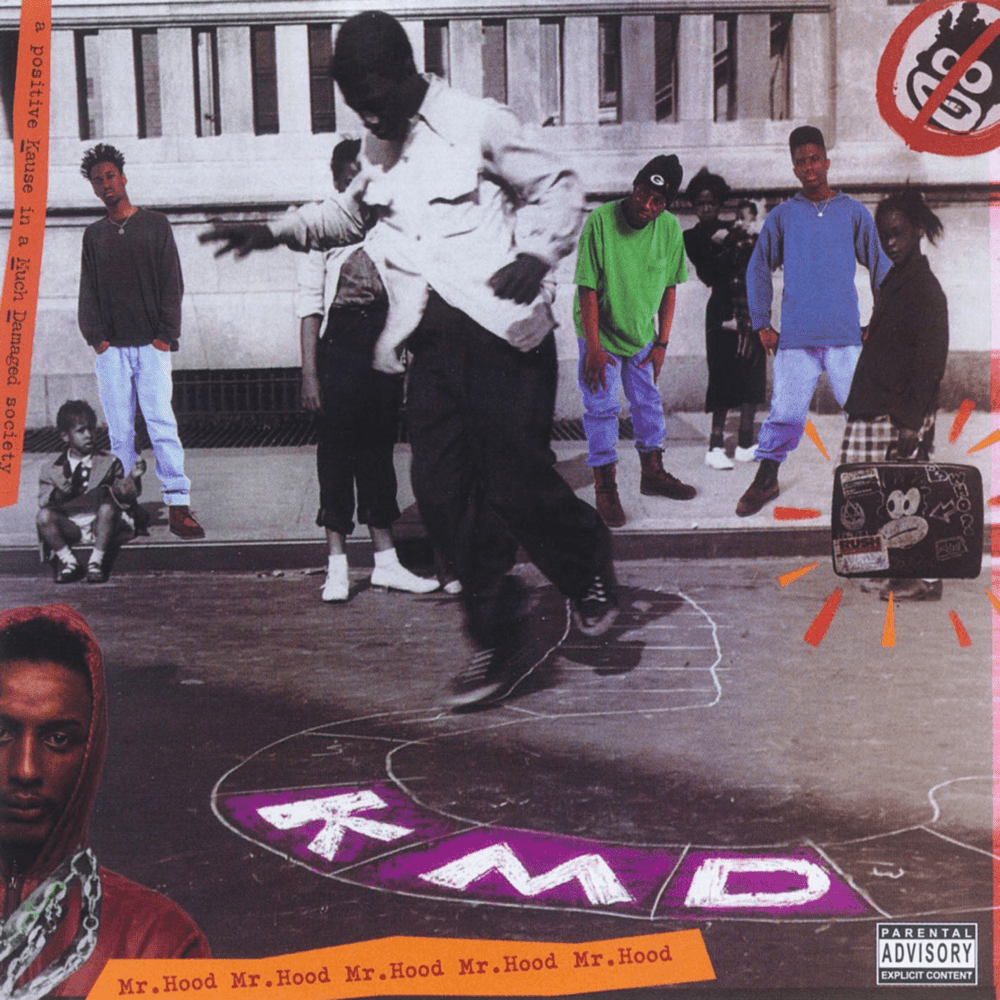
Their debut album, Mr. Hood, was released in 1991. It introduced the world to their playful, cartoonish style and socially conscious lyrics. While not an immediate commercial success, the album gained a cult following and established KMD as a group to watch in the burgeoning alternative hip-hop scene.
Major Albums & Discography
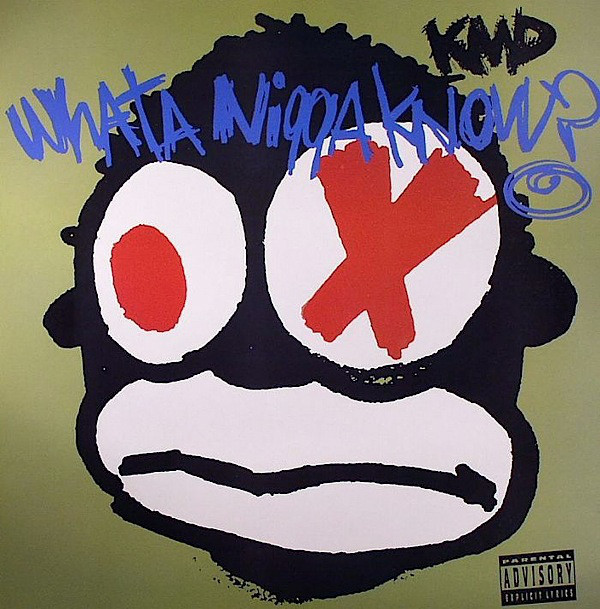
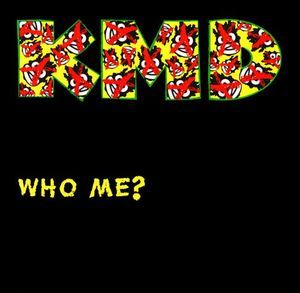
Mr. Hood, KMD's debut, dropped in 1991. It showcased their quirky, playful style. Tracks like Mr. Hood At Piocallee Jewelry / Crackpot and Who Me? (With an Answer from Dr. Bert) established their signature sound: cartoon samples blended with socially conscious rhymes. The album cover, featuring a caricature of a Sambo figure, sparked controversy even then.
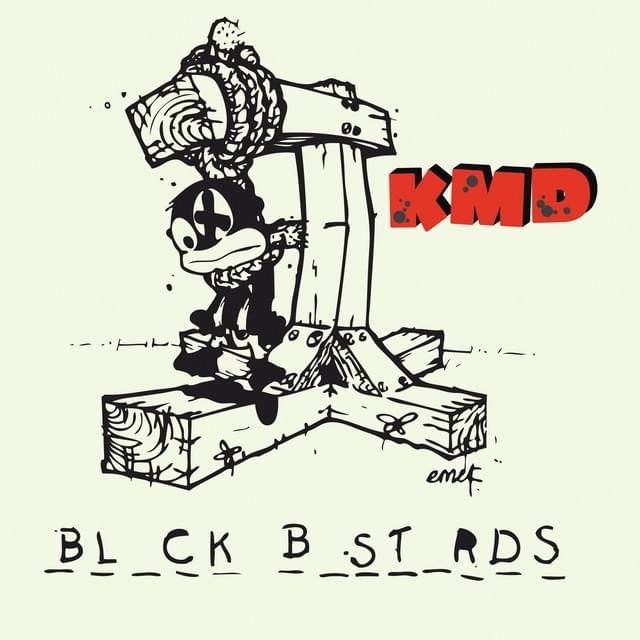
Their second album, BL_CK B_ST_RDS, was a stark departure. Darker, more mature, and politically charged, the album was shelved by Elektra Records due to its controversial content and cover art. The album leaked and gained underground acclaim for its unflinching look at racism and social issues. It wasn't officially released until years later.
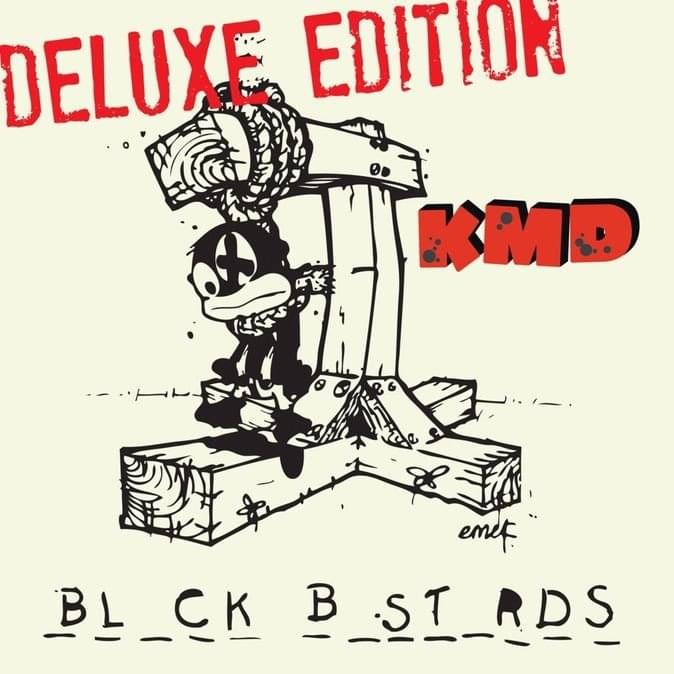
Over the years, several posthumous KMD releases have surfaced. These include BL_CK B_ST_RDS (Deluxe Edition), which added bonus tracks and remixes to the original album. Compilations like The Best of KMD and Black Bastards Ruffs + Rares offered fans a deeper dive into their discography, showcasing unreleased tracks and alternate versions.
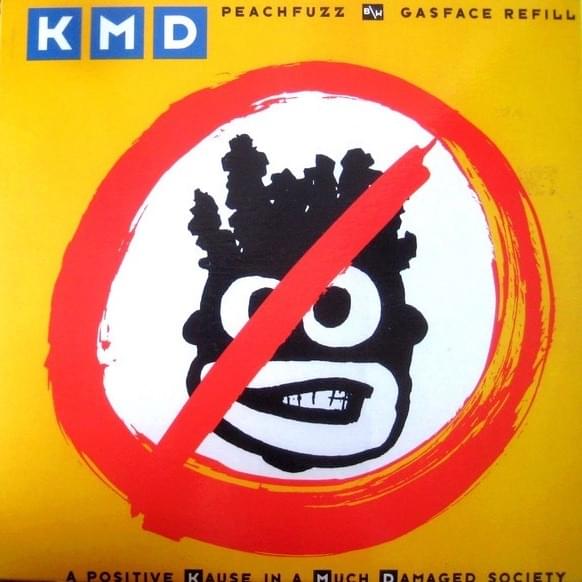
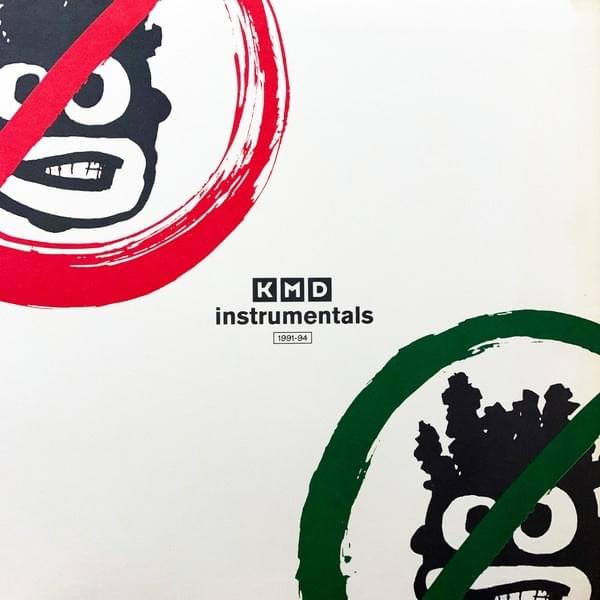
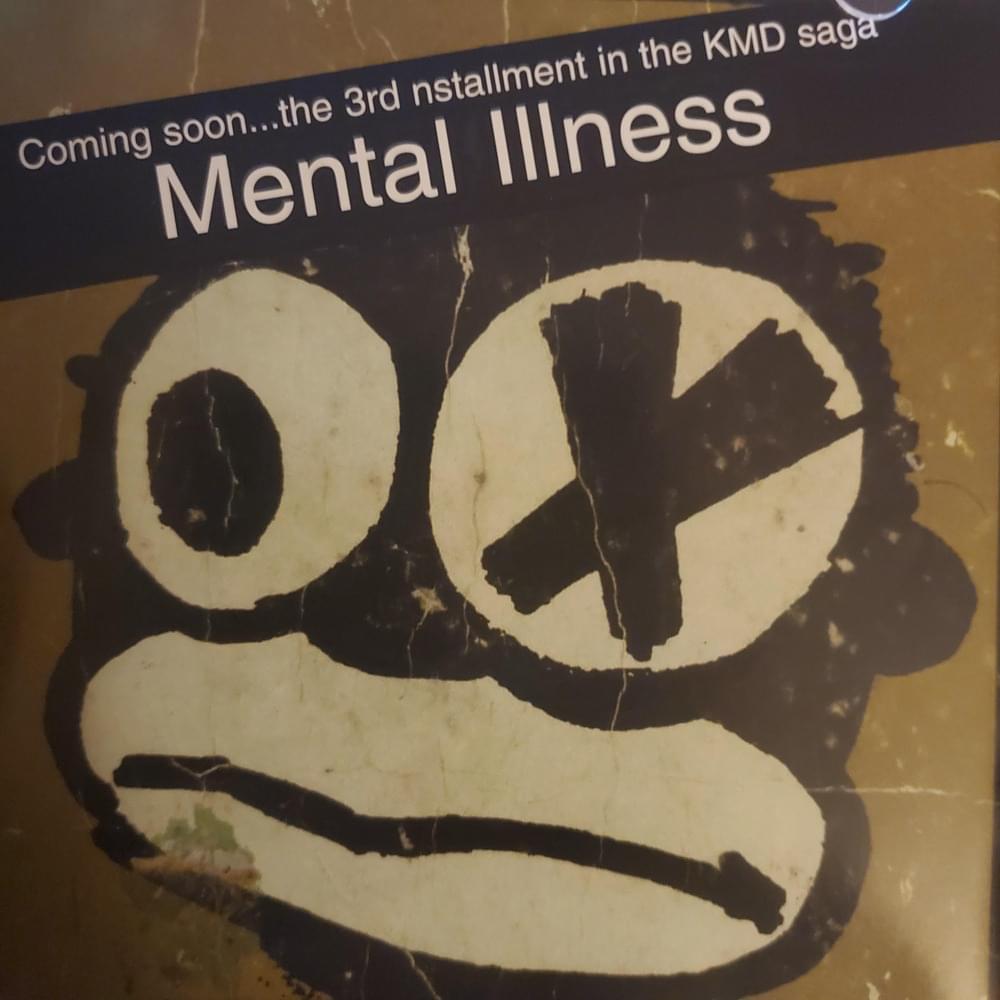
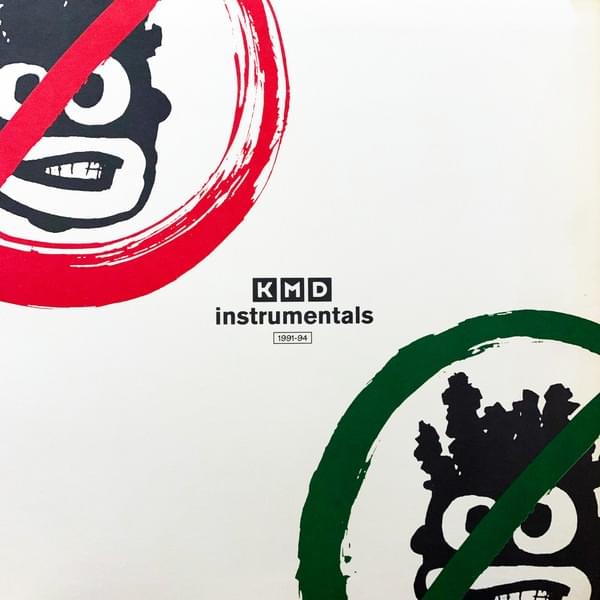
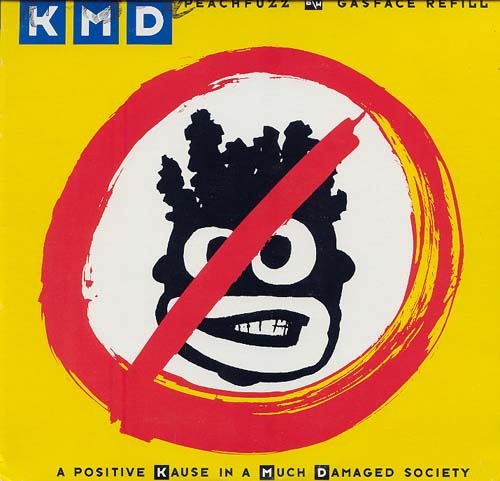
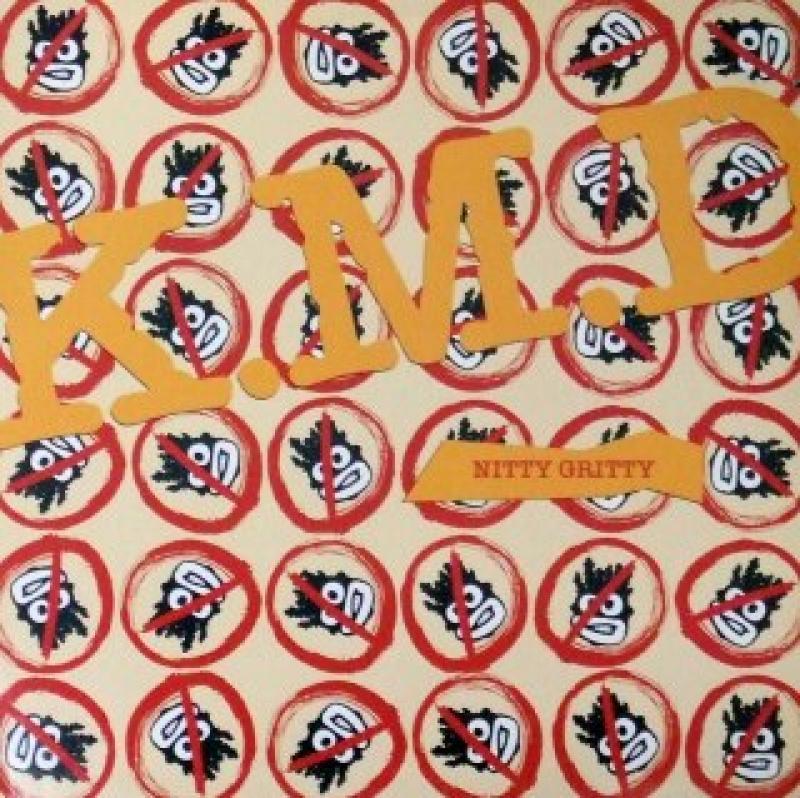
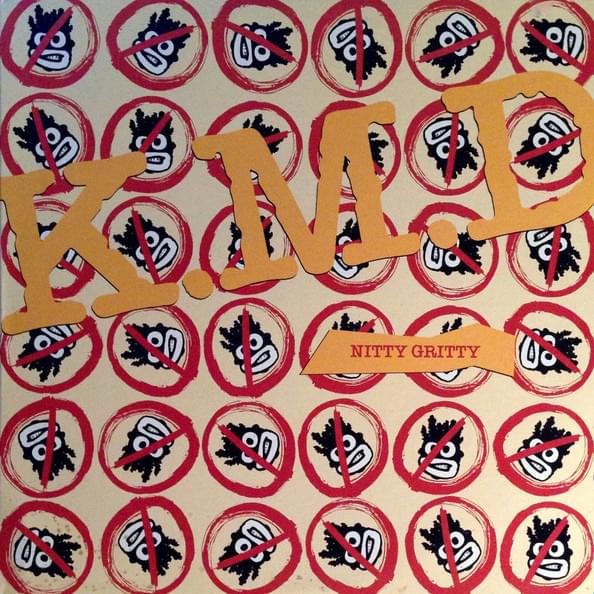
Other albums like Instrumentals 1991-94, Peachfuzz / Gasface Refill, Nitty Gritty – Single , Crack In Time, and Mental Illness/Mentally ILL are also key parts of KMD's discography and showcase their range and experimental nature.
Hit Songs & Signature Tracks
Boogie Man! remains a standout track from *Mr. Hood*. Its playful beat and catchy hook belied a deeper message about societal pressures and conformity. The song's music video, featuring cartoonish visuals and inventive camerawork, further solidified KMD's unique aesthetic.
Mr. Hood Meets Onyx is another notable track from their debut. It exemplifies their ability to blend humor with social commentary. The song's lighthearted delivery contrasted with its sharp observations about race and class, making it both entertaining and thought-provoking.
Subroc’s Mission, while not a traditional "hit," is a crucial track in KMD's catalog. It showcases Subroc's production skills and his importance to the group's sound. The instrumental track highlights his innovative sampling techniques and his ability to create complex and engaging soundscapes.
Humrush demonstrated their sampling prowess. Tracks like Figure of Speech and Bananapeel Blues are also fan favorites. And who could forget Nitty Gritty and Trial ’N Error, both essential tracks that underscore KMD's lasting impact.
Collaborations & Features
KMD's early career was marked by their association with 3rd Bass. Their appearance on "The Gas Face" introduced them to a wider audience and helped launch their career. This collaboration proved to be a pivotal moment, opening doors for KMD and setting them on a path to success.
While KMD didn't have a long list of collaborations, their influence can be seen in the work of countless artists who followed. MF DOOM, after the group's dissolution, became a prolific collaborator. He worked with a diverse range of artists, from Madlib to Ghostface Killah, solidifying his status as a visionary figure in hip-hop.
KMD's impact extended beyond direct collaborations. Their experimental sound and socially conscious lyrics paved the way for other alternative hip-hop artists. They inspired a generation of musicians to push boundaries and challenge conventions, leaving a lasting legacy on the genre.
Awards & Achievements
KMD, as a group, didn't receive major industry awards during their active years. Their career was cut short before they could achieve mainstream recognition. However, their music has been praised by critics and fans alike, earning them a dedicated following and a place in hip-hop history.
MF DOOM, after KMD's disbandment, went on to achieve considerable critical acclaim and commercial success as a solo artist. His albums were consistently praised for their originality and innovation. He became a highly respected figure in the hip-hop world, earning numerous accolades and awards.
KMD's true achievement lies in their lasting influence on hip-hop culture. Their music continues to inspire and resonate with artists and fans alike. Their willingness to take risks and challenge norms cemented their place as pioneers of alternative hip-hop, leaving a legacy that extends far beyond any awards or accolades.
Personal Life
The personal lives of KMD members were marked by both tragedy and triumph. Subroc's untimely death in 1993 had a profound impact on the group and its future. His passing led to the shelving of their second album and the eventual disbandment of KMD.
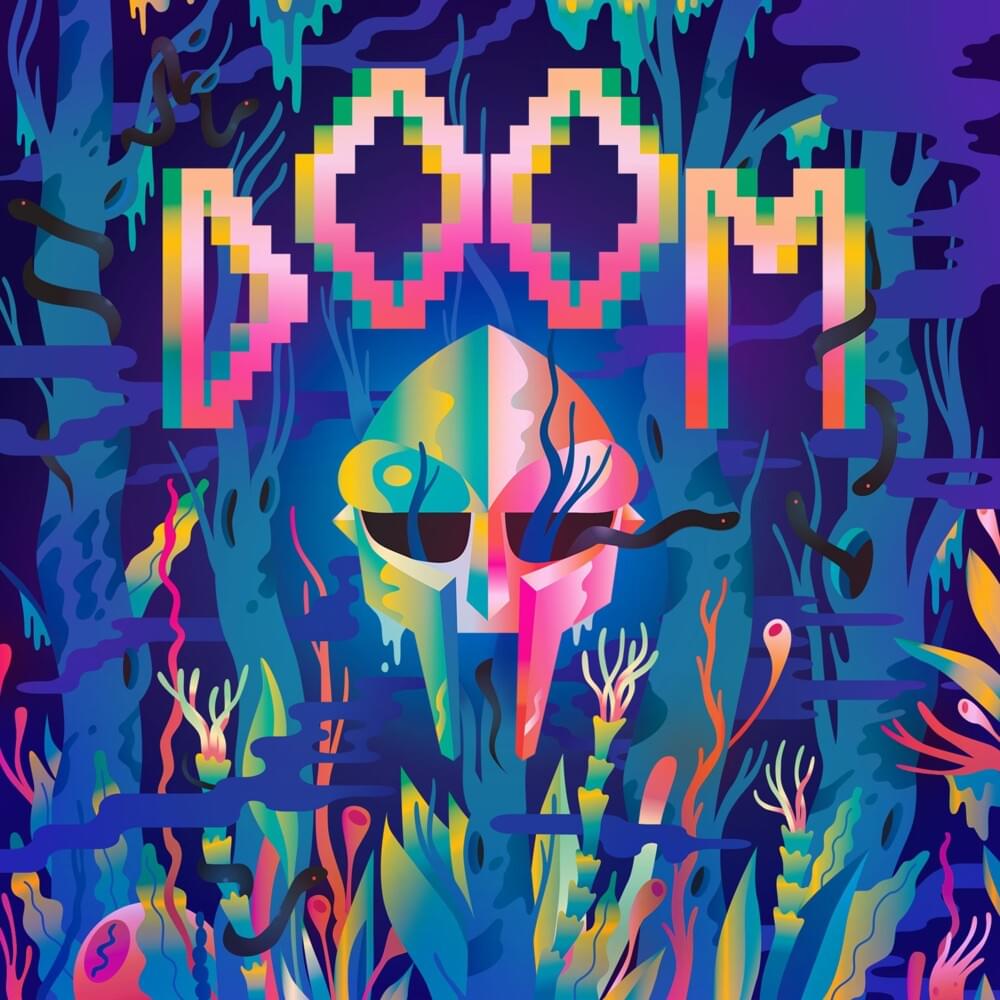
Zev Love X, after his brother's death, disappeared from the public eye for several years. He re-emerged as MF DOOM, adopting a masked persona and reinventing his musical style. He became known for his intricate rhymes, complex wordplay, and unique production style, solidifying his status as a hip-hop icon.
Musical Style & Influence
KMD's musical style was characterized by its playful sampling, quirky beats, and socially conscious lyrics. They blended cartoon samples with serious subject matter, creating a unique and engaging sound. Their music was both entertaining and thought-provoking, appealing to a wide range of listeners.
KMD drew inspiration from a variety of sources, including classic hip-hop, jazz, and soul. They incorporated these influences into their music, creating a sound that was both familiar and innovative. Their willingness to experiment with different styles and sounds set them apart from their contemporaries.
KMD's influence can be heard in the work of countless artists who followed. They paved the way for alternative hip-hop artists who challenged conventions and pushed boundaries. Their legacy extends beyond their own music, inspiring a generation of musicians to take risks and create something new.
Recent Work & What's Next
While KMD is no longer actively recording, their music continues to be discovered and appreciated by new generations of fans. Their albums are available on streaming services and continue to be reissued on vinyl, ensuring that their legacy lives on.
MF DOOM's passing in 2020 was a major loss to the hip-hop community. His music continues to be celebrated and remembered, with new projects and collaborations being released posthumously. His influence on the genre remains profound, inspiring artists to push boundaries and challenge conventions.
KMD's story is a reminder of the power of music to provoke thought and inspire change. Their legacy continues to resonate with those who appreciate their unique sound and unflinching social commentary.