King Curtis
8.1K Listeners
Artist Bio
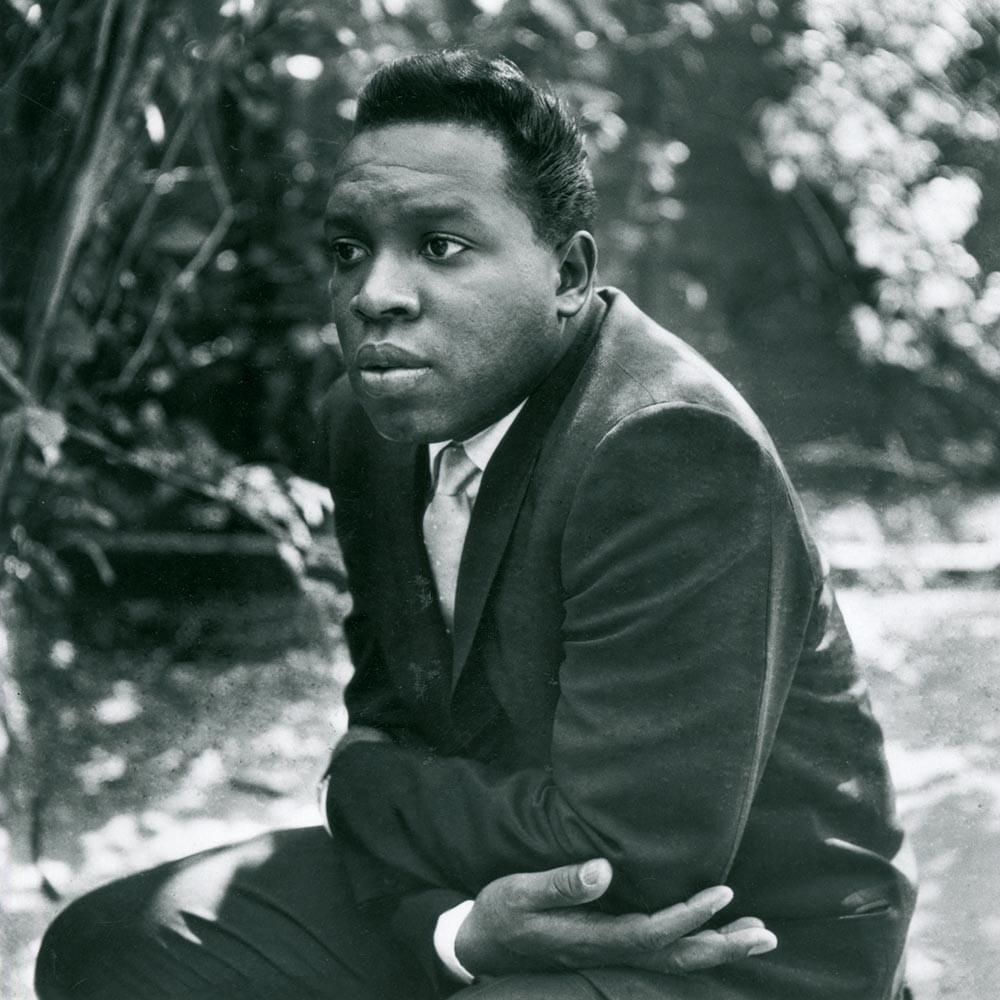
King Curtis, born Curtis Ousley in Fort Worth, Texas, in 1934, was more than just a saxophonist; he was a sonic architect, a master of groove, and a pivotal figure in shaping the landscape of American popular music. His career, tragically cut short, left an indelible mark on blues, rock and roll, soul, and jazz, making him a true titan of the saxophone. He was a highly sought-after session musician, lending his talents to countless artists.
Curtis’s early career saw him honing his skills in the vibrant music scene of Texas and beyond. He quickly gained a reputation for his powerful tone and infectious energy, attributes that would define his signature sound. By the late 1950s, he had established himself as a prominent session player and bandleader, working alongside legendary figures. His ability to seamlessly blend genres and inject raw emotion into every note made him a favorite among artists and audiences alike.
As the 1960s unfolded, King Curtis’s star continued to rise. He released a string of successful singles and albums under his own name, showcasing his versatility and virtuosity. Tracks like Spooky became instant classics, demonstrating his knack for crafting catchy melodies and irresistible rhythms. His instrumental covers of popular songs also garnered widespread acclaim, with his interpretation of Sweet Inspiration being a prime example of his ability to transform a vocal hit into a saxophone tour-de-force. The impact of his playing can also be heard in his rendition of Soul Serenade, a song that highlights the emotional depth he could evoke with his instrument.
Beyond his solo work, King Curtis remained a highly in-demand session musician. He played on countless hit records, adding his distinctive saxophone sound to the works of artists across a wide range of genres. His contributions to Aretha Franklin's recordings are particularly noteworthy, solidifying his position as a key figure in the soul music movement. He also led the Kingpins, the backing band for the television show *The!!!! Beat*, further exposing his talents to a national audience.
King Curtis's influence extended beyond the recording studio and the stage. His unique blend of blues, jazz, and soul helped to shape the sound of popular music in the 1960s and 1970s, paving the way for future generations of musicians. Even his takes on songs like Hey Joe and Wichita Lineman shows his diversity. Though his life was tragically cut short in 1971, his music continues to resonate with listeners around the world, a testament to his enduring legacy as one of the greatest saxophonists of all time. His cover of The Look of Love remains a testament to his skill.
Popular Albums
Popular Songs
| Track Number | Song | Release Date | Album |
|---|---|---|---|
| 01 | 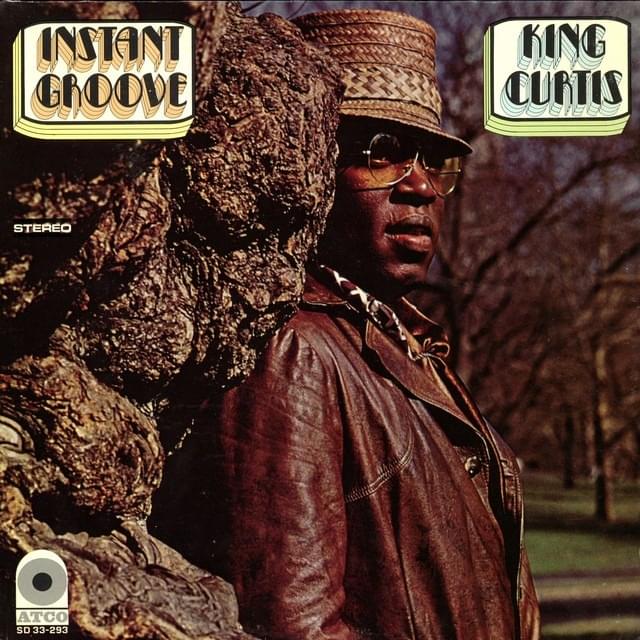 Hey Jude Hey Jude | Jan 1, 1969 | Instant Groove |
| 02 | Sing a Simple Song | Jan 1, 1969 | Instant Groove |
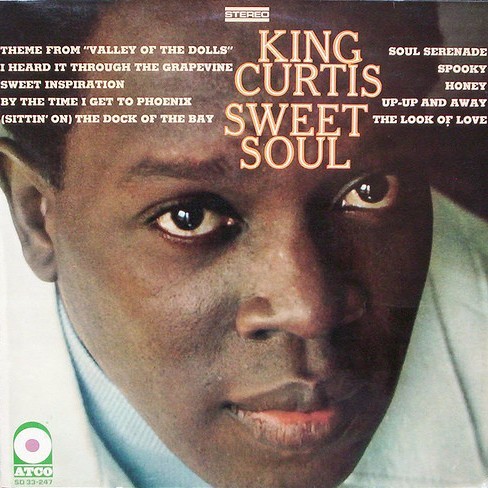
| 03 | (Sittin’ On) The Dock of the Bay | Jan 1, 1968 | Sweet Soul |
| 04 | Honey | Jan 1, 1968 | Sweet Soul |
| 05 | Up - Up and Away | Jan 1, 1968 | Sweet Soul |
| 06 | 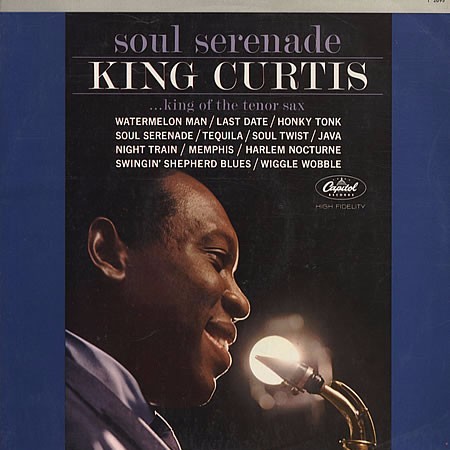 Watermelon Man Watermelon Man | Jan 1, 1964 | Soul Serenade |
| 07 | Wiggle Wobble | Jan 1, 1964 | Soul Serenade |
| 08 | 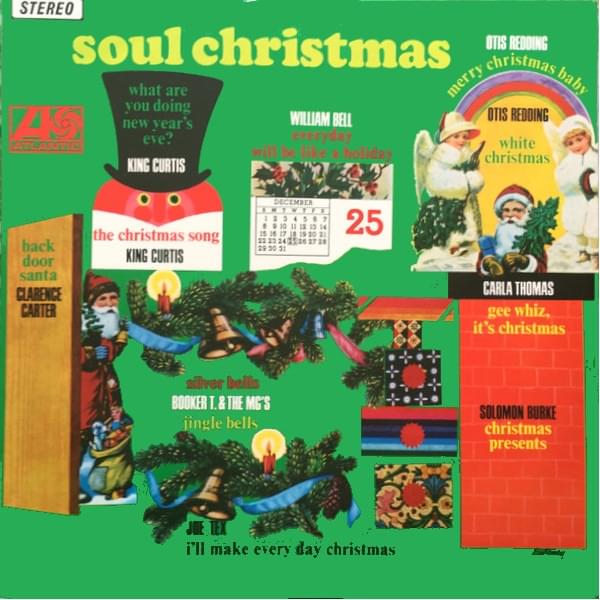 The Christmas Song The Christmas Song | N/A | Soul Christmas |
| 09 | 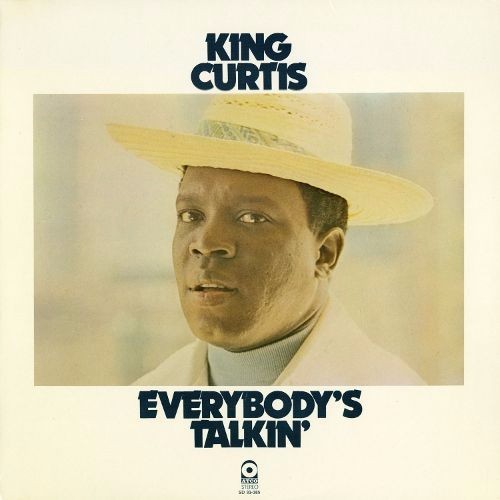 Ridin’ Thumb Ridin’ Thumb | Jan 1, 1972 | Everybody’s Talkin’ |
| 10 | 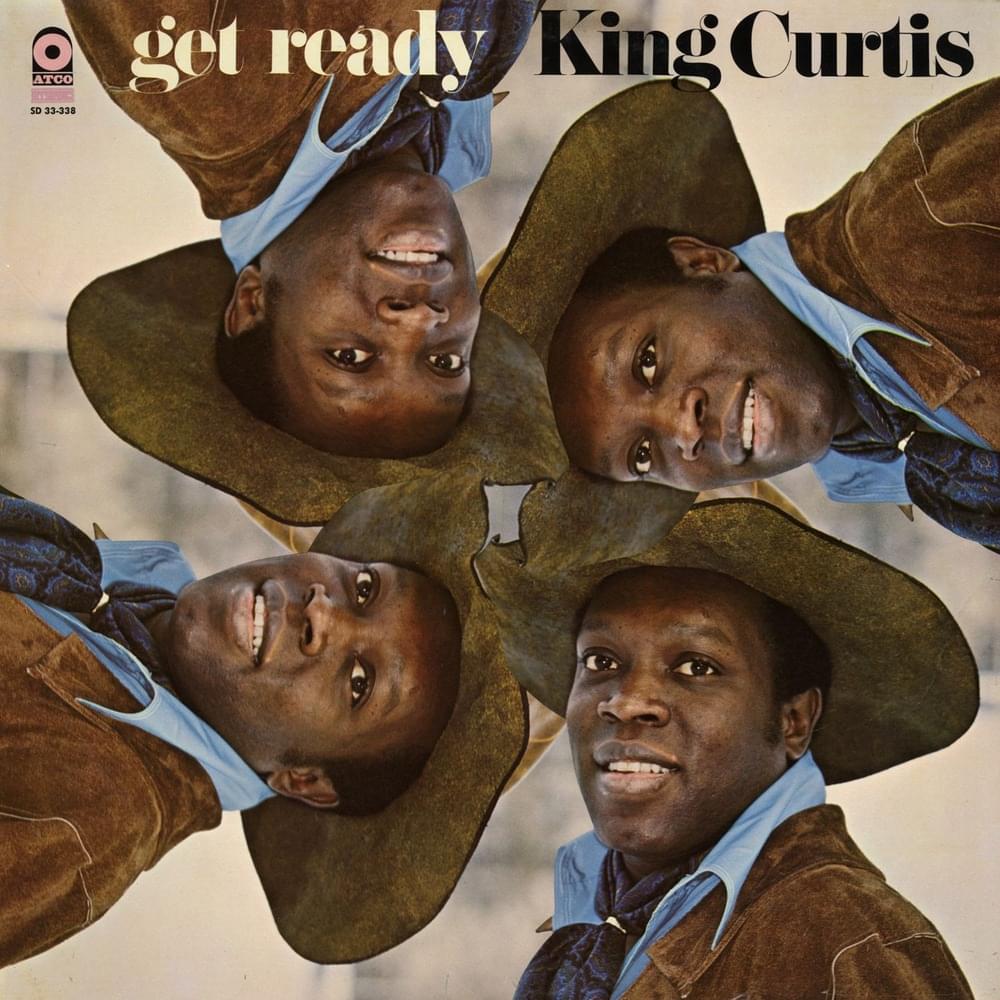 Bridge Over Troubled Water Bridge Over Troubled Water | Jan 1, 1970 | Get Ready |
| 11 | Theme from “Valley of the Dolls” | Jan 1, 1968 | Sweet Soul |
| 12 | Wet Funk (Low Down and Dirty) | Jan 1, 1972 | Everybody’s Talkin’ |
| 13 | Alexander’s Ragtime Band | Jan 1, 1972 | Everybody’s Talkin’ |
| 14 | Everybody’s Talkin’ | Jan 1, 1972 | Everybody’s Talkin’ |
| 15 | If I Were A Carpenter | Jan 1, 1972 | Everybody’s Talkin’ |
| 16 | Love The One You’re With | Jan 1, 1972 | Everybody’s Talkin’ |
| 17 | You’re the One | Jan 1, 1972 | Everybody’s Talkin’ |
| 18 | Groove Me | Jan 1, 1972 | Everybody’s Talkin’ |
| 19 | Wichita Lineman | Jan 1, 1969 | Instant Groove |
| 20 | The Weight | Jan 1, 1969 | Instant Groove |
Reviews
Comments
Questions & Answers
Music Awards
0 Total
No Music Awards Found