Introduction & Current Status
King Crimson. The name alone conjures images of sprawling epics, dizzying time signatures, and enough Mellotron to make your head spin. These prog-rock pioneers aren't just a band; they're a musical institution. And guess what? They're still out there, challenging listeners and bending the very fabric of what rock music can be. Even if you secretly have no clue what they're doing half the time.
While mainstream attention may ebb and flow, King Crimson's influence remains a constant. They're the band your favorite experimental artist name-drops. They're the reason your cool uncle has a room dedicated to vinyl. They’re currently enjoying a resurgence in popularity thanks to TikTok (yes, really) with snippets of their iconic tracks finding new life with a younger generation. Talk about a glow-up.
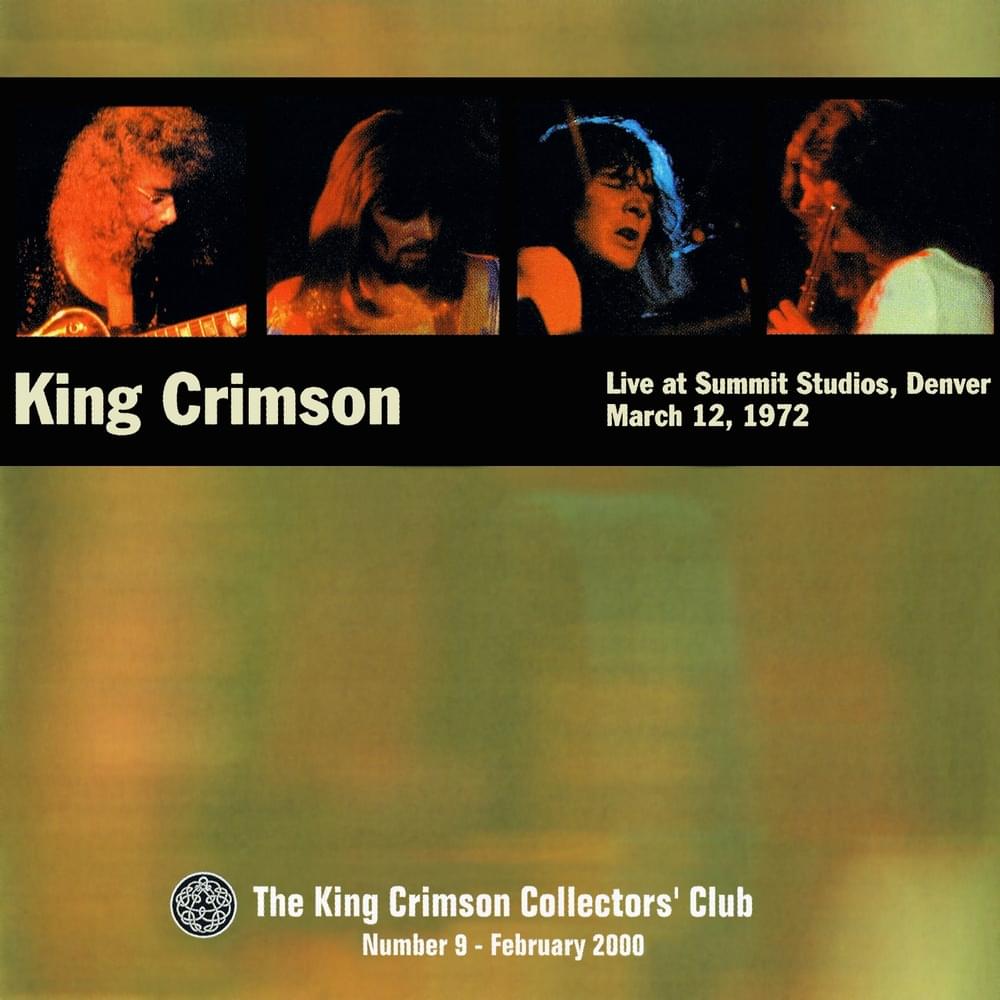
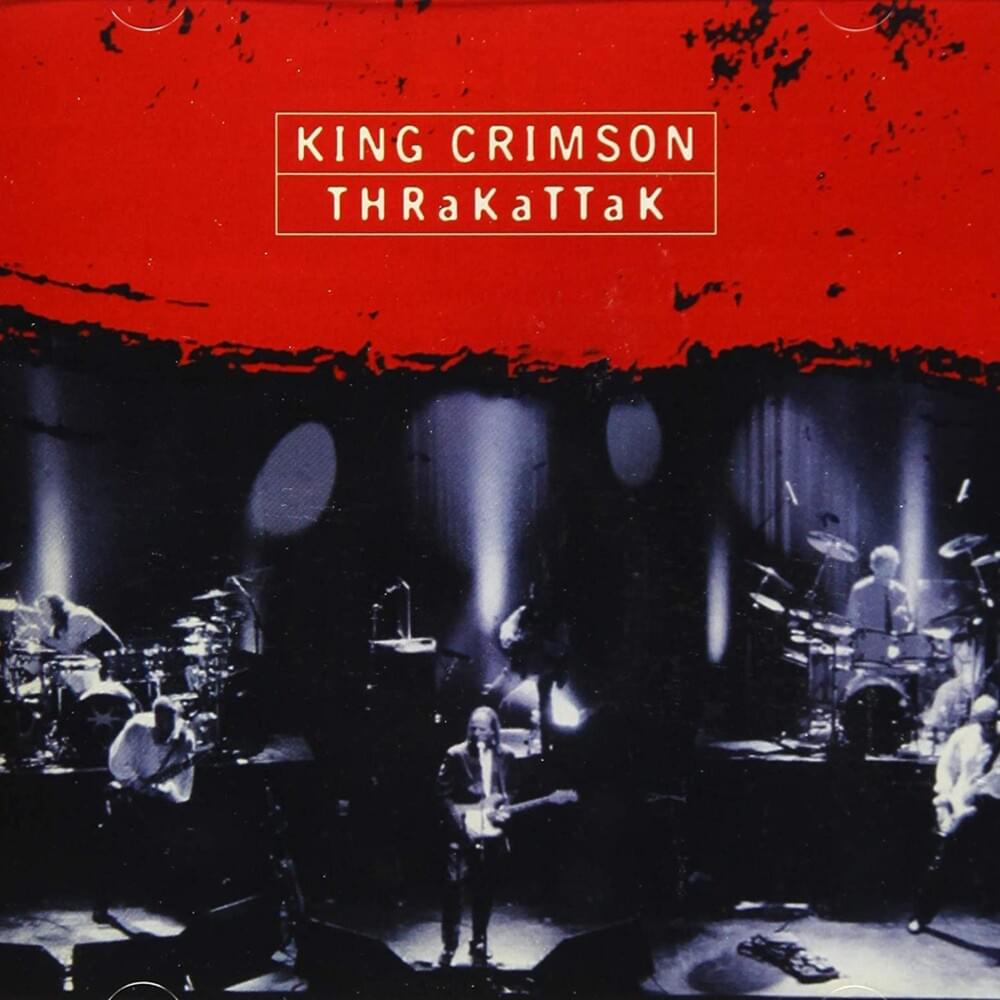
Robert Fripp, the mastermind behind it all, continues to steer the ship. The band's ever-evolving lineup keeps things fresh. Their live shows are legendary. Imagine a jazz concert, a metal show, and a philosophical debate all rolled into one. It's an experience. And it's why King Crimson still matters.
Early Life & Background
The King Crimson saga begins with Robert Fripp, born in Wimborne Minster, Dorset, England. His early life was steeped in music. From classical training to jazz explorations, Fripp absorbed it all. This foundation fueled his relentless pursuit of musical innovation. He wasn't just going to play music; he was going to reinvent it.
The late 1960s London scene provided the perfect breeding ground for Fripp's ambitions. He connected with like-minded musicians, all eager to break free from the constraints of traditional rock. These early collaborations laid the groundwork for what would become King Crimson's signature sound. Think experimental jazz meets psychedelic rock with a dash of medieval mysticism.
Influences ranged from the Beatles' studio experimentation to the avant-garde compositions of Béla Bartók. Fripp and his cohorts sought to synthesize these disparate elements into something entirely new. It was a risky venture, but the potential payoff was huge. And history proves they delivered.
Career Beginnings
King Crimson officially formed in 1968, featuring Fripp, Michael Giles, Greg Lake, Ian McDonald, and Peter Sinfield. This initial lineup was a volatile mix of talent and egos. Their first gig at London's Speakeasy Club caused an immediate buzz. People knew they were witnessing something special.
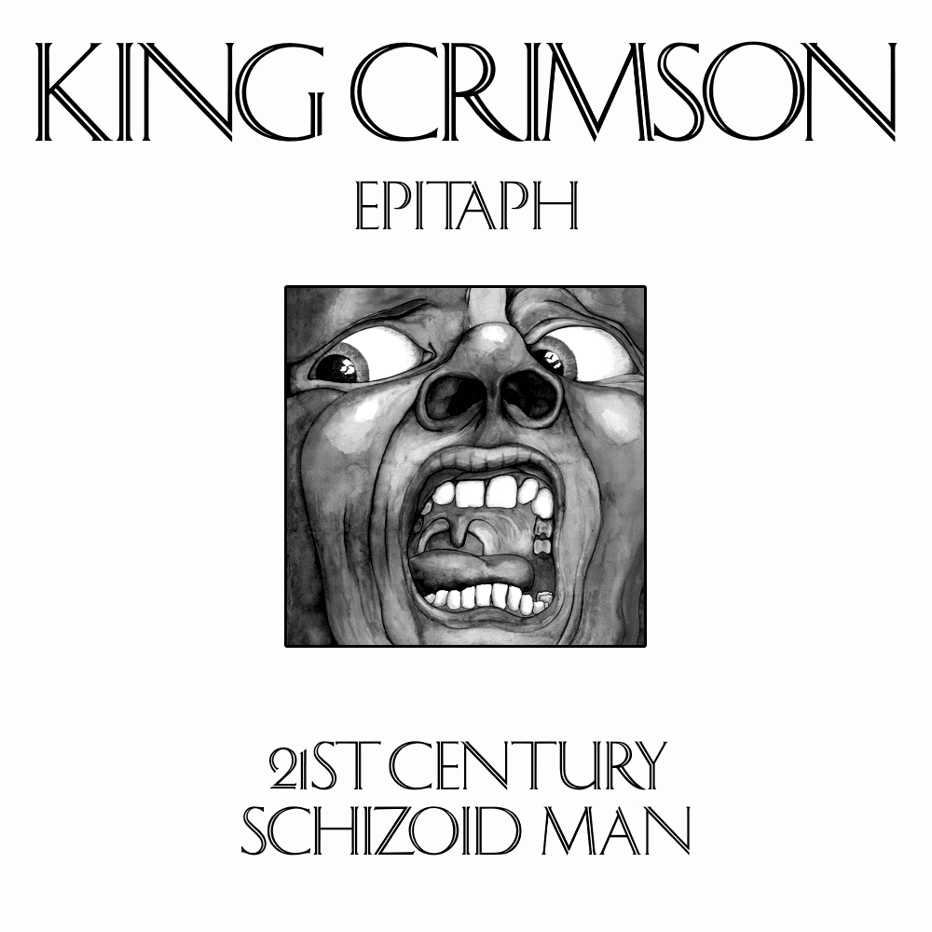
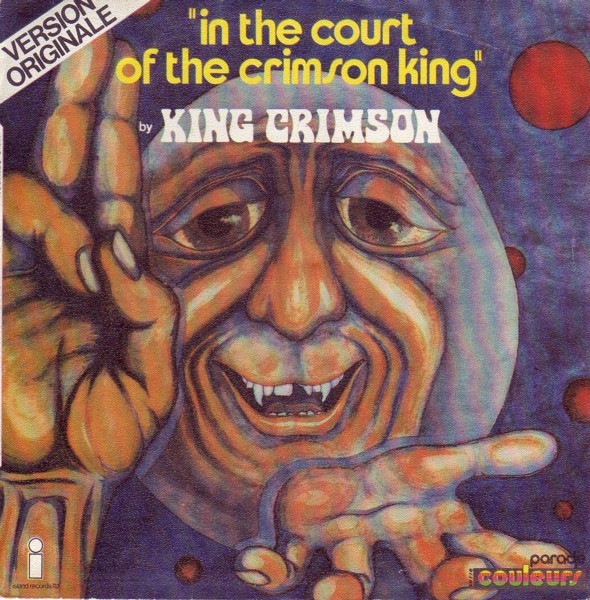
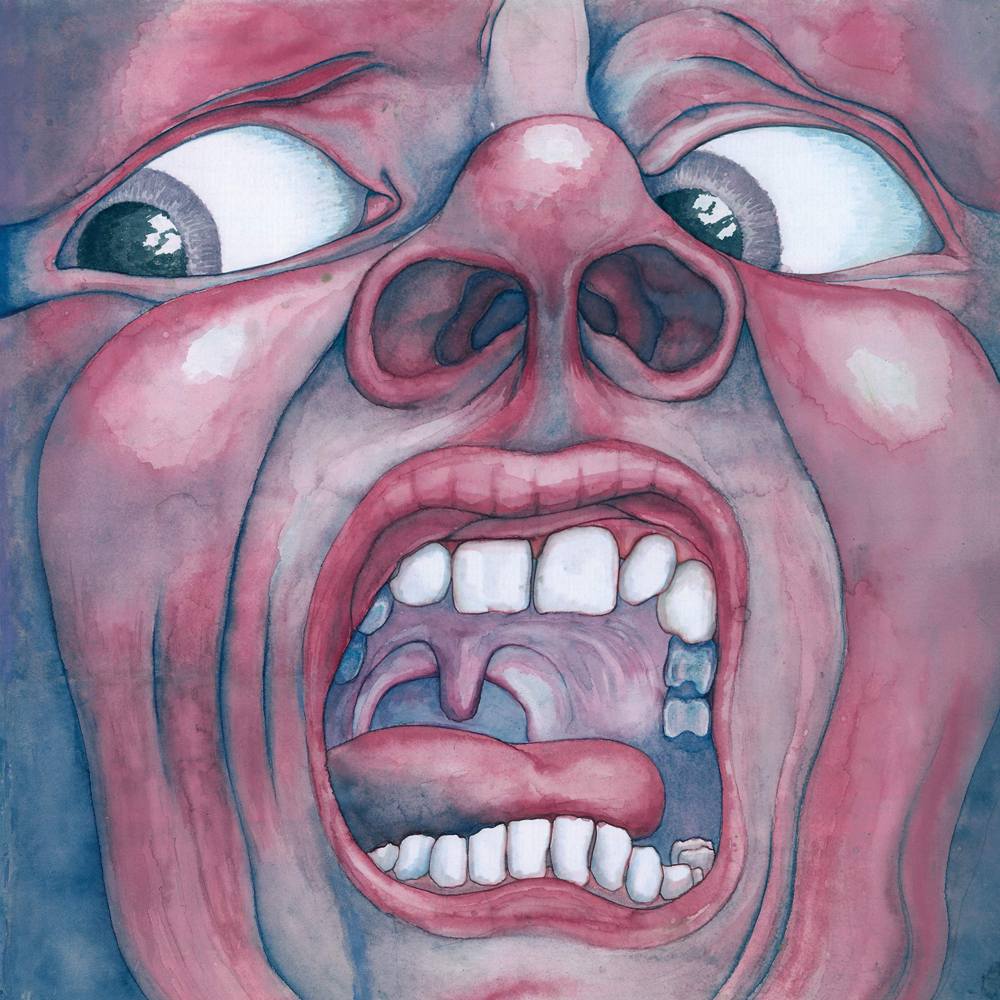
Their debut album, In the Court of the Crimson King, dropped in 1969 and promptly blew everyone's minds. It wasn't just an album; it was a statement. A declaration that rock music could be intelligent, complex, and downright terrifying. Tracks like 21st Century Schizoid Man became instant classics.
Despite the initial success, the original lineup imploded shortly after. Personality clashes and differing artistic visions led to a series of departures. But Fripp, ever the determined visionary, rebuilt the band with new members. Thus began King Crimson's long history of reinvention and evolution.
Major Albums & Discography
In the Court of the Crimson King remains King Crimson's most iconic work. Its blend of progressive rock, jazz, and classical influences set a new standard for the genre. The album's dark, apocalyptic themes resonated with audiences disillusioned by the Vietnam War and social unrest. Tracks like Epitaph cemented the album's legacy.
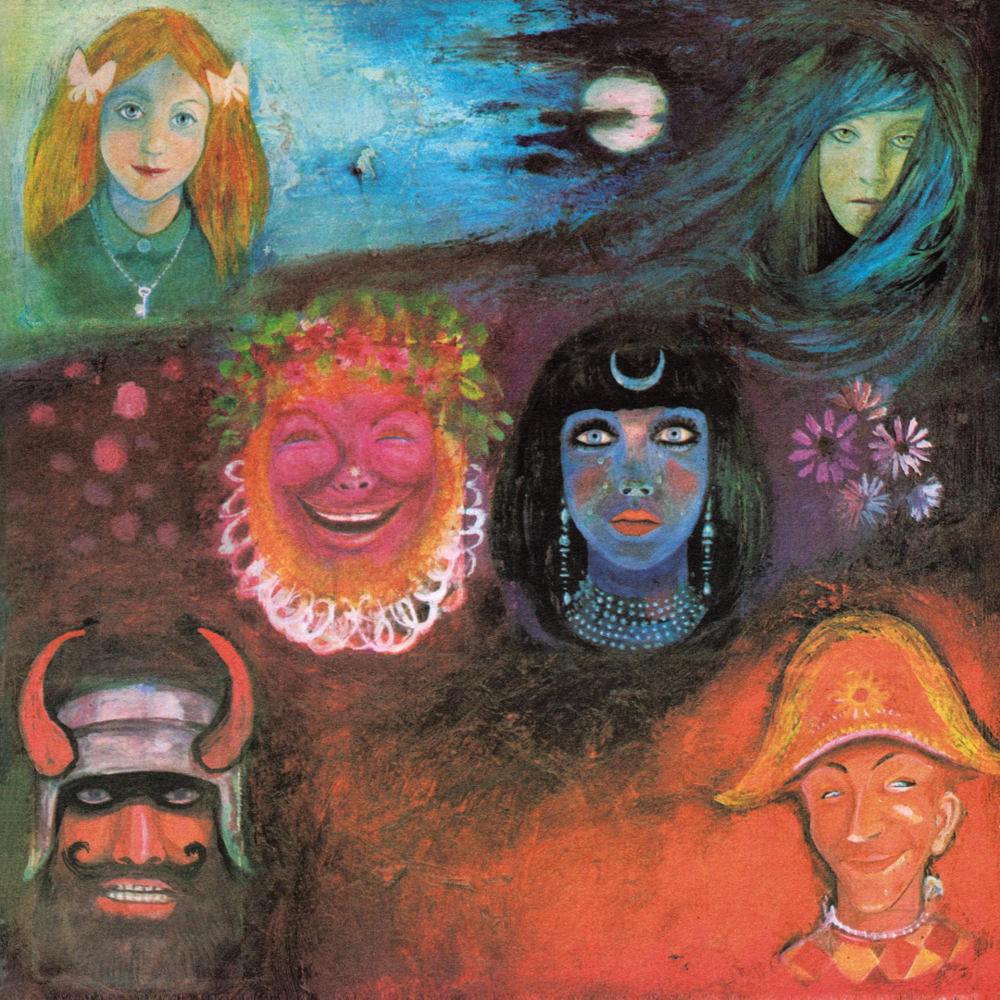
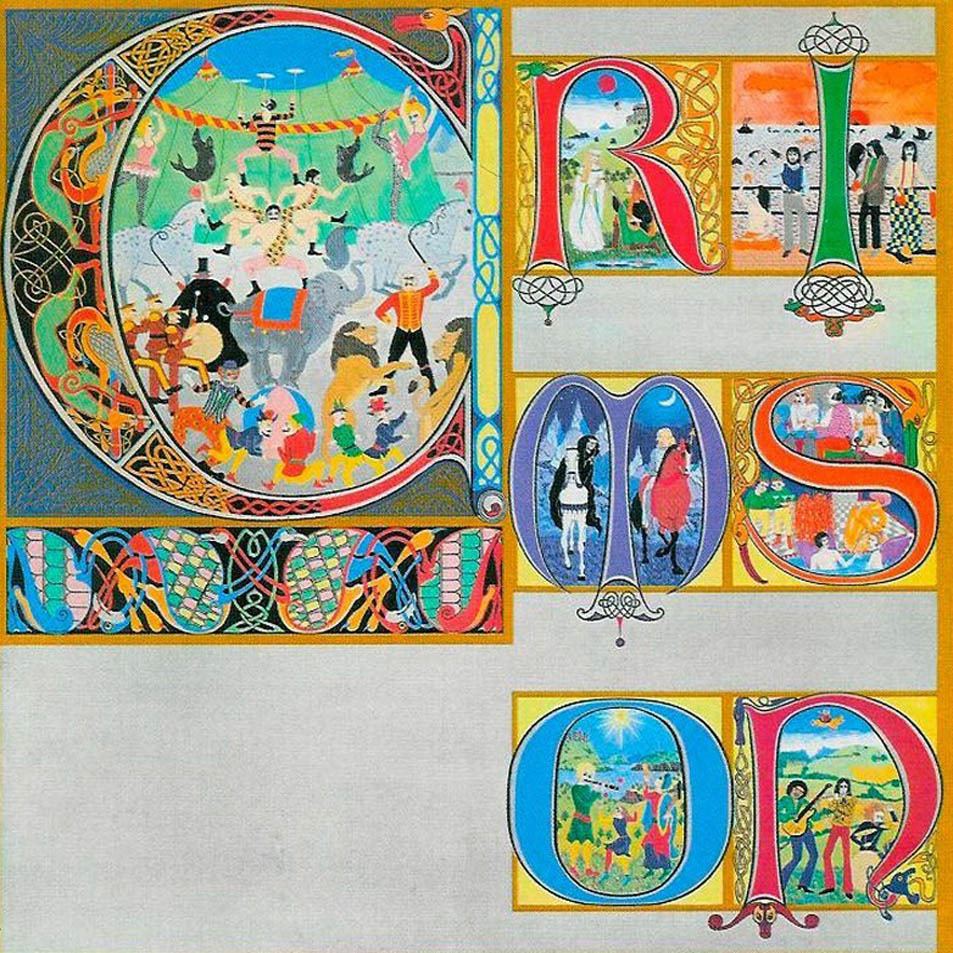
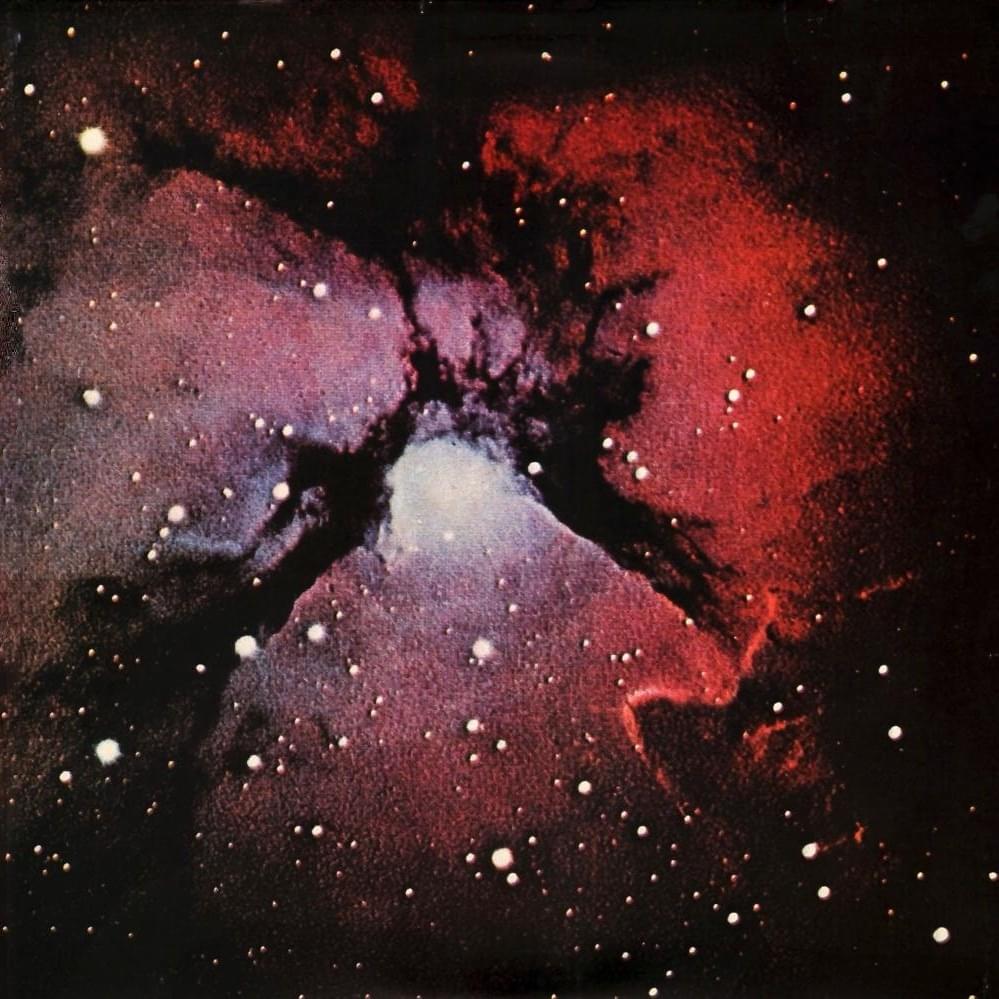
Following the departure of key members, Fripp steered the band through various experimental phases. Albums like In the Wake of Poseidon and Lizard showcased the band's willingness to push boundaries. These albums are sometimes considered uneven but are still full of interesting ideas.
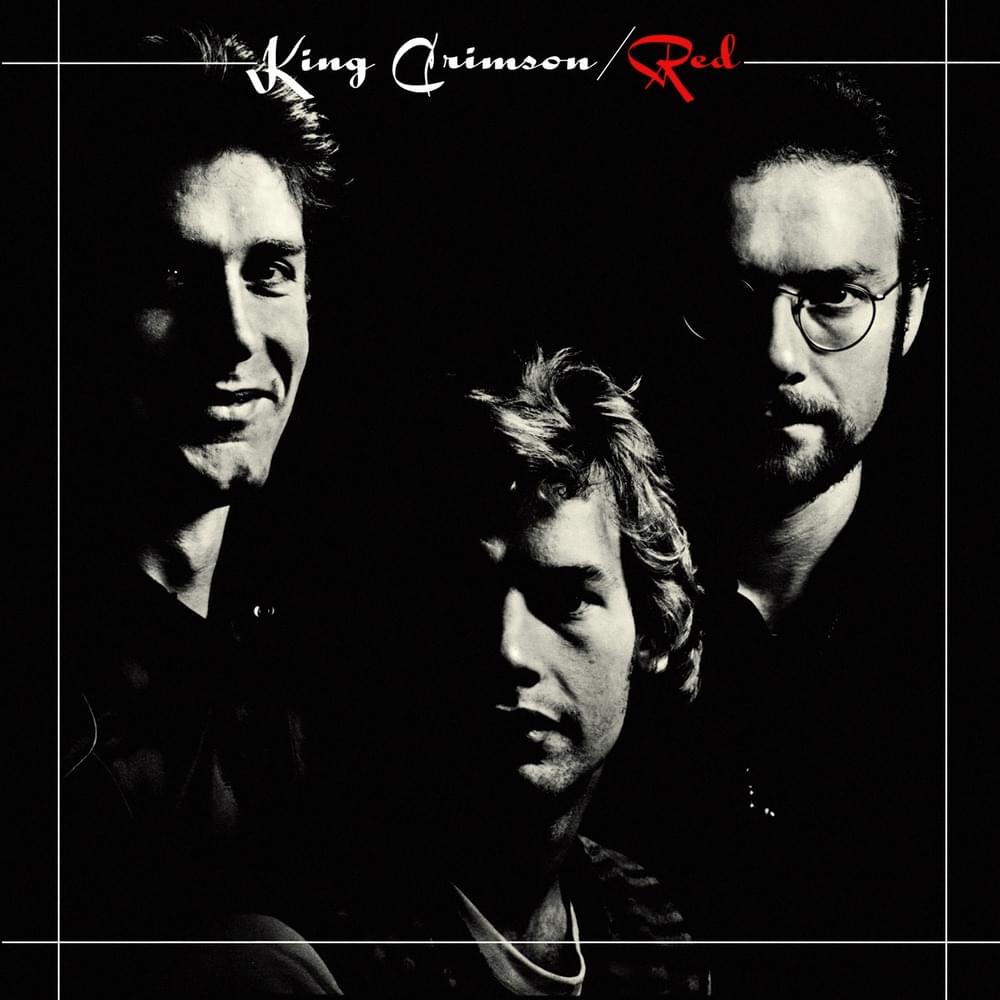
The early to mid-70s saw the release of arguably their strongest run of albums with Larks’ Tongues in Aspic, Starless and Bible Black, and Red. Each album further cemented their status as prog rock gods. Then, after *Red*, Fripp shockingly put the band on hiatus.
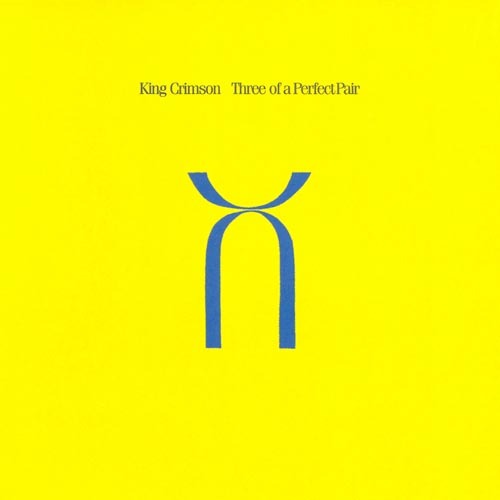
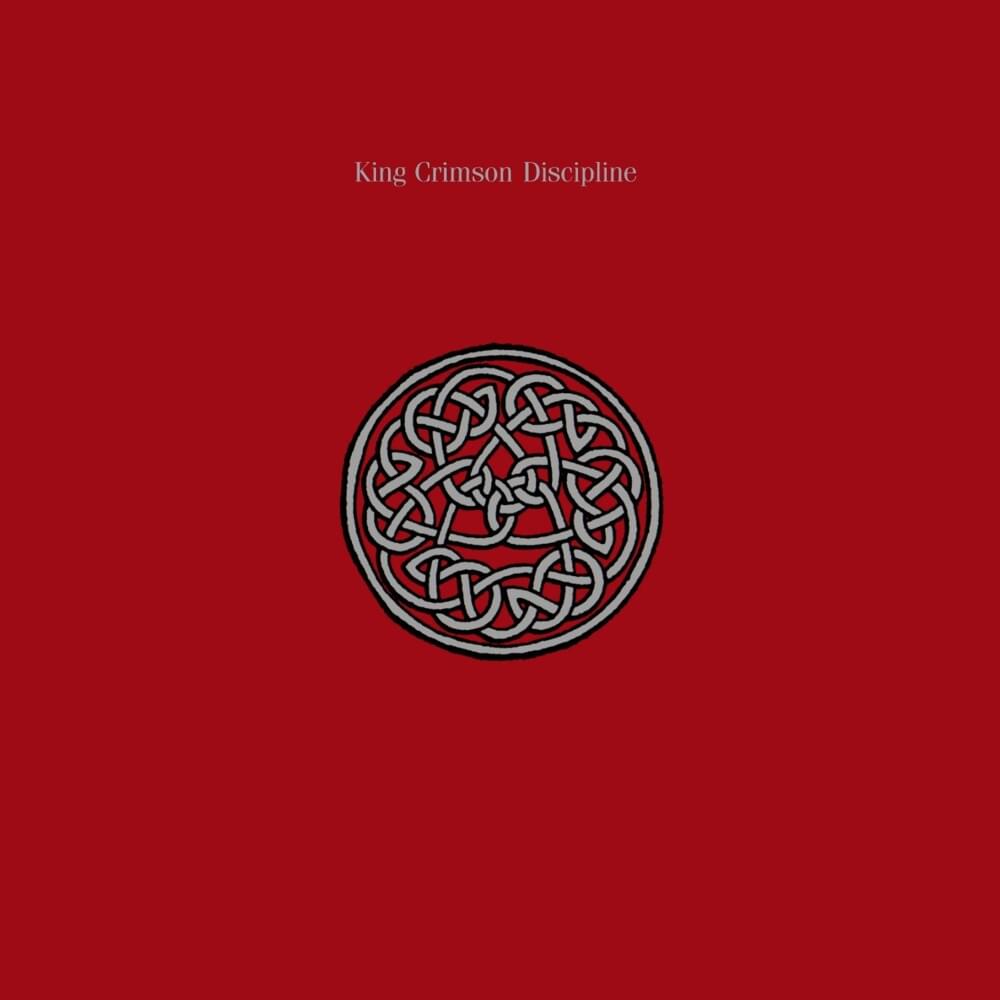
King Crimson re-emerged in the 80s with a new lineup and a new sound. The Discipline album introduced a minimalist, polyrhythmic approach, influenced by gamelan music and new wave. Albums like Beat and Three of a Perfect Pair continued this sonic exploration, solidifying their status as innovators.
Hit Songs & Signature Tracks
21st Century Schizoid Man is arguably King Crimson's most recognizable track. Its aggressive, distorted vocals and complex instrumental arrangements made it an instant classic. The song has been covered by numerous artists and remains a staple of prog-rock radio.
The Court of the Crimson King is another iconic track from their debut album. Its haunting melody and apocalyptic lyrics have captivated listeners for decades. The song's Mellotron-drenched atmosphere creates a sense of unease and impending doom.
Epitaph is a melancholic ballad that showcases Greg Lake's powerful vocals. Its mournful lyrics and soaring melody explore themes of loss and despair. The song's emotional depth has made it a fan favorite.
Other notable tracks include Larks’ Tongues in Aspic (Part I), a complex instrumental piece that showcases the band's technical prowess. The song's angular melodies and unpredictable rhythms create a sense of tension and excitement. The Talking Drum is another instrumental highlight, featuring hypnotic percussion and atmospheric textures. Even the softer tracks like I Talk to the Wind and Book of Saturday show the band's diverse talents.
Don't forget the epic beauty of Exiles and the hypnotic soundscape of Moonchild. And who could forget the funk-tinged weirdness of Easy Money? King Crimson definitely doesn't want to be pigeon-holed.
Collaborations & Features
While King Crimson is primarily known for its internal collaborations and shifting lineups, Robert Fripp has engaged in numerous external projects. He collaborated with Brian Eno on several ambient albums, exploring the intersection of electronic music and soundscapes. These collaborations showcased Fripp's versatility and willingness to experiment.
Fripp has also worked with artists such as David Bowie, contributing guitar work to classic albums like *Heroes*. These collaborations exposed King Crimson's unique sound to a wider audience. It's like, "Oh, THAT'S the band that sounds like the soundtrack to my existential crisis!"
Members of King Crimson have also collaborated with other prog rock bands. This created a network of interconnected musicians pushing the boundaries of music. It's a small world when you're exploring the outer reaches of sound.
Awards & Achievements
While King Crimson hasn't always been showered with mainstream awards, their impact on music is undeniable. Their debut album, In the Court of the Crimson King, is widely regarded as a masterpiece and has been inducted into the Grammy Hall of Fame. This recognition underscores the album's lasting influence and cultural significance.
King Crimson has received numerous accolades from the progressive rock community. They've been recognized for their innovative compositions, technical virtuosity, and uncompromising artistic vision. Basically, they're the cool kids of prog. Even if they don't always act like it.
Their continued touring success and dedicated fan base are a testament to their enduring appeal. King Crimson's music continues to resonate with audiences of all ages, proving that groundbreaking art can stand the test of time. They're not just a band; they're a phenomenon.
Personal Life
Robert Fripp is known for his intellectual curiosity and philosophical musings. He's a voracious reader and a keen observer of the world. His insights often find their way into King Crimson's music, adding layers of depth and meaning. Think of him as the prog-rock Yoda.
Fripp is also known for his unconventional approach to the music industry. He's been a vocal critic of corporate greed and artistic exploitation. He advocates for fair compensation for musicians and greater control over their creative output. He's basically the Robin Hood of rock.
Outside of music, Fripp is married to actress and presenter Toyah Willcox. Their quirky and endearing online performances have gained a cult following. They're basically the First Couple of weird.
Musical Style & Influence
King Crimson's musical style is a complex blend of progressive rock, jazz, classical, and experimental elements. Their music is characterized by intricate arrangements, odd time signatures, and virtuosic instrumental performances. They're not afraid to challenge listeners with unconventional sounds and structures.
The band's use of the Mellotron, a tape-based keyboard instrument, helped to define their early sound. The Mellotron's ethereal textures and haunting melodies added a sense of mystery and grandeur to their music. It's the sonic equivalent of a velvet cloak.
King Crimson has influenced countless artists across various genres. Their experimental approach and uncompromising artistic vision have inspired musicians to push the boundaries of creativity. From progressive metal bands to electronic music producers, King Crimson's influence can be heard far and wide. They're the godfathers of the avant-garde.
Recent Work & What's Next
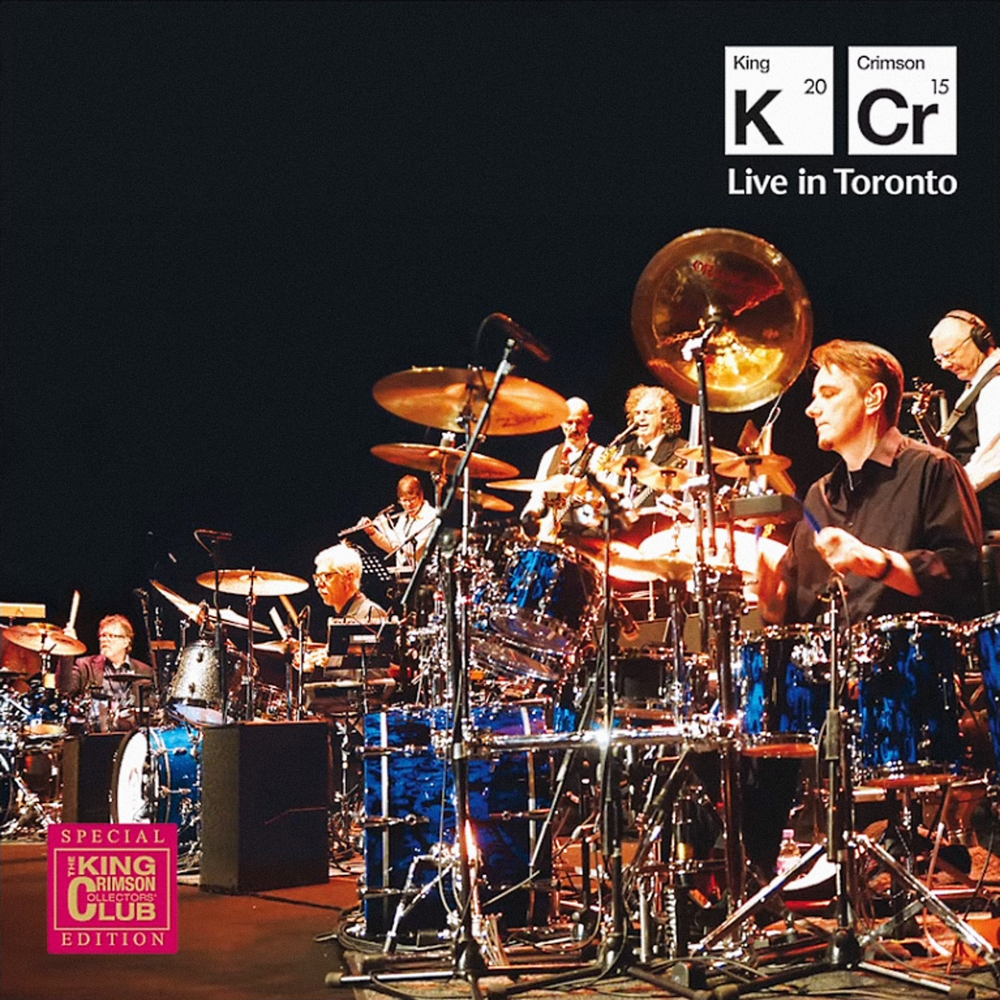
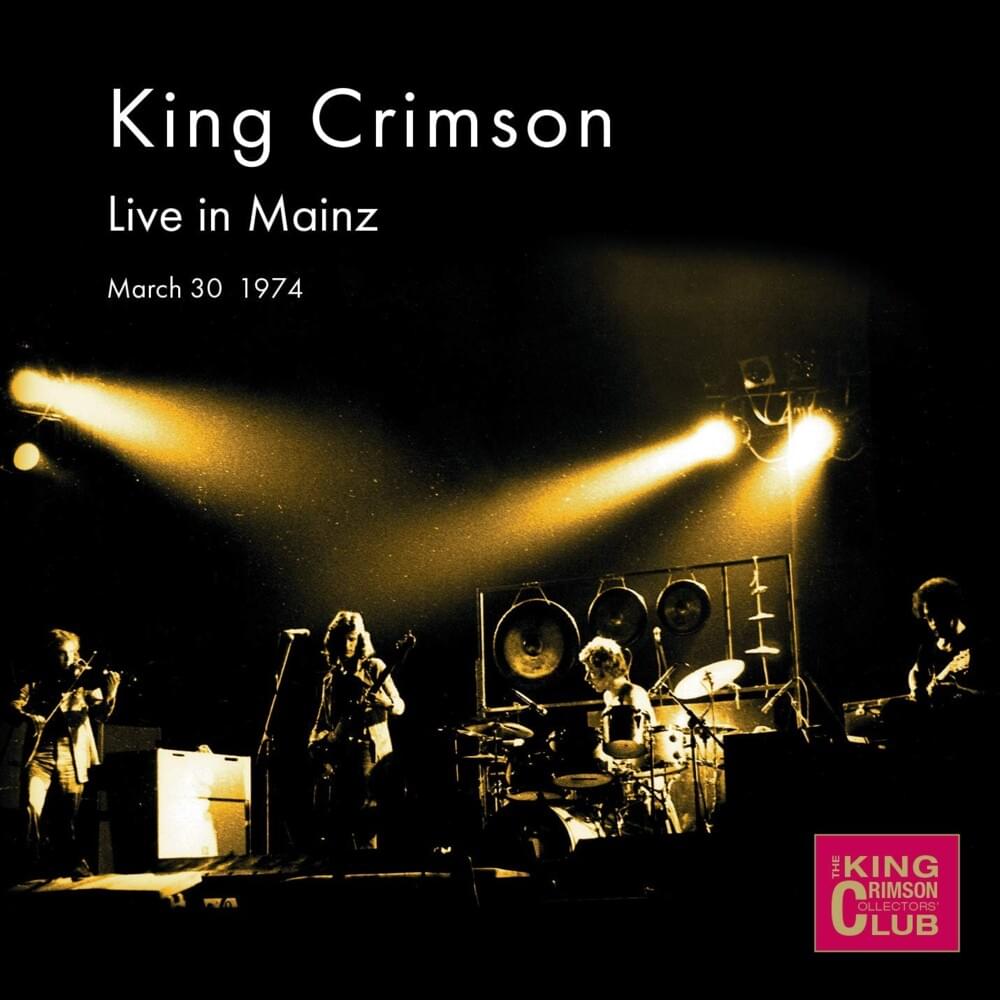
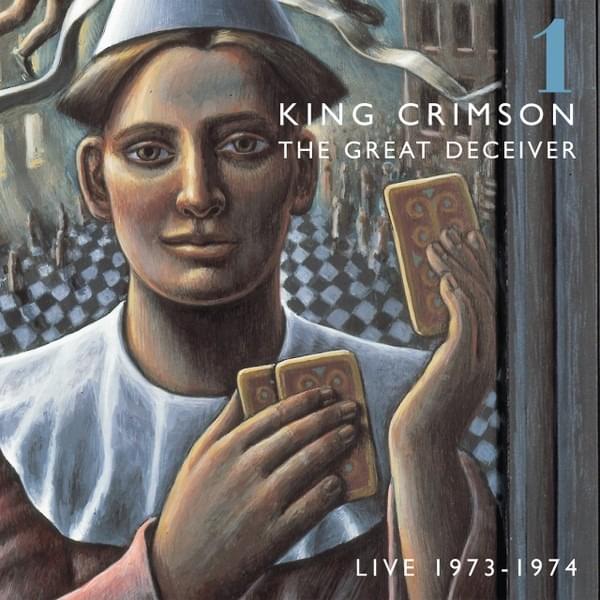
King Crimson has remained active in recent years, touring extensively and releasing live albums. Their live shows are known for their intensity and unpredictability. You never know what you're going to get, but you know it's going to be epic.
While a new studio album may not be in the immediate future, Robert Fripp continues to explore new musical avenues. He's always experimenting, always challenging himself, and always pushing the boundaries of what music can be. He's a restless creative force.
King Crimson's legacy is secure. Their music continues to inspire and challenge listeners. They're not just a band; they're a cultural institution. And their influence will continue to be felt for generations to come.