Juno Reactor: Still Melting Faces with Psychedelic Trance After All These Years
Introduction & Current Status
Juno Reactor, the pioneers of psychedelic trance, continue to bend minds and melt faces well into the 21st century. While some electronic acts fade into obscurity, Juno Reactor keeps innovating, pushing the boundaries of sound. Their blend of orchestral arrangements, heavy metal guitars, and relentless electronic beats still sounds utterly unique. They are the undisputed champions of Goa trance for a reason.
With a legacy spanning decades, Juno Reactor remains a force to be reckoned with on the global electronic music scene. They consistently deliver high-energy performances at major festivals. Their music is still finding its way into new films and video games, proving their enduring appeal. Let's dive into the wild world of Juno Reactor and find out what makes them tick.
Early Life & Background
Formed in 1990, Juno Reactor is the brainchild of Ben Watkins. Watkins, a classically trained musician, initially cut his teeth in the post-punk scene. His early work involved experimenting with various electronic instruments. He had a vision of creating something entirely new. The genesis of Juno Reactor was his desire to fuse orchestral sounds with the raw energy of electronic music.
Watkins's early influences were diverse, ranging from classical composers like Stravinsky to electronic pioneers like Kraftwerk. He was also heavily inspired by the burgeoning Goa trance scene in India. This fusion of influences led to the creation of Juno Reactor's signature sound. It's a sound that's both epic and intensely psychedelic.
Career Beginnings
Juno Reactor's early years were marked by experimentation and a relentless pursuit of sonic innovation. Their first releases on NovaMute Records quickly established them as a force to be reckoned with in the burgeoning electronic music scene. Watkins's unique approach to sound design set them apart from their contemporaries. They weren't just making dance music; they were crafting sonic landscapes.
Their early live performances were legendary for their intensity and visual spectacle. Juno Reactor quickly gained a devoted following. They toured extensively throughout Europe and beyond. They helped to popularize the Goa trance sound on a global scale. Their collaboration with director Simon Hunter on the film *Brainstorm* further expanded their reach.
Major Albums & Discography
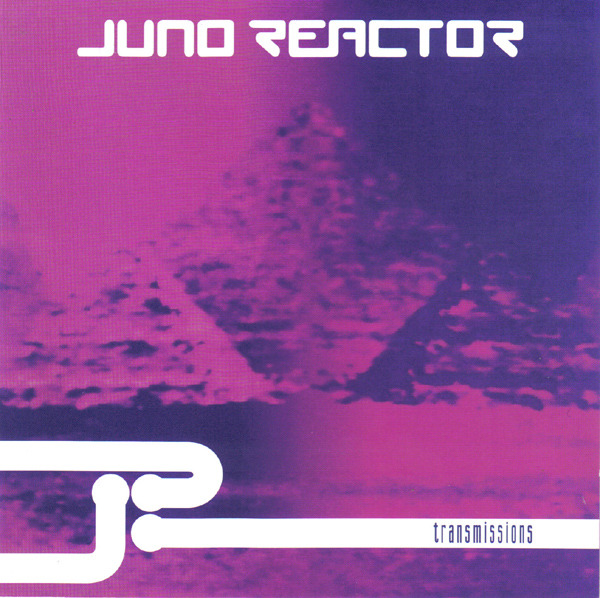
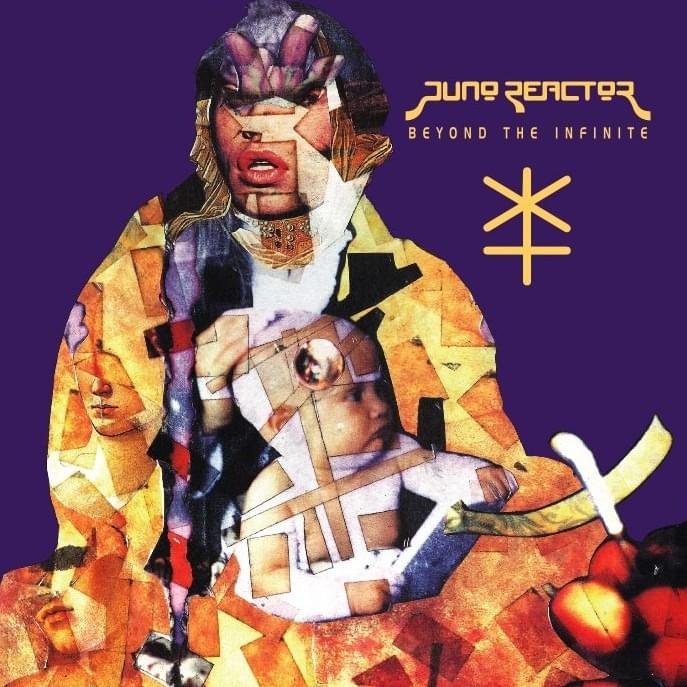
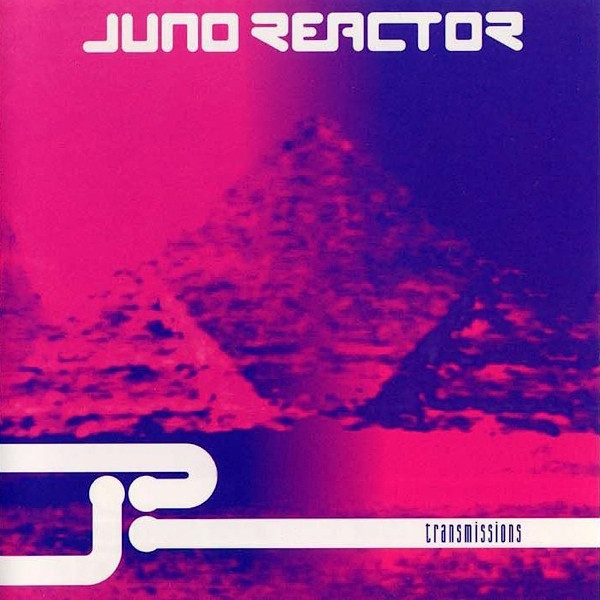
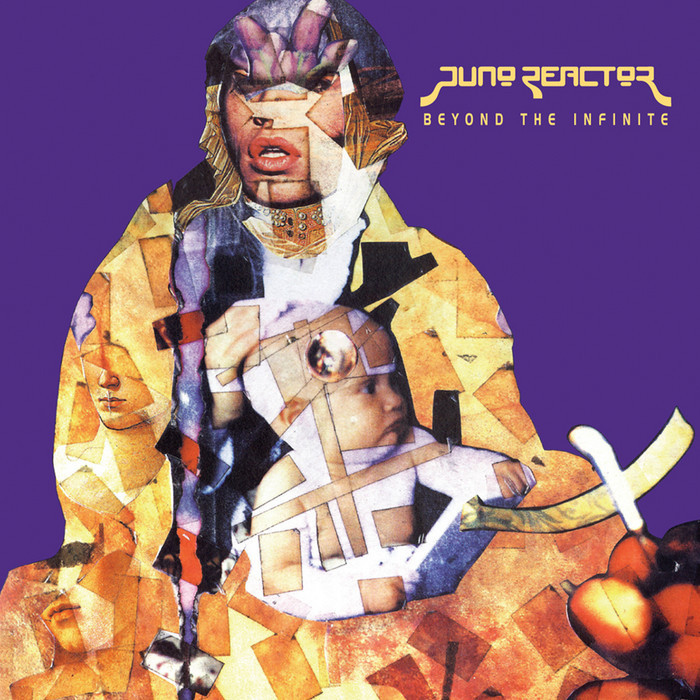
Juno Reactor's discography is a testament to their consistent innovation and boundary-pushing creativity. Each album represents a distinct chapter in their sonic evolution. Their debut album, *Transmissions* (1993), laid the foundation for their signature sound. It fused tribal rhythms with cutting-edge electronic production. Subsequent albums like *Luciana* (1994) and *Beyond the Infinite* (1995) further refined their sound. They incorporated elements of classical music and heavy metal.
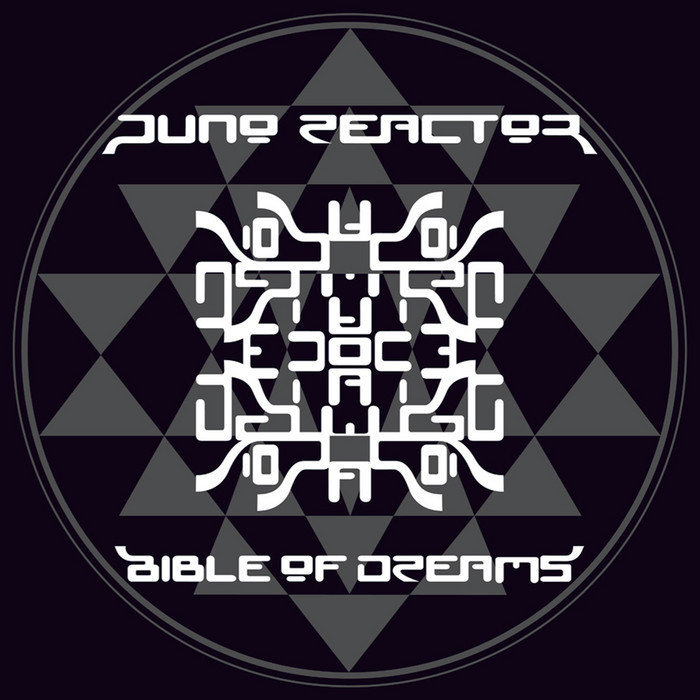
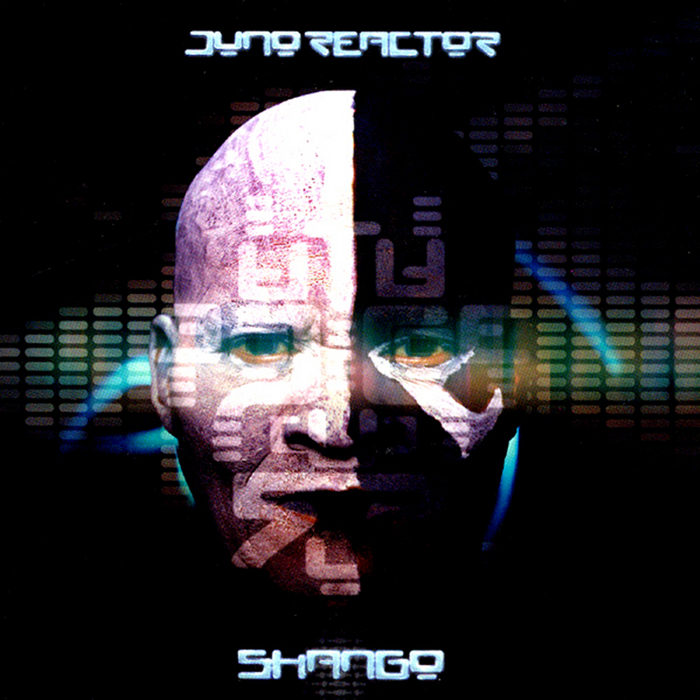
*Bible of Dreams* (1997) marked a turning point in Juno Reactor's career. The album showcased a more polished and cinematic sound. It featured collaborations with renowned musicians from around the world. *Shango* (2000) saw them experimenting with world music influences, incorporating elements of African and Latin American rhythms. The album was a critical and commercial success.
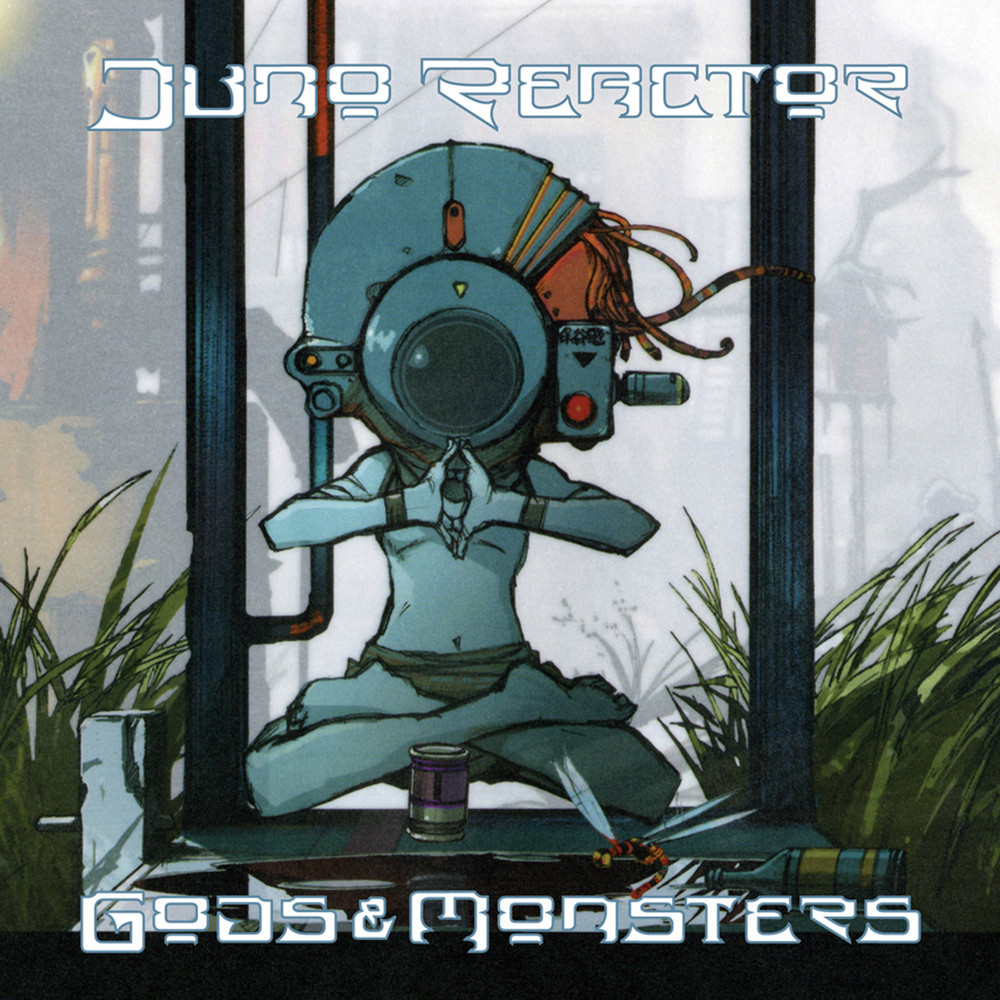
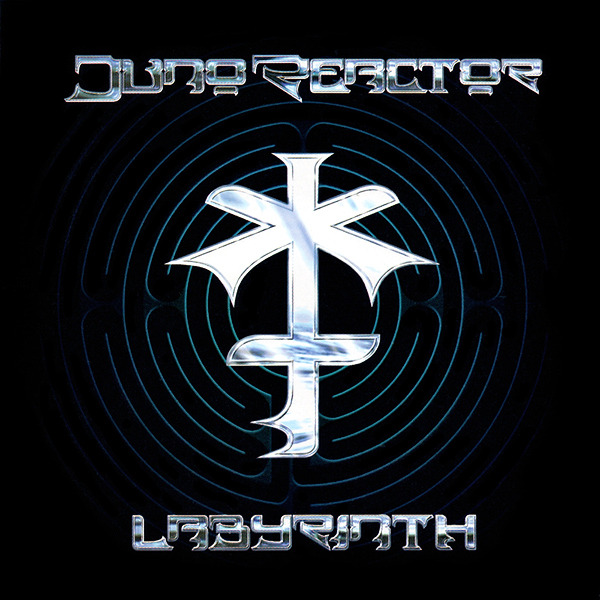
Later albums like *Labyrinth* (2004), which features music from *The Animatrix*, and *Gods & Monsters* (2008) continued to explore new sonic territories. They blended electronic music with orchestral arrangements and operatic vocals. *The Golden Sun of the Great East* (2013) saw a return to their Goa trance roots. *Transmissions 2* (2019) is a reimagining of their debut album.
Hit Songs & Signature Tracks
Juno Reactor's catalog is packed with tracks that have become anthems of the psychedelic trance scene. While they don't have traditional "hit songs" in the pop sense, certain tracks have achieved iconic status. "High Energy Protons" is a classic example of their early sound. "Guardian Angel" from the album *Bible of Dreams* is another fan favorite, known for its soaring melodies and epic atmosphere.
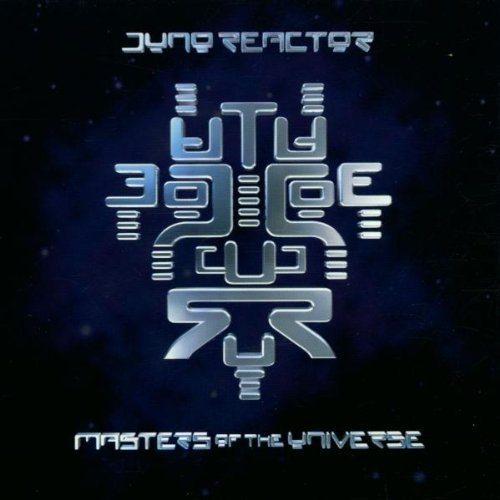
"God is God" featuring Natacha Atlas is arguably their most well-known track. It gained widespread recognition after being featured in the film *Mortal Kombat: Annihilation*. "Masters of the Universe" is another high-energy track that's become a staple of their live performances. These songs showcase Juno Reactor's ability to create music that's both intensely danceable and deeply immersive.
Collaborations & Features
Juno Reactor has a long history of collaborating with other artists, pushing the boundaries of genre and style. Their collaboration with Natacha Atlas on "God is God" is perhaps their most famous. It combines their signature electronic sound with Atlas's powerful vocals. They've also worked with Amampondo, a traditional Xhosa percussion group from South Africa. This brought a unique tribal element to their music.
They've also collaborated with Japanese composer Sugizo. His guitar work added a heavy metal edge to their sound. These collaborations demonstrate Juno Reactor's willingness to experiment. They are always looking to incorporate new and diverse influences into their music. They are true sonic explorers.
Awards & Achievements
While Juno Reactor may not have a trophy case overflowing with mainstream awards, their achievements are significant in the realm of electronic music. They've consistently topped the electronic music charts. They've headlined major festivals around the world. Their music has been featured in numerous films, video games, and television shows.
Their influence on the development of psychedelic trance is undeniable. They are considered pioneers of the genre. They've inspired countless artists. Juno Reactor's enduring legacy is a testament to their creativity and innovation. They've consistently pushed the boundaries of electronic music for over three decades.
Personal Life
Ben Watkins, the driving force behind Juno Reactor, has largely kept his personal life out of the spotlight. He's known for his dedication to his craft. He consistently tours and releases new music. Beyond his musical pursuits, Watkins is said to be interested in philosophy and spirituality. These interests often find their way into his music.
Musical Style & Influence
Juno Reactor's musical style is difficult to categorize. It's a unique blend of psychedelic trance, orchestral music, and world music influences. Their sound is characterized by complex rhythms, soaring melodies, and a cinematic atmosphere. They are known for their use of heavy basslines and intricate sound design.
Juno Reactor has been influenced by a wide range of artists, from classical composers to electronic pioneers. They, in turn, have influenced countless artists in the electronic music scene. Their impact on the development of psychedelic trance is undeniable. They have helped to popularize the genre on a global scale. Their music continues to inspire and influence new generations of electronic musicians.
Recent Work & What's Next
Juno Reactor continues to tour and release new music. They remain a vital force in the electronic music scene. Fans eagerly anticipate their next album. Speculation is rife about what sonic territories they will explore next. One thing is certain: Juno Reactor will continue to push the boundaries of sound and challenge listeners' expectations. Their music is a journey into the unknown. Buckle up and enjoy the ride.



 Rotorblade (Perfect Stranger remix)
 Guardian Angel
 God Is God
 Pistolero
 Conquistador I
 The Perfect Crime (Superman)
 High Energy Protons (Orion mix)
 Rotorblade