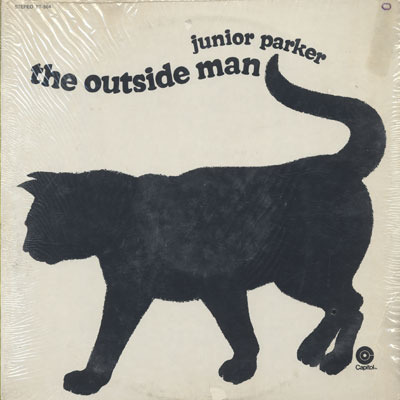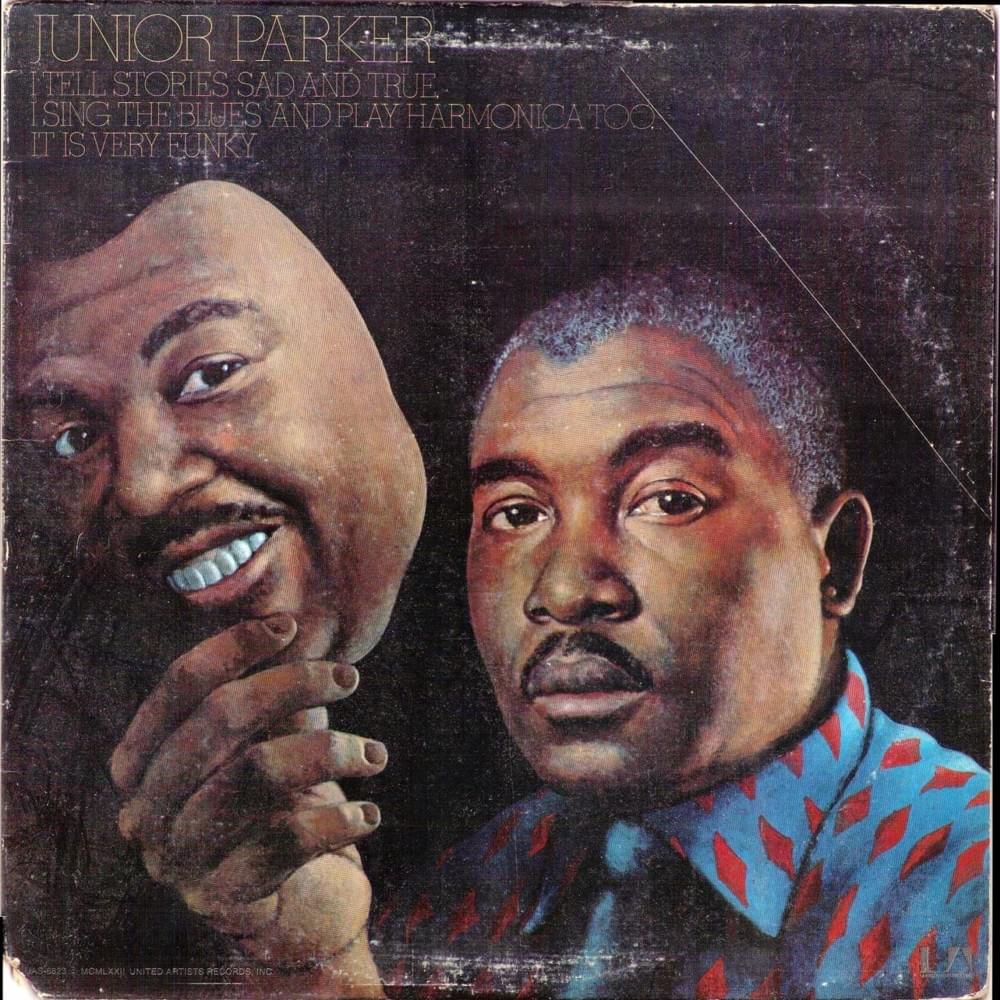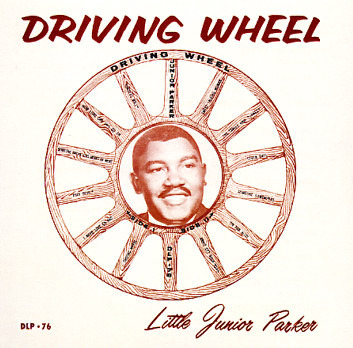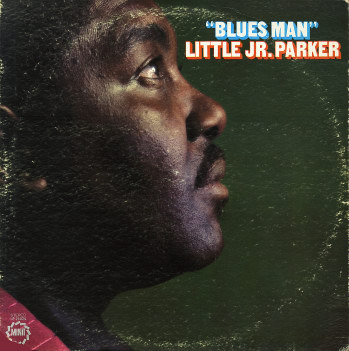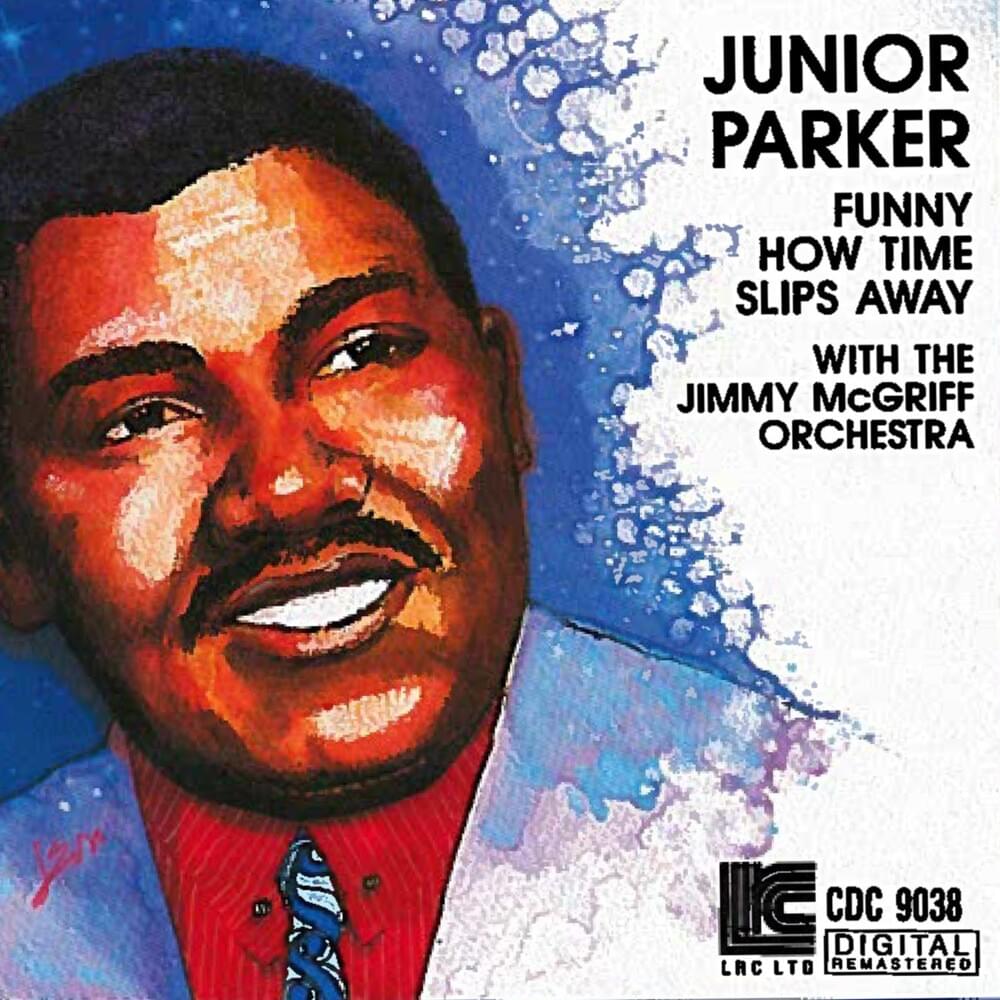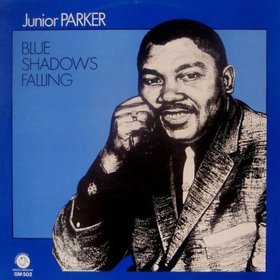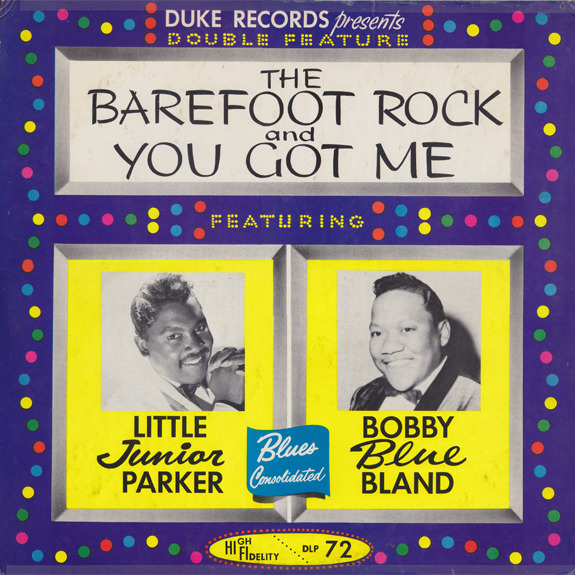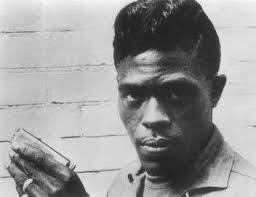
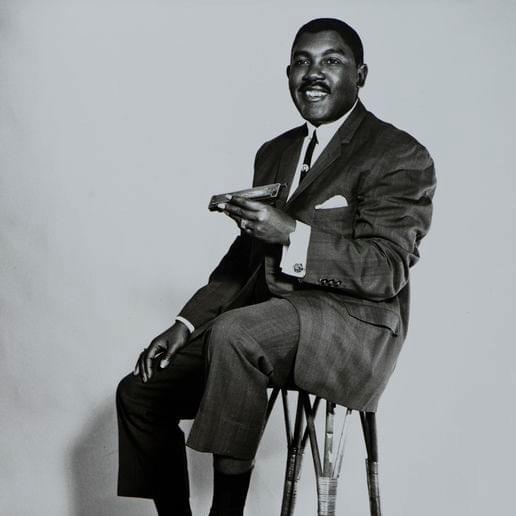
Photo of Junior Parker

Junior Parker

1.6K Listeners

Artist Bio

Junior Parker, a name whispered with reverence among blues aficionados, carved a unique niche in the genre, blending soulful vocals with a distinctive harmonica style. Born Herman Parker Jr. in West Memphis, Arkansas, in 1932, his early life was steeped in the rich musical traditions of the Mississippi Delta. He wasn't a blues shouter; instead, Parker cultivated a sophisticated, almost laconic delivery that belied the raw emotion simmering beneath the surface. Parker's journey began in gospel, but the allure of the blues soon proved irresistible. Mentored by Sonny Boy Williamson II, he quickly honed his skills and began performing in local clubs. It wasn't long before Ike Turner recognized his talent and brought him into his band, further solidifying Parker's foundation. In the early 1950s, he formed his own band, the Blue Flames, and began recording for Sun Records. Although his initial Sun recordings didn't achieve widespread success, they laid the groundwork for his future sound. The 1950s and 60s were Parker's most prolific period. He moved to Duke Records, where he found a supportive environment to develop his signature style. It was during this time that he recorded many of his best-known songs, including the timeless classic, Next Time You See Me, a track that showcases his effortless cool and understated vocal prowess. His harmonica playing, often weaving intricate melodies around his vocals, became instantly recognizable. Parker's influence extended far beyond the blues scene. His songs were covered by a diverse range of artists, a testament to their enduring appeal. He possessed a remarkable ability to interpret other people's songs and make them his own. A perfect example of this is his rendition of Funny How Time Slips Away, a Willie Nelson composition that Parker transformed into a soulful blues lament. Though he explored various musical avenues throughout his career, Parker's commitment to the blues remained unwavering. He continued to record and perform, captivating audiences with his smooth vocals and masterful harmonica playing. The track Driving Wheel is a blues standard that is still popular today. Later in his career, he even experimented with more contemporary sounds, demonstrating his willingness to evolve while staying true to his roots. Even the cover of Tomorrow Never Knows showcases his willingness to experiment and push boundaries, all while maintaining his signature bluesy sound. Junior Parker passed away in 1971 at the young age of 39, leaving behind a legacy of soulful blues that continues to inspire and influence musicians today. He may not have achieved the same level of mainstream recognition as some of his contemporaries, but his impact on the genre is undeniable. His understated cool and distinctive harmonica sound cemented his place as one of the true innovators of the blues. Even the song Yonder's Wall stands as a testament to his enduring legacy. His music remains a testament to the power of subtlety and the enduring appeal of the blues.

Popular Albums

Popular Songs

Reviews

Comments

Questions & Answers

Music Awards

0 Total

No Music Awards Found