Introduction & Current Status
John Zorn isn't just a musician; he's a sonic architect, a downtown New York institution, and a relentless explorer of musical boundaries. He continues to challenge listeners and redefine genres with his prolific output, collaborations, and iconoclastic approach. While mainstream fame might elude him, Zorn's influence permeates experimental music scenes worldwide. His recent performances and releases prove he's not mellowing out any time soon. He remains a vital force, pushing the envelope of what music can be.
Zorn's work resonates particularly with those seeking music that defies easy categorization. He's the guy who probably invented 'genre-fluid' before it was a thing. His dedication to avant-garde composition ensures his music stays relevant, provocative, and endlessly fascinating. He's a cult hero for a reason.
Early Life & Background
Born in New York City in 1953, John Zorn's upbringing was steeped in a diverse range of musical influences. His mother exposed him to classical music, while his father nurtured an appreciation for jazz. This eclectic mix formed the bedrock of Zorn's genre-bending approach. He absorbed everything from Stravinsky to Charlie Parker, laying the foundation for his future experiments.
Growing up in the city offered Zorn a front-row seat to the burgeoning experimental art scene. He haunted record stores, soaking up the sounds of free jazz, avant-garde classical, and film scores. This immersion shaped his artistic sensibilities and fueled his desire to create something entirely new.
Career Beginnings
Zorn's career took off in the late 1970s and early 80s in the fertile downtown New York scene. He quickly gained notoriety for his improvisational performances and unconventional compositions. Venues like CBGB and the Knitting Factory became his testing grounds. He was part of a wave of artists who blew up genre conventions.
His early work was characterized by its frenetic energy, abrupt shifts, and a playful disregard for traditional musical structures. Zorn embraced chance operations and improvisation, creating a sound that was both chaotic and exhilarating. He wasn't trying to please anyone but himself, and that's what made him so compelling.
Key collaborators like Eugene Chadbourne and Henry Kaiser helped amplify Zorn's early vision. These partnerships fostered a spirit of experimentation and pushed him to explore even more radical sonic territories. His early recordings captured the raw energy of his live performances.
Major Albums & Discography
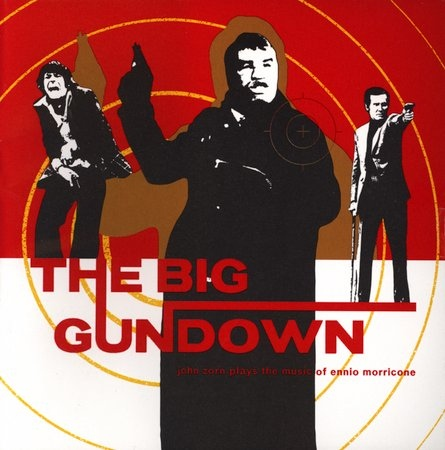
The Big Gundown: John Zorn Plays the Music of Ennio Morricone (1986) marked a significant turning point, showcasing his ability to deconstruct and reimagine existing works. This album cemented his reputation as a visionary composer and arranger.
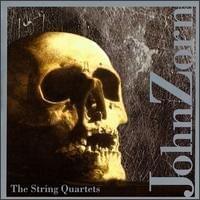
The String Quartets highlights Zorn's compositional prowess, demonstrating his ability to create intricate and evocative chamber music. The album showcases his mastery of counterpoint and harmony, revealing a different facet of his musical personality.
Quatrain ventures further into complex musical landscapes. It's a challenging but rewarding listen for those willing to dive into Zorn's intricate world. Then there's the haunting beauty of Homenaje A Remedios Varo, a tribute that blends avant-garde sensibilities with moments of pure emotional resonance.
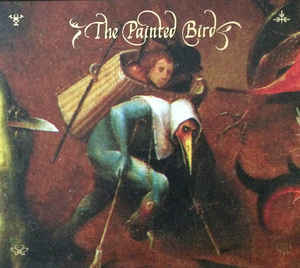
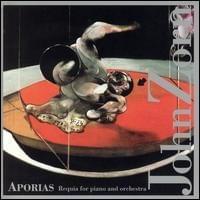
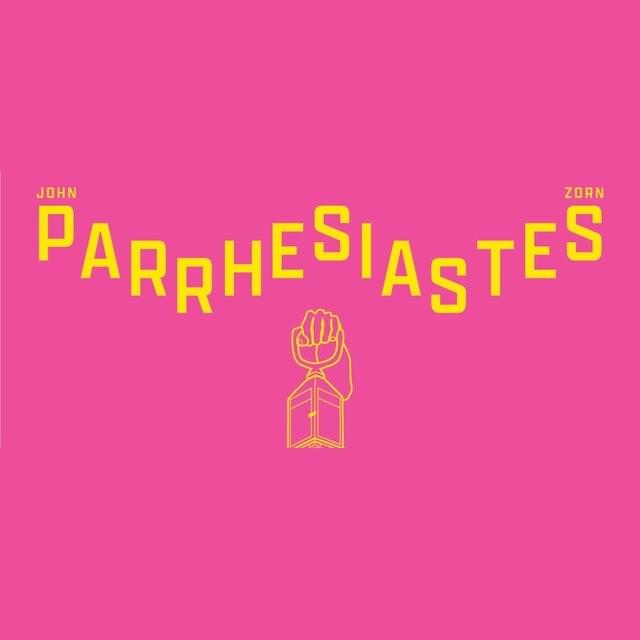
Shir Hashirim dives into the sacred. This album offers a contemplative contrast to his more abrasive works. Albums like A Vision in Blakelight and The Painted Bird continue his exploration of diverse musical territories, showcasing his relentless creativity. More recently, he's released albums like The Bribe, Aporias: Requia for Piano and Orchestra, and PARRHESIASTES, each pushing the boundaries of genre and form.
Hit Songs & Signature Tracks
While Zorn isn't exactly known for Top 40 hits, his compositions have become landmarks in the experimental music scene. Tracks like The Sicilian Clan, from his Morricone tribute album, showcases his knack for reinterpreting iconic themes in his signature style.
Snakeskin, with its abrupt shifts and intense energy, exemplifies Zorn's 'noise' aesthetic. Plague captures the chaotic intensity that defines much of his work. Even tracks like Ravens offer glimpses into the more melodic side of his avant-garde explorations.
His song, Comet, takes listeners on an unpredictable sonic journey. Other notable tracks include Cinders, Nettles, Night, Spike, and Missal, each a testament to his unique and uncompromising vision. Each song offers a different facet of his musical personality.
Collaborations & Features
Zorn's collaborative spirit has led him to work with a diverse range of artists, from jazz musicians to experimental rockers. He's collaborated with Bill Frisell, Fred Frith, and Mike Patton. These collaborations often result in unpredictable and genre-defying musical experiences.
His work with Masada, a project blending Jewish scales with free jazz, is a prime example of his cross-cultural explorations. These collaborations highlight his willingness to break down barriers and forge new musical pathways.
Awards & Achievements
While Zorn's music exists outside the mainstream, he has received recognition for his contributions to the art world. He's a recipient of the MacArthur Fellowship, a prestigious award recognizing exceptional individuals in various fields. This award affirmed his status as a visionary artist.
Zorn has also received numerous commissions and grants, supporting his ongoing exploration of new musical territories. His influence on contemporary music is undeniable, inspiring countless artists to push the boundaries of their own creativity.
Personal Life
Zorn remains a dedicated New Yorker, deeply rooted in the city's vibrant arts scene. He's known for his intense work ethic and his commitment to supporting other artists. His record label, Tzadik, provides a platform for experimental musicians from around the world.
He's a true believer in the power of art to challenge and transform. While he maintains a relatively private personal life, his dedication to his craft and his community is well-documented.
Musical Style & Influence
Zorn's musical style defies easy categorization. He draws from jazz, classical, rock, and avant-garde traditions, creating a sound that is uniquely his own. His compositions are characterized by their complexity, intensity, and unpredictable shifts in direction.
He cites influences ranging from Ornette Coleman to Antonin Artaud, reflecting his eclectic artistic sensibilities. His influence can be heard in the work of countless experimental musicians, who admire his uncompromising vision and his dedication to pushing boundaries.
Zorn's legacy extends beyond his own recordings. He's a champion of experimental music, providing a platform for emerging artists and fostering a community of like-minded musicians. He's a true iconoclast.
Recent Work & What's Next
Zorn continues to release new music at a prolific pace, constantly exploring new sonic territories. His recent projects include collaborations with various ensembles and explorations of different musical traditions. He shows no signs of slowing down.
He continues to tour and perform, bringing his unique brand of musical mayhem to audiences around the world. Expect more surprises, more challenges, and more boundary-pushing music from John Zorn in the years to come. He's not done yet.