John Sebastian: Still Summer Lovin' After All These Years
Introduction & Current Status
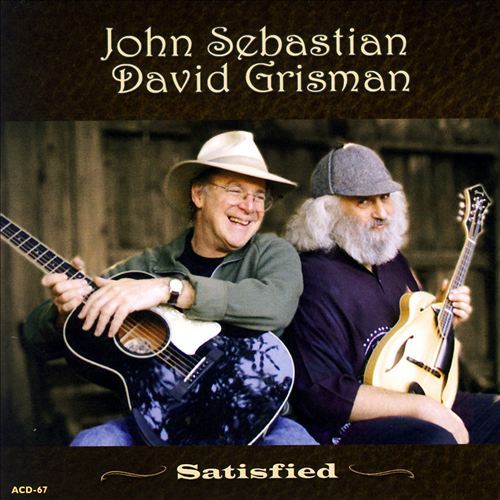
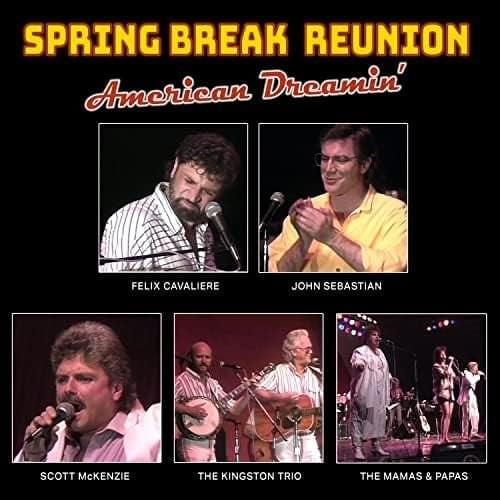
John Sebastian. The name conjures up instant sunshine, tie-dye, and the laid-back vibes of the late '60s. While he might not be topping the charts right now, his music remains eternally relevant, a sonic time capsule of a more innocent era. His hits still soundtrack movies, commercials, and the occasional chill gathering, proving that good vibes never truly go out of style. He continues to perform occasionally, a living legend reminding us of the power of a simple, well-crafted song.
Sebastian's legacy extends beyond just the music. He represents a certain cultural moment, a specific brand of optimistic, folk-infused rock that still resonates with audiences today. He's a reminder that sometimes, the best music is the stuff that makes you feel good.
Early Life & Background
Born in New York City in 1944, John Sebastian comes from a family steeped in musical talent. His father, John Sebastian Sr., was a renowned classical harmonica player, exposing young John to a world of melody and rhythm from an early age. This early exposure undoubtedly shaped his musical sensibilities and instilled in him a deep appreciation for the craft of songwriting.
Growing up in Greenwich Village, the epicenter of the folk music revival, provided a fertile ground for Sebastian's burgeoning talents. He soaked up the sounds of blues, folk, and early rock and roll, absorbing the influences of artists like Lead Belly, Woody Guthrie, and the Everly Brothers. These influences would later become evident in his own unique blend of folk-rock.
He attended Blair Academy, a boarding school in New Jersey, where he further honed his musical skills. He even played in a band called the Timbermen while there. This period was crucial in forming his identity as a musician and solidifying his desire to pursue music as a career.
Career Beginnings
Sebastian's career took off in the early 1960s when he became involved in the Greenwich Village folk scene. He played in various bands, including the Even Dozen Jug Band, honing his skills as a singer, songwriter, and multi-instrumentalist. These early experiences were instrumental in shaping his musical direction and developing his signature sound.
In 1964, Sebastian formed The Lovin' Spoonful with guitarist Zal Yanovsky. The band quickly gained popularity for their upbeat, catchy tunes and their unique blend of rock and roll, folk, and blues. Their music was a breath of fresh air in the mid-1960s, offering a lighter, more optimistic alternative to the heavier sounds of the British Invasion.
The Lovin' Spoonful's breakthrough came with a string of hits that defined the "Summer of Love" era. John Sebastian's songwriting prowess was a key ingredient in the band's success, crafting infectious melodies and lyrics that captured the spirit of the times.
Major Albums & Discography
The Lovin' Spoonful released a string of successful albums in the mid-1960s, solidifying their place in rock and roll history. Their debut album, *Do You Believe in Magic*, was a commercial and critical success, launching them into the spotlight. It perfectly captured the band's youthful energy and infectious melodies.
*Daydream*, released in 1966, further cemented their popularity, showcasing Sebastian's songwriting talents and the band's versatility. The album featured a mix of upbeat pop tunes and more introspective ballads, demonstrating the band's range. Their creative exploration continued to solidify their distinctive sound.
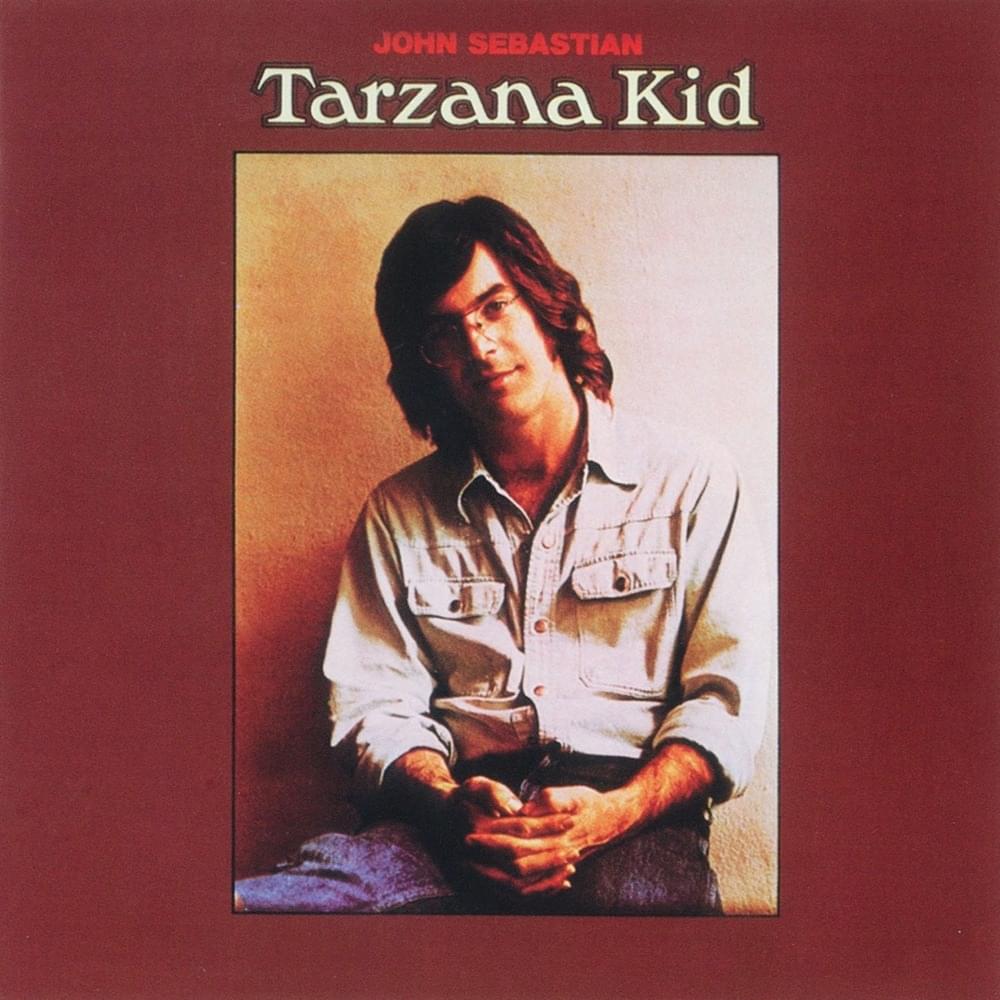
After leaving The Lovin' Spoonful, Sebastian embarked on a solo career, releasing his self-titled debut album in 1970. While it didn't reach the same commercial heights as his work with The Lovin' Spoonful, it showcased his growth as a songwriter and his willingness to experiment with different musical styles. The album remains a testament to his artistic vision and his commitment to pushing creative boundaries.
His later albums, while not as commercially successful, continued to explore different musical avenues. He always remained true to his musical vision, regardless of trends or industry pressures.
Hit Songs & Signature Tracks
John Sebastian's songwriting genius is best exemplified by the string of hits he penned for The Lovin' Spoonful. "Do You Believe in Magic" became an anthem of the era, its infectious energy and optimistic lyrics capturing the spirit of the '60s. The song's enduring popularity is a testament to its timeless appeal.
"Daydream" further cemented Sebastian's reputation as a master songwriter, its whimsical lyrics and catchy melody making it an instant classic. The track became a staple on radio stations and helped to define the sound of the summer of 1966. The song's simple yet effective arrangement is a testament to Sebastian's musicality.
Another standout track, "Summer in the City," perfectly captured the sweltering heat and vibrant energy of New York City summers. The song's driving rhythm and evocative lyrics made it a summer anthem, solidifying The Lovin' Spoonful's place in music history. The song's use of car horns and other urban sounds added to its authenticity and appeal.
Sebastian's solo hit, "Welcome Back," became the theme song for the television show *Welcome Back, Kotter*. It showcased his ability to craft catchy, relatable tunes that resonated with a wide audience. The song's success proved that Sebastian could still write hits outside of The Lovin' Spoonful.
Collaborations & Features
While primarily known for his work with The Lovin' Spoonful and his solo career, John Sebastian has collaborated with several other artists throughout his career. He has lent his musical talents to various projects, showcasing his versatility and his willingness to work with other musicians.
He also appeared as a guest musician on recordings by other artists, adding his signature harmonica playing to their tracks. These collaborations demonstrated his willingness to support other musicians and to contribute to the broader musical landscape.
These collaborations highlight Sebastian's collaborative spirit and his willingness to share his musical talents with others. They also demonstrate his respect within the music community and his ability to work effectively with a variety of artists.
Awards & Achievements
John Sebastian's contributions to music have been recognized with numerous awards and accolades. As a member of The Lovin' Spoonful, he was inducted into the Rock and Roll Hall of Fame in 2000, solidifying his place in music history. This honor recognized the band's significant impact on the development of rock and roll.
His songs have received numerous certifications, including gold and platinum records, recognizing their commercial success and their enduring popularity. These certifications are a testament to the quality of his songwriting and the appeal of his music.
Beyond the formal awards, Sebastian's greatest achievement is the enduring legacy of his music. His songs continue to be played and enjoyed by generations of listeners, proving that his music has stood the test of time. His influence can be heard in the work of countless artists, demonstrating the impact he has had on the music industry.
Personal Life
John Sebastian has maintained a relatively private personal life, focusing primarily on his music. He has been married to his wife, Catherine, since 1972. They have two children together. Public information about his personal life is limited, as he prefers to keep his private life separate from his public persona.
He has also been involved in various philanthropic endeavors, supporting causes that are important to him. While the details of these activities are not widely publicized, they demonstrate his commitment to giving back to the community.
Musical Style & Influence
John Sebastian's musical style is a unique blend of rock and roll, folk, blues, and pop. He seamlessly blends these genres to create a sound that is both familiar and distinctive. His songwriting is characterized by catchy melodies, clever lyrics, and a sense of optimism that is infectious.
He has cited a wide range of artists as influences, including Lead Belly, Woody Guthrie, and the Everly Brothers. These influences are evident in his music, which often incorporates elements of folk, blues, and early rock and roll. His ability to synthesize these influences into his own unique style is a testament to his musicality.
Sebastian's influence can be heard in the work of countless artists who have followed in his footsteps. His songwriting and musical style have inspired generations of musicians, solidifying his place as a major figure in American music. His legacy continues to grow as new generations discover his music and are inspired by his creativity.
Recent Work & What's Next
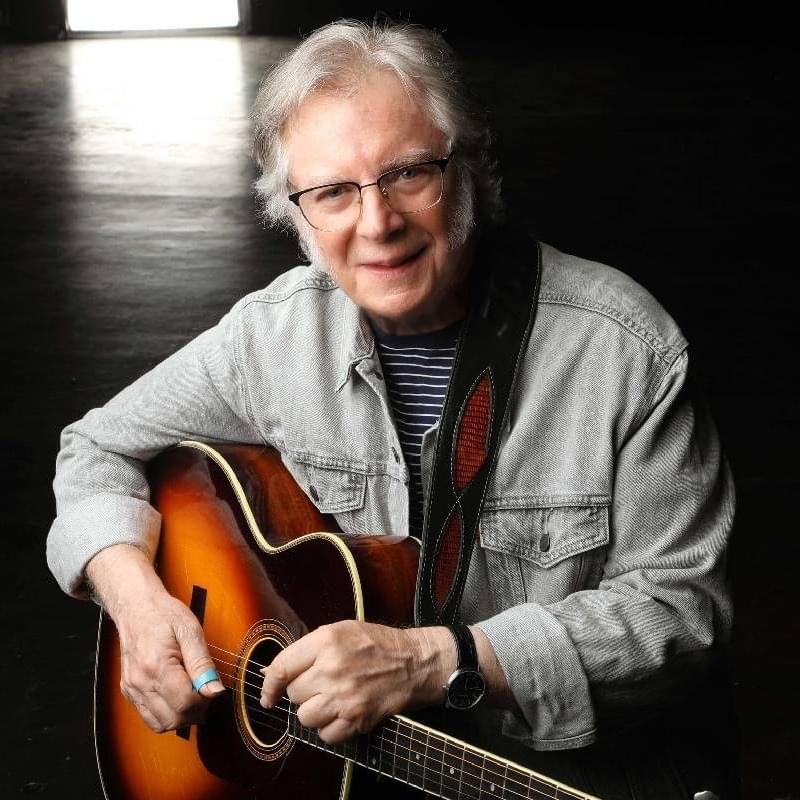
While John Sebastian is no longer actively recording new music, he continues to perform occasionally, delighting audiences with his classic hits. His live performances are a reminder of the power of his music and the enduring appeal of the '60s sound.
He also remains involved in various musical projects, lending his expertise and his support to other artists. His continued involvement in the music industry demonstrates his passion for music and his commitment to supporting the next generation of musicians.
Looking ahead, it's likely that John Sebastian will continue to be celebrated as a living legend, his music continuing to bring joy to audiences around the world. His legacy as a songwriter and performer is secure, and his music will continue to inspire for generations to come.
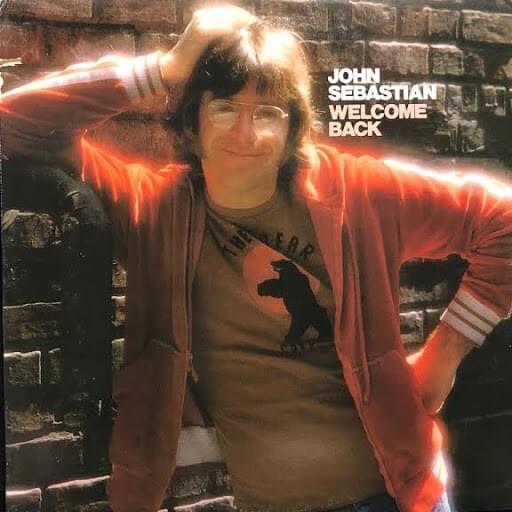 Welcome Back
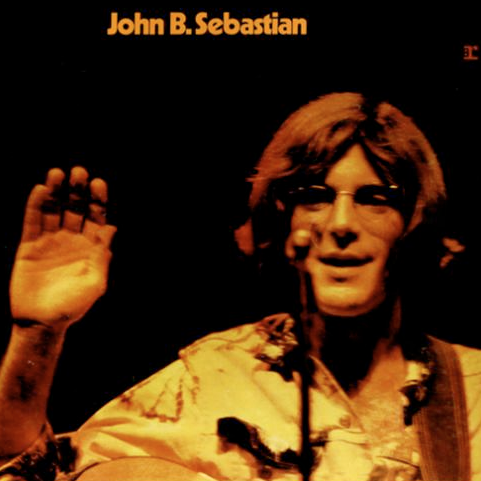 How Have You Been
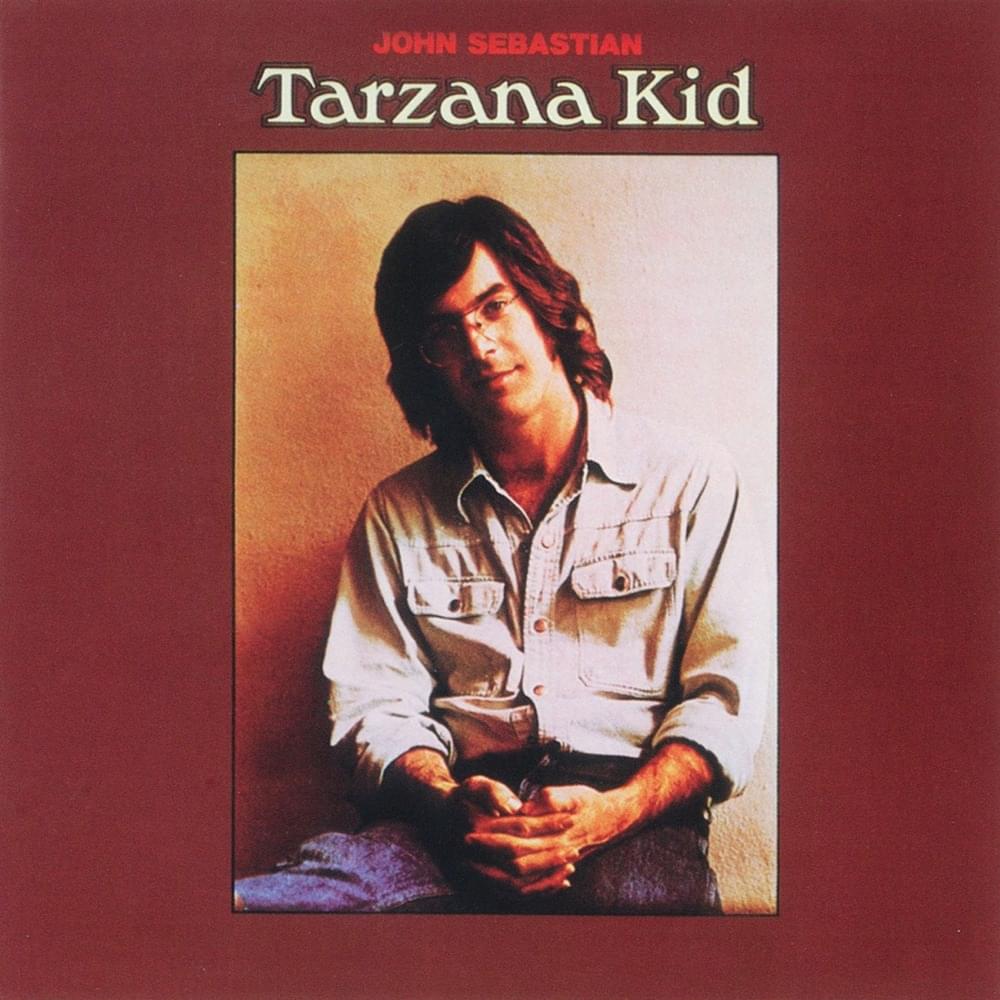 Wild About My Lovin’
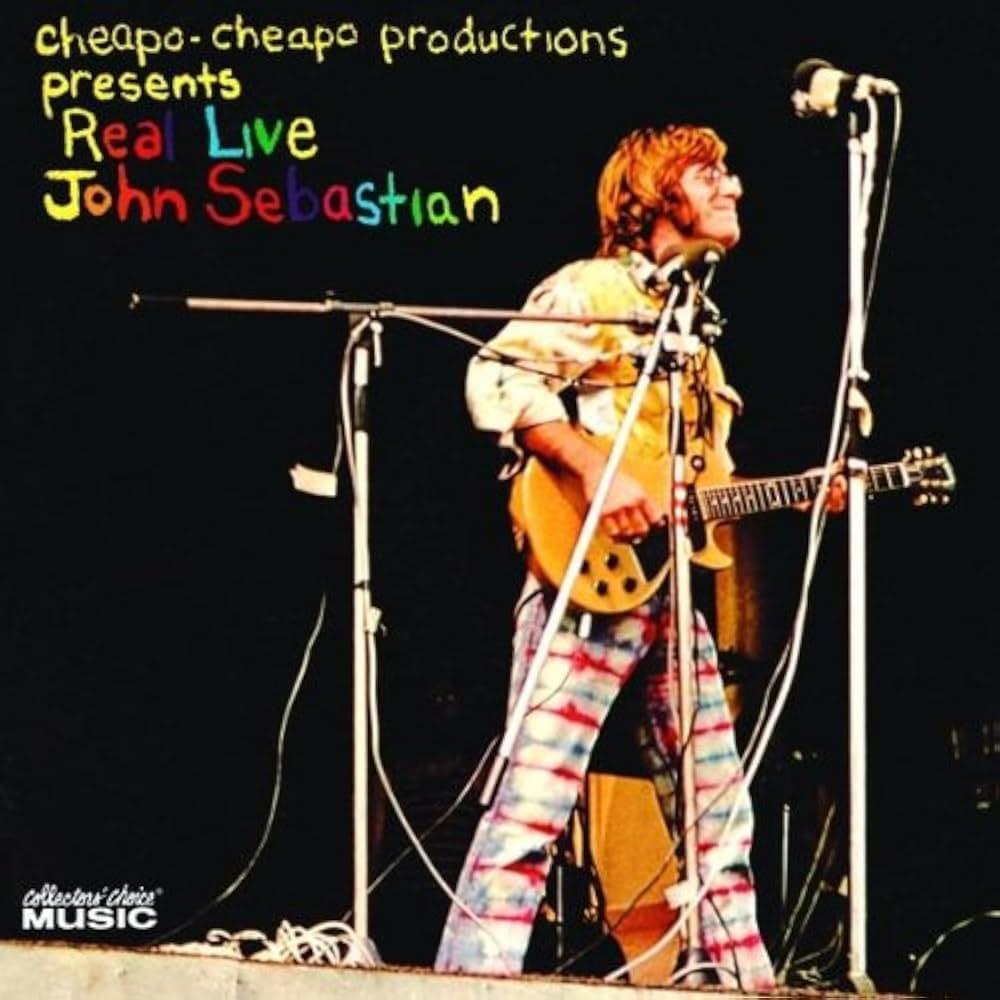 Younger Generation (Live)