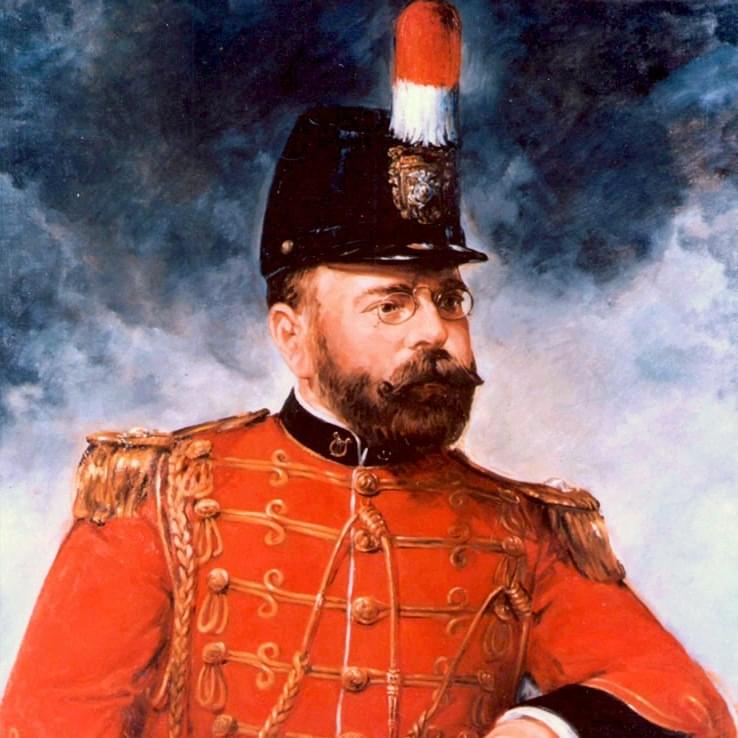
John Philip Sousa
1 Listeners
Artist Bio
Introduction & Current Status
John Philip Sousa might not be topping the Billboard charts today, but his influence on American music is undeniable. Think of him as the OG hype man – the guy who soundtracked a nation's optimism with brassy bangers. Even now, his marches are instantly recognizable, popping up in movies, TV shows, and sporting events. He's the reason your grandma knows the words to "Stars and Stripes Forever," and honestly, that's low-key iconic.
Sousa's impact extends beyond just catchy tunes. He basically invented the modern marching band and fought for musicians' rights back when that wasn't even a thing. So yeah, while you might not see him trending on TikTok, Sousa's legacy is still very much alive and kicking.
He's more than just a composer; he's a cultural touchstone, a symbol of American pride and musical innovation. His compositions continue to inspire musicians and resonate with audiences worldwide, proving that some music truly is timeless.
Early Life & Background
Born in Washington D.C. on November 6, 1854, John Philip Sousa was practically born into music. His father was a trombonist in the U.S. Marine Band, so Sousa was surrounded by brass instruments and military melodies from day one. Talk about a formative experience!
His musical education started early. He enrolled in a music conservatory at a young age, mastering several instruments including violin, piano, and flute. Clearly, this dude was a musical prodigy. All that training would lay the foundation for his future as a composer and conductor.
The vibrant atmosphere of Washington D.C., filled with patriotic fervor and military precision, profoundly shaped his artistic sensibilities. It's safe to say his upbringing was the perfect breeding ground for the future "March King."
Career Beginnings
Sousa's professional journey began at the ripe old age of 13 when he tried to run away and join a circus band. His dad, being the responsible parent, intervened and enlisted him in the U.S. Marine Band as an apprentice. Can you imagine Sousa as a circus performer? Wild.
He spent several years honing his skills in the Marine Band, playing violin and learning the ropes of musical performance and leadership. By the time he was 26, he was appointed as the band's conductor. Talk about rising through the ranks.
This was his breakthrough moment. Sousa transformed the Marine Band into a world-class ensemble, showcasing his talent for arranging and composing. His innovative approach to marching band music quickly gained attention, setting the stage for his illustrious career.
Major Albums & Discography
While Sousa didn't release traditional albums in the modern sense, his extensive catalog of marches and compositions were widely published and performed. These collections served as de facto albums, showcasing his prolific output and diverse musical styles.
His compositions were not just sheet music; they were cultural events. Each new march was eagerly anticipated and widely performed by bands across the country, solidifying his reputation as America's premier composer of patriotic music.
Sousa's "sound" evolved over time, reflecting changing musical tastes and technological advancements. He experimented with different instrumentation and harmonies, always pushing the boundaries of what a marching band could achieve. His legacy isn't just in individual pieces, but in the sheer volume and consistent quality of his work.
Hit Songs & Signature Tracks
Sousa's biggest banger is undoubtedly "Stars and Stripes Forever." This track slaps so hard it's practically the national anthem of marching bands. The piccolo solo? Iconic. The sheer patriotic energy? Unmatched. It's no wonder this march is instantly recognizable worldwide.
Another signature track is "The Washington Post March." This piece gained international fame after being associated with a popular two-step dance. It's catchy, upbeat, and guaranteed to get your feet moving. Think of it as the "Cha-Cha Slide" of the 1890s.
"Semper Fidelis," the official march of the U.S. Marine Corps, is another Sousa classic. It's a powerful and stirring composition that perfectly captures the spirit of the Marines. This track is a must-listen for anyone who appreciates military music.
These aren't just songs; they're cultural artifacts. They represent a specific moment in American history and continue to resonate with audiences today. Each march tells a story, evokes a feeling, and embodies the spirit of a nation.
Collaborations & Features
While Sousa primarily worked with his own band, he did collaborate with other musicians and composers throughout his career. He often featured guest soloists in his performances, showcasing their talents alongside his own ensemble.
He also collaborated with various publishers and arrangers to disseminate his music widely. These partnerships helped to ensure that his compositions reached a broad audience, solidifying his legacy as America's "March King."
Sousa's influence extended beyond traditional collaborations. He inspired countless musicians and composers who followed in his footsteps, carrying on his tradition of patriotic and uplifting music.
Awards & Achievements
While Grammy Awards weren't around in Sousa's time, his achievements are no less impressive. He was a household name, a cultural icon, and a musical innovator. That's like winning a lifetime achievement award every single day.
Sousa received numerous honors and accolades during his lifetime, including honorary degrees from prestigious universities. His music was celebrated by presidents and dignitaries alike, solidifying his status as a national treasure.
His most significant achievement, however, is his enduring legacy. Sousa's music continues to be performed and enjoyed by millions of people around the world, ensuring that his name will forever be synonymous with American marching band music.
Personal Life
Sousa was married to Jane van Middlesworth Bellis and had three children. While he was dedicated to his music, he was also a devoted family man. He was known for his discipline and work ethic, but also for his sense of humor and warmth.
Beyond his musical pursuits, Sousa was an avid sportsman. He enjoyed hunting, fishing, and horseback riding. He even invented a type of trombone slide, proving that he was a true Renaissance man.
Musical Style & Influence
Sousa's musical style is characterized by its patriotic themes, upbeat tempos, and memorable melodies. He blended elements of classical music with popular American tunes, creating a unique and accessible sound.
He was heavily influenced by European military music, but he infused his compositions with a distinctly American spirit. His marches are not just technically brilliant; they're also emotionally resonant, capturing the optimism and energy of a young nation.
Sousa's influence on subsequent generations of musicians is immense. He paved the way for modern marching bands and inspired countless composers to write patriotic and uplifting music. His legacy as America's "March King" is secure.
Recent Work & What's Next
Okay, so Sousa isn't exactly dropping new tracks these days (seeing as he passed away in 1932). But his music is constantly being rediscovered and reinterpreted by new generations of musicians.
His marches continue to be featured in movies, TV shows, and sporting events, ensuring that his legacy lives on. And who knows, maybe one day some Gen Z producer will sample "Stars and Stripes Forever" and create a viral TikTok hit. Stranger things have happened.
Sousa's music is timeless. It transcends generations and continues to inspire and uplift audiences around the world. His impact on American music is undeniable, and his legacy as the "March King" will endure forever.
Popular Albums
Popular Songs
| Track Number | Song | Release Date | Album |
|---|---|---|---|
| 01 | 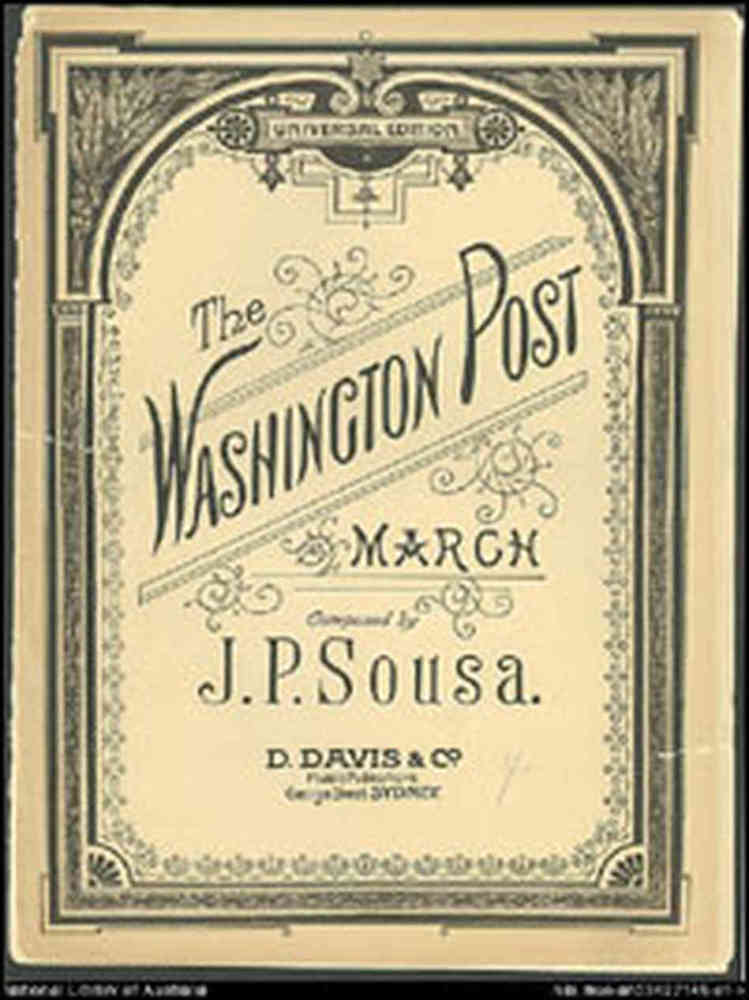 The Washington Post The Washington Post | Jun 15, 1889 | The Stars and Stripes Forever! Great Marches & Incidental Music |
| 02 | 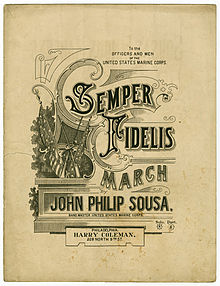 Semper Fidelis Semper Fidelis | Jan 1, 1888 | The Stars and Stripes Forever! Great Marches & Incidental Music |
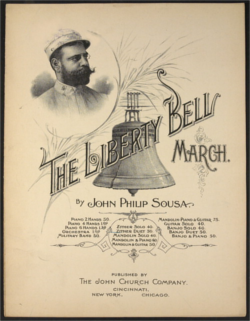
| 03 | The Liberty Bell | Jan 1, 1893 | The Stars and Stripes Forever! Great Marches & Incidental Music |
| 04 |  The Caisson’s Go Rolling Along (U. S. Field Artillery March) The Caisson’s Go Rolling Along (U. S. Field Artillery March) | N/A | Songs of WW1 |
Reviews
Comments
Questions & Answers
Music Awards
0 Total
No Music Awards Found