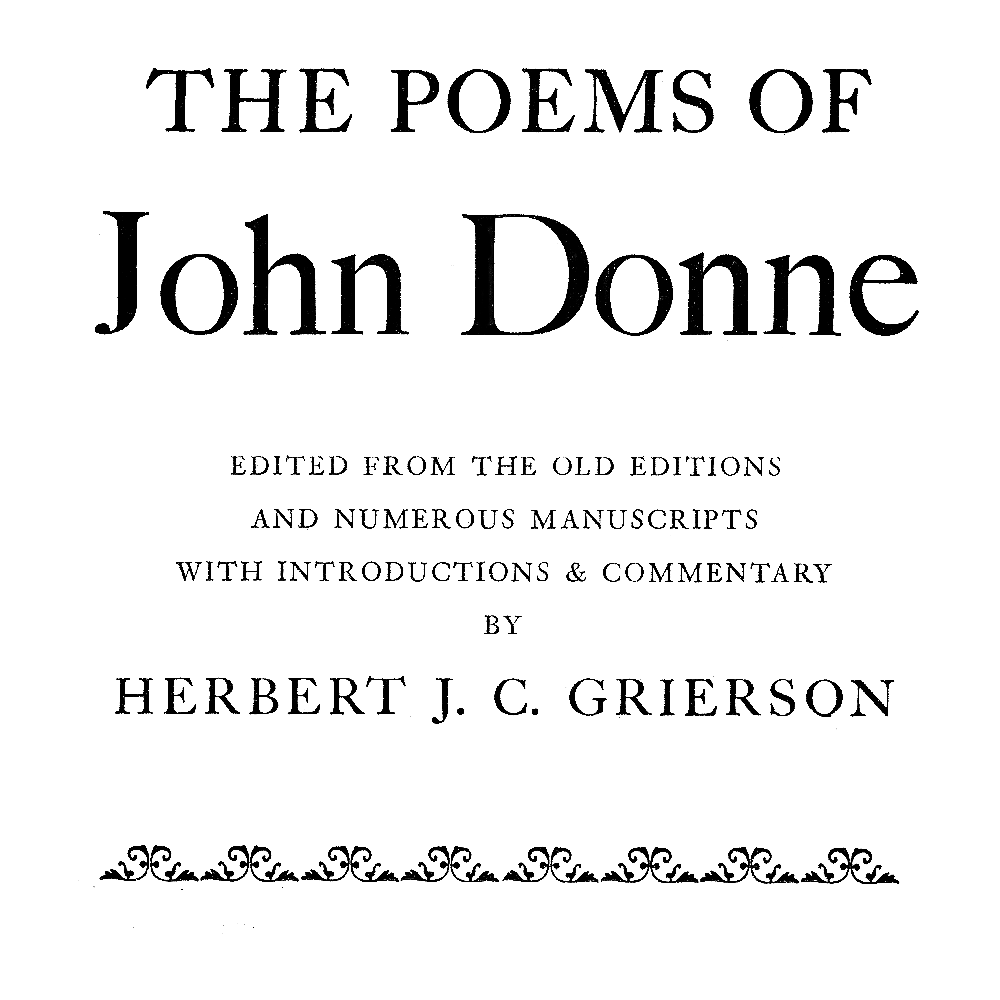
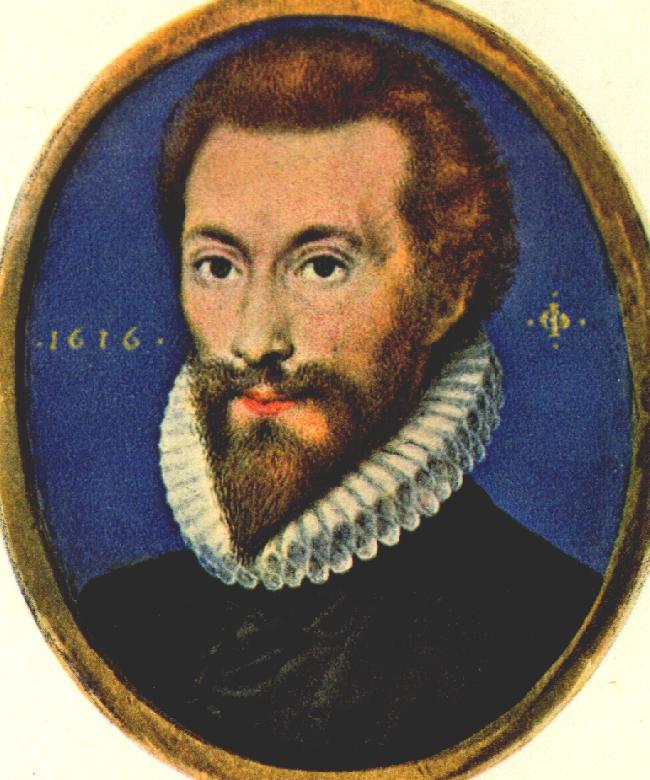
John Donne
52 Listeners
Artist Bio
John Donne: From Metaphysical Poet to Modern Mood Board Icon
Introduction & Current Status
John Donne, the 17th-century poet and cleric, is experiencing a major resurgence. Forget dusty textbooks; Donne's intensely personal and emotionally raw verses are trending. Think of him as the OG emo poet, whose work resonates with anyone who's ever felt deeply – basically, everyone on TikTok. His complex metaphors and explorations of love, death, and faith are finding new life in the digital age.
While he's not exactly topping the Billboard charts, Donne's influence is undeniable. His poetry is sampled in songs, quoted in films, and endlessly shared on social media. He's less a pop star and more a literary legend whose words continue to spark conversations centuries later. His work feels surprisingly contemporary, tackling existential questions with a vulnerability that connects across time.
Donne's current relevance lies in his unflinching honesty. In an era of carefully curated online personas, his raw and unfiltered expressions of human emotion are a breath of fresh air. He proves that timeless art can transcend its original context and speak directly to the anxieties and aspirations of a new generation.
Early Life & Background
Born in London in 1572, John Donne's early life was shaped by religious tensions. His family were devout Catholics at a time when England was increasingly Protestant. This created a sense of otherness and potential danger that undoubtedly influenced his worldview. His upbringing was steeped in intellectual rigor, laying the foundation for his later literary achievements.
Donne's education was extensive, attending both Oxford and Cambridge Universities, though he couldn't obtain a degree from either due to his Catholic faith. This early exposure to classical literature, philosophy, and theology fueled his intellectual curiosity and shaped his unique poetic style. He was a voracious reader, absorbing knowledge from a wide range of sources, which is evident in the density and complexity of his writing.
Despite the challenges he faced as a Catholic in Elizabethan England, Donne's early life provided him with a rich intellectual and emotional landscape. The combination of religious conflict, academic rigor, and personal experiences formed the bedrock of his future poetic explorations.
Career Beginnings
Donne's early career was marked by a restless search for purpose and recognition. After abandoning his initial plans for a career in law, he served as a soldier in the Earl of Essex's expeditions against Spain. This experience broadened his horizons and exposed him to the harsh realities of the world, which would later find their way into his poetry.
He then became a secretary to Sir Thomas Egerton, a prominent figure in the English government. This position offered him a glimpse into the corridors of power and provided him with financial stability. However, his secret marriage to Egerton's niece, Anne More, in 1601, derailed his career and led to his dismissal. The couple faced years of hardship as a result of this act of defiance.
Despite the setbacks, Donne continued to write and circulate his poems in manuscript form. These early works, characterized by their wit, cynicism, and unconventional approach to love and religion, established him as a unique voice in English literature. Although he struggled to find mainstream success early on, his talent was undeniable, and his reputation as a brilliant and innovative poet began to grow.
Major Albums & Discography
As a 17th-century poet, John Donne didn't release albums in the modern sense. His collected poems, published posthumously, serve as his de facto discography, showcasing the evolution of his style and thought. These collections are a treasure trove of metaphysical poetry, filled with complex metaphors, intellectual arguments, and intense emotional experiences.
His early poems, often referred to as his "Songs and Sonnets," are characterized by their wit, cynicism, and exploration of earthly love. These poems are often playful and irreverent, challenging conventional notions of romance. Later in life, Donne turned his attention to religious themes, producing powerful sermons and devotional poems that reflect his spiritual journey.
Donne's major collections reveal a profound shift in his perspective. From the passionate and sometimes cynical love poems of his youth to the deeply spiritual and introspective works of his later years, his poetry reflects a life lived with intensity and intellectual curiosity. His complete works offer a comprehensive portrait of a man grappling with the big questions of life, death, and faith.
Hit Songs & Signature Tracks
While John Donne didn't have traditional "hit songs," certain poems have resonated through the centuries and become iconic works of English literature. "The Flea," with its audacious and unconventional argument for love, remains a popular choice for those seeking a poetic spark. Its clever use of metaphor and playful tone make it a standout example of Donne's wit.
"A Valediction: Forbidding Mourning," is another signature piece, celebrated for its beautiful and profound exploration of spiritual love. The poem's famous compass metaphor perfectly captures the idea of two souls connected by an invisible bond. It's a testament to Donne's ability to express complex emotions with clarity and grace.
"Death Be Not Proud," is perhaps his most famous poem, a defiant and ultimately triumphant meditation on mortality. This sonnet's powerful message of hope and resilience has made it a favorite for readers seeking solace in the face of death. Its enduring popularity speaks to the universal human desire to overcome fear and find meaning in life.
Collaborations & Features
John Donne primarily worked as a solo artist, focusing on his individual poetic and theological pursuits. However, his work has inspired countless artists across various disciplines. His poems have been set to music, adapted for the stage, and referenced in films and literature. While not direct collaborations, these artistic interpretations represent a continued dialogue with his work.
His influence extends to modern music, with artists sampling and referencing his poetry in their lyrics. This cross-pollination of art forms demonstrates the enduring relevance of Donne's themes and ideas. His words continue to resonate with contemporary audiences, proving that great art transcends time and genre.
Donne's legacy is one of inspiration. He may not have collaborated in the traditional sense, but his work has served as a catalyst for countless creative endeavors. His poems continue to spark new interpretations and inspire artists to explore the depths of human emotion and experience.
Awards & Achievements
John Donne's achievements are not measured in Grammy Awards or Billboard charts, but in the enduring impact of his work on literature and culture. He is considered one of the greatest metaphysical poets in the English language, his influence felt by generations of writers. His poems continue to be studied, analyzed, and celebrated for their intellectual depth and emotional power.
His sermons, delivered during his time as Dean of St. Paul's Cathedral, were renowned for their eloquence and theological insight. He was a gifted orator, capable of captivating audiences with his passionate and persuasive speeches. His sermons are considered important works of religious literature, offering a glimpse into the spiritual life of 17th-century England.
Donne's greatest achievement lies in his ability to articulate the complexities of human experience with honesty and insight. His poems and sermons explore the full spectrum of human emotion, from love and joy to grief and despair. His work continues to resonate with readers because it speaks to the universal truths of the human condition.
Personal Life
John Donne's personal life was marked by both joy and tragedy. His marriage to Anne More, though initially opposed by her family, was a source of great happiness. However, the couple faced financial hardship and the loss of several children. Anne's death in 1617 deeply affected Donne and led him to focus more intently on religious matters.
Later in life, Donne became Dean of St. Paul's Cathedral, a position of great prestige and responsibility. He was a respected figure in the church and a powerful voice in religious debates. Despite his earlier struggles, he achieved a level of social and professional success that had eluded him for many years. His life was a testament to his resilience and his unwavering commitment to his beliefs.
Musical Style & Influence
While John Donne predates modern musical genres, his poetic style can be characterized by its intellectual rigor, emotional intensity, and use of complex metaphors. His work is often described as "metaphysical," a term that refers to its exploration of abstract and philosophical themes. His poems are known for their wit, irony, and unconventional use of language.
Donne's influence can be seen in the work of countless writers and artists. His exploration of love, death, and faith has resonated with generations of readers. His use of vivid imagery and powerful language has inspired poets, novelists, and songwriters alike. He is a literary icon whose work continues to shape the landscape of English literature.
His legacy lies in his ability to challenge conventional thinking and to explore the depths of human experience with honesty and courage. He was a true innovator, pushing the boundaries of language and form to create works of lasting beauty and significance. His poems continue to inspire and provoke, reminding us of the power of words to connect us to ourselves and to each other.
Recent Work & What's Next
John Donne's work continues to be discovered and reinterpreted by new audiences. His poems are featured in anthologies, studied in classrooms, and adapted for various media. His ideas are as relevant today as they were centuries ago, offering insights into the human condition that transcend time and culture.
While there are no "new releases" in the traditional sense, his legacy lives on through the ongoing appreciation and interpretation of his work. His poems continue to inspire artists, scholars, and readers around the world. His influence is a testament to the enduring power of great art to connect us to the past, the present, and the future.
Popular Albums
Popular Songs
Reviews
Comments
Questions & Answers
Music Awards
0 Total
No Music Awards Found