Introduction & Current Status
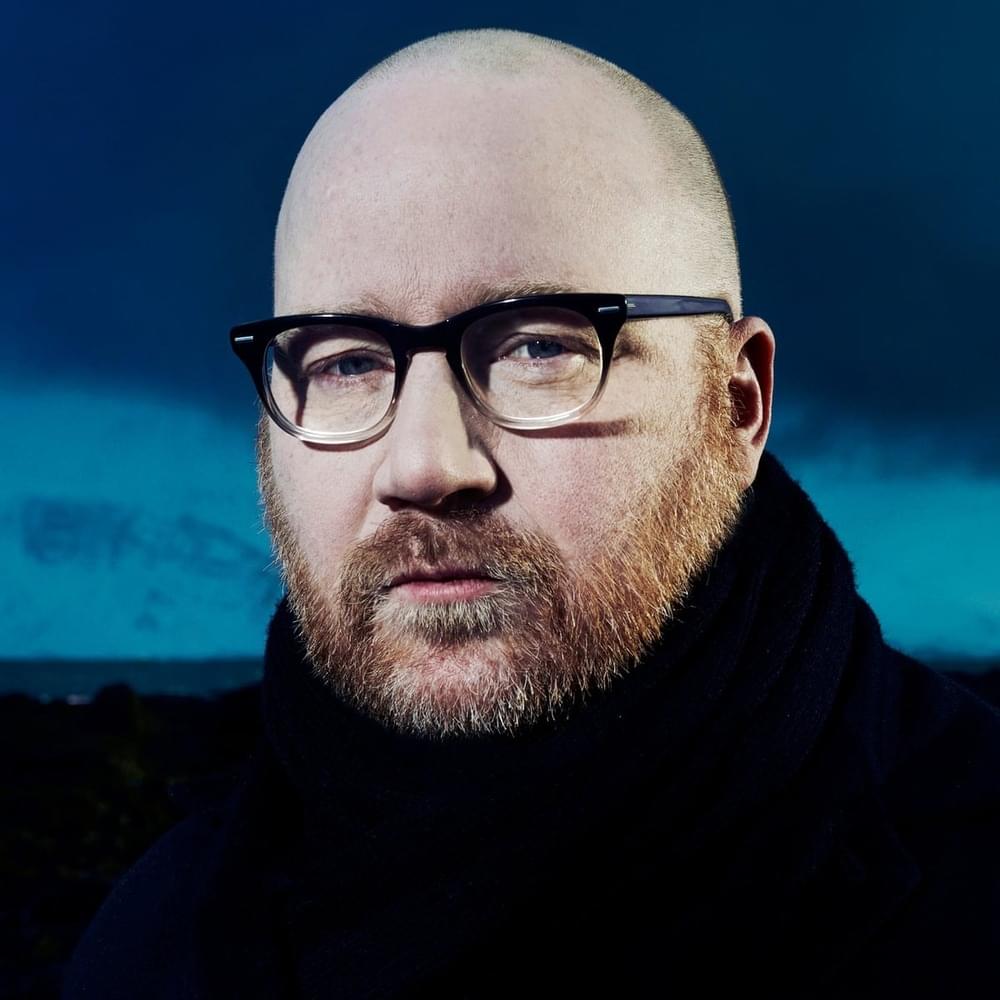
Jóhann Jóhannsson, the Icelandic composer whose haunting scores elevated film and modern classical music, left an indelible mark despite his untimely passing. Though no longer creating new works, his existing catalog continues to resonate, influencing contemporary composers and captivating audiences worldwide. His scores, often characterized by their minimalist beauty and emotional depth, remain staples in film and concert halls. Jóhannsson's innovative blend of electronic and orchestral elements redefined the sound of modern cinema, solidifying his place as a visionary in the field.
His work continues to be discovered by new audiences, thanks to streaming platforms and continued performances of his compositions. Jóhannsson's ability to evoke profound emotions through sound ensures his music remains relevant and impactful. He wasn't just a composer; he was a sonic architect, building worlds of sound that linger long after the credits roll.
Early Life & Background
Born in Reykjavík, Iceland, Jóhannsson's early life was steeped in the country's unique cultural landscape. Growing up in a land of stark beauty and long, dark winters undoubtedly influenced his artistic sensibilities. While details of his childhood are relatively scarce, it's clear that Iceland's distinct environment played a crucial role in shaping his musical vision. He wasn't just from Iceland; he *was* Iceland, in a way.
He initially explored music through guitar playing in various indie bands before gravitating towards composition. This background gave him a unique perspective, blending rock sensibilities with classical training. This genre-bending approach would become a hallmark of his style, setting him apart from his contemporaries. Imagine shredding on guitar one day and scoring a Hollywood blockbuster the next. That was Jóhann.
Career Beginnings
Jóhannsson's career took off in the late 1990s and early 2000s with his solo albums and collaborations within the Icelandic music scene. His early work showcased his experimental approach, blending electronic textures with neo-classical elements. These initial forays laid the groundwork for his later success in film scoring. He was building his empire, one haunting melody at a time.
One pivotal moment was his score for the Icelandic film *Dís*, which garnered significant attention and marked his transition into film composition. This project allowed him to showcase his ability to create deeply evocative soundscapes that enhanced the emotional impact of visual storytelling. It's like he unlocked a cheat code for making movies 10x more emotional.
Major Albums & Discography
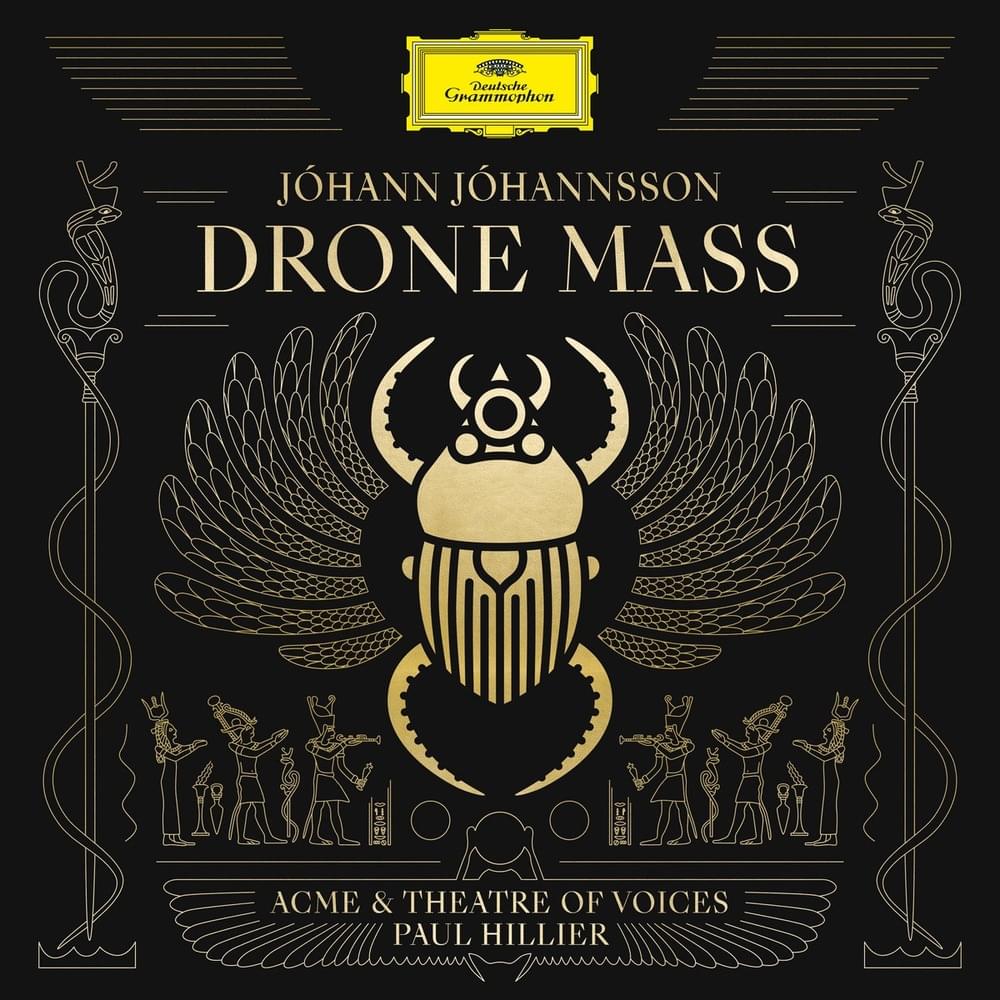
Jóhannsson's discography is a testament to his versatility and artistic vision. His albums, often conceptual and deeply atmospheric, showcase his unique blend of electronic and orchestral elements. Each album is a journey, a sonic exploration of emotions and ideas. He wasn't just making music; he was crafting experiences.
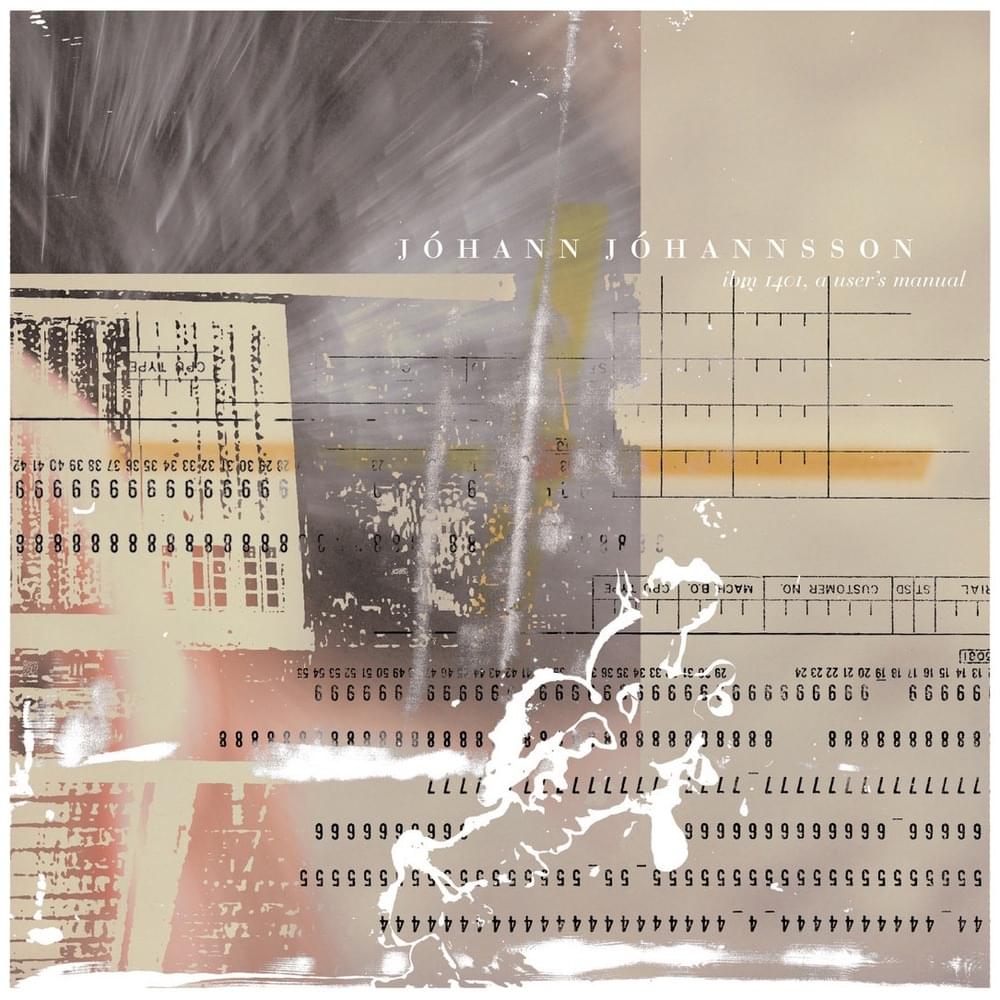
IBM 1401, A User’s Manual stands as a landmark, a conceptual album inspired by his father's work as an IBM engineer. The album blends electronic sounds with orchestral arrangements, creating a haunting and nostalgic atmosphere. Tracks like Part 1/ IBM 1401 Processing Unit, Part 2/ IBM 1403 Printer, Part 3/ IBM 1402 Card Read-Punch, and Part 4/ IBM 729 II Magnetic Tape Unit showcase his talent for creating evocative soundscapes. Part 5/ The Sun’s Gone Dim and the Sky’s Turned Black is a perfect encapsulation of the album's themes.
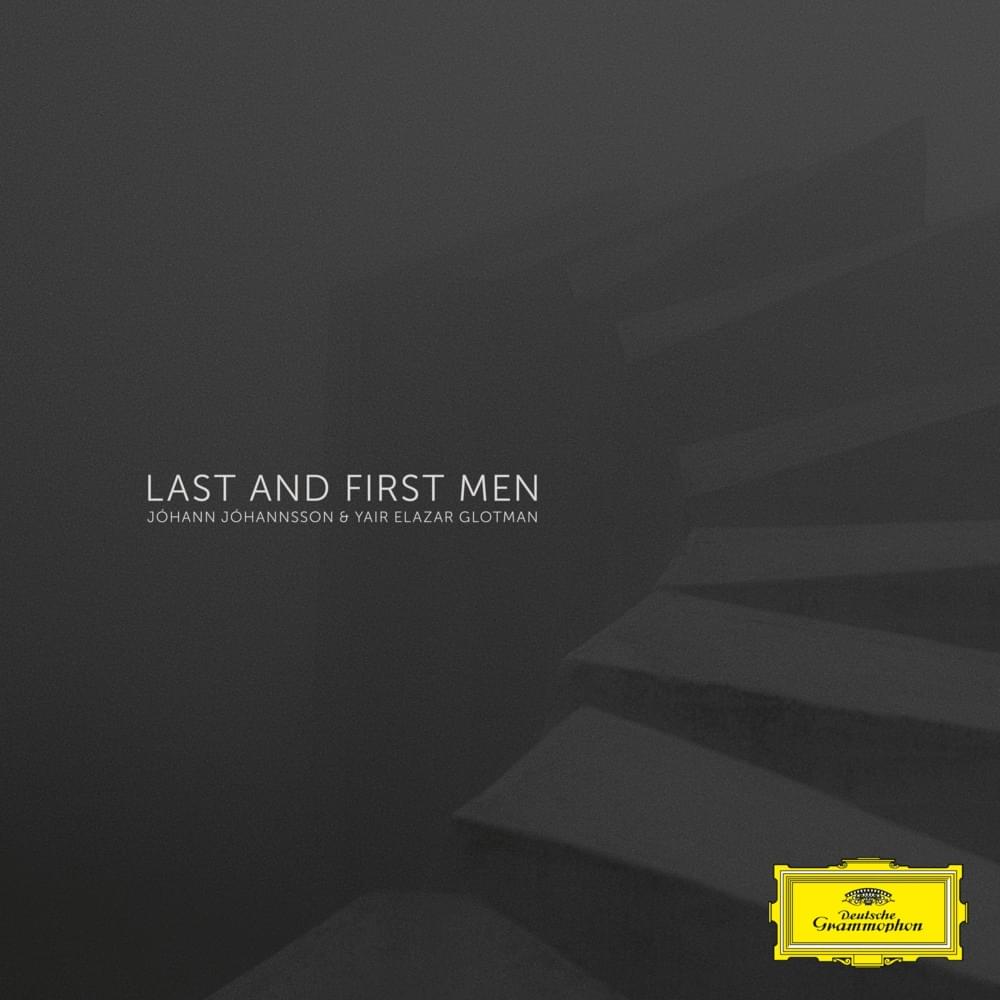
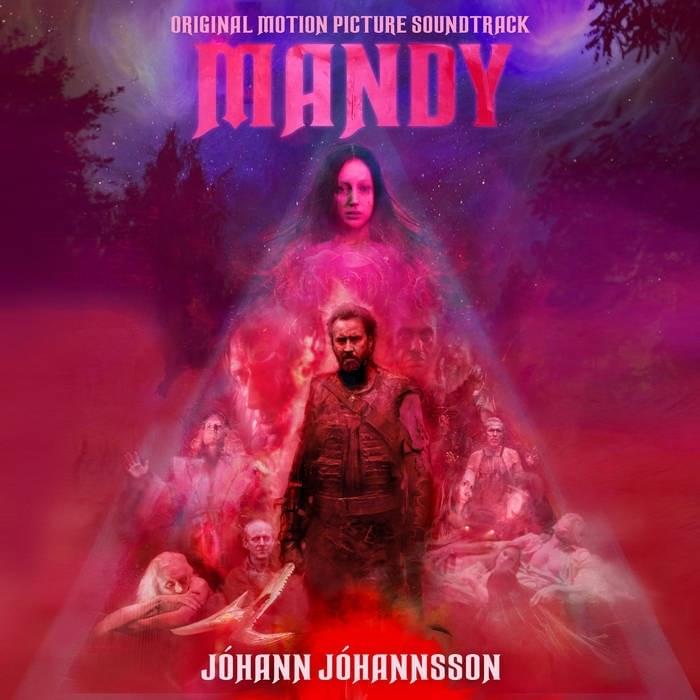
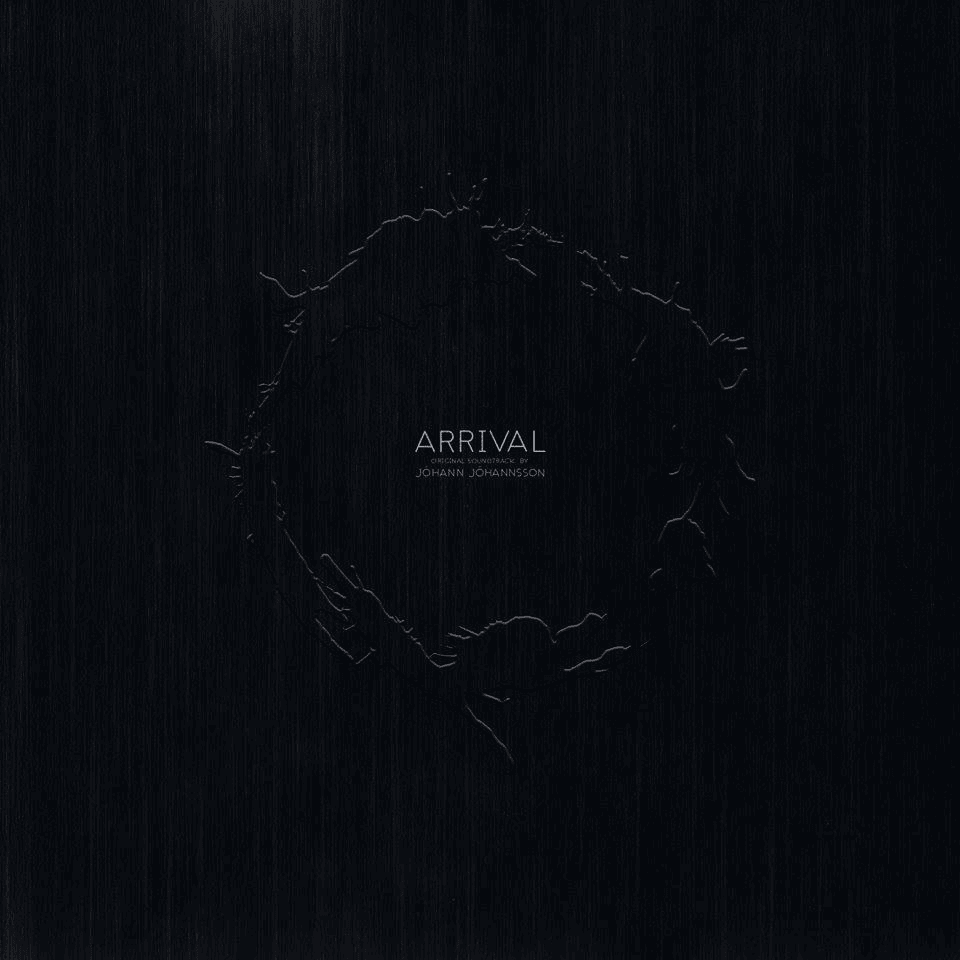
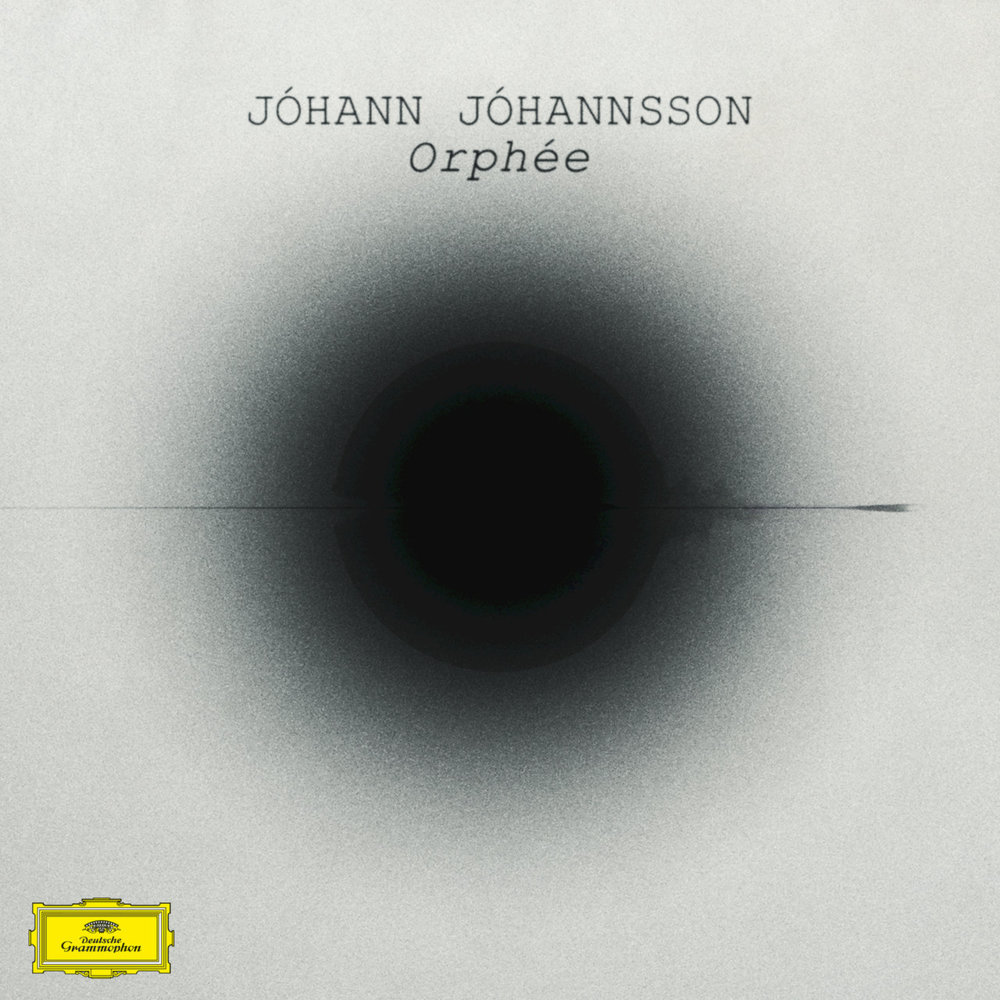
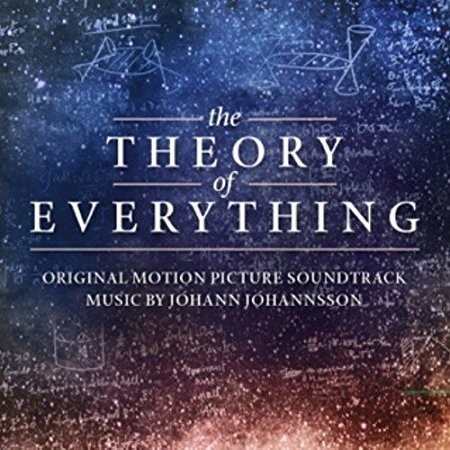
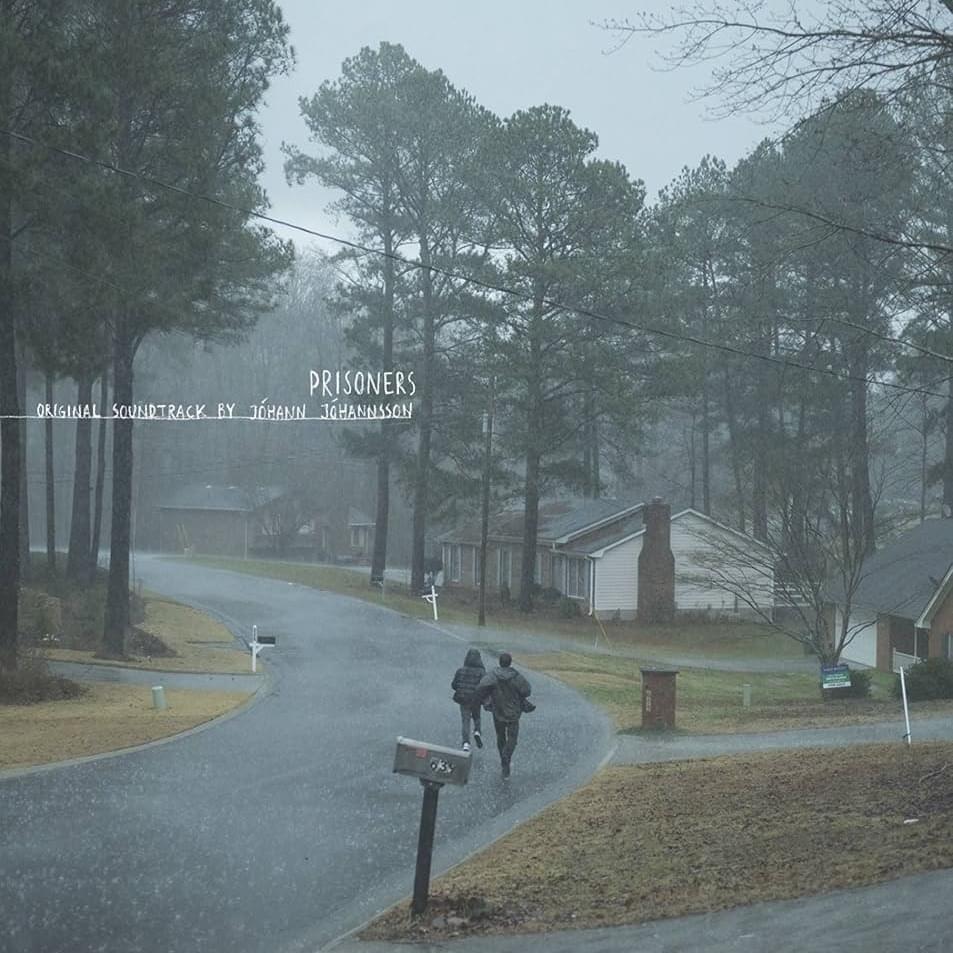
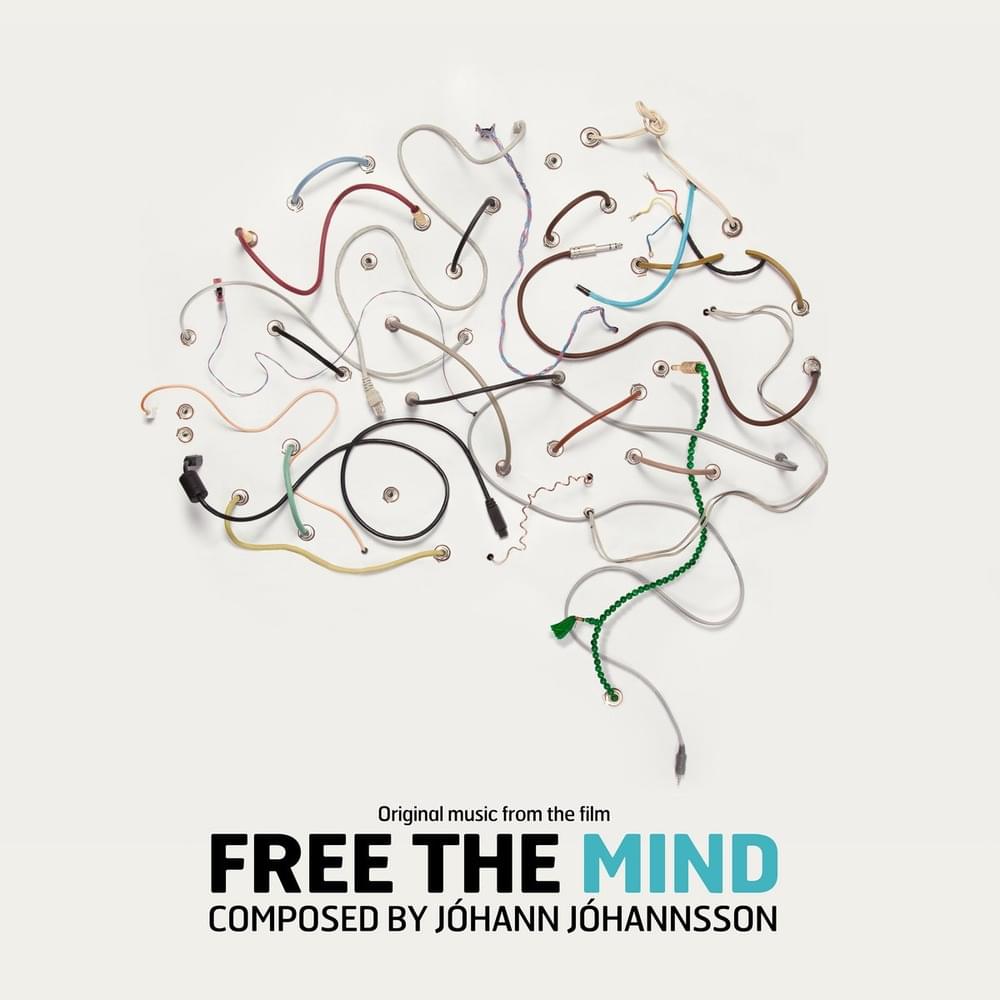
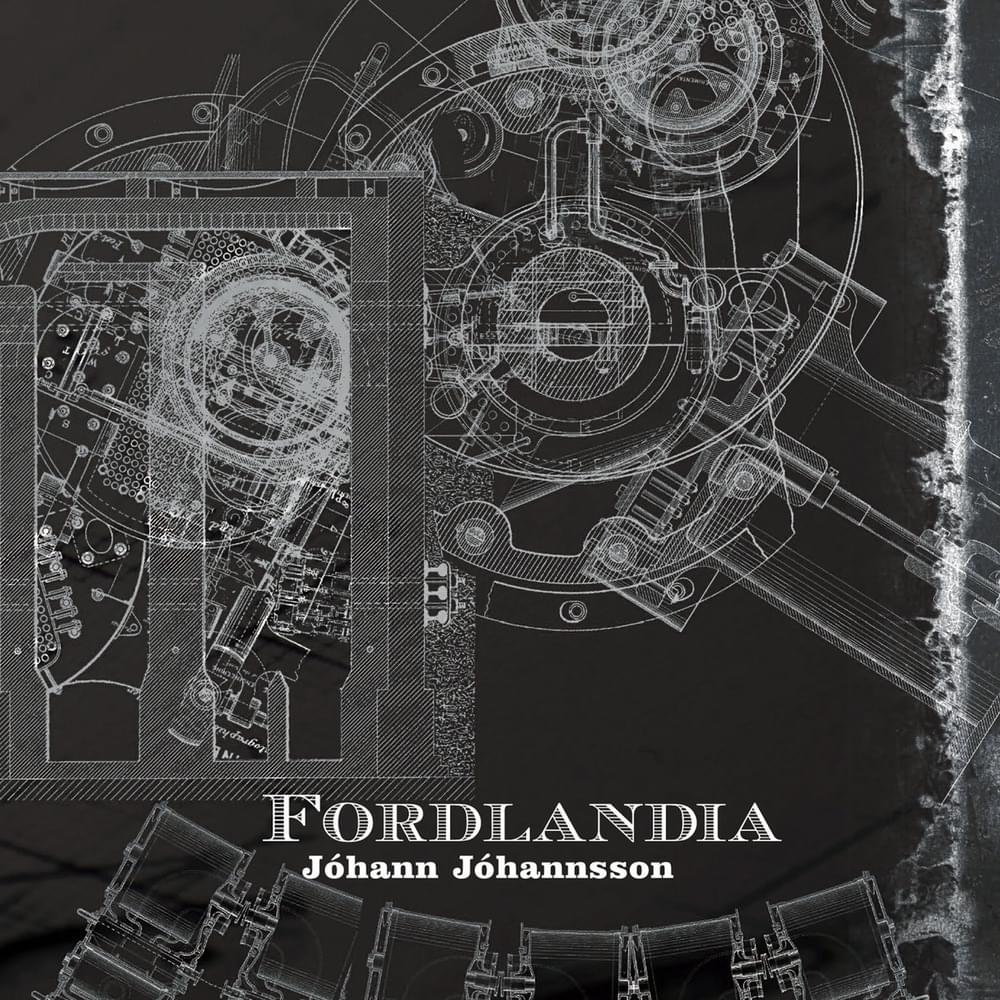
His film scores are equally impressive. The Sicario (Original Motion Picture Soundtrack) is a masterclass in tension and atmosphere. His score for The Theory of Everything (Original Motion Picture Soundtrack) offered a more tender and emotionally resonant experience, while his work on Arrival (Original Motion Picture Soundtrack) is otherworldly and profound. These scores demonstrated his ability to adapt his style to suit diverse narratives, solidifying his reputation as a top-tier film composer. Don't sleep on Mandy (Original Motion Picture Soundtrack) either, it's wild. And let's not forget Orphée, Virðulegu forsetar, Englabörn and And in the endless pause there came the sound of bees. Finally, Last And First Men remains a powerful and haunting work.
Hit Songs & Signature Tracks
While Jóhannsson was primarily known for his album-length works and film scores rather than traditional "hit songs", certain tracks have resonated deeply with listeners and become signature pieces. His compositions often defy easy categorization, blurring the lines between classical, electronic, and ambient music. They're less about catchy hooks and more about creating immersive emotional experiences. Think less pop radio, more art-house cinema.
From *Arrival*, pieces such as Arrival, Heptapod B, and Sapir-Whorf, are now considered modern classics, demonstrating his ability to create otherworldly and emotionally resonant soundscapes. These tracks are the perfect example of his signature style. They are ethereal, haunting, and deeply moving.
Hydraulic Lift and First Encounter are also standout tracks, showcasing his talent for building tension and creating a sense of unease. These pieces exemplify his ability to use music to enhance the emotional impact of visual storytelling. These tracks aren't just background music; they're active participants in the narrative.
Collaborations & Features
Jóhannsson collaborated with a diverse range of artists throughout his career, showcasing his versatility and willingness to experiment. He worked with filmmakers, visual artists, and musicians from various genres, pushing the boundaries of his own creative practice. He wasn't afraid to step outside his comfort zone and explore new sonic territories.
His collaborations with director Denis Villeneuve were particularly fruitful, resulting in critically acclaimed scores for *Sicario* and *Arrival*. These partnerships allowed him to fully realize his vision, creating immersive soundscapes that perfectly complemented Villeneuve's visually stunning films. It's like they were telepathically linked, each enhancing the other's artistic vision. These collaborations are a testament to the power of synergy in art.
Awards & Achievements
Jóhannsson's work was widely recognized and celebrated throughout his career. He received numerous awards and nominations, including Academy Award nominations for his scores for *The Theory of Everything* and *Sicario*. While he didn't win an Oscar, the nominations themselves were a testament to his talent and impact on the film industry. He was playing in the big leagues, and everyone knew it.
He also won a Golden Globe Award for his score for *The Theory of Everything*, solidifying his status as one of the leading film composers of his generation. His work consistently garnered critical acclaim, with many praising his innovative use of sound and his ability to create deeply emotional and atmospheric scores. He wasn't just making music; he was crafting experiences that resonated with audiences worldwide.
Personal Life
Jóhannsson maintained a relatively private personal life, focusing primarily on his music and artistic endeavors. He was known for his dedication to his craft and his commitment to creating innovative and emotionally resonant work. He let his music speak for itself, preferring to stay out of the spotlight.
Beyond his musical achievements, Jóhannsson was deeply engaged with environmental issues, often using his platform to raise awareness about climate change and its impact on Iceland's fragile ecosystem. He wasn't just a musician; he was an advocate for the planet. He understood the power of art to inspire change and used his voice to make a difference.
Musical Style & Influence
Jóhannsson's musical style is characterized by its minimalist beauty, emotional depth, and innovative blend of electronic and orchestral elements. He drew inspiration from a wide range of sources, including classical music, electronic music, and ambient soundscapes. He wasn't afraid to experiment, pushing the boundaries of genre and creating a unique sonic identity.
His work has influenced a new generation of composers and musicians, particularly in the fields of film scoring and modern classical music. His signature sound, characterized by its haunting melodies and atmospheric textures, has become a benchmark for contemporary film scores. He wasn't just a composer; he was a visionary, shaping the future of music.
Jóhannsson's legacy extends beyond his individual compositions. He helped redefine the role of music in film, demonstrating its power to enhance the emotional impact of visual storytelling. His work has inspired countless artists and continues to resonate with audiences worldwide. He left an undeniable mark on the world of music, and his influence will be felt for generations to come.
Recent Work & What's Next
While Jóhann Jóhannsson is no longer with us, his final works continue to be released and celebrated. His score for the film *Mandy*, released posthumously, showcased his darker and more experimental side. These final projects serve as a testament to his enduring talent and his commitment to pushing the boundaries of his art.
His influence on contemporary music remains profound, and his existing body of work continues to inspire and captivate audiences worldwide. Jóhannsson's legacy is secure, ensuring that his music will continue to be discovered and appreciated for years to come.