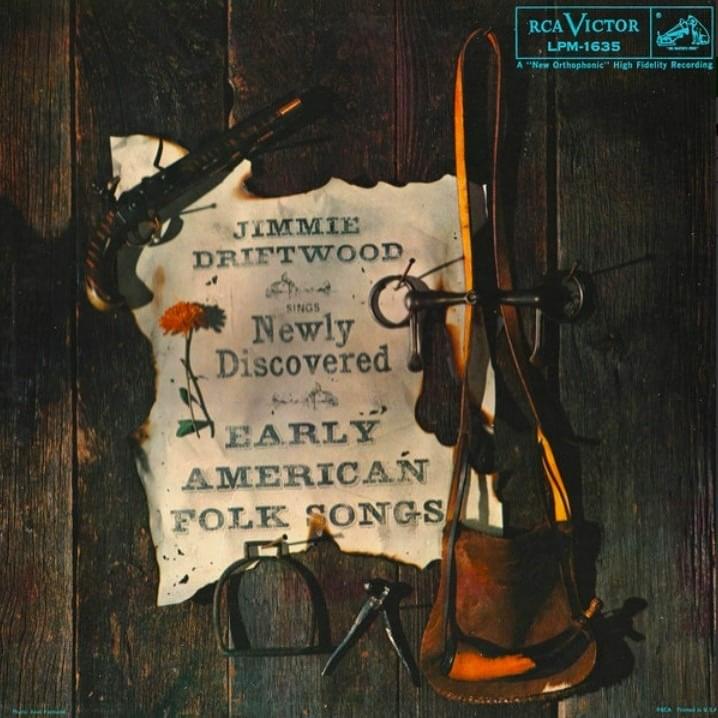
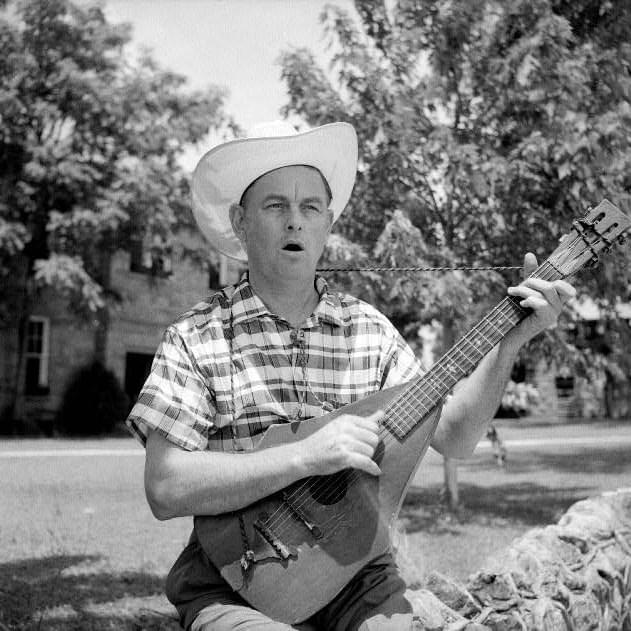
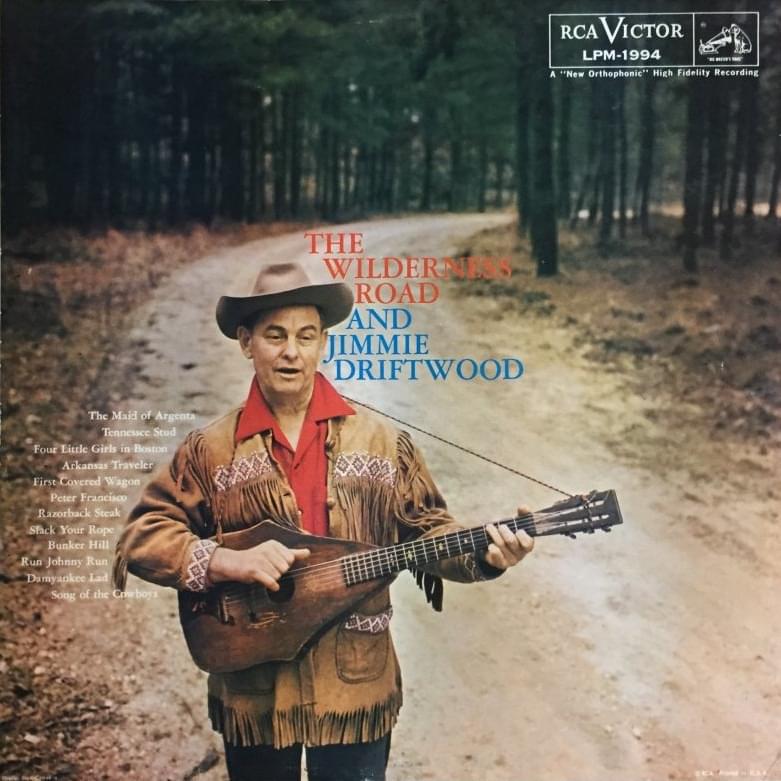
Jimmy Driftwood, born James Corbitt Morris in Timbo, Arkansas, wasn't just a singer; he was a musical historian, a storyteller, and a champion of American folk traditions. While often categorized as country, Driftwood's music transcended genre, weaving tales of historical events, tall tales, and the everyday lives of ordinary people with a distinct pop sensibility that made his songs accessible and enduring. His unique style, characterized by his self-designed, homemade guitar (fashioned from salvaged barn wood), and his distinctive Ozark drawl, established him as a truly original voice in American music.
Driftwood’s early life was steeped in the oral traditions of the Ozark Mountains. He learned songs and stories from his grandfather, a Civil War veteran, which deeply influenced his songwriting. He began writing songs as a child, often setting poems and stories to music. This early immersion in history and folklore shaped his career, leading him to craft songs that both entertained and educated. His commitment to preserving American heritage is evident in many of his compositions.
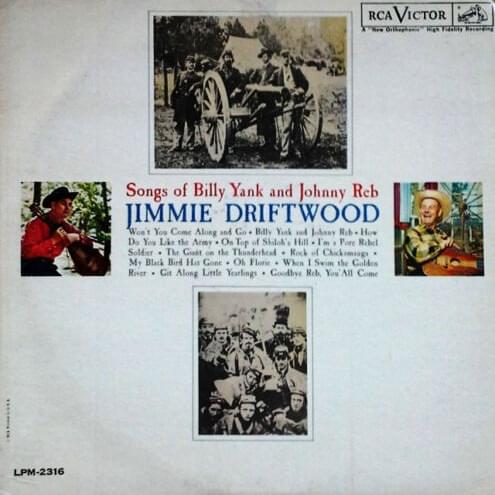
His breakthrough came in the late 1950s with songs like Tennessee Stud, a rollicking narrative of a legendary horse that captured the imagination of listeners across the country. The song became a hit, showcasing Driftwood’s ability to blend historical themes with engaging melodies. Driftwood's talent for spinning yarns into song is also wonderfully displayed in The Giant on the Thunderhead, a whimsical and captivating tale.
Beyond his individual successes, Driftwood was a passionate advocate for education and conservation. He established the Rackensack Folklore Society, dedicated to preserving Ozark Mountain culture, and actively promoted environmental awareness. He felt a deep connection to the land and its history, and he channeled that passion into his music and his community work. Many of his songs told of the hardships of the Civil War era. I'm a Pore Rebel Soldier is a prime example of this.
He also wrote more light-hearted songs such as Git Along Little Yearlings, showcasing his versatility. Driftwood’s legacy extends beyond his recordings. He was a true folk hero, a champion of American history and culture, and a reminder of the power of music to connect us to our past. The poignant When I Swim the Golden River offers a glimpse into the spiritual and reflective side of this multifaceted artist. Even in songs like How Do You Like the Army, Driftwood manages to blend historical context with a touch of humor and social commentary.