Hinton Battle
1 Listeners
Artist Bio
Introduction & Current Status
When we talk about artists who truly left a seismic imprint on culture, Hinton Battle’s name is etched in stone. His passing in January 2024 sent ripples through the entertainment world, a collective gasp for a legend who had been shaping Broadway, dance, and beyond for decades. Tributes poured in from theater icons, Hollywood heavyweights, and fans who understood the sheer magnitude of his talent.
Battle wasn't just a performer; he was a force of nature, a triple-threat icon whose artistry knew no bounds. He wasn't chasing viral moments; he *was* the moment, consistently pushing boundaries and setting new standards. His legacy isn't just about accolades – though he collected plenty – it’s about the indelible mark he left on how we experience storytelling through movement and sound.
At a time when Broadway is increasingly looking for diverse voices and innovative narratives, Battle’s pioneering work feels more relevant than ever. He proved that Black artistry could not only dominate the stage but also redefine its very aesthetic. He’s the blueprint for so many contemporary choreographers and performers, a true OG whose influence continues to echo in every high kick and dramatic flourish.
Early Life & Background
Born in Neubrücke, West Germany, in 1956, Battle’s early life was a unique blend of military family discipline and burgeoning artistic passion. His family eventually settled in Washington D.C., a city with a rich cultural tapestry that undoubtedly fueled his artistic inclinations. It wasn’t long before his innate talent for movement became undeniable.
His formal training began at the renowned Jones-Haywood School of Ballet, a pivotal institution for young Black dancers. It was here that Battle honed the classical techniques that would later inform his groundbreaking, genre-bending style. The rigorous discipline of ballet laid the foundation for the explosive dynamism he’d bring to every stage he graced.
The trajectory of his talent became clear when, at just 12 years old, he earned a scholarship to the prestigious School of American Ballet in New York City. This wasn't just a scholarship; it was a golden ticket, placing him in the epicenter of the dance world. This early exposure to elite training and the competitive environment of NYC shaped his dedication and ambition, setting him on an unstoppable path to stardom.
Career Beginnings
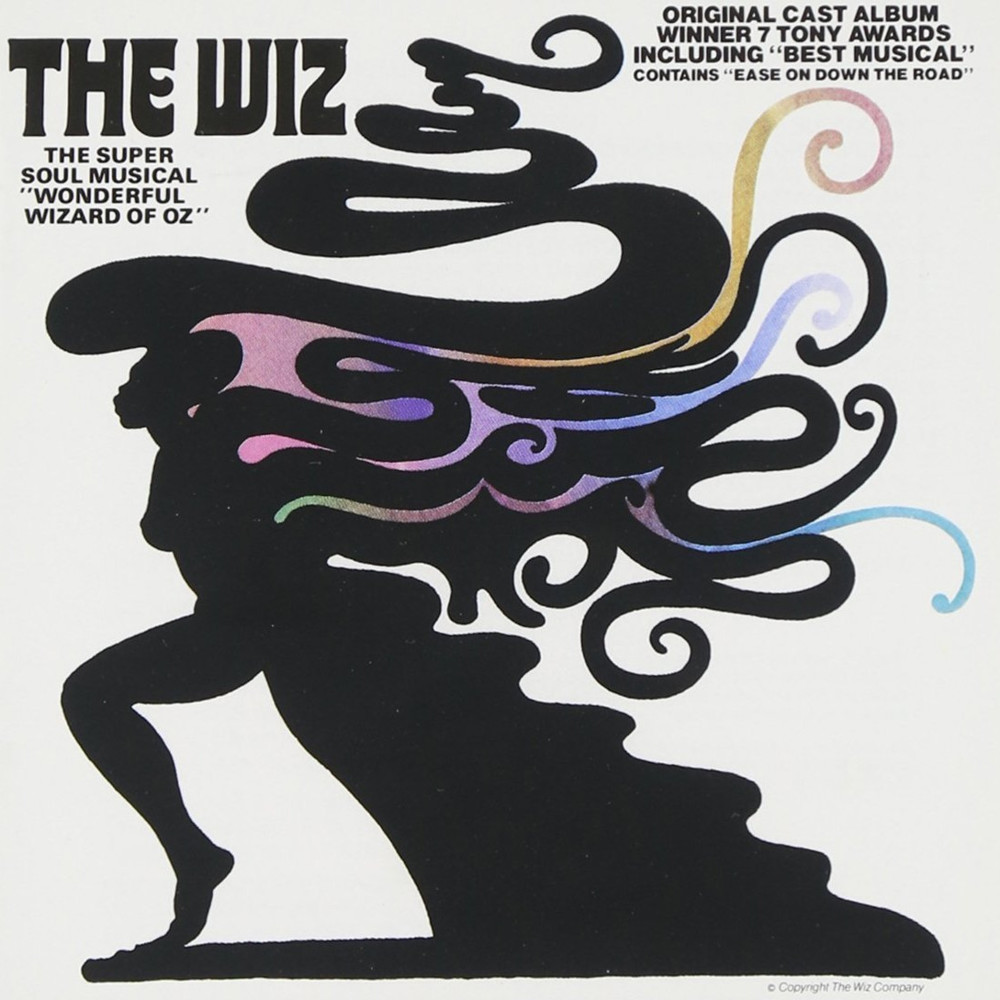
Battle’s Broadway debut was nothing short of iconic, landing the role of the Scarecrow in the original 1975 production of *The Wiz* at a mere 15 years old. Talk about main character energy straight out of the gate! This wasn't just any show; *The Wiz* was a cultural phenomenon, an all-Black reimagining of *The Wizard of Oz* that resonated deeply with audiences and critics alike, challenging traditional Broadway norms.
His performance as the Scarecrow was a masterclass in physical comedy and heartfelt vulnerability, immediately establishing him as a performer to watch. The role demanded a unique blend of dance, acting, and singing, showcasing his incredible versatility right from the jump. *The Wiz* became his breakthrough, launching him from promising young talent to bona fide Broadway star.
The success of *The Wiz* wasn't just about the show itself; it was a testament to the power of diverse storytelling and the undeniable talent within the Black artistic community. Key figures like director Geoffrey Holder and choreographer George Faison were instrumental in creating this groundbreaking production, providing the perfect launching pad for Battle’s burgeoning career. He navigated the demanding schedule and high expectations with a maturity far beyond his years, quickly becoming a fixture in the Broadway scene.
Major Albums & Discography
While Hinton Battle wasn't a traditional pop recording artist, his "discography" is woven into the very fabric of Broadway's most celebrated original cast recordings. These albums aren't just soundtracks; they're sonic time capsules of the productions where he truly shined, either as a performer whose voice and presence were integral or as a choreographer whose vision shaped the entire soundscape of the stage.
His performance on *The Wiz* Original Broadway Cast Recording (1975) is, frankly, legendary. Tracks like "Ease On Down the Road" became anthems, and Battle's contributions as the Scarecrow brought a distinct charm and vocal quality that made the album a staple. Critically, *The Wiz* OBCR was a commercial success, cementing its place as a classic and showcasing Battle’s early vocal prowess within the ensemble.
Later, his choreographic genius was immortalized on cast recordings for shows like *Sophisticated Ladies* (1981) and *Dreamgirls* (1981). While he wasn't singing on every track, his choreography *was* the rhythm and soul of these productions. The critical reception of these albums often highlighted the dynamic energy of the stage, an energy largely attributed to Battle's kinetic vision. He fundamentally shaped how these musicals sounded, even when his voice wasn't front and center, by influencing the pace, emotional arc, and overall vibe that listeners could feel through the recordings.
His involvement in productions like Bob Fosse's *Dancin'* (1978) also contributed to a significant cast album, showcasing his incredible range as a dancer and performer. Across these albums, one can trace the evolution of not just Battle's personal artistic journey, but also the broader sound of Broadway itself, moving from grand theatricality to more nuanced, dynamic, and often jazz-infused styles, a testament to his versatility and impact on the genre.
Hit Songs & Signature Tracks
For Hinton Battle, "hit songs" weren't always chart-toppers in the traditional pop sense, but rather the iconic musical numbers from the Broadway shows he graced, where his performance or choreography became the defining element. These tracks, embedded in the cultural consciousness of musical theater, became his signature pieces, showcasing his unparalleled ability to elevate a moment.
From *The Wiz*, songs like "Ease On Down the Road" and "Brand New Day" are forever linked to his early career. As the Scarecrow, Battle’s vocal contributions and, more importantly, his unique physical interpretation of these songs, made them unforgettable. He brought a specific kind of joyous, hopeful energy that helped the album become a cultural touchstone, often played at home and in schools, exposing new generations to his talent.
While he didn't sing on all of them, the enduring power of numbers from shows he choreographed, like *Dreamgirls*'s "Steppin' to the Bad Side" or the vibrant ensemble pieces from *Sophisticated Ladies*, carry his artistic DNA. His choreography transformed these songs from mere melodies into full-body experiences. The cultural impact of these specific tracks, particularly within the Black community, cannot be overstated, providing empowering narratives and showcasing incredible talent.
His work ensured that these songs weren't just heard, but felt, seen, and remembered. They became a testament to his ability to blend narrative, music, and movement into something truly special. These aren't just songs; they're snapshots of moments where Battle's genius shone brightest, earning critical acclaim and cementing their place in Broadway history as true showstoppers.
Collaborations & Features
Hinton Battle’s career was a masterclass in collaboration, linking him with some of the most legendary figures in musical theater. His work as a performer and choreographer saw him sharing stages and creative spaces with titans whose influence remains profound. These partnerships weren't just gigs; they were moments of creative alchemy that produced some of Broadway's most enduring works.
Early in his career, his collaboration with George Faison and Geoffrey Holder on *The Wiz* set the stage for a lifetime of working with visionary directors and choreographers. Later, he found himself in the orbit of the iconic Bob Fosse, starring in Fosse's critically acclaimed *Dancin'*. This experience undoubtedly shaped Battle's own choreographic philosophy, absorbing Fosse's distinct style while retaining his unique flair.
Perhaps his most celebrated collaborations were with Michael Bennett, the visionary behind *Dreamgirls*. Battle's choreography for this groundbreaking musical was instrumental in its monumental success, blending intricate dance with powerful storytelling. He also collaborated with the legendary Duke Ellington's music in *Sophisticated Ladies*, translating complex jazz arrangements into breathtaking visual spectacles.
Beyond Broadway, Battle ventured into film and television, broadening his collaborative landscape. He notably appeared in the film adaptation of *Dreamgirls*, bringing his full-circle journey with the production to the big screen. His memorable role as the demon "Gnarl" in *Buffy the Vampire Slayer* also showed his willingness to flex his acting muscles in different genres, proving his versatility extended far beyond the stage lights of Broadway.
Awards & Achievements
When it comes to accolades, Hinton Battle wasn't just collecting trophies; he was making history. His three Tony Awards for Best Choreography are not just impressive, they're the stuff of legend. Winning three Tonys in a single category is an achievement that speaks volumes about his unparalleled talent and consistent innovation, placing him in an elite tier of Broadway's greatest minds.
His first Tony came in 1981 for *Sophisticated Ladies*, a vibrant tribute to Duke Ellington's music. This win solidified his status as a choreographic powerhouse, showcasing his ability to blend jazz, tap, and modern dance into a cohesive, dazzling spectacle. He proved he wasn't just a dancer; he was a visionary capable of shaping entire productions.
He quickly followed up with his second Tony in 1982 for the iconic *Dreamgirls*. This win was particularly significant, as his dynamic and emotionally charged choreography was central to the musical's groundbreaking success. The dances became as famous as the songs, cementing *Dreamgirls* as a cultural touchstone and Battle as its kinetic architect.
His third and final Tony arrived in 1984 for *The Tap Dance Kid*. This win underscored his mastery of tap, a form he elevated with contemporary flair and storytelling. Beyond the Tonys, Battle also received numerous nominations and awards, including the Fred Astaire Award. These achievements weren't just personal milestones; they were a testament to his enduring impact on Broadway, setting new benchmarks for excellence in dance and choreography and inspiring generations of performers.
Personal Life
Hinton Battle, while a dazzling public figure on stage, maintained a relatively private personal life, focusing his energy primarily on his craft and artistic endeavors. What was abundantly clear, however, was his unwavering dedication to the performing arts and his passion for nurturing new talent. He wasn't just about his own spotlight; he was about illuminating the path for others.
Later in his career, this dedication manifested in significant philanthropic and educational efforts. He founded the Hinton Battle Theatre Laboratory (HBTL) in Japan, an initiative designed to develop new works and provide a platform for emerging artists. This wasn't just a side hustle; it was a testament to his commitment to the future of theater, showcasing his desire to give back to the community that had shaped him.
Battle's personal life was intertwined with his artistic mission, embodying a philosophy of continuous creation and mentorship. He was known for his generosity of spirit and his willingness to share his vast knowledge and experience with younger generations of dancers, actors, and choreographers. His legacy isn't just in the shows he graced or choreographed, but also in the countless lives he touched and inspired through his work and his passion for artistic excellence.
Musical Style & Influence
Hinton Battle’s musical style, particularly in his choreography, was a vibrant tapestry woven from diverse threads. He seamlessly blended classical ballet precision with the raw energy of jazz, the intricate rhythms of tap, and the fluid grace of modern dance. His work was characterized by its dynamic athleticism, emotional depth, and an unmistakable sense of theatricality that pulled audiences into the heart of the story.
He was deeply influenced by the legends who came before him, notably the intricate storytelling and distinct aesthetic of Bob Fosse, and the groundbreaking Black modern dance traditions championed by figures like Alvin Ailey. Yet, Battle wasn't just an imitator; he absorbed these influences and transmuted them into something entirely his own, creating a signature style that was both sophisticated and street-smart.
Battle's influence on subsequent generations is immeasurable. He paved the way for Black choreographers and dancers to not only succeed but to define the cutting edge of Broadway. His work challenged perceptions of what musical theater dance could be, demonstrating how movement could be as powerful and nuanced as any spoken word or sung lyric. His legacy is one of innovation, pushing boundaries, and proving that true artistry transcends genre, leaving an indelible mark on the cultural landscape of dance and theater.
Recent Work & What's Next
In the later chapters of his illustrious career, Hinton Battle remained a vibrant and active force in the performing arts, continually exploring new avenues for his creative genius. He wasn't content to rest on his well-deserved laurels; instead, he channeled his passion into nurturing the next wave of talent and developing groundbreaking new works, truly embodying the spirit of an artist who never stopped creating.
A significant focus of his later years was the establishment and development of the Hinton Battle Theatre Laboratory (HBTL). Based in Japan, this venture was a testament to his global vision and his commitment to fostering innovative theatrical productions. HBTL aimed to provide a space for artists to experiment, collaborate, and bring fresh stories to life, ensuring his influence would extend far beyond his own performances.
Before his passing, Battle was actively involved in various projects, often lending his unparalleled expertise as a director and choreographer to new musicals and revivals. While specific upcoming tours or albums in the traditional sense might not have been on his immediate horizon, his future direction was clearly focused on mentorship, creative development, and expanding the reach of theater as an art form.
Popular Albums
Popular Songs
| Track Number | Song | Release Date | Album |
|---|---|---|---|
| 01 | I Was Born On The Day Before Yesterday | N/A | The Wiz - The Super Soul Musical: Original Cast Album 1975 Broadway Cast |
| 02 |  The Transaction The Transaction | Jan 1, 1995 | The Complete Recording of Boublil and Schönberg’s Miss Saigon |
| 03 | Bui Doi | Jan 1, 1995 | The Complete Recording of Boublil and Schönberg’s Miss Saigon |
| 04 | Please | Jan 1, 1995 | The Complete Recording of Boublil and Schönberg’s Miss Saigon |
Reviews
Comments
Questions & Answers
Music Awards
0 Total
No Music Awards Found