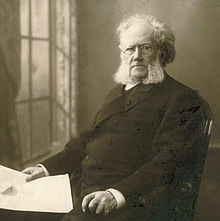
Henrik Ibsen
37 Listeners
Artist Bio
Introduction & Current Status
Henrik Ibsen? More like Henrik *Ibsen-berg* amirite? This 19th-century Norwegian playwright is still dropping truth bombs on modern audiences. Forget dusty old classics; Ibsen's plays are low-key iconic for their savage takes on social norms, gender roles, and the general absurdity of human existence.
Ibsen's works are constantly revived, reinterpreted, and adapted. He's not just some dude in a history book; he's a cultural touchstone. His plays feel as relevant today as when they first premiered. Serving up scandals and sparking debates since way before your TikTok feed existed.
Why does he matter now? Because Ibsen was woke before woke was a thing. He challenged the status quo, skewered hypocrisy, and wrote complex female characters that put most modern rom-coms to shame. We stan a feminist icon, even if he rocked a Victorian beard.
Early Life & Background
Born in Skien, Norway, in 1828, Ibsen's early life was a mixed bag. His family went from relatively wealthy to straight-up broke when he was a kid. This sudden shift in fortune definitely shaped his worldview, fueling his later critiques of societal facades and economic inequality.
Growing up, he was a bit of an outsider. He wasn't exactly crushing it in school, but he was a voracious reader and had a knack for drawing and writing. Even early on, he was showing signs of the main character energy that would later define his plays.
Apprenticed to an apothecary at 15, Ibsen spent his downtime penning poems and plays. Talk about a glow-up. He bounced around a bit, working as a journalist and theater manager before finally hitting his stride as a playwright.
Career Beginnings
Ibsen's early plays were steeped in romantic nationalism, reflecting the political climate of Norway at the time. But it wasn't long before he started to find his own voice – a voice that was sharp, critical, and unafraid to call out BS.
His early works didn't exactly set the world on fire. He faced his fair share of rejection and criticism. But he kept at it, honing his craft and developing his signature style. You gotta respect the hustle.
His breakthrough came with plays like *Brand* (1866) and *Peer Gynt* (1867), which brought him international attention and established him as a major literary force. It also gave him the freedom to live abroad and focus solely on writing.
Major Albums & Discography
Ibsen's discography… I mean, *oeuvre*… is packed with bangers. His works are like concept albums exploring the dark underbelly of society. Let's dive into some of the essential tracks. His exploration of a marriage in crisis, A Doll’s House, dropped like a bomb on Victorian sensibilities.
Then there's Ghosts, which tackles uncomfortable truths about inherited guilt and societal hypocrisy. It was so controversial at the time that it was pretty much universally panned. Talk about ahead of its time.
An Enemy of the People is another classic. It's a searing indictment of groupthink and the dangers of prioritizing profit over public health. The themes are still super relevant today. Also, Hedda Gabler is a deep dive into the psyche of a complex and destructive woman. Her struggle for power in a male-dominated world is both tragic and terrifying.
Finally, consider The Wild Duck. It's a complex exploration of illusion versus reality and the cost of truth. It's peak Ibsen, basically. He continues to drop awesome albums even with The Lady from the Sea, Peer Gynt, The Master Builder, and When We Dead Awaken
Hit Songs & Signature Tracks
Let's be real, Ibsen's plays aren't exactly "songs" in the traditional sense. But they do have banger scenes and iconic monologues that live rent-free in your mind. Think of them as spoken-word masterpieces. *A Doll's House* has Nora's slamming the door heard 'round the world. That's a power move if I've ever seen one.
In An Enemy of the People (Act 1), Dr. Stockmann's impassioned defense of truth is legendary. Dude was spitting facts way before Twitter existed. And you can't forget An Enemy of the People (Act 2), it's a pivotal moment where the tension ratchets up to eleven.
And then in Hedda Gabler there's Hedda's burning of the manuscript. Iconic. Pure chaos. Main character energy. It speaks to a deeper desire for control and freedom. There are so many signature tracks, like Hedda Gabler (Act 1), Hedda Gabler (Act 2), Hedda Gabler (Act 3), and Hedda Gabler (Act 4). They are all masterpieces.
Don't sleep on An Enemy of the People (Act 3), An Enemy of the People (Act 4), and An Enemy of the People (Act 5). In When We Dead Awaken, the dialogue between Rubek and Irene is straight fire. Also, When We Dead Awaken (Act 1) is a must listen.
Collaborations & Features
Ibsen wasn't really known for traditional collaborations. He was more of a lone wolf when it came to writing. But his plays have been adapted and reinterpreted by countless artists across different mediums. That counts for something, right?
Think of all the film adaptations, theatrical productions, and even musical interpretations of his work. He's been sampled, remixed, and reimagined for generations. That's a collab of sorts.
Modern playwrights often cite him as a major influence. So, in a way, he's constantly collaborating with artists who are building upon his legacy. It's like a posthumous supergroup.
Awards & Achievements
Okay, so they didn't have the Grammys back in Ibsen's day. But he racked up plenty of accolades during his lifetime and beyond. He was nominated for the Nobel Prize in Literature multiple times, though he never actually won.
His plays have been translated into countless languages and performed all over the world. That's a flex. He's considered the "father of modern drama," which is a pretty big deal.
Ibsen's impact on literature and theater is undeniable. He paved the way for future generations of playwrights and artists. He's the GOAT of dramatic realism.
Personal Life
Ibsen married Suzannah Thoresen in 1858. They had one son, Sigurd. Their marriage was reportedly a partnership of equals, which was pretty progressive for the time.
He was known for his meticulous appearance and his strong opinions. He wasn't afraid to speak his mind, even if it ruffled feathers. He was a boss.
Musical Style & Influence
Genre-wise, Ibsen is hard to pin down. He's often categorized as a realist or a naturalist. But his work also has elements of symbolism and psychological drama. He was a genre-bender before it was cool.
His influence is vast and far-reaching. Playwrights like Arthur Miller, Tennessee Williams, and Eugene O'Neill owe him a debt of gratitude. He inspired a whole movement of socially conscious drama. You can see his DNA in contemporary works that tackle tough issues and challenge the status quo.
Ibsen's legacy is secure. He's one of the most important and influential playwrights of all time. His plays continue to resonate with audiences because they explore timeless themes of identity, morality, and the human condition. He was the original truth-teller.
Recent Work & What's Next
Okay, so Ibsen isn't exactly dropping new albums these days. But his plays are constantly being revived and reinterpreted. There are always new productions, adaptations, and scholarly analyses of his work popping up all over the world.
His influence can still be felt in contemporary theater and film. He's not just a historical figure. He's a living, breathing presence in the cultural landscape. Keep an eye out for new productions of his plays in your area.
Popular Albums
Popular Songs
| Track Number | Song | Release Date | Album |
|---|---|---|---|
| 01 | A Doll’s House (Act 1) | Jan 1, 1879 | A Doll’s House |
| 02 | A Doll’s House (Act 3) | Jan 1, 1879 | A Doll’s House |
| 03 | A Doll’s House (Act 2) | Jan 1, 1879 | A Doll’s House |
| 04 |  The Lady from the Sea (Act 1) The Lady from the Sea (Act 1) | N/A | The Lady from the Sea |
| 05 |  The Master Builder (Act 1) The Master Builder (Act 1) | N/A | The Master Builder |
| 06 | 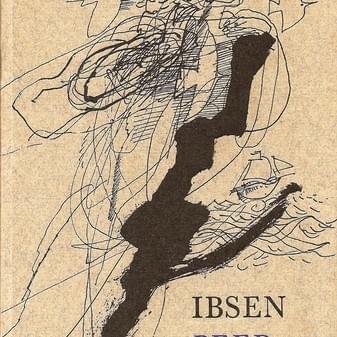 Peer Gynt - Act 4 Peer Gynt - Act 4 | N/A | Peer Gynt |
| 07 | 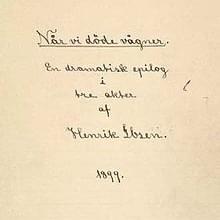 When We Dead Awaken (Act 1) When We Dead Awaken (Act 1) | N/A | When We Dead Awaken |
| 08 | Peer Gynt - Act 3 | N/A | Peer Gynt |
| 09 | Peer Gynt (Act 1) | N/A | Peer Gynt |
| 10 | The Lady from the Sea (Act 3) | N/A | The Lady from the Sea |
| 11 | The Lady from the Sea (Act 5) | N/A | The Lady from the Sea |
| 12 |  Ghosts (Act 2) Ghosts (Act 2) | N/A | Ghosts |
| 13 | The Lady from the Sea (Act 4) | N/A | The Lady from the Sea |
| 14 | 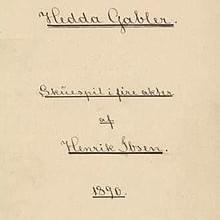 Hedda Gabler (Act 3) Hedda Gabler (Act 3) | N/A | Hedda Gabler |
| 15 | 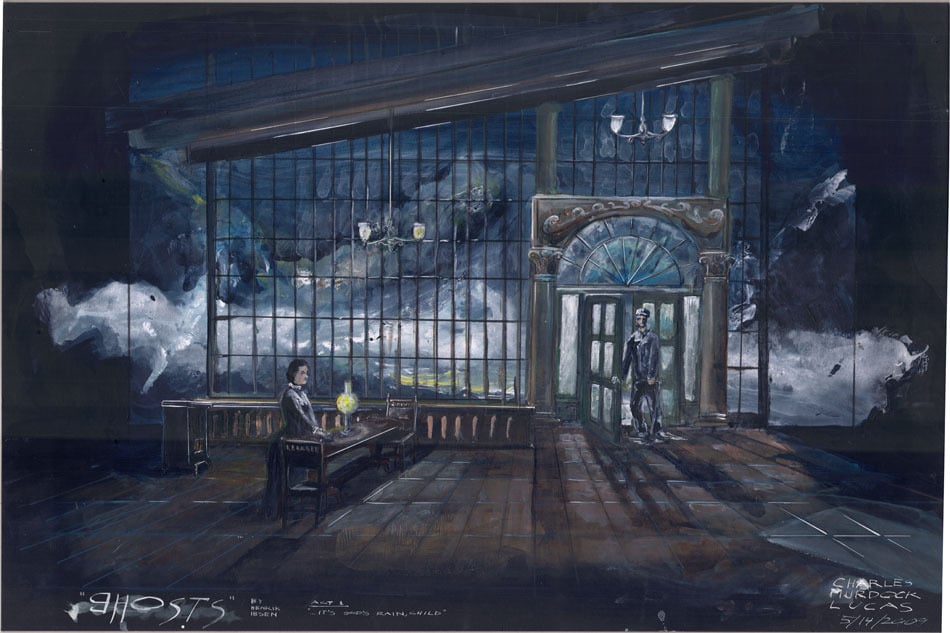 Ghosts (Act 1) Ghosts (Act 1) | Jan 1, 1881 | Ghosts |
| 16 |  The Wild Duck (Act 2) The Wild Duck (Act 2) | N/A | The Wild Duck |
| 17 | Ghosts (Act 3) | N/A | Ghosts |
| 18 | Peer Gynt - Act 2 | N/A | Peer Gynt |
| 19 | The Wild Duck (Act 3) | N/A | The Wild Duck |
| 20 |  An Enemy of the People (Act 3) An Enemy of the People (Act 3) | N/A | An Enemy of the People |
Reviews
Comments
Questions & Answers
Music Awards
0 Total
No Music Awards Found