Harmonia
5.9K Listeners
Artist Bio
Introduction & Current Status
Harmonia, the krautrock supergroup featuring members of Cluster and Neu!, might not be topping the charts today, but their influence on modern music is undeniable. Formed in the early 1970s, they created a sound that was both experimental and strangely accessible, laying the groundwork for genres like ambient, electronic, and even indie rock. Think of them as the cool grandparents of your favorite synth-pop band.
While their original run was brief, their music has found a new audience through reissues, documentaries, and sampling. Artists like Brian Eno and David Bowie have cited them as major influences, cementing their place in the pantheon of innovative music-makers. They're a band that rewards deep listening, offering layers of sonic texture and a unique sense of atmosphere.
Early Life & Background
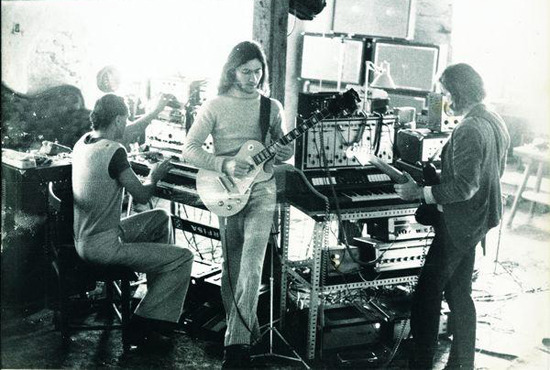
Harmonia came about when members of two already-established avant-garde groups, Cluster and Neu!, decided to pool their talents. Cluster, consisting of Hans-Joachim Roedelius and Dieter Moebius, was known for its experimental electronic soundscapes. Neu!, featuring Michael Rother and Klaus Dinger, pioneered a driving, motorik beat that would become a krautrock staple. Imagine the creative energy in that room!
The band set up shop in Forst, a rural area of West Germany, creating a communal living and recording space. This isolated environment fostered a unique creative process, free from the pressures and distractions of the music industry. They were truly forging their own path, both sonically and geographically.
This deliberate isolation allowed them to fully immerse themselves in their music. Roedelius and Moebius brought their improvisational, textural approach from Cluster, while Rother contributed his melodic sensibility and Dinger his rhythmic drive (though Dinger didn't participate in Harmonia directly). It was a collision of creative forces that resulted in something truly special.
Career Beginnings
The seeds of Harmonia were sown in the fertile ground of the early 1970s German experimental music scene. Cluster and Neu! were already pushing boundaries, but the members felt a desire to explore new sonic territories. The move to Forst was a deliberate attempt to escape the constraints of traditional recording studios and create a space for pure artistic expression.
The band's formation was less about a calculated career move and more about a shared artistic vision. They were driven by a desire to experiment with sound, to create music that was both challenging and beautiful. This DIY ethos was central to their identity, and it's a big part of what makes their music so compelling.
Their early recordings were characterized by a blend of electronic experimentation, ambient textures, and driving rhythms. They weren't chasing commercial success; they were focused on creating something unique and authentic. This artistic integrity is what has allowed their music to endure and find new audiences decades later.
Major Albums & Discography
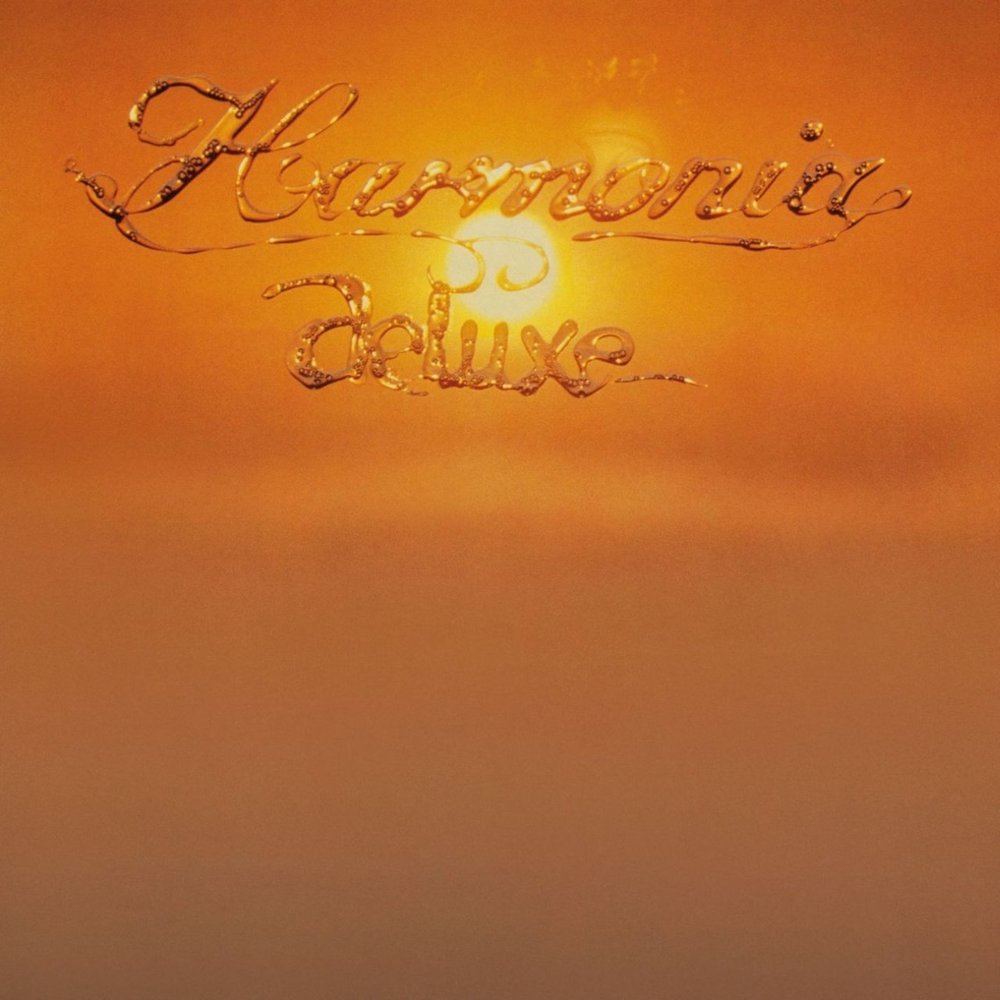
Harmonia released two studio albums during their initial run: "Musik von Harmonia" (1974) and "De Luxe" (1975). "Musik von Harmonia" is a hypnotic blend of ambient textures, electronic pulses, and melodic fragments. It's a journey into a sonic landscape that is both strangely familiar and utterly alien. The album established their signature sound: a unique fusion of their individual backgrounds.
"De Luxe" took a slightly different approach, incorporating more pop sensibilities while still retaining their experimental edge. It featured the track "Dino," which became something of an underground hit. This album showcased their ability to create music that was both accessible and challenging, demonstrating their range as artists.
A posthumous collaboration with Brian Eno, titled "Tracks and Traces," was recorded in 1976 but not released until 1997. This album offers a fascinating glimpse into their creative process, showcasing the improvisational nature of their work. It's a testament to their enduring influence that even decades after their initial run, their music continues to inspire and intrigue.
Hit Songs & Signature Tracks
While Harmonia wasn't exactly a singles band, they did create some tracks that have become cult classics. "Dino," from the album "De Luxe," is perhaps their most well-known song. Its blend of driving rhythm and melodic simplicity made it a favorite among krautrock fans. It's a perfect example of their ability to create music that is both experimental and catchy.
Other notable tracks include "Watussi" from "Musik von Harmonia," which showcases their ability to create immersive sonic landscapes. These tracks aren't necessarily "hits" in the traditional sense, but they are essential listening for anyone interested in understanding Harmonia's unique sound. They represent the band's innovative approach to music production.
Their influence can be heard in countless artists who have followed in their footsteps. From ambient pioneers to electronic music producers, Harmonia's legacy continues to resonate through the music world. These tracks, while not chart-toppers, are foundational to the development of electronic music as we know it today.
Collaborations & Features
Harmonia's most notable collaboration was with Brian Eno, resulting in the album "Tracks and Traces." Eno, a pioneer of ambient music, was a fan of Harmonia's work and sought them out for a collaborative project. This collaboration was a meeting of minds between two of the most innovative forces in experimental music.
The collaboration with Eno further cemented Harmonia's place in the avant-garde music scene. It also helped to introduce their music to a wider audience, as Eno's reputation brought increased attention to their work. This partnership remains a high point in the band's history.
While they didn't engage in many other formal collaborations, their influence can be heard in the work of countless artists who have sampled or been inspired by their music. Their sound has become a touchstone for experimental musicians across genres, demonstrating their lasting impact on the musical landscape.
Awards & Achievements
While Harmonia didn't win any major awards during their initial run, their influence has been recognized in retrospect. They have been cited as a major influence by numerous prominent musicians, including David Bowie and Brian Eno. Their albums have been reissued to critical acclaim, and their music has been featured in films and documentaries.
Their biggest achievement is arguably their lasting impact on the development of electronic and experimental music. They helped to pave the way for genres like ambient, techno, and IDM. Their innovative approach to sound and their commitment to artistic integrity have inspired generations of musicians.
Their legacy continues to grow as new audiences discover their music. They are a band that rewards deep listening, offering a unique and rewarding sonic experience. Their influence can be heard in countless artists who are pushing the boundaries of music today.
Personal Life
The members of Harmonia lived a relatively secluded life during their time together in Forst. They were focused on their music and their communal living arrangement. This isolation allowed them to fully immerse themselves in their creative process, free from the distractions of the outside world.
After Harmonia disbanded, the members went on to pursue individual projects. Roedelius and Moebius continued to work as Cluster, while Rother pursued a solo career. Despite their individual successes, their work with Harmonia remains a high point in their respective careers.
Musical Style & Influence
Harmonia's musical style is often described as krautrock, but that label doesn't fully capture the complexity of their sound. They blended elements of electronic music, ambient textures, and driving rhythms to create something truly unique. Their music is both experimental and strangely accessible, offering a blend of sonic textures and melodic fragments.
They were influenced by a wide range of artists, including Kraftwerk, Can, and early electronic music pioneers. In turn, they have influenced countless artists who have followed in their footsteps. Their music has become a touchstone for experimental musicians across genres, demonstrating their lasting impact on the musical landscape.
Their legacy can be heard in the work of artists like Radiohead, Aphex Twin, and countless others. They helped to pave the way for the development of electronic music as we know it today. Their innovative approach to sound and their commitment to artistic integrity have inspired generations of musicians.
Recent Work & What's Next
While Harmonia disbanded in the 1970s, their music continues to be discovered and appreciated by new audiences. Their albums have been reissued to critical acclaim, and their influence can be heard in the work of countless artists. Their legacy continues to grow as new generations discover their unique sound.
There are no plans for a Harmonia reunion, but their music lives on through reissues, compilations, and the work of the artists they have influenced. Their contribution to the world of music is undeniable, and their innovative spirit continues to inspire musicians today.
Popular Albums
Popular Songs
| Track Number | Song | Release Date | Album |
|---|---|---|---|
| 01 | Deluxe (Immer Wieder) | N/A | Deluxe |
| 02 | 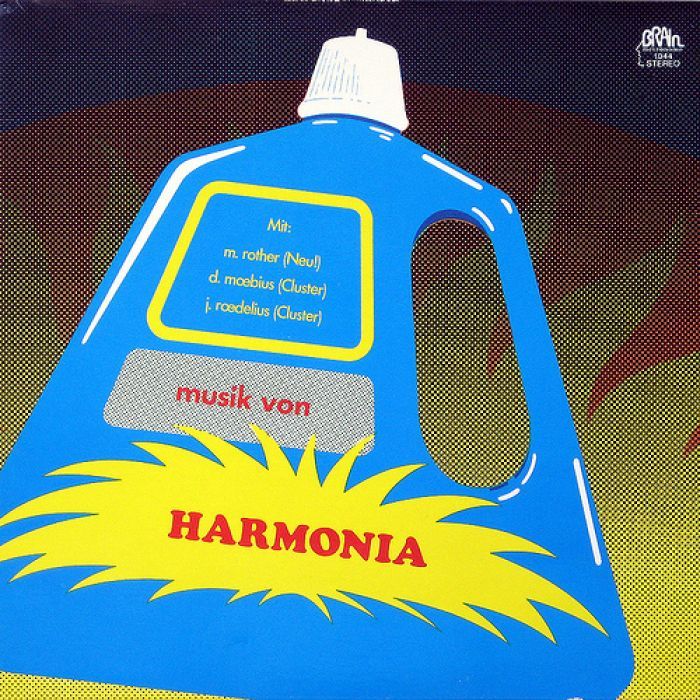 Sehr kosmisch Sehr kosmisch | N/A | Musik von Harmonia |
| 03 | Hausmusik | N/A | Musik von Harmonia |
| 04 | Ohrwurm | N/A | Musik von Harmonia |
| 05 | Ahoi! | N/A | Musik von Harmonia |
| 06 | Monza (Rauf und Runter) | N/A | Deluxe |
| 07 | Dino | N/A | Musik von Harmonia |
| 08 | Walky-Talky | N/A | Deluxe |
| 09 | Kekse | N/A | Deluxe |
| 10 | Notre Dame | N/A | Deluxe |
| 11 | Gollum | N/A | Deluxe |
| 12 | Watussi | N/A | Musik von Harmonia |
| 13 | Sonnenschein | N/A | Musik von Harmonia |
| 14 | Veterano | N/A | Musik von Harmonia |
Reviews
Comments
Questions & Answers
Music Awards
0 Total
No Music Awards Found