Introduction & Current Status
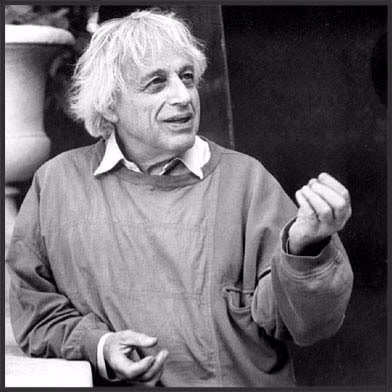
György Ligeti, though no longer with us, remains a seriously influential figure. His avant-garde compositions still ripple through modern music, film scores (think *2001: A Space Odyssey*), and even pop culture. This Hungarian-Austrian composer wasn't chasing TikTok virality, but his innovative soundscapes? Totally timeless.
Ligeti's work challenges what music *can* be. He wasn't afraid to get weird, pushing boundaries and experimenting with textures and structures. His music continues to be performed worldwide, proving that groundbreaking artistry never really fades.
Early Life & Background
Born in Transylvania in 1923, György Ligeti had a childhood shadowed by political upheaval and the horrors of World War II. He came from a Jewish family, and tragically, many of his relatives perished in concentration camps. This experience deeply impacted his worldview and, arguably, his artistic expression.
Despite the turmoil, Ligeti showed early musical promise. He studied at the Cluj Conservatory and later at the Budapest Academy of Music. These institutions gave him a solid foundation, but his restless spirit yearned for something beyond traditional composition.
Ligeti absorbed the sounds of Bartók and Kodály, Hungarian composers who themselves drew inspiration from folk music. But he also looked further afield, eager to explore the avant-garde movements bubbling up across Europe.
Career Beginnings
Escaping the oppressive atmosphere of Soviet-controlled Hungary in 1956 was a pivotal moment. Ligeti landed in Cologne, Germany, which was then a hotbed of experimental music. This is where things got *really* interesting.
He dove headfirst into electronic music, working at the WDR studio alongside pioneers like Karlheinz Stockhausen. This period saw Ligeti developing his signature style: dense, complex textures that he called "micropolyphony." Think shimmering walls of sound.
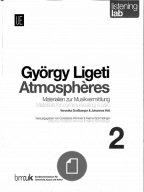
Early works like *Apparitions* and *Atmosphères* (yeah, the one from *2001*) announced Ligeti as a major force. These pieces weren't just notes on a page; they were sonic experiences, designed to envelop the listener.
Major Albums & Discography
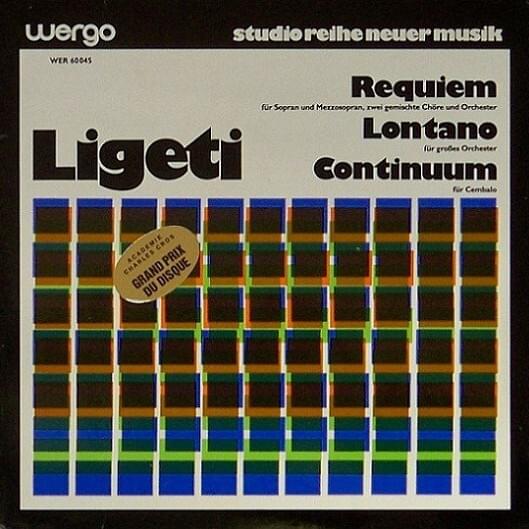
Ligeti's discography is a trip. Ligeti: Requiem is a must-listen. It's intense, unsettling, and utterly brilliant. The piece explores themes of death and spirituality with a visceral power.
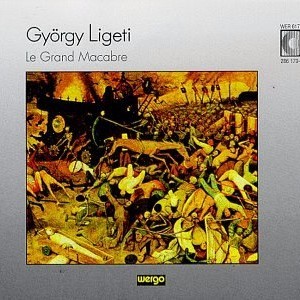
Then there's Le Grand Macabre, his opera. Calling it "grand" is an understatement. It's a darkly comic, absurdist take on the apocalypse. Totally not your grandma's opera.
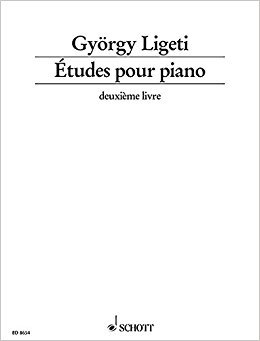
Études, Book 1 and Études, Book 2 show Ligeti's fascination with rhythmic complexity. These piano studies are fiendishly difficult to play, but the results are mesmerizing. You can also check out Concert Românesc which is another great work.
Don't sleep on Drei Phantasien nach Friedrich Hölderlin, a collection that really exemplifies his range. Also, there's the often overlooked 5 Arany Songs, a brilliant collection of songs.
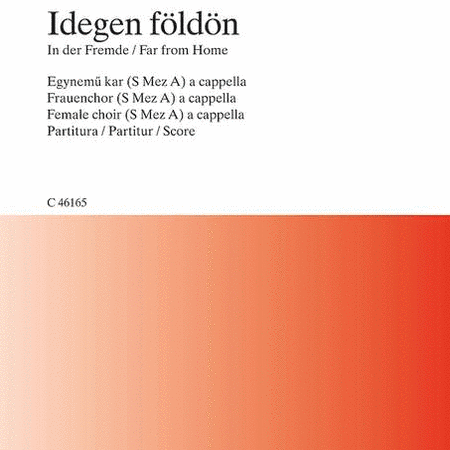
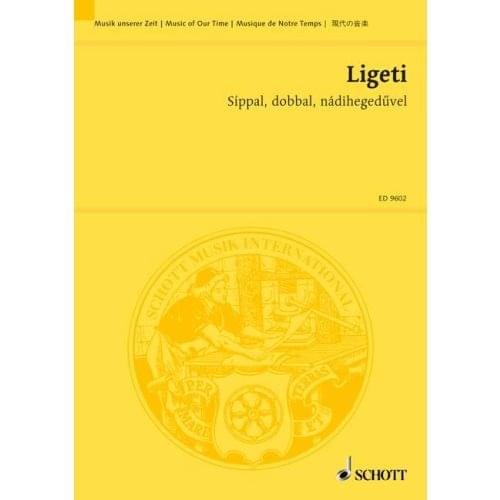
And for something completely different, Síppal, dobbal, nádihegedűvel showcases Ligeti's folk influences. Finally, consider the often-overlooked, but important album: Idegen földön. We cannot forget Nonsense Madrigals too, which is another often overlooked work.
Hit Songs & Signature Tracks
Okay, "hit songs" might be a *slight* exaggeration. Ligeti wasn't exactly chasing Billboard charts. But certain pieces have become iconic in their own right. Vertige gives you that feeling of falling from a very high place. The piece will make you question everything you know about sound.
En Suspens is another killer track, showcasing Ligeti's mastery of texture and atmosphere. And who could forget Entrelacs? It's pure Ligeti genius.
Then there's L’escalier du diable, which sounds as wicked as its name suggests. Coloana infinită is another banger for those who like experimental music.
And let's not forget the deep cuts. Car Horn Prelude is as out there as it sounds. Psst! is yet another of Ligeti's experimental works that pushes boundaries.
Even pieces like Galamb Borong, Fém, and Der Zauberlehrling are classics in their own right. These works demonstrate Ligeti's experimental nature. These works are all incredibly experimental and show the artist's true range.
Collaborations & Features
Ligeti wasn't really about the typical collab. His collaborations were more about influencing other artists and having his music used in film and other media. Stanley Kubrick's use of Ligeti's music in *2001: A Space Odyssey* is probably his most famous "feature."
His work has inspired countless composers and musicians across genres. While he didn't drop tracks with pop stars, his influence is undeniable. His music has been sampled, referenced, and reinterpreted in surprising ways.
Ligeti's impact extends beyond the concert hall. He's a composer's composer, an artist whose ideas continue to resonate with creators today. This is part of why he's so influential even today.
Awards & Achievements
Ligeti racked up the awards. He won the Grawemeyer Award for Music Composition in 1986, one of the most prestigious prizes in classical music. He also received the Kyoto Prize in Arts and Philosophy in 1993.
He was a member of numerous academies and societies, a testament to his standing in the music world. Honorary doctorates? He had a few. Ligeti was recognized as a genius in his own time, and that recognition continues to grow.
While he may not have won a Grammy, his influence on Grammy-winning artists is clear. Ligeti's legacy isn't about trophies; it's about the impact he had on the art form itself.
Personal Life
Ligeti was known as a dedicated and intense composer. He married Vera Spitz in 1949; she remained his wife until his death in 2006. He was notoriously private about his personal life, preferring to let his music speak for itself.
Beyond his compositions, Ligeti was a respected teacher. He taught at various institutions, shaping the next generation of musicians. His impact on his students is part of his lasting legacy.
Musical Style & Influence
Ligeti's style is hard to pin down. "Avant-garde" is a good starting point, but it doesn't quite capture the sheer weirdness and brilliance of his work. Micropolyphony, as mentioned earlier, is a key element: dense textures created by layering many independent musical lines.
He drew inspiration from a wide range of sources, including folk music, electronic music, and even mathematics. He wasn't afraid to experiment with unconventional sounds and techniques. This is what made him so unique.
Ligeti's influence can be heard in the work of composers like Steve Reich and Philip Glass. His music has also found its way into film scores, television shows, and even video games. He's a composer for people who think they don't like classical music.
Recent Work & What's Next
Though Ligeti passed away in 2006, his music continues to be performed and celebrated worldwide. New recordings and interpretations of his work are constantly being released. His legacy lives on.
Expect to hear more Ligeti in film and other media. His unique soundscapes are perfect for creating atmosphere and tension. Ligeti's music is timeless, and his influence will only continue to grow.