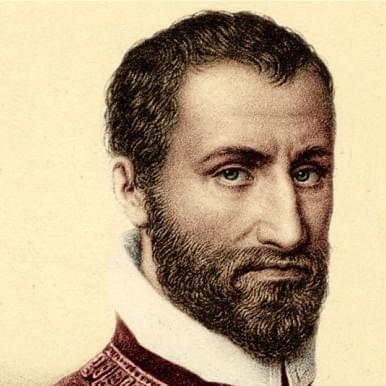
Giovanni Pierluigi da Palestrina
5.8K Listeners
Artist Bio
Giovanni Pierluigi da Palestrina: The OG Renaissance Rockstar Still Slaps
Introduction & Current Status
Giovanni Pierluigi da Palestrina might not be trending on TikTok, but trust us, this 16th-century Italian composer is still influencing music today. Known for his incredibly pure and refined polyphony, Palestrina's work is considered the gold standard for Renaissance choral music. Think of him as the classical music equivalent of a timeless streetwear brand – always relevant, always imitated, never duplicated.
While he's not dropping new tracks, Palestrina's compositions are constantly being rediscovered and reinterpreted. Choirs around the globe still perform his masses and motets. His influence extends to film scores and even contemporary pop arrangements. His music is a vibe – serene, spiritual, and surprisingly moving for something written hundreds of years ago.
Basically, Palestrina is the OG influencer. His impact on Western music is undeniable. Composers for centuries have studied his techniques. If you've ever felt a chill during a perfectly harmonized choral piece, you can probably thank Palestrina for setting the standard.
Early Life & Background
Born around 1525 in the small town of Palestrina, near Rome, Giovanni Pierluigi (he added the "da Palestrina" later, like a true artist establishing his brand) came from pretty humble beginnings. Details about his early childhood are scarce, but it's believed he showed musical promise from a young age. Lucky for us.
Growing up near Rome meant Giovanni was steeped in the sounds of the church. He likely sang in local choirs and absorbed the rich musical traditions of the region. Rome was the epicenter of the Catholic Church, and the music scene was popping (Renaissance style, of course).
It's rumored that he studied with some of the leading musicians of the time, soaking up everything he could about composition and vocal technique. This early exposure clearly shaped his destiny, setting him on a path to become one of the most important composers in history.
Career Beginnings
Palestrina's career took off when he became the organist at the cathedral in his hometown in 1544. This gig gave him a chance to hone his skills and start composing his own music. It was his local debut before going viral.
He then moved to Rome in the early 1550s, landing a prestigious position as maestro di cappella at the Cappella Giulia in the Vatican. Talk about a glow-up! This was a major step up and put him right in the heart of the Catholic Church's musical activities. He even got appointed as a singer in the Sistine Chapel choir but was dismissed when they found out he was married (rules were rules back then).
Despite this setback, Palestrina's talent was undeniable. He continued to compose and build his reputation, eventually becoming the choirmaster at St. John Lateran, another major basilica in Rome. His dedication and skill were finally paying off, setting the stage for his future success.
Major Albums & Discography
Palestrina's discography is vast, comprising hundreds of masses, motets, madrigals, and other sacred works. His output was seriously impressive. The Liber primus motettorum, published in 1563, showcased his mastery of polyphonic writing and cemented his reputation as a leading composer.
Motectorum liber secundus further demonstrated his evolving style. These collections weren't just albums; they were statements of artistic intent. His meticulous approach to harmony and counterpoint created a sound that was both complex and incredibly beautiful.
His collection of Canticum Canticorum stands out. He even released Motecta festorum totius anni liber primus. Let's not forget Hymni totius anni. And for the fans, there is Il primo libro de madrigali a 5 voci.
Palestrina's music wasn't just technically brilliant; it was emotionally resonant. He had a gift for capturing the essence of the text and conveying it through his music. That's what makes his work so enduring.
Hit Songs & Signature Tracks
While Palestrina didn't exactly have "hit singles" in the modern sense, certain pieces have become particularly famous and beloved. His Ave Maria is arguably his most recognizable work. Its serene melody and intricate harmonies are basically the definition of Renaissance choral perfection. It's still covered and sampled today.
Pater noster is another standout. The textures are just *chef's kiss*. Then there is Angelus Domini and Cantantibus organis. These pieces are like sonic cathedrals, transporting you to another time.
His motets, like Caro mea vere est cibus, showcase his mastery of counterpoint. Each voice weaves its own melodic line, creating a rich and complex tapestry of sound. It's like a musical puzzle, but one that's incredibly beautiful to listen to.
Then there are the less well-known but just-as-beautiful tracks. Spirito santo and Vergine bella deserve a listen. And the same goes for Vergine saggia, Vergine pura and Vergine santa. These songs aren't just old; they're timeless.
Collaborations & Features
While Palestrina primarily worked solo, his music has inspired countless collaborations and arrangements over the centuries. Modern composers and musicians have reinterpreted his works, bringing them to new audiences. Think of it as a remix culture, centuries before digital audio workstations existed.
He was a major influence on the composers of the Roman School, who carried on his legacy and further developed his style. His influence can be heard in the works of Victoria, Marenzio, and other leading composers of the late Renaissance. He's the glue that held the era together.
Even today, you can find modern choirs and ensembles collaborating on performances of Palestrina's music. His work transcends time and continues to inspire musicians from all backgrounds. That's the power of a true classic.
Awards & Achievements
Palestrina didn't win any Grammys (obviously, since they didn't exist), but his achievements are immeasurable in terms of musical influence. He's widely regarded as the savior of church music during the Counter-Reformation. Legend has it that his "Missa Papae Marcelli" convinced the Council of Trent not to ban polyphony from religious services. Talk about main character energy!
His music became the standard for Catholic liturgical music for centuries, shaping the sound of the church for generations. He's basically the reason why church music sounds the way it does. That's a pretty big deal.
His influence extends beyond the church. Composers like Bach, Mozart, and Beethoven studied his works and incorporated his techniques into their own music. He's the composer's composer, the artist's artist, the influencer's influencer.
Personal Life
Palestrina was married twice, which was unusual for a church musician at the time. He had several children, some of whom followed in his footsteps and became musicians themselves. His family life seems to have been relatively stable, despite the challenges of the era.
He was known for his piety and dedication to the church. He saw his music as a form of prayer and sought to create works that would uplift and inspire listeners. His faith was a central part of his life and artistic vision.
Beyond his musical activities, little is known about Palestrina's personal life. He seems to have been a relatively private individual, focusing primarily on his work and his faith. He let his music speak for itself.
Musical Style & Influence
P Palestrina's style is characterized by its purity, clarity, and balance. He perfected the art of polyphony, creating intricate textures that were both complex and incredibly beautiful. His music is often described as serene, spiritual, and uplifting.
He was heavily influenced by the Franco-Flemish composers of the previous generation, like Josquin Des Prez and Guillaume Dufay. But he developed his own unique style that set him apart from his contemporaries. He took the best of the past and made it his own.
Palestrina's influence on subsequent generations of composers is undeniable. His music became the standard for counterpoint and harmony, shaping the sound of Western music for centuries. He's the reason why so many composers studied counterpoint in the first place.
Recent Work & What's Next
Okay, Palestrina isn't exactly dropping new albums in 2024 (he's been gone for a while). But his music is constantly being rediscovered and reinterpreted. Choirs and ensembles around the world continue to perform his works, bringing his music to new audiences.
There are numerous recordings of his music available, from historically informed performances to modern interpretations. His legacy lives on through these recordings and performances, ensuring that his music will continue to inspire and uplift listeners for generations to come.
So, while Palestrina might not be on your Spotify playlist, take a moment to appreciate the genius of this Renaissance master. His music is a timeless treasure that deserves to be heard. It's the perfect soundtrack for chilling, studying, or just contemplating the universe.
Popular Albums
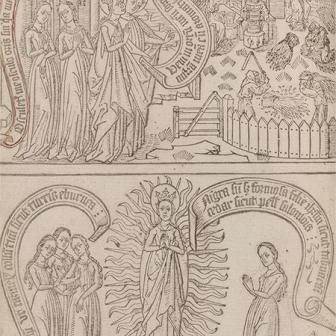
Canticum Canticorum
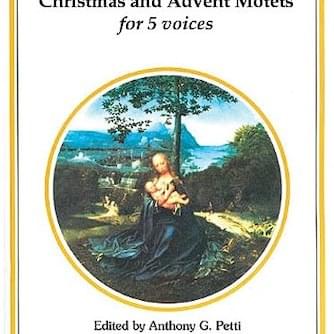
The Twelfth Chester Book of Motets
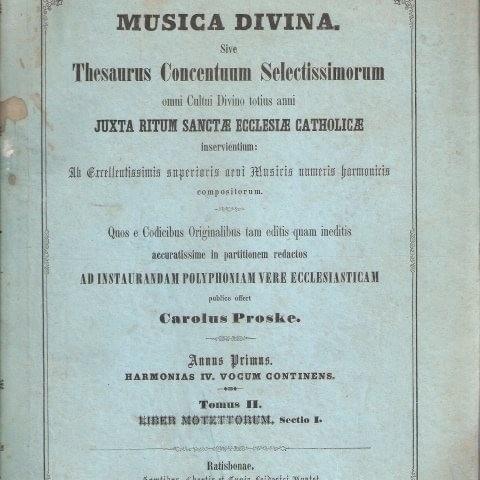
Musica Divina Volume II. Liber motettorum
Musica divina IV: Liber vespertinus
Motecta festorum totius anni liber primus
Motectorum liber secundus
The Fourteenth Chester Book of Motets
Ghirlanda di fioretti musicali
The Seventh Chester Book of Motets
Melodia Olympica
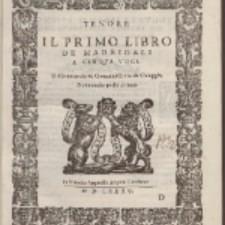
Il primo libro de madrigali a 5 voci
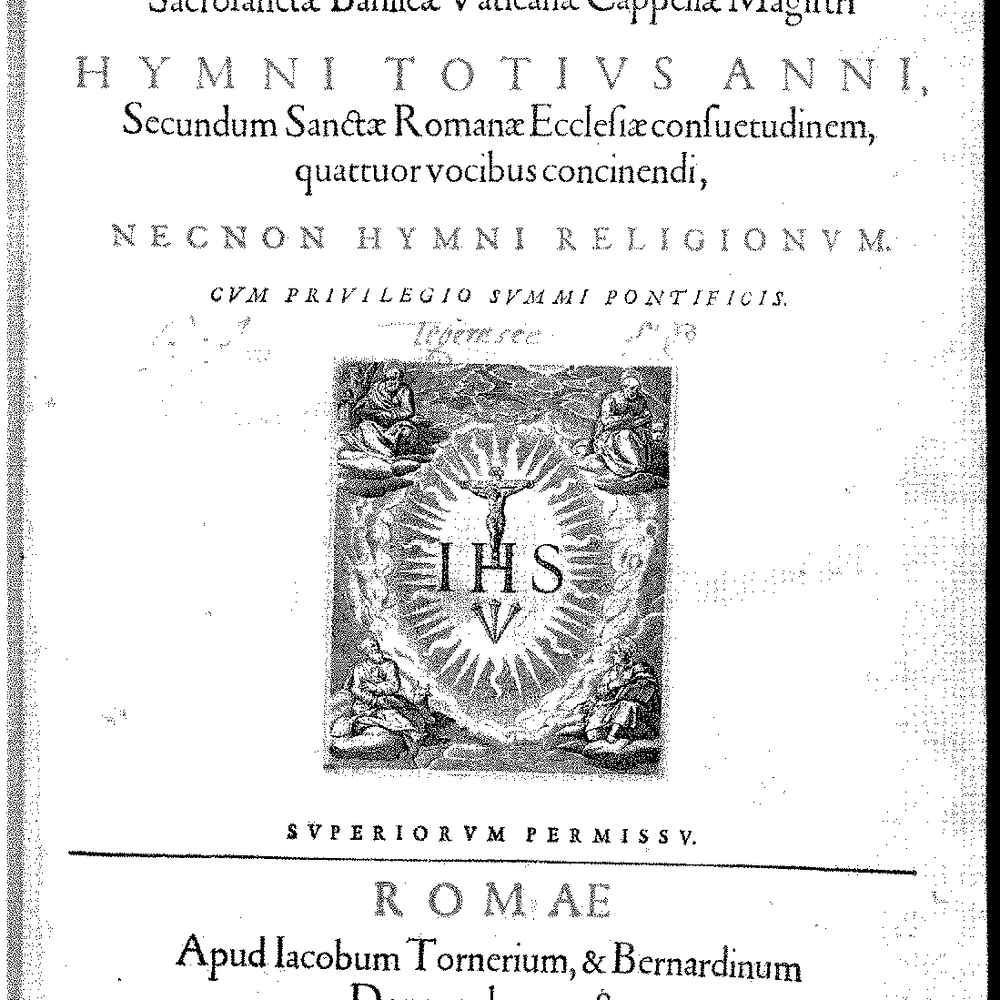
Hymni totius anni
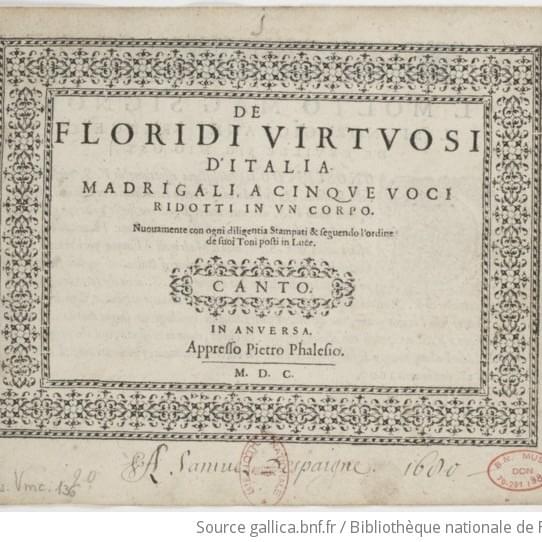
De floridi virtuosi d’Italia
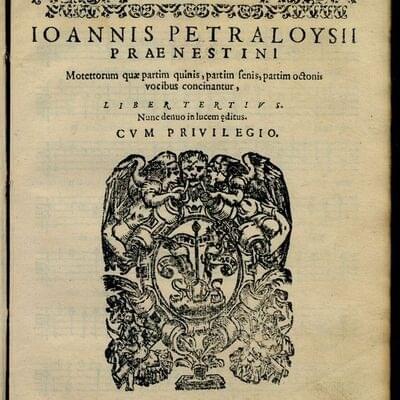
Motettorum liber tertius
Popular Songs
Reviews
Comments
Questions & Answers
Music Awards
0 Total
No Music Awards Found