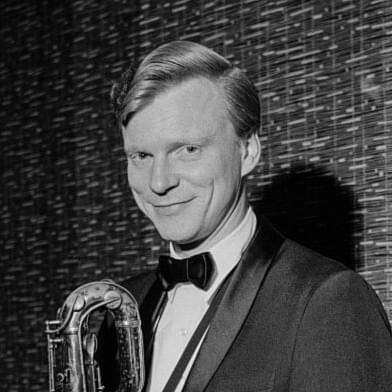
Gerry Mulligan
15K Listeners
Artist Bio
Gerry Mulligan, a pivotal figure in the West Coast cool jazz movement, carved a unique path in American music with his signature baritone saxophone sound and innovative arrangements. Born in 1927, Mulligan's musical journey began early, influenced by a diverse range of styles. He quickly established himself as a gifted composer and arranger, contributing significantly to the Claude Thornhill Orchestra and later working with Miles Davis on the groundbreaking *Birth of the Cool* sessions. His compositional talent is evident in tracks like Jeru, which became a jazz standard.
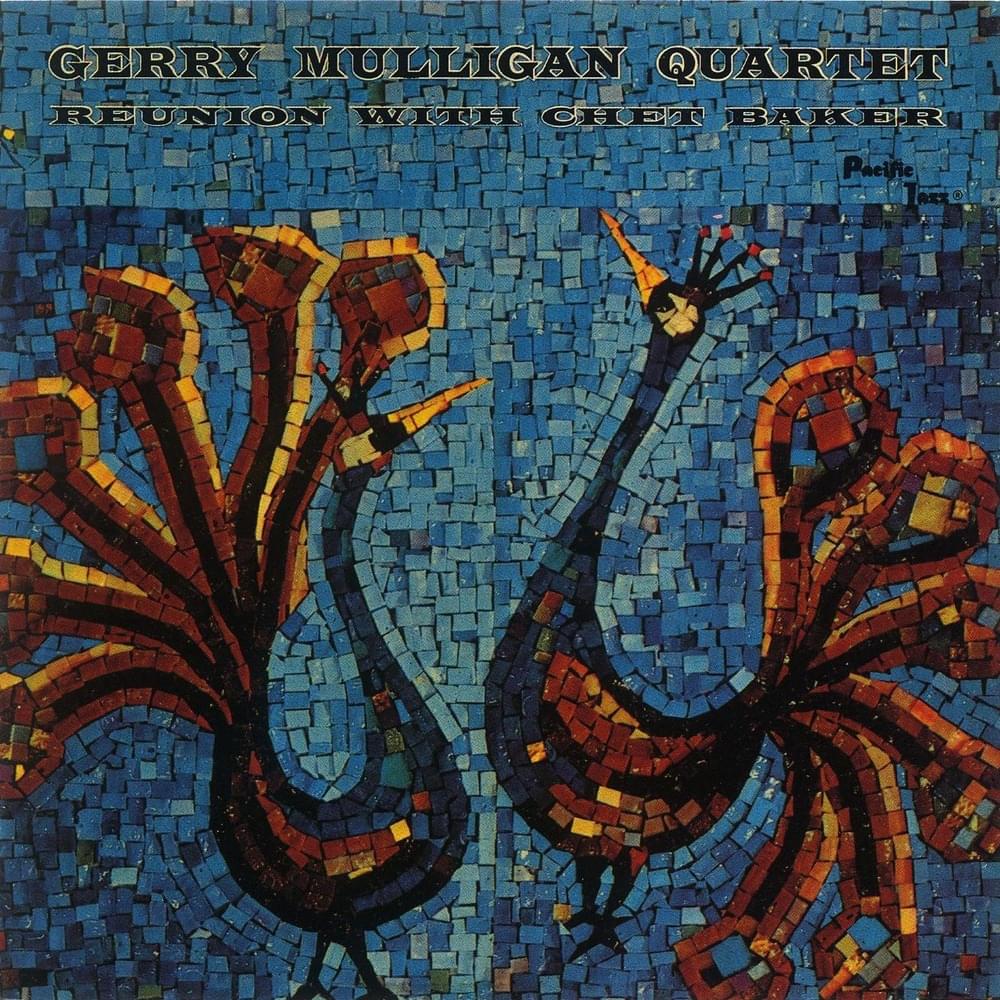
Mulligan's true breakthrough came with his formation of the piano-less quartet in the early 1950s, featuring Chet Baker on trumpet. This ensemble, a departure from the bebop trends of the time, prioritized melodic interplay and harmonic subtlety. The absence of a piano created space for the other instruments to breathe, fostering a light, airy sound that became synonymous with cool jazz. Mulligan's baritone sax took center stage, displaying his exceptional tone and improvisational skills. His playing was characterized by its lyrical phrasing and understated elegance, qualities perfectly showcased in ballads such as The Nearness of You.
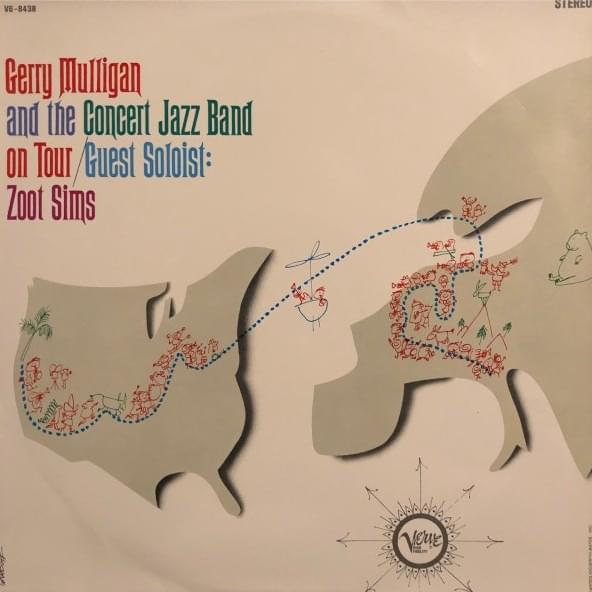
Throughout his career, Mulligan remained a restless innovator, constantly exploring new musical avenues. He collaborated with a diverse array of artists, from classical composers to contemporary musicians, pushing the boundaries of his own style. He embraced orchestral settings, leading his own Concert Jazz Band and composing works for large ensembles. His talent for crafting evocative soundscapes is beautifully illustrated in Night Lights, a composition that captures a late-night urban atmosphere.
Mulligan's contribution to jazz extends beyond his playing and composing. He was a respected educator, sharing his knowledge and passion with aspiring musicians. He toured extensively, bringing his music to audiences around the world. Whether swinging hard on Love Me Or Leave Me or expressing heartfelt emotion on In the Wee Small Hours of the Morning, Mulligan's music remains timeless. His legacy as a master of melodic improvisation and a champion of cool jazz continues to inspire generations of musicians and listeners alike. Even a song like Tell Me When showcases Mulligan's unique ability to blend sophistication with accessibility, solidifying his place as a jazz icon.
Popular Albums
Popular Songs
| Track Number | Song | Release Date | Album |
|---|---|---|---|
| 01 | 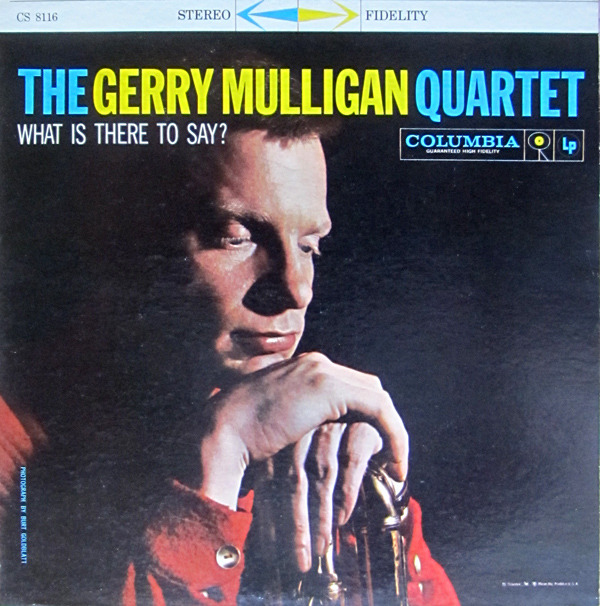 My Funny Valentine My Funny Valentine | Jan 1, 1959 | What Is There to Say? |
| 02 | 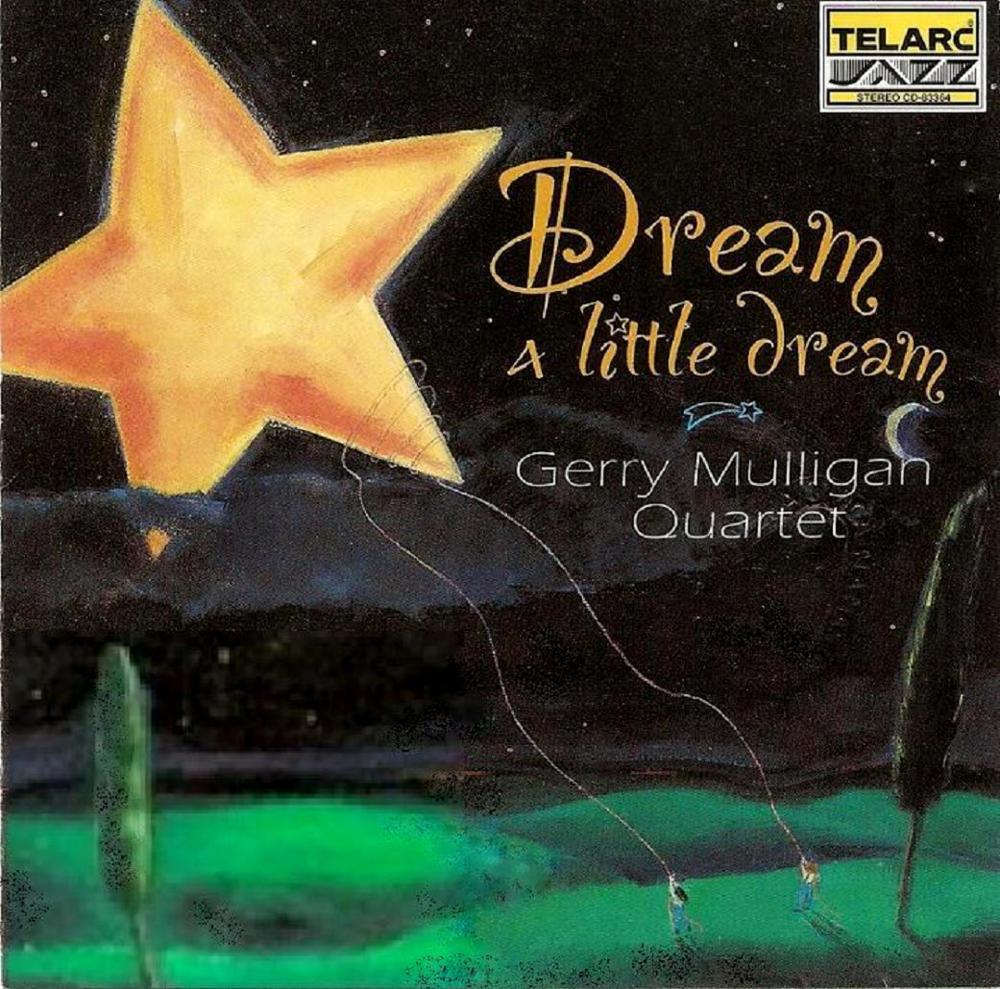 Dream a Little Dream Dream a Little Dream | Jan 1, 1994 | Dream a Little Dream |
| 03 | 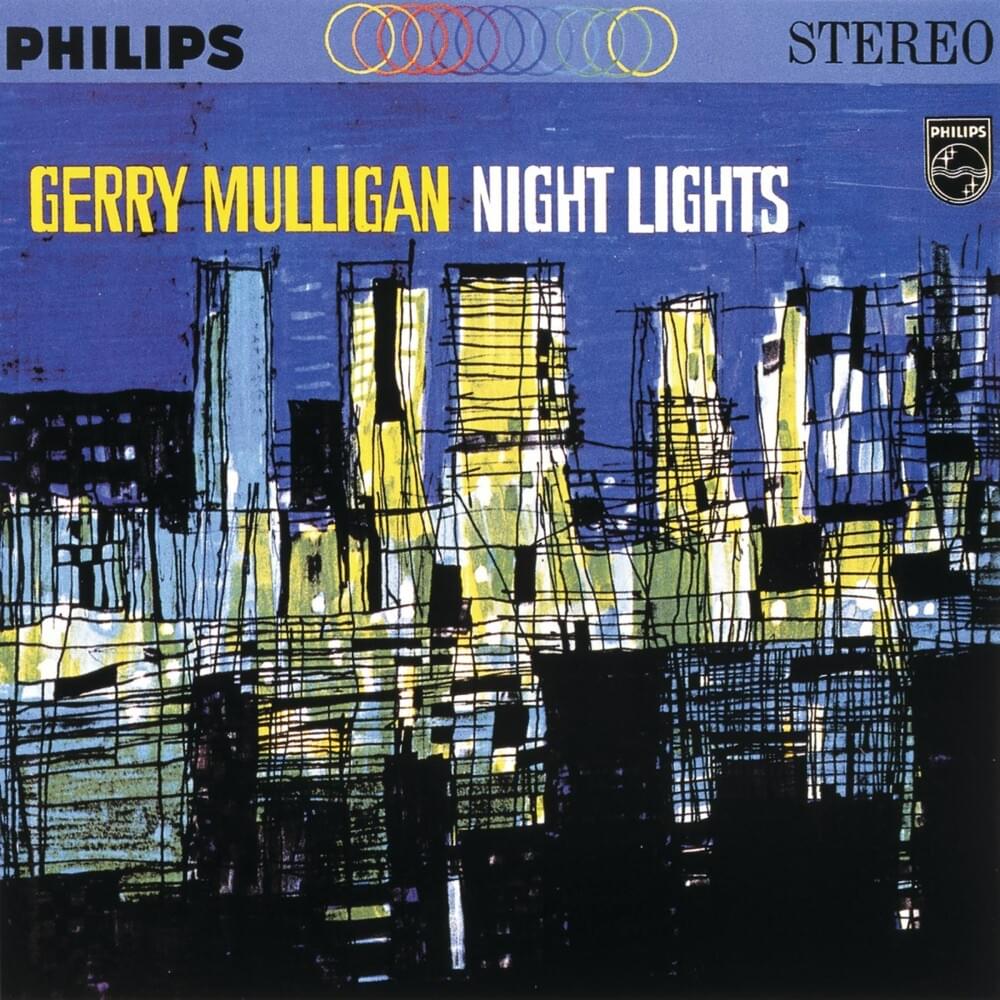 Prelude in E-Minor Prelude in E-Minor | Jan 1, 1963 | Night Lights |
| 04 | In the Wee Small Hours of the Morning | Jan 1, 1963 | Night Lights |
| 05 | Tell Me When | Jan 1, 1963 | Night Lights |
| 06 | 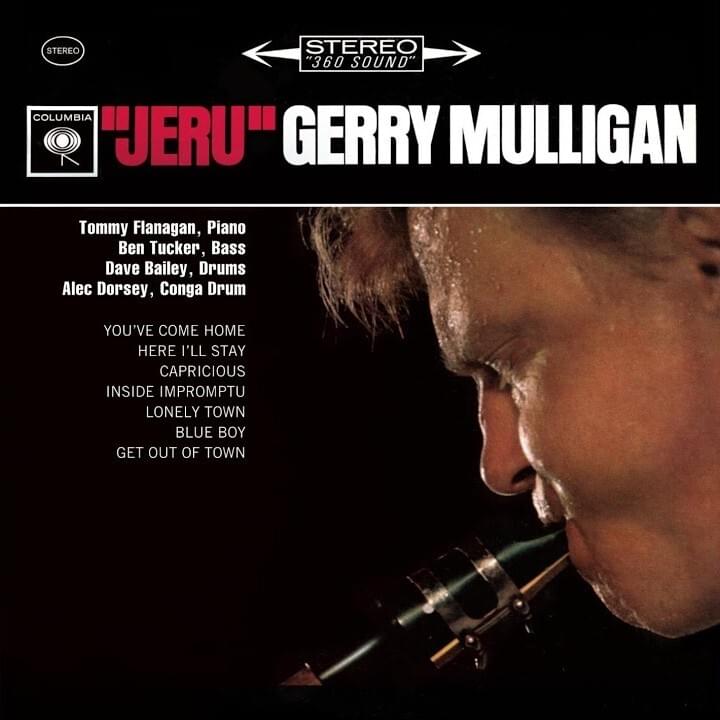 You’ve Come Home You’ve Come Home | Jan 1, 1962 | Jeru |
| 07 | Inside Impromptu | Jan 1, 1962 | Jeru |
| 08 | Blue Boy | Jan 1, 1962 | Jeru |
| 09 | Lonely Town | Jan 1, 1962 | Jeru |
| 10 | Capricious | Jan 1, 1962 | Jeru |
| 11 | 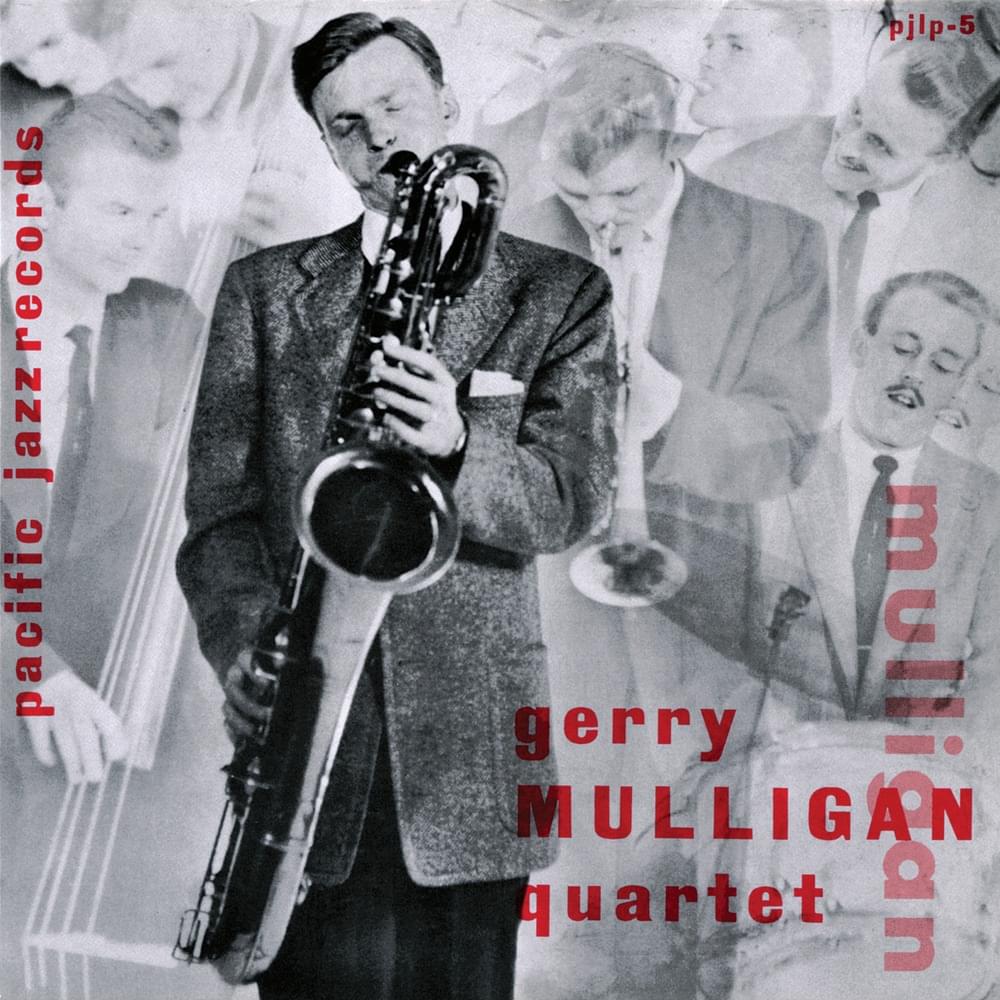 Jeru Jeru | Jan 1, 1953 | Gerry Mulligan Quartet |
| 12 | I May Be Wrong | Jan 1, 1953 | Gerry Mulligan Quartet |
| 13 | Festival Minor | Jan 1, 1963 | Night Lights |
| 14 | Get Out of Town | Jan 1, 1962 | Jeru |
| 15 | Here I’ll Stay | Jan 1, 1962 | Jeru |
| 16 | 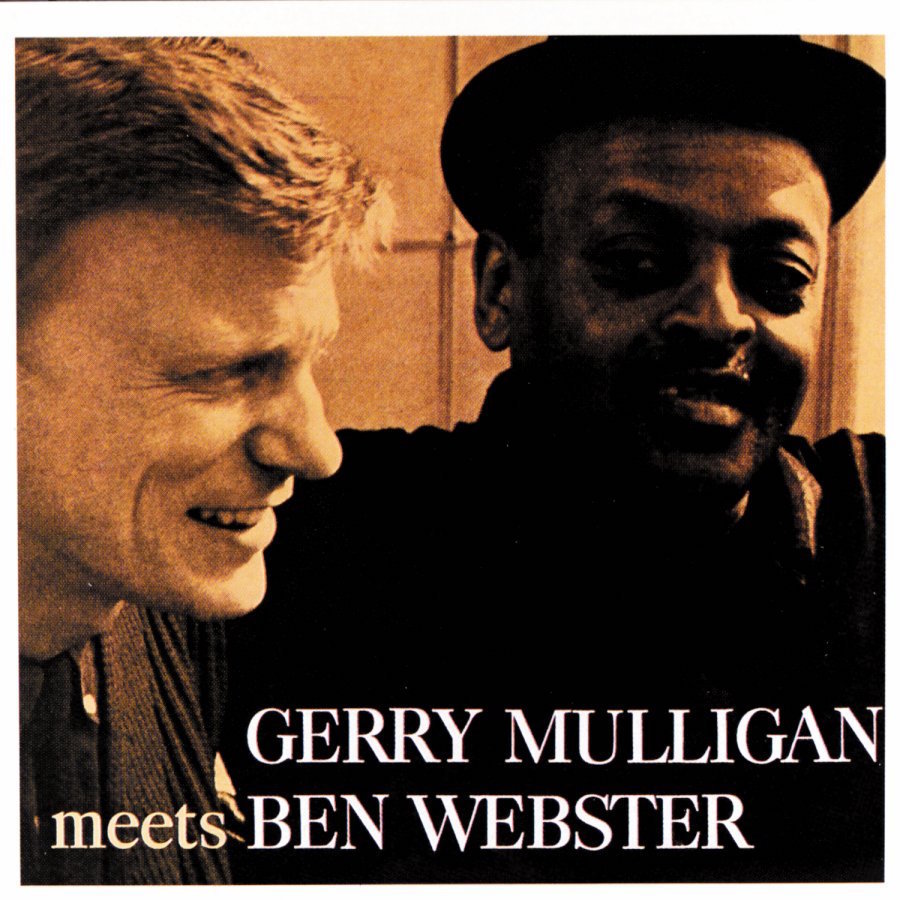 Sunday Sunday | N/A | Gerry Mulligan Meets Ben Webster |
| 17 | 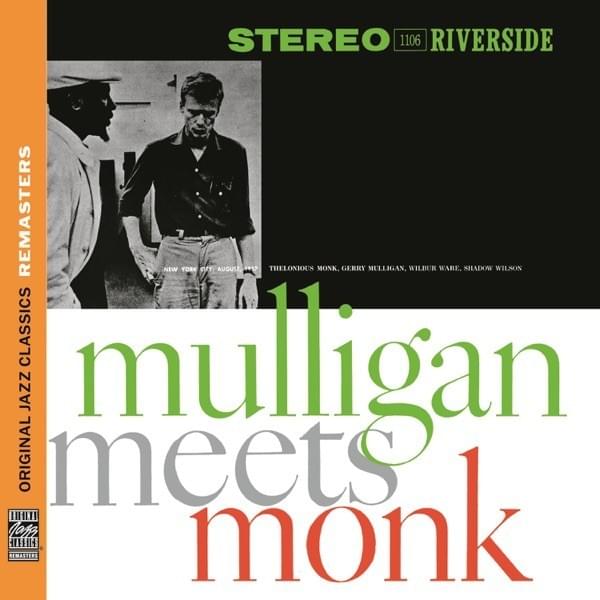 I Mean You I Mean You | Jan 1, 1957 | Mulligan Meets Monk |
| 18 | Straight, No Chaser | Jan 1, 1957 | Mulligan Meets Monk |
| 19 | Decidedly | Jan 1, 1957 | Mulligan Meets Monk |
| 20 | Rhythm-A-Ning | Jan 1, 1957 | Mulligan Meets Monk |
Reviews
Comments
Questions & Answers
Music Awards
0 Total
No Music Awards Found