Introduction & Current Status
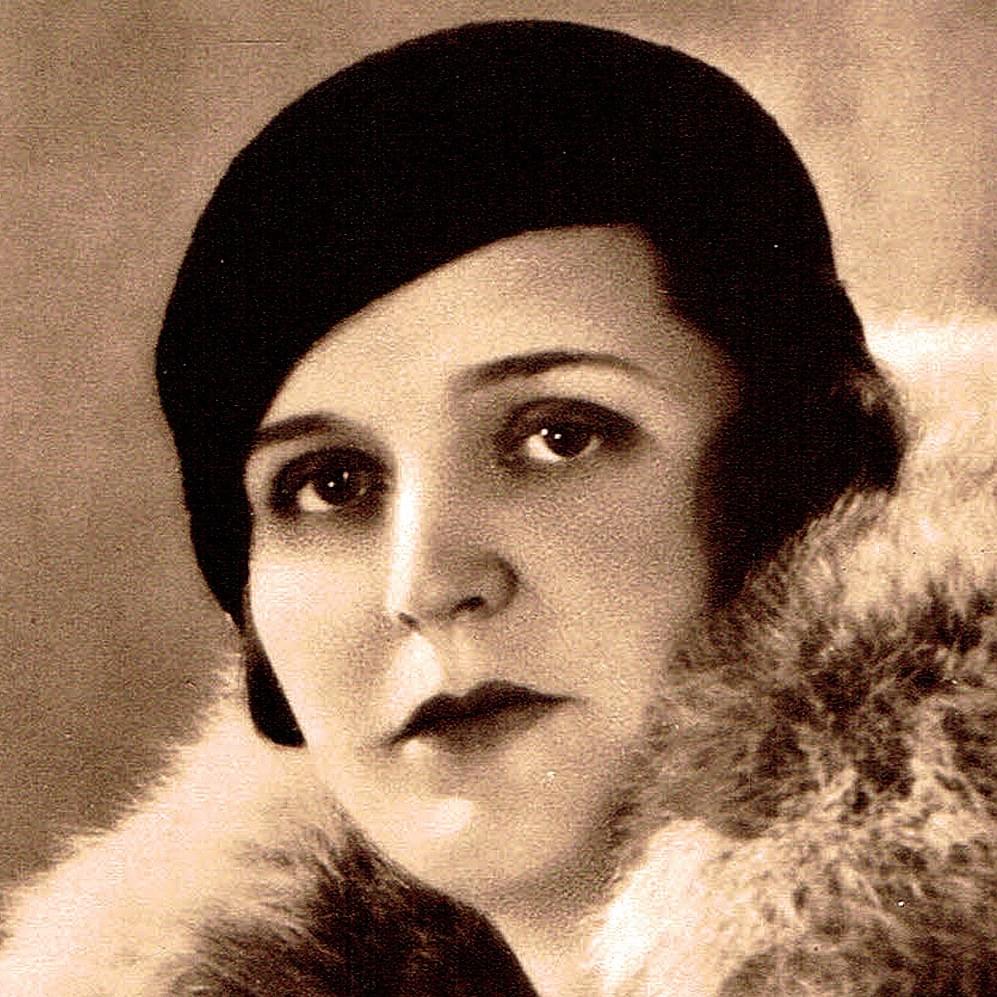
Germaine Tailleferre may not be trending on TikTok, but her influence is low-key everywhere. As the only female member of the legendary Les Six, a group of early 20th-century French composers, she smashed glass ceilings while crafting some seriously innovative music. Her work is constantly being rediscovered, sampled, and reimagined, proving that her avant-garde spirit is timeless.
Tailleferre's compositions are getting a fresh look, popping up in film scores and contemporary classical performances. She's not just a historical figure; she's a vibe. Think of her as the musical equivalent of a vintage Chanel bag – classic, chic, and forever in style.
Early Life & Background
Born Germaine Marcelle Taillefesse in Parc Saint-Maur, France in 1892, she later changed her last name to Tailleferre to distance herself from her controlling father. Talk about main character energy from the jump! Her mother, however, recognized and nurtured her musical talent early on, providing her with piano lessons.
Even as a child, Tailleferre was composing. She enrolled at the Paris Conservatoire, where she excelled, winning prizes in harmony, counterpoint, and fugue. The male-dominated environment of the Conservatoire didn't intimidate her; she was there to make her mark and shake things up.
She found inspiration in the works of Debussy, Ravel, and Satie, but quickly developed her own unique voice. It’s safe to say she was destined for greatness, even if the world wasn’t quite ready for her yet.
Career Beginnings
Tailleferre's career took off when she connected with other young, rebellious composers like Georges Auric, Louis Durey, Arthur Honegger, Darius Milhaud, and Francis Poulenc. Together, they formed Les Six, a group that rejected the Romanticism of the 19th century in favor of a more modern, accessible style. They were basically the indie darlings of the classical music scene.
Les Six were all about challenging the status quo. They drew inspiration from jazz, popular music, and everyday life, creating music that was both sophisticated and relatable. They were the original genre-benders, and Tailleferre was right there in the mix, contributing her own distinctive voice to the group's collective sound.
Erik Satie became an early mentor and supporter, recognizing her talent and encouraging her to push boundaries. He wasn't afraid to be weird, and neither was she. Her early works, like the String Quartet and the Piano Sonata, showcased her developing style – witty, elegant, and full of surprises.
Major Albums & Discography
While Tailleferre didn't necessarily release traditional studio albums in the way modern pop artists do, her body of work is extensive and varied. She composed ballets, operas, concertos, chamber music, and songs, leaving behind a rich musical legacy. Many of her compositions have been compiled into albums posthumously, allowing new generations to discover her genius.
Her ballet "Paris-Magie" is a prime example of her ability to blend classical forms with modern sensibilities. The score is lively and colorful, capturing the energy of 1940s Paris. It's the kind of music that makes you want to dance down the Champs-Élysées.
Her concertos, particularly the Concerto for Two Pianos, Chorus, Saxophones and Orchestra, are bold and innovative. Tailleferre wasn't afraid to experiment with different instrumental combinations and vocal textures, creating a sound that was all her own. It's basically the sonic equivalent of a statement outfit.
Hit Songs & Signature Tracks
It's tricky to pinpoint specific "hit songs" in the traditional sense since Tailleferre primarily composed instrumental works. However, certain pieces have become particularly well-known and beloved by her fans. Her "Pastorale" for clarinet, trumpet, trombone, piano and voice is a gem. It's the perfect blend of whimsy and sophistication, showcasing her melodic gift and her ear for unusual timbres.
Her songs, though less widely known than her instrumental works, are equally charming and inventive. Many feature playful lyrics and catchy melodies, demonstrating her versatility as a composer. They're like little musical bonbons – sweet, delightful, and utterly irresistible.
Another standout is her "Image," for eight instruments. This piece is a miniature masterpiece, packing a lot of emotion and drama into a short amount of time. It's a testament to her ability to create vivid soundscapes with minimal resources.
Collaborations & Features
As a member of Les Six, Tailleferre collaborated extensively with her fellow composers. They often worked together on joint projects, such as the ballet "Les Mariés de la Tour Eiffel," showcasing their shared aesthetic and their commitment to pushing boundaries. Imagine being in a supergroup with only the most talented people imaginable.
She also collaborated with prominent writers and artists of her time, including Paul Claudel and Jean Cocteau. These collaborations allowed her to explore different artistic mediums and to create works that were both visually and aurally stimulating. She was all about that interdisciplinary life.
Beyond Les Six, she worked with many musicians throughout her career, showcasing her adaptability and her willingness to engage with different musical styles. She was a true collaborator, always open to new ideas and new ways of making music.
Awards & Achievements
While Tailleferre didn't achieve the same level of mainstream recognition as some of her male contemporaries, her contributions to music have been increasingly recognized in recent years. She didn't need the validation of awards to know that her work was important.
She won numerous prizes at the Paris Conservatoire, demonstrating her exceptional talent and her mastery of musical technique. These early accolades helped to launch her career and to establish her as a serious composer.
More recently, there's been a surge of interest in her music, with performances, recordings, and scholarly studies dedicated to her work. She is an icon for female composers everywhere, showing that success can come on your own terms.
Personal Life
Tailleferre's personal life was marked by both joy and hardship. She married twice and had one daughter. Her first marriage, to the artist Ralph Barton, ended in divorce. Later, she married Jean Wiener, a composer and pianist.
Despite facing personal challenges, she remained dedicated to her music throughout her life. She was a survivor, a fighter, and an inspiration to women everywhere. She proved that you can be both an artist and a human being, with all the complexities and contradictions that entails.
Musical Style & Influence
Tailleferre's musical style is characterized by its wit, elegance, and melodic charm. She blended classical forms with modern sensibilities, creating a sound that was both sophisticated and accessible. She didn't take herself too seriously, and her music reflects that playfulness.
Her music incorporates elements of French folk music, jazz, and popular song, reflecting her eclectic tastes and her willingness to experiment. She was a true original, never afraid to break the rules and to forge her own path.
Her influence can be heard in the work of contemporary composers who are exploring new ways to blend classical and popular music. She paved the way for future generations of female composers, proving that women can be just as successful as men in the male-dominated world of classical music. She's basically a musical superhero.
Recent Work & What's Next
Tailleferre may no longer be with us (she passed away in 1983), but her music continues to be performed and recorded around the world. New generations of musicians are discovering her work and are bringing it to new audiences.
Expect more re-interpretations of her compositions, more deep dives into her archives, and more recognition of her contributions to music history. Germaine Tailleferre's legacy is secure, and her music will continue to inspire and delight for generations to come.
 Mon mari m’a diffamée
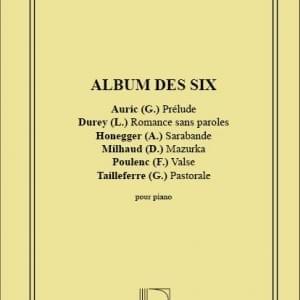 Pastorale