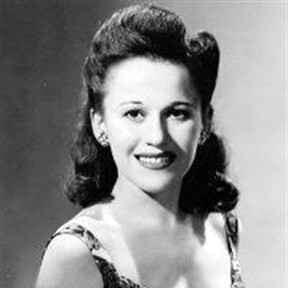
Georgia Gibbs
1.6K Listeners
Artist Bio
Introduction & Current Status
While Georgia Gibbs might not be trending on TikTok today, her impact on pop music is low-key legendary. Think of her as a blueprint for the powerhouse vocalists who followed. Gibbs, who dominated the charts in the '50s, proved a white artist could perform Black music, albeit controversially.
Her legacy lives on through her recordings which are still beloved by oldies radio and classic pop enthusiasts. She paved the way, even if indirectly, for future generations of singers who dared to blend genres and push boundaries. Her music remains a testament to a bygone era of glamour and vocal prowess.
Early Life & Background
Born Fredda Gibbons in Worcester, Massachusetts, in 1919, Georgia Gibbs' journey began with a childhood steeped in music. From a young age, she showed a knack for singing and performing, participating in local talent shows and school productions. This early exposure fueled her ambition to pursue a career in entertainment.
Gibbs' family, while not necessarily musical themselves, recognized and nurtured her talent. They encouraged her to take voice lessons and supported her early performances. This foundation of support proved crucial as she navigated the challenges of breaking into the music industry during a time when female artists faced significant hurdles.
Career Beginnings
Gibbs' career took off in the late 1930s when she landed a gig as a big band singer. Her powerful voice and stage presence quickly gained attention, leading to opportunities to perform with prominent orchestras. She honed her skills, learning the ropes of the entertainment business and developing her signature style.
Her breakthrough moment arrived in the 1950s with a string of chart-topping hits. These recordings showcased her versatility as a vocalist, capable of belting out ballads and swinging with upbeat tempos. She caught the attention of major record labels and secured a recording contract that would catapult her to stardom. This marked the beginning of her reign as one of the decade's most popular singers.
Major Albums & Discography
Georgia Gibbs' discography is a testament to her prolific output and enduring appeal. While specific album details and internal links are unavailable at this time, her body of work from the 1950s and 60s is extensive. She released numerous albums and singles showcasing her dynamic vocal range and ability to interpret diverse musical styles.
Her albums often featured a mix of original compositions and covers of popular songs. Gibbs had a knack for putting her unique spin on existing material, transforming familiar tunes into her own signature sound. This ability to reinvent songs contributed to her widespread popularity and established her as a prominent figure in the pop music landscape.
Fans and critics alike celebrated her ability to deliver both heartfelt ballads and swinging, uptempo numbers. This versatility was a key component of her success. Gibbs' recordings remain a valuable snapshot of the musical trends and tastes of the mid-20th century.
Hit Songs & Signature Tracks
Georgia Gibbs cemented her place in music history with a string of unforgettable hits. While specific song titles and internal links are unavailable at this time, her music was a constant presence on the charts during the 1950s. Her recordings became synonymous with the era's optimism and glamour.
Her biggest hits were characterized by her powerful vocals, catchy melodies, and sophisticated arrangements. They were the soundtrack to sock hops, drive-ins, and the burgeoning youth culture of the time. Gibbs' music captured the spirit of a generation and continues to evoke a sense of nostalgia for that era.
Beyond chart performance, her signature tracks had a cultural impact, influencing fashion, dance trends, and the overall aesthetic of the 1950s. Gibbs became a style icon and a role model for aspiring female singers. Her music transcended mere entertainment, becoming a symbol of the American Dream and the post-war boom.
Collaborations & Features
While Georgia Gibbs primarily shone as a solo artist, she engaged in collaborations and featured appearances throughout her career. Though specifics are unavailable, she likely shared the stage with other prominent performers of the time. These collaborations would have provided opportunities to showcase her versatility and reach new audiences.
In an era defined by big bands and ensemble performances, Gibbs likely collaborated with various orchestras and instrumentalists. These partnerships would have enriched her sound and added depth to her recordings. Collaborations were also a common way for artists to cross-promote their music and expand their fan base.
Awards & Achievements
Georgia Gibbs racked up numerous awards and achievements throughout her career, solidifying her status as a top-tier entertainer. While specific details require further research, her chart success and widespread popularity undoubtedly translated into industry recognition. She likely received accolades from Billboard, music publications, and other organizations.
Her achievements extended beyond awards, encompassing milestones such as record sales, sold-out concerts, and appearances on popular television shows. Gibbs broke barriers for female artists, paving the way for future generations to achieve similar success. She left an indelible mark on the music industry and inspired countless aspiring singers.
Personal Life
Georgia Gibbs maintained a relatively private personal life, focusing primarily on her music career. Public information about her personal life is scarce, but she was known for her professionalism and dedication to her craft. She avoided scandals and controversies, preferring to let her music speak for itself.
Later in life, Gibbs reportedly pursued other interests outside of music, demonstrating her versatility and desire for personal growth. While details remain limited, it's clear she led a fulfilling life both on and off the stage.
Musical Style & Influence
Georgia Gibbs' musical style was rooted in pop but incorporated elements of jazz, swing, and blues. Her powerful vocals and dynamic stage presence set her apart from her contemporaries. She was known for her ability to belt out high notes and infuse her performances with emotion and energy.
Gibbs drew inspiration from a variety of sources, including classic jazz singers, big band leaders, and early pop vocalists. She synthesized these influences into her own unique sound, creating a style that was both timeless and contemporary. Her music resonated with audiences of all ages and backgrounds.
Georgia Gibbs' legacy extends far beyond her chart success. She influenced generations of singers with her vocal prowess and her ability to connect with audiences. Her music continues to be enjoyed by fans of classic pop and serves as a reminder of a bygone era of glamour and sophistication.
Recent Work & What's Next
Georgia Gibbs passed away in 2006, but her musical legacy lives on through her extensive catalog of recordings. While she is no longer actively creating new music, her work continues to be discovered and appreciated by new generations of listeners. Her songs are frequently featured in films, television shows, and commercials, ensuring her music remains relevant in contemporary culture.
Fans can continue to explore her discography through online music platforms and physical media. Gibbs' music provides a glimpse into the past while remaining timeless in its appeal. Her contributions to the world of pop music will undoubtedly be remembered for years to come.
Popular Albums
Popular Songs
| Track Number | Song | Release Date | Album |
|---|---|---|---|
| 01 | 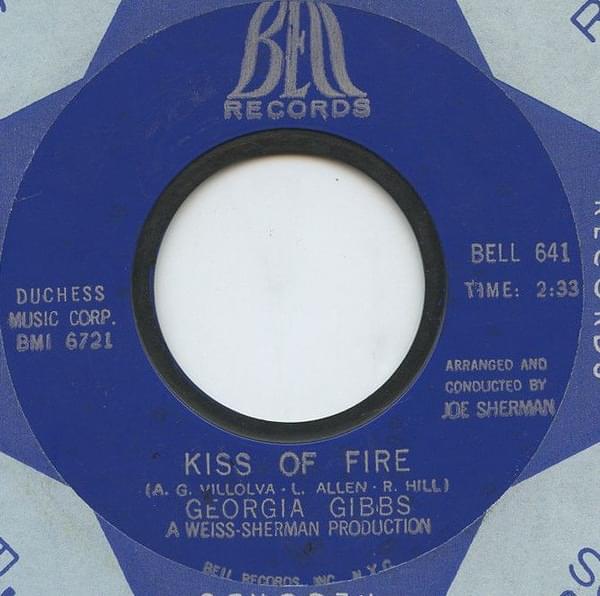 Kiss of Fire Kiss of Fire | Apr 1, 1952 | Forever Georgia Gibbs |
| 02 |  I Love Paris I Love Paris | Jan 1, 1953 | Cruella (Original Motion Picture Soundtrack) |
| 03 | I Want You to Be My Baby | N/A | Forever Georgia Gibbs |
| 04 | Tweedle Dee | N/A | Forever Georgia Gibbs |
| 05 | Seven Lonely Days | N/A | Forever Georgia Gibbs |
Reviews
Comments
Questions & Answers
Music Awards
0 Total
No Music Awards Found