Introduction & Current Status
While not a household name for Gen Z, Georges Auric's influence slaps harder than you think. This French composer basically soundtracked mid-20th century cool. Think classic cinema, ballets that made waves, and a vibe that's both sophisticated and secretly rebellious. Auric's legacy lives on through film scores that still get sampled and homaged today. His ability to blend avant-garde techniques with pure melodic genius remains low-key iconic.
Though he passed away in 1983, his compositions are constantly being rediscovered. You can hear echoes of his work in everything from indie film soundtracks to high-fashion runway shows. Auric's music is the kind of hidden gem that music nerds love to unearth and share – a reminder that true artistry transcends time.
His work continues to be performed and celebrated by orchestras and chamber groups worldwide. Auric's compositions are not just historical artifacts but living, breathing pieces of art that continue to resonate with audiences.
Early Life & Background
Born in Lodève, France, in 1899, Georges Auric basically breathed music from day one. His dad was a painter, so artistic vibes were def in the air. He was a child prodigy who started composing, like, before he even hit double digits. Imagine dropping your first symphony before you're old enough to drive – major flex.
He was drawn to the avant-garde scene early on. We're talking Erik Satie, Jean Cocteau – the cool kids of the Parisian art world. These influences shaped his boundary-pushing style. Auric soaked up inspiration like a sponge, blending classical training with a thirst for the new and unconventional.
This early exposure to the avant-garde set the stage for his future career. He quickly became a central figure in the Parisian art scene. His unique blend of classical training and modern sensibilities made him a standout talent.
Career Beginnings
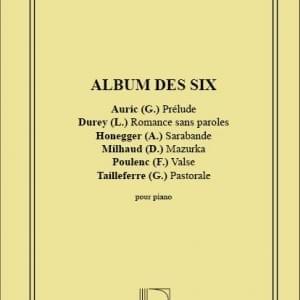
Auric's career kicked off with a bang as part of Les Six, a group of French composers who were all about shaking up the classical music scene. They were like the musical equivalent of a viral TikTok trend – super influential and kinda controversial. They wanted to break free from the old guard and create music that was fresh, relevant, and dare we say, a little bit sassy.
His early works were scandalous – dissonant chords, unexpected rhythms. The establishment was shook. But the art world ate it up. He quickly gained a reputation as a musical rebel. These early experiments laid the foundation for his later success in film and ballet.
Jean Cocteau became a major champion, recognizing Auric's raw talent. Cocteau helped him land commissions and collaborations that would define his early career. This mentorship proved crucial in launching Auric into the spotlight.
Major Albums & Discography
Auric's discography is a wild ride through 20th-century sound. Albums like Huit poèmes de Jean Cocteau showcased his early experimental phase. He fearlessly blended poetry and music into something totally unique.
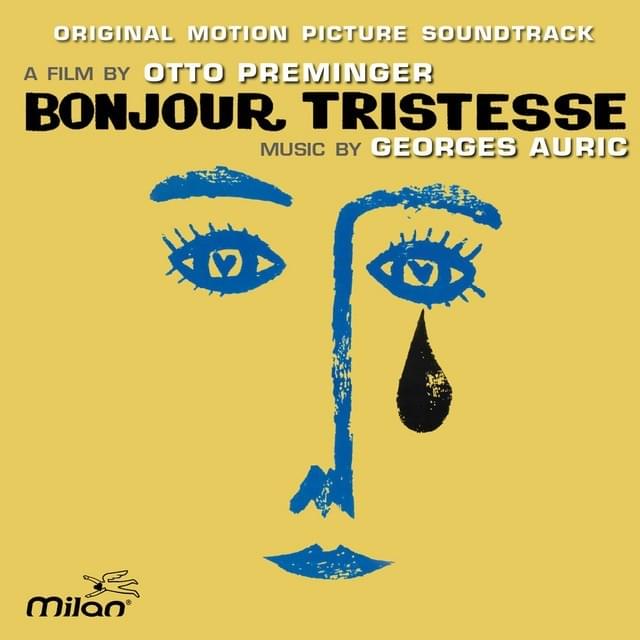
His work on Bonjour Tristesse (An Original Soundtrack Recording) demonstrated his mastery of film scoring. He perfectly captured the film's melancholic beauty. The soundtrack became a classic, proving his ability to elevate cinematic storytelling.
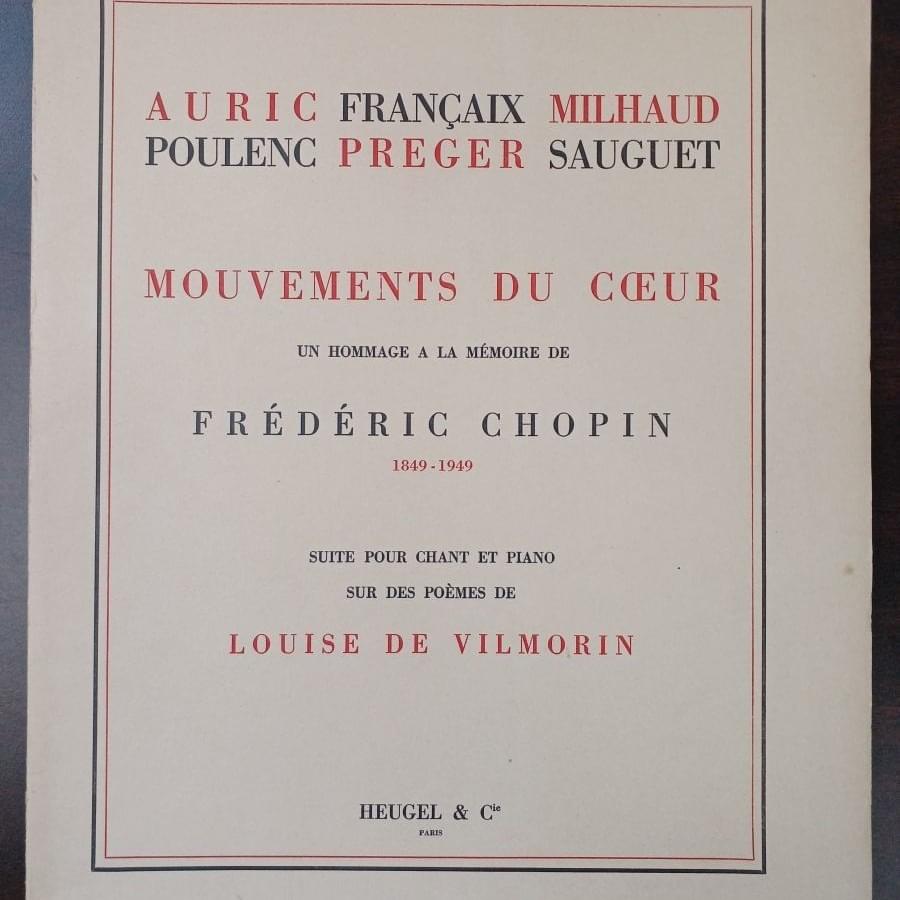
Then there's Trois Poèmes de Max Jacob, a collection that shows off his vocal writing skills. Auric's collaborations with poets solidified his place in the French avant-garde movement. He had an uncanny knack for translating words into evocative melodies. The album Trois Poèmes de Louise de Vilmorin further explored his talent for blending poetry and music.
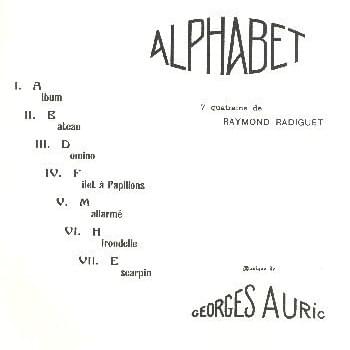
Don't sleep on Six poèmes de Paul Éluard, where he gets all moody and atmospheric. And for something completely different, check out Trois Poèmes de L. P. Fargue. His album Alphabet shows his versatility.
Hit Songs & Signature Tracks
While Auric wasn't exactly dropping Billboard bangers, his compositions were straight-up iconic in their own right. Think of them as the soundtrack to the coolest arthouse films ever made. Tracks like Hommage à Eric Satie, are like a musical wink to his early influences. It's a subtle nod to the avant-garde legend who helped shape his artistic vision.
Then there's the hauntingly beautiful Réveil, which perfectly captures the feeling of a new day dawning. It's the kind of track that makes you want to grab a croissant and stroll through a Parisian park. His ballet scores often produced standout moments. The whimsical École de guerre showcases his playful side.
Aglaé is another track that highlights his ability to create atmosphere. It's a masterclass in subtle tension and release. The track Place des Invalides evokes a sense of grandeur and history, painting a musical portrait of the iconic Parisian landmark.
His knack for capturing a specific mood is also evident in Marie Laurencin. Auric's song Biplan le matin is another example of his ability to evoke a sense of wonder and adventure through music. And don't forget Portrait d'Henri Rousseau, a piece that feels like a musical painting. The song Le châle is a hidden gem that showcases his talent for creating intimate and evocative melodies. And finally, La jeune sanguine is a powerful piece that demonstrates his range as a composer.
Collaborations & Features
Auric wasn't just a solo act. He teamed up with some serious heavyweights. His work with Jean Cocteau was particularly fruitful. They created some truly groundbreaking stuff together, pushing the boundaries of music and theater.
He also collaborated with choreographers like George Balanchine, bringing his musical vision to the world of ballet. These collaborations allowed him to explore new sonic territories, blending classical forms with modern sensibilities.
His cross-genre work extended to collaborations with filmmakers, creating iconic scores that elevated the cinematic experience. Auric's ability to adapt his style to different artistic mediums made him a sought-after collaborator.
Awards & Achievements
While Auric may not have racked up a ton of Grammy Awards (they weren't really a thing back then), his achievements are undeniable. He was a founding member of Les Six, a group that basically redefined French classical music. That's a major flex in itself.
He also served as the director of the Paris Opera, a prestigious position that cemented his status as a leading figure in the French arts scene. Being appointed to such a role speaks volumes about his talent and influence.
His film scores won numerous awards and accolades. His contributions to cinema were recognized and celebrated throughout his career. He won an Academy Award for his score to "Moulin Rouge".
Personal Life
Auric kept his personal life relatively private. He was known for his dedication to his craft. He poured his heart and soul into his compositions. Beyond his musical achievements, he was also a respected intellectual. He contributed to various journals and publications. He offered insightful commentary on the arts and culture of his time.
Musical Style & Influence
Auric's music is a melting pot of influences. He blended classical training with avant-garde sensibilities. You can hear echoes of Debussy and Satie in his work. He added his own unique twist.
His style is characterized by its melodic inventiveness, harmonic sophistication, and rhythmic vitality. He had a knack for creating music that was both intellectually stimulating and emotionally resonant. His influence can be heard in the work of countless composers who followed in his footsteps.
He influenced film composers and contemporary classical musicians alike. Auric's legacy extends beyond his specific compositions. He inspired a generation of artists to push the boundaries of musical expression. His album Les joues en feu showcases his unique musical style.
Recent Work & What's Next
While Georges Auric is no longer with us, his music continues to live on. His scores are constantly being rediscovered. Orchestras and ensembles around the world keep performing his works.
There are no new releases on the horizon, obviously. But his existing catalog is a treasure trove waiting to be explored. So dive in and discover the genius of Georges Auric. His impact on music and film is undeniable. His work remains relevant and inspiring to this day.