Frankie Lymon & The Teenagers: The Doo-Wop Legends Who Still Make Us "Why Do Fools Fall in Love"
Introduction & Current Status
If you’ve ever wondered where that main character energy in classic pop comes from, look no further than Frankie Lymon & The Teenagers. This group didn't just drop some tunes; they carved out a whole vibe that still echoes in today's music landscape. Their signature sound, blending youthful exuberance with intricate harmonies, was nothing short of revolutionary for the mid-1950s.
Decades after their meteoric rise, their influence remains palpable. From film soundtracks to sampling by contemporary artists, tracks like their iconic Why Do Fools Fall in Love continue to prove their timeless appeal. They weren't just a moment; they were *the* moment for a generation, and their legacy ensures they're still very much a part of the cultural conversation.
Even now, their harmonies resonate with new listeners, making them a consistent favorite for those digging into music history or discovering vintage cool. They cemented a place in the Rock and Roll Hall of Fame, a testament to how crucial their contribution was to the foundational sounds of rock and roll.
Early Life & Background
Frankie Lymon, born in Harlem, New York, in 1942, was a vocal prodigy whose talent emerged from the vibrant street corners of his neighborhood. His childhood was steeped in the rich musical traditions of gospel and rhythm and blues, which were the soundtracks to everyday life in his community. This environment fostered a raw, unfiltered musicality that would soon captivate the nation.
His family, particularly his father, who sang in a gospel group, provided Lymon with early exposure to vocal performance and harmony. These formative experiences weren't just about learning notes; they were about understanding the power of a collective voice, a skill that would become central to The Teenagers' magic. Young Lymon absorbed influences from everyone from doo-wop titans to jazz legends, forming a unique vocal identity.
Before The Teenagers, Lymon honed his craft by singing with local groups, his clear, soaring soprano voice already turning heads. This wasn't just a hobby; it was a calling, setting the stage for one of music's most remarkable, albeit brief, careers. His raw talent was simply undeniable, ready to burst onto the scene.
Career Beginnings
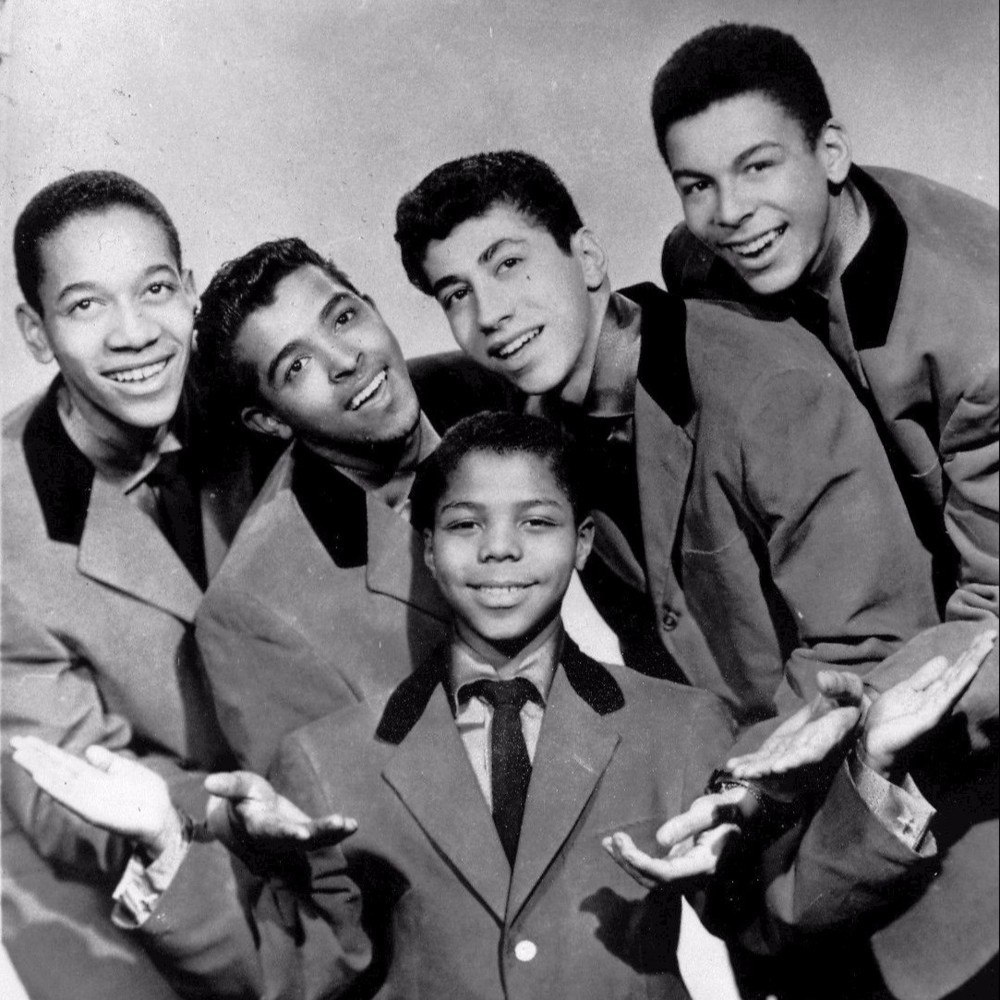
The story of The Teenagers began with a group called The Coupe De Villes, formed by neighborhood friends Herman Santiago, Joe Negroni, Sherman Garnes, and Jimmy Merchant. Frankie Lymon joined their ranks, initially as a tenor, but his extraordinary voice quickly propelled him to lead vocalist. It was a serendipitous alignment of young talent that would soon change the game.
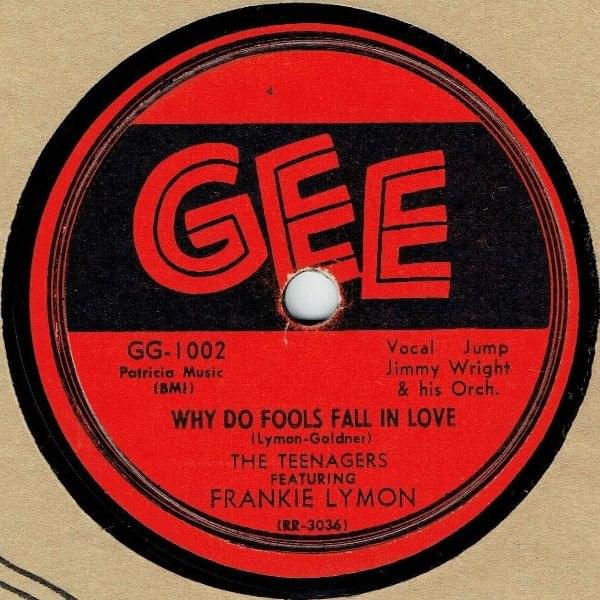
Their big break came when they performed an early version of Why Do Fools Fall in Love for producer Richard Barrett of Gee Records. Barrett was instantly captivated by Lymon's voice and the group's tight harmonies. This impromptu audition led to a recording contract and the birth of Frankie Lymon & The Teenagers, a name that perfectly encapsulated their fresh, youthful appeal.
Their debut single, Why Do Fools Fall in Love, released in late 1955, wasn't just a hit; it was a phenomenon. Its immediate success launched them into superstardom, transforming them from Harlem street corner singers to national idols almost overnight. The track became their breakthrough moment, propelling them onto stages and airwaves across the country.
Major Albums & Discography
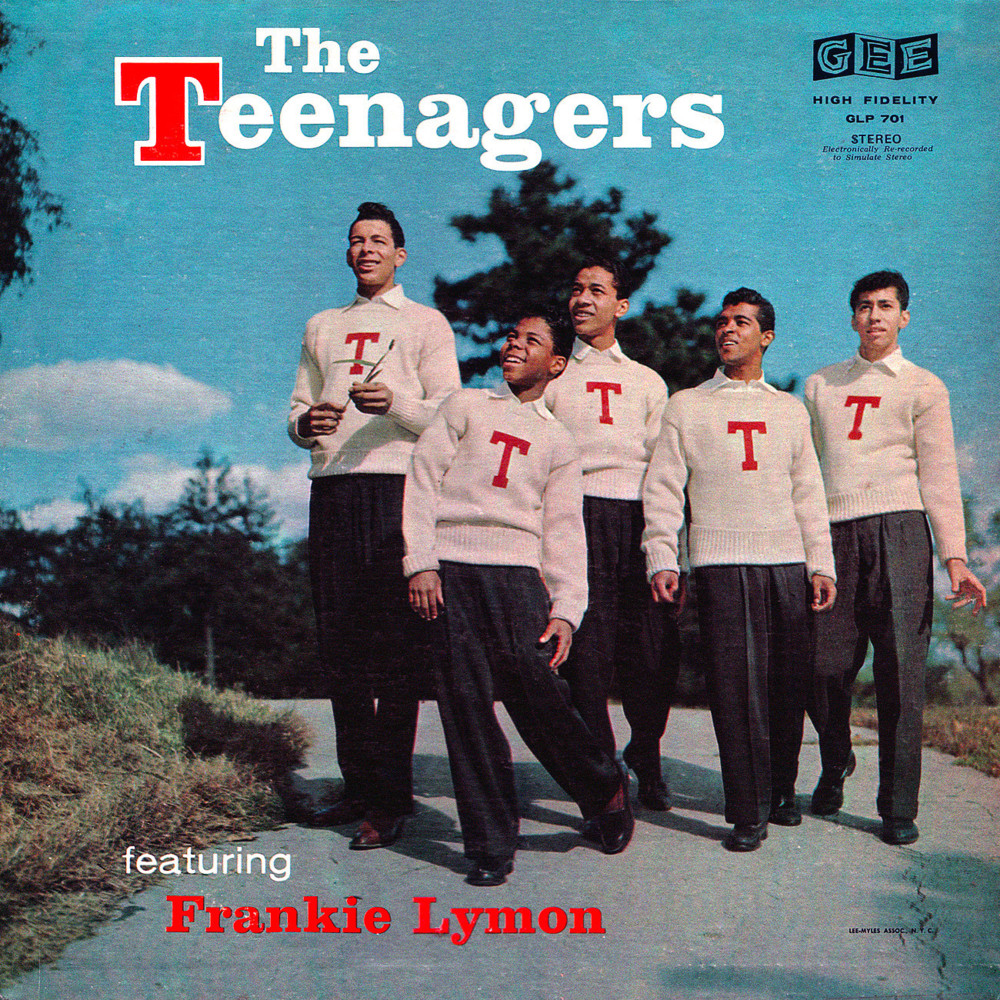
Frankie Lymon & The Teenagers' initial discography, while not extensive in terms of studio albums by modern standards, was immensely influential. Their self-titled debut, The Teenagers Featuring Frankie Lymon, released in 1956, compiled their early singles and B-sides, effectively showcasing their groundbreaking sound to a wider audience. This album became a cornerstone for doo-wop enthusiasts.
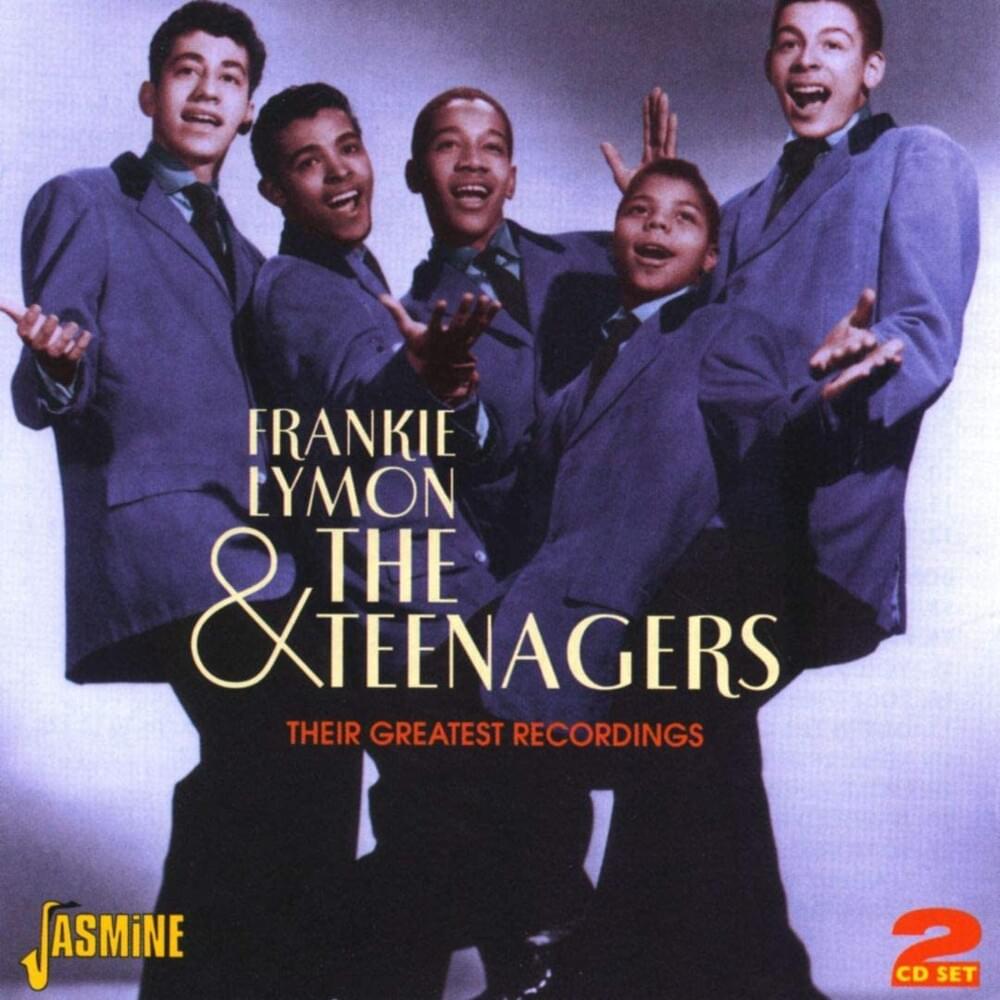
Later compilations, like Their Greatest Recordings and The Very Best of Frankie Lymon & The Teenagers, serve as essential time capsules, preserving the raw energy and vocal precision that defined their short but impactful run. These collections highlight how their sound evolved, albeit subtly, from pure street-corner harmonies to more polished studio productions.
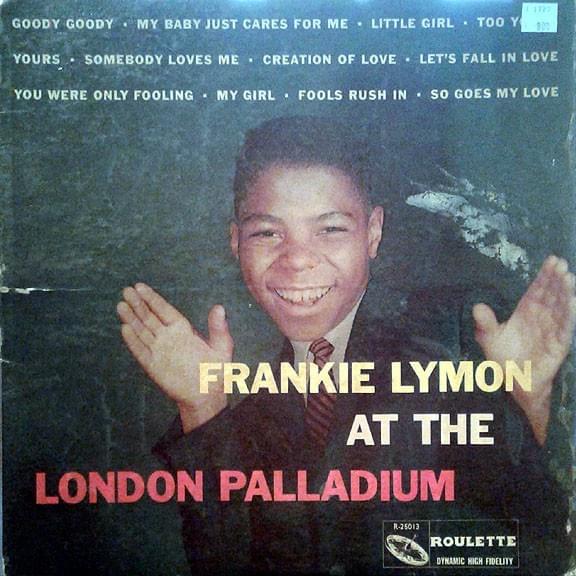
Their live performances were legendary, captured in releases like At The London Palladium (Live). This album offers a glimpse into their electrifying stage presence and Lymon's charismatic showmanship, which was as much a part of their appeal as their vocal talent. These records cemented their place in music history, proving their sound was built to last.
Hit Songs & Signature Tracks
It's impossible to talk about Frankie Lymon & The Teenagers without bowing down to Why Do Fools Fall in Love. This track wasn't just a hit; it was an anthem, bursting onto the scene in 1956 and hitting the Top 10 on both pop and R&B charts. Lymon's impossibly high, innocent vocals, coupled with the group's tight harmonies, created a sound that was both fresh and undeniably catchy, selling millions of copies and practically inventing the teen idol phenomenon.
Beyond their magnum opus, the group delivered a string of other unforgettable tracks that showcased their versatility. I Want You to Be My Girl followed up with similar chart success, solidifying their status as bona fide stars. Its playful lyrics and vibrant arrangement perfectly captured the youthful romance of the era.
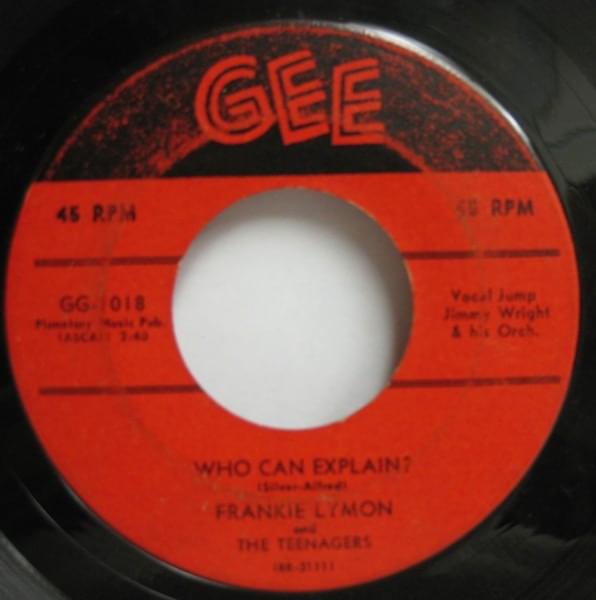
Other notable gems include the heartfelt I Promise to Remember, which displayed a more mature vocal approach, and the charming Who Can Explain?, highlighting the group's ability to blend emotional depth with their signature sound. Each song further cemented their legacy, proving they were more than a one-hit wonder.
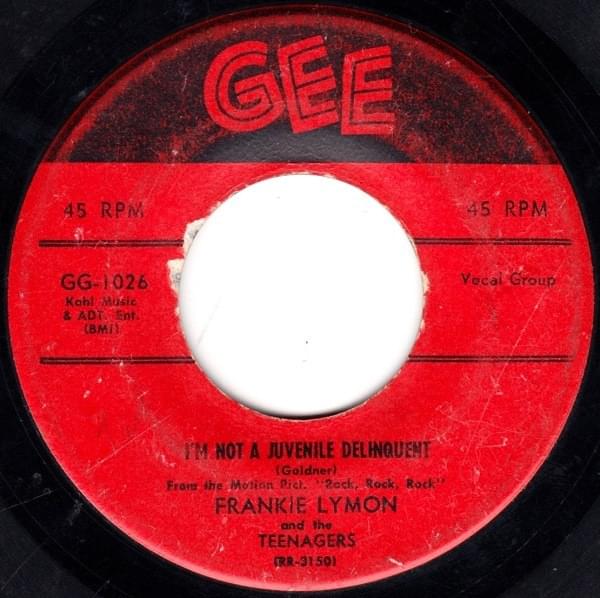
Tracks like Please Be Mine, Share, and Love Is A Clown showcased their consistent quality, while Goody, Goody, Baby, Baby, and I’m Not A Know It All demonstrated their playful side. These songs collectively formed the soundtrack for countless young love stories and sock hops, making them low-key iconic for generations to come.
Collaborations & Features
In the nascent days of rock and roll, "collaborations" weren't quite the star-studded features we see today. However, Frankie Lymon & The Teenagers' impact extended through their shared stages and the inspiration they provided to countless artists. They toured extensively, often sharing bills with other pioneering acts of the era, creating a vibrant exchange of musical ideas that shaped the sound of the 50s.
Frankie Lymon's incredible voice also led to attempts at a solo career after his departure from The Teenagers. While these solo efforts didn't replicate the stratospheric success of the group, they showcased Lymon's versatility as he worked with various producers and session musicians, exploring different vocal arrangements and pop sensibilities.
The group's sound itself was a collaborative effort, a perfect blend of each member's vocal strengths, orchestrated into intricate harmonies. Their influence, rather than direct features, can be seen in the countless doo-wop groups that followed, many of whom tried to emulate their unique blend of innocence and vocal sophistication. They truly set a benchmark for vocal group dynamics.
Awards & Achievements
Frankie Lymon & The Teenagers might have had a short time in the spotlight, but their impact earned them everlasting recognition. Their most significant achievement arrived in 1993, when they were inducted into the Rock and Roll Hall of Fame. This honor solidified their status as pioneers whose contributions fundamentally shaped the landscape of popular music.
Their debut single, Why Do Fools Fall in Love, remains a benchmark, often cited as one of the greatest songs of all time by various music publications. Its enduring appeal led to its inclusion in the Grammy Hall of Fame in 1998, further cementing its cultural significance and timeless quality.
Beyond these prestigious accolades, the group's commercial success was immense for its time, with multiple singles hitting the charts and selling millions worldwide. They broke barriers as one of the earliest successful interracial groups, paving the way for greater diversity in mainstream music. Their legacy isn't just about awards; it's about the doors they opened.
Personal Life
Frankie Lymon's personal life after his initial success was, unfortunately, marked by struggles that mirrored the intense pressures of child stardom. His departure from The Teenagers and attempts at a solo career proved challenging, as his voice matured and public tastes shifted. The innocent boy soprano struggled to transition into an adult artist, facing the harsh realities of the music industry.
Lymon’s later years saw him grapple with personal demons, including drug addiction, which tragically cut his life short at the age of 25 in 1968. While his life ended too soon, the legal battles over his estate and songwriting credits decades later highlighted the enduring financial and cultural impact of his early work, underscoring the complexities of his legacy.
Despite the somber end, his vibrant spirit and undeniable talent shine through his music, ensuring his story remains a powerful, if bittersweet, part of rock and roll history. His journey serves as a poignant reminder of the highs and lows that can accompany extraordinary talent.
Musical Style & Influence
Frankie Lymon & The Teenagers were the quintessential doo-wop group, but they elevated the genre to an art form. Their sound was characterized by intricate, multi-layered harmonies, a driving rhythm section, and, of course, Frankie Lymon's angelic, high-pitched lead vocals. They perfected the call-and-response vocal arrangements that were a hallmark of early R&B and gospel, injecting them with youthful pop sensibility.
Their artistic influences were rooted in the gospel quartets and R&B vocal groups of the 1940s and early 1950s, but they brought a fresh, almost innocent energy that was entirely their own. They didn't just sing; they performed, infusing their tracks with an infectious joy and playful charm that was irresistible to a burgeoning teenage market. They were truly trendsetters.
Their legacy is immense, influencing generations of artists across genres. From Motown acts like The Jackson 5 to later pop and rock groups, the blueprint for vocal harmony and charismatic frontmanship can often be traced back to The Teenagers. They proved that youthful voices could carry profound emotional weight and achieve global stardom, creating a timeless sound that continues to inspire.
Recent Work & What's Next
While Frankie Lymon tragically passed away in 1968 and The Teenagers continued in various forms over the years, their "recent work" is best understood through their enduring cultural footprint. Their music continues to be licensed for films, television shows, and commercials, introducing their classic sound to new audiences who might not have been around for the original wave. It's truly a testament to their timeless appeal.
Contemporary artists frequently sample their hits or release cover versions, giving their tracks a fresh spin while paying homage to the originals. This constant reinterpretation ensures that the spirit of Frankie Lymon & The Teenagers lives on, keeping their unique blend of doo-wop and youthful pop relevant in an ever-evolving music landscape.
Their legacy isn't about new albums or tours; it's about the continuous reverberation of their sound in popular culture, proving that true artistry transcends time.