Flipper’s Guitar: Why Japan's Dream Pop Pioneers Remain Utterly Iconic Decades Later
Introduction & Current Status
If you're scrolling through TikTok or deep-diving into indie playlists, chances are you've stumbled upon a track that exudes a certain effortless cool, a whimsical yet sophisticated vibe that feels both retro and utterly fresh. That's the enduring magic of Flipper’s Guitar, the Japanese duo who, despite a fleeting career at the turn of the '90s, left an indelible mark on global pop culture.
Keigo Oyamada and Kenji Ozawa, the masterminds behind the project, might have officially pressed pause on Flipper's Guitar in 1991, but their influence is anything but static. Their legacy isn't just intact; it’s thriving, consistently discovered by new generations who instantly recognize their main character energy and impeccable taste. They weren’t just a band; they were a mood, a whole aesthetic.
Today, Flipper’s Guitar records are coveted collector's items, their tracks soundtracking everything from indie films to fashion editorials. They remain the undisputed architects of Shibuya-kei, a genre that continues to inspire artists worldwide with its eclectic, chic, and utterly unique blend of sounds. Their music doesn't just age gracefully; it transcends time, cementing their status as low-key legends whose impact still reverberates.
Early Life & Background
Before they became Flipper’s Guitar, Keigo Oyamada and Kenji Ozawa were two ambitious young musicians in late 1980s Japan, steeped in a shared obsession with Western indie pop, new wave, and the sophisticated sounds of French yé-yé and bossa nova. Growing up in a rapidly modernizing Tokyo, they absorbed a diverse sonic palette, far beyond the confines of mainstream J-pop.
Their formative years were a deep dive into the crates, drawing inspiration from UK indie darlings like Orange Juice, Aztec Camera, and The Style Council, alongside American jazz and 60s pop arrangements. This eclectic diet of music cultivated a remarkably refined sensibility, setting the stage for a sound that would soon revolutionize the Japanese music scene.
Oyamada, with his knack for intricate production, and Ozawa, with his melodic prowess and lyrical charm, found a natural synergy. They weren't just musicians; they were cultural sponges, ready to synthesize a global array of influences into something distinctly their own, something that would resonate with a burgeoning youth culture eager for more than the status quo.
Career Beginnings
Flipper’s Guitar officially kicked off their journey in the late 1980s, originally forming under the moniker "The Flipper's Guitar." They quickly garnered buzz in Tokyo's burgeoning indie scene for their unique blend of jangle pop and sophisticated arrangements, a refreshing departure from the era's prevailing sounds. Their early demos showcased a youthful exuberance married with an already impressive musical sophistication.
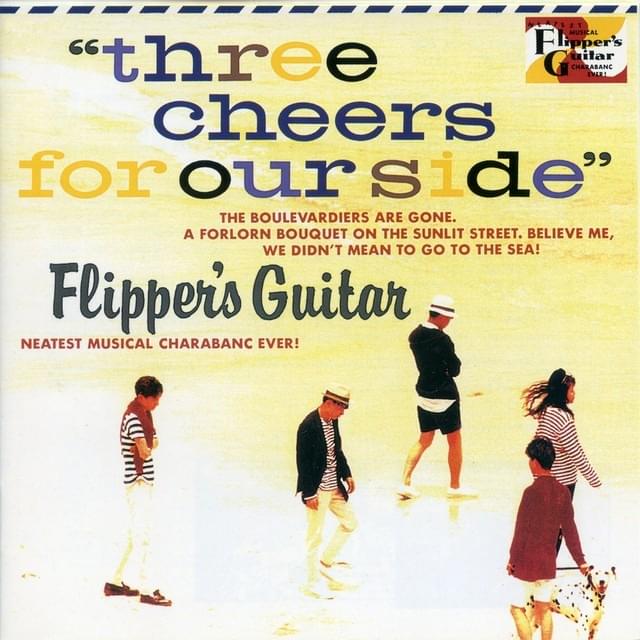
Their distinctive sound, which felt both familiar and utterly new, quickly caught the attention of major labels. This led to their signing and the release of their debut album, Three Cheers for Our Side〜海へ行くつもりじゃなかった〜, in 1990. It was a declaration of intent, filled with bright guitar pop that evoked memories of C86 compilations but with a distinctly Japanese sparkle.
The duo rapidly established themselves as taste-makers, not just musicians. They cultivated an image that was stylish, intellectual, and effortlessly cool, becoming pioneers in a new wave of Japanese artists who looked beyond national borders for inspiration, effectively setting the stage for what would soon be dubbed Shibuya-kei.
Major Albums & Discography
Flipper’s Guitar's discography, though concise, is a masterclass in artistic evolution, each album a distinct chapter in their brief but brilliant career. Their 1990 debut, Three Cheers for Our Side〜海へ行くつもりじゃなかった〜, arrived like a breath of fresh air, dripping with youthful jangle pop charm and an undeniable Anglophile sensibility. It was playful, immediate, and laid the groundwork for their signature blend of sophisticated melodies and indie energy.
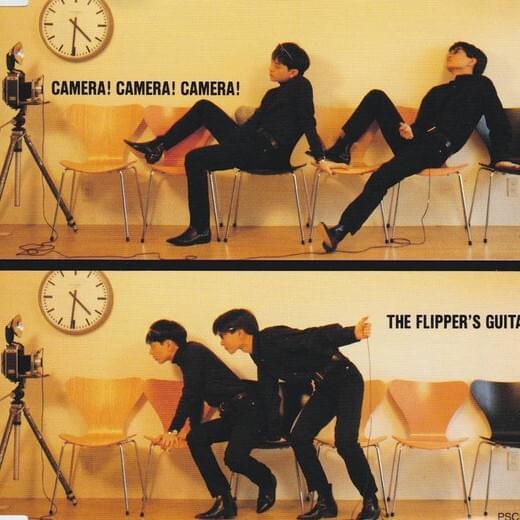
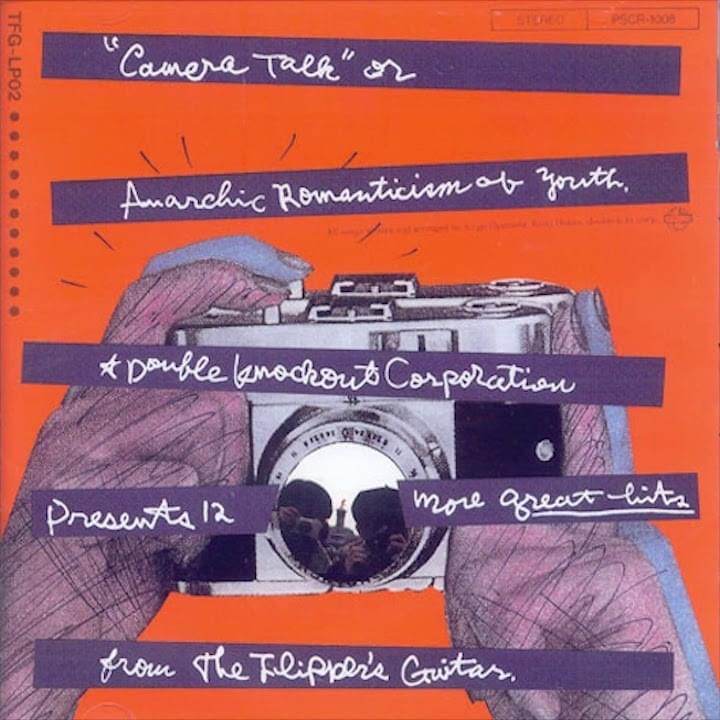
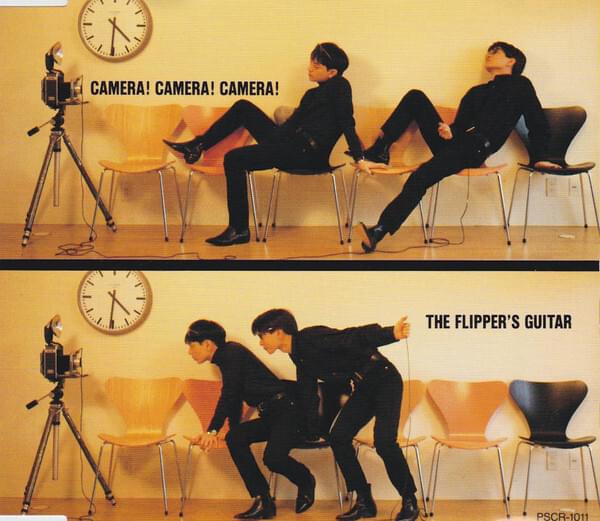
The same year brought CAMERA TALK, a pivotal release that marked a significant sonic shift. Here, Flipper’s Guitar began weaving in jazz, bossa nova, and French pop influences, creating a more polished, intricate sound. Tracks like Camera! Camera! Camera! (Guitar Pop Version) / カメラ!カメラ!カメラ! (ギター・ポップ・ヴァージョン) showcased their growing ambition and knack for crafting instantly memorable, yet complex, pop gems. This album solidified their place as innovators, defining the nascent Shibuya-kei aesthetic.
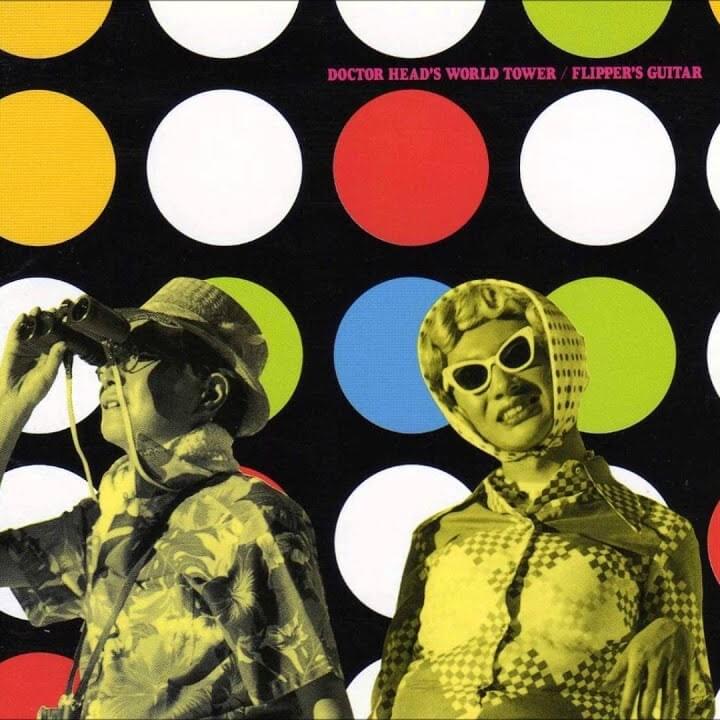
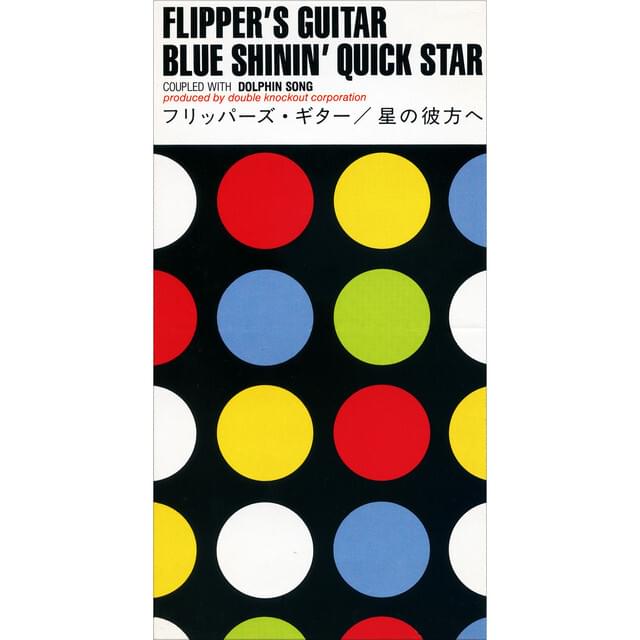
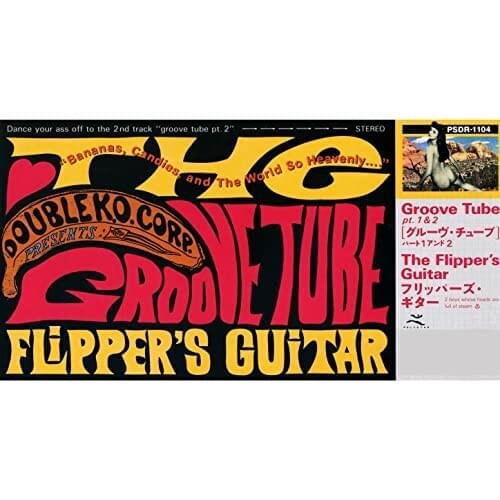
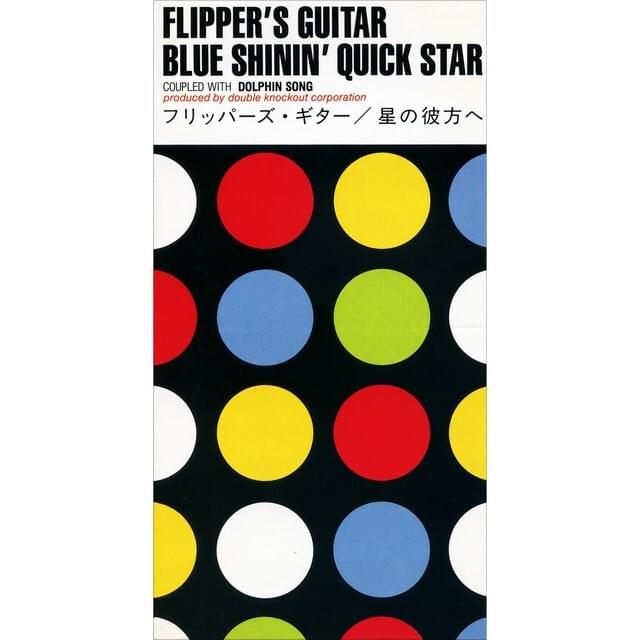
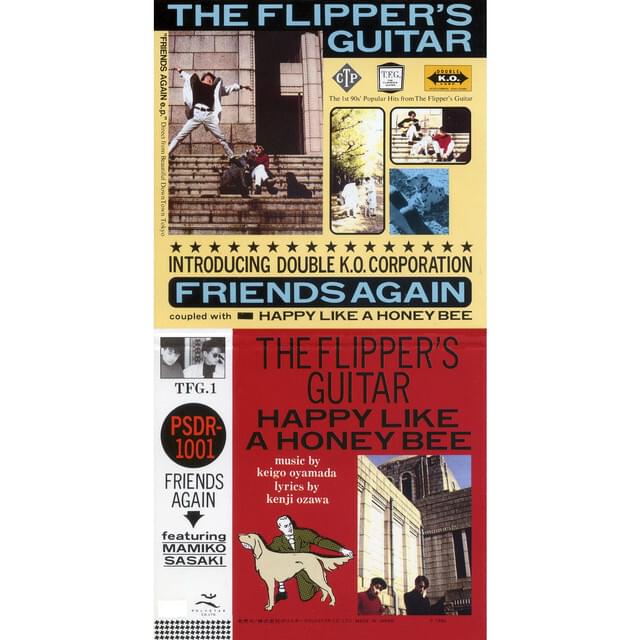
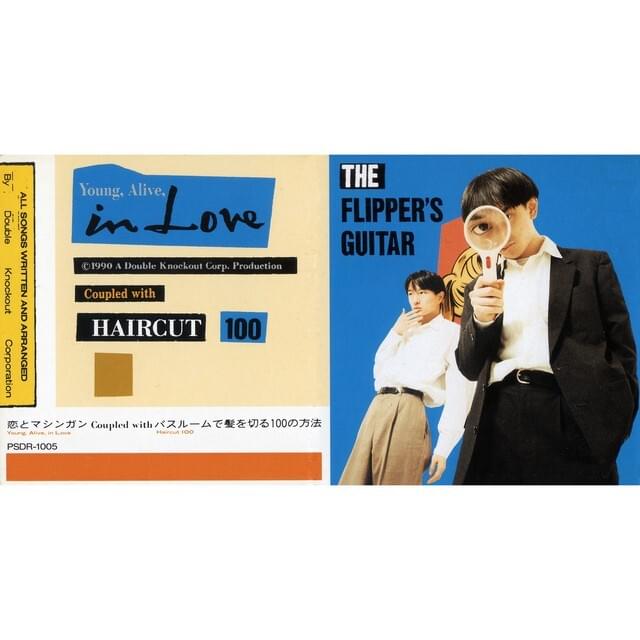
Their magnum opus arrived in 1991 with DOCTOR HEAD’S WORLD TOWER. This record is a kaleidoscopic journey, pushing the boundaries of pop with its dense arrangements, experimental flourishes, and lyrical depth. It's widely considered a cornerstone of Shibuya-kei, a testament to their genius and willingness to evolve, cementing its legacy as a critical darling and fan favorite. Other notable releases include the compilations FRIENDS AGAIN and 恋とマシンガン ~Young, Alive, in Love~, further showcasing their prolific output and diverse soundscapes, along with EPs such as カメラ! カメラ! カメラ! ~Camera! Camera! Camera!~, GROOVE TUBE, and LOVE TRAIN, which often explored remix culture and alternate versions of fan favorites. The releases on PLEASURE BENT and 星の彼方へ ~Blue Shinin’ Quick Star~ further encapsulate the vibrant and eclectic sound that defined their short but impactful career.
Hit Songs & Signature Tracks
Flipper’s Guitar curated a collection of tracks that didn't just top charts but became cultural touchstones, defining an era of cool. Their undisputed anthem, Young, Alive, in Love / 恋とマシンガン, is pure auditory sunshine, a sophisticated pop masterpiece instantly recognizable for its infectious melody and whimsical charm. This track didn't just become a hit; it became the soundtrack to countless youthful dreams and a defining moment for Shibuya-kei.
Another essential Flipper's Guitar bop is Camera! Camera! Camera! (Guitar Pop Version) / カメラ!カメラ!カメラ! (ギター・ポップ・ヴァージョン), a track that perfectly encapsulates their playful wit and meticulous production. Its catchy hooks and intricate layers showcase why they were so far ahead of their time, still sounding fresh decades later. Then there’s the irresistible groove of GROOVE TUBE -グルーヴ・チューブ-, which, along with its equally compelling counterpart GROOVE TUBE Part2, ventured into more dance-infused territory, proving their versatility beyond jangle pop.
Their discography is also packed with other gems that highlight their unique artistry. The dreamy introspection of Friends Again / フレンズ・アゲイン(シングル・ヴァージョン) offers a glimpse into their melodic depth, while Happy Like a Honeybee / ピクニックには早すぎる serves up quintessential dream pop vibes that are pure bliss. The infectious energy of Hello / ハロー/いとこの来る日曜日 and the cheeky nod to British pop culture in Haircut 100 / バスルームで髪を切る100の方法 further cement their status as masters of intelligent, catchy pop. Even tracks like ビッグ・バッド・ディスコ (Remix Ver.) and the live rendition of クールなスパイでぶっとばせ ~Cool Spy On A Hot Car~ (Live) demonstrate their ability to infuse their signature sound with new energy and interpretations, highlighting their dynamic range and enduring appeal.
Collaborations & Features
While Flipper’s Guitar operated as a tight-knit duo, their collaborative spirit manifested less in traditional guest features and more in their genre-blending alchemy and the intricate web of musicians and producers they worked with to craft their unique sound. Their ability to seamlessly fuse disparate musical styles – from 60s pop to bossa nova, jazz, and indie rock – was a collaborative feat in itself, a constant dialogue between disparate sounds and influences.
Their studio work was a testament to this, bringing in a diverse array of session musicians to flesh out their sophisticated arrangements. This behind-the-scenes "collaboration" allowed them to achieve the rich, layered textures that became a hallmark of the Shibuya-kei sound, creating a sonic tapestry that felt both grand and intimately crafted. Every brass section, every string swell, every intricate percussion layer was a collaborative effort to realize Oyamada and Ozawa's ambitious vision.
Beyond direct musical partnerships, Flipper’s Guitar's greatest "collaboration" was arguably with the cultural zeitgeist itself. They absorbed, reinterpreted, and then re-released a global pop sensibility back into the world, inspiring countless artists who came after them. Their very existence fostered a collaborative ecosystem in the Japanese indie scene, encouraging other musicians to explore beyond traditional boundaries and forge their own unique sonic identities.
Awards & Achievements
Flipper’s Guitar, despite their relatively short time in the spotlight, earned a reputation that far outstripped their active years, accumulating an impressive legacy rather than a shelf full of conventional awards. While mainstream accolades like Grammy wins might not define their story, their true achievement lies in their unparalleled critical acclaim and their status as undisputed pioneers.
They were the architects of Shibuya-kei, a genre that became a cultural phenomenon and a beacon for sophisticated, eclectic pop music. Their albums consistently appear on "best of" lists for Japanese music, cementing their place in the pantheon of influential artists. They didn't just break records; they broke ground, paving the way for a whole generation of musicians to follow their adventurous sonic path.
Their impact is measured not in platinum plaques but in the countless bands they inspired, the genre they defined, and the enduring adoration of a global cult following. Their music transcended commercial metrics, becoming a benchmark for artistic integrity and innovative sound design, proving that true influence often outweighs fleeting chart positions.
Personal Life
Flipper’s Guitar, composed of Keigo Oyamada and Kenji Ozawa, maintained a relatively private personal life during their active years, with their public persona primarily focused on their music, fashion, and sophisticated artistic vision. They were seen as cool, intellectual, and effortlessly stylish, embodying a new wave of urban cool in Tokyo.
While their close friendship was the foundation of the band, creative differences ultimately led to their amicable split in 1991. Both members went on to achieve significant solo success: Oyamada under the moniker Cornelius, becoming an internationally renowned experimental pop artist, and Ozawa as a highly successful mainstream pop singer-songwriter in Japan. Their individual post-Flipper's Guitar careers further cemented their artistic credibility and distinct talents.
Their journey from a groundbreaking duo to successful solo acts is a testament to their individual artistic strengths, showcasing their ability to evolve and adapt while staying true to their unique musical sensibilities. They remain influential figures in their respective fields, continuing to shape the Japanese music landscape.
Musical Style & Influence
Flipper’s Guitar didn't just play music; they curated a whole vibe, defining the iconic Shibuya-kei sound with their eclectic and sophisticated approach. Their style was a glorious mashup, pulling threads from 60s baroque pop, French yé-yé, bossa nova, jazz, UK indie rock, and even hints of early acid jazz. The result was a meticulously crafted, often whimsical, and always intelligent brand of pop.
Their signature sonic characteristics included jangling guitars, intricate horn and string arrangements, smooth, often whispered vocals, and a playful yet melancholic lyrical sensibility. They had a knack for creating a dreamy, urbane atmosphere, making every track feel like the soundtrack to a stylish European film. Influences ranged from The Smiths and Orange Juice to Serge Gainsbourg and Burt Bacharach, filtered through a distinctly Japanese lens.
Flipper’s Guitar's influence is truly monumental. They didn't just start Shibuya-kei; they perfected it, opening the floodgates for artists like Pizzicato Five, Fantastic Plastic Machine, and Cibo Matto. Their legacy extends far beyond Japan, impacting indie pop and alternative scenes globally, proving that their sophisticated blend of cool and clever was a universal language. They taught a generation of artists that pop music could be both intellectually stimulating and undeniably fun.
Recent Work & What's Next
For a band that disbanded in 1991, Flipper’s Guitar's "recent work" isn't about new releases, but rather the enduring life and rediscovery of their groundbreaking catalog. Their music continues to find new audiences through reissues, streaming platforms, and social media, introducing their sophisticated pop to a fresh wave of listeners who instantly connect with their timeless cool. They're basically the OG viral sensation, decades before TikTok was even a glimmer in anyone's eye.
While a full Flipper’s Guitar reunion remains a distant dream for many fans, the individual members, Keigo Oyamada (as Cornelius) and Kenji Ozawa, continue to release critically acclaimed music, carrying forward the innovative spirit that defined their early collaboration. Their ongoing solo careers serve as a testament to their lasting creative energy and influence.
Flipper’s Guitar's future isn't about what's next in the studio, but rather the perpetual bloom of their legacy. Their albums are continually celebrated, analyzed, and adored, cementing their place as cultural touchstones whose music will forever inspire, surprise, and delight new generations of music lovers. Their vibe?