Introduction & Current Status
F. Scott Fitzgerald isn't dropping new tracks anytime soon (obviously), but his influence? Still hitting number one. We're talking about a literary icon whose work continues to soundtrack our collective feels about ambition, excess, and the elusive green light of the American Dream. His words are constantly being adapted, remixed, and quoted, proving that some stories just never go out of style.
Why does Fitzgerald still matter? Because he captured a specific type of yearning that resonates across generations. The lavish parties, the reckless romance, the underlying sense of disillusionment – it's all catnip for anyone navigating the complexities of modern life. Think main character energy, but with a vintage filter and a healthy dose of existential dread.
His novels and short stories are more than just period pieces. They're like a perfectly curated mood board for the messy, beautiful, and sometimes tragic realities of being human. Fitzgerald's work continues to inspire artists, filmmakers, and anyone who's ever chased a dream that seemed just out of reach.
Early Life & Background
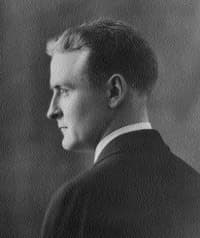
Born Francis Scott Key Fitzgerald in 1896 in St. Paul, Minnesota, our guy was practically born with a silver pen in his hand. Named after his famous second cousin, Francis Scott Key (the "Star-Spangled Banner" guy), he had literary greatness practically baked into his DNA. Though not rolling in dough initially, his family had enough social standing to give young Scott a taste of the finer things – a taste that would heavily influence his writing.
Fitzgerald's childhood was marked by a sense of being an outsider looking in. He attended prestigious private schools, but always felt a bit like he was performing the role of a wealthy kid. This feeling of being on the periphery would become a recurring theme in his life and work.
Early on, Fitzgerald was drawn to the theater and writing. He penned stories and plays during his school years, foreshadowing the literary fame that awaited him. Even as a young dude, Fitzgerald was already crafting narratives about love, loss, and the pursuit of something more, themes that would dominate his later masterpieces.
Career Beginnings
Fitzgerald's literary journey kicked off in earnest during his time at Princeton University. Though he didn't actually graduate (he dropped out to join the army), his time there was formative. He wrote for the Princeton Triangle Club, honing his skills in writing and performance. It was during this period that he began to seriously pursue writing as a career.
After leaving Princeton, Fitzgerald found himself stationed at Camp Sheridan near Montgomery, Alabama. It was there he met Zelda Sayre, the dazzling Southern belle who would become his wife and muse. Their relationship was legendary – a whirlwind of romance, extravagance, and creative inspiration (and a whole lot of drama).
Fitzgerald's first novel, *This Side of Paradise*, was published in 1920 and became an instant sensation. The book captured the zeitgeist of the post-World War I generation, catapulting Fitzgerald to literary stardom. Suddenly, he was the voice of the Jazz Age, and he and Zelda were its king and queen.
Major Albums & Discography
*This Side of Paradise* (1920) wasn't just a book; it was a cultural phenomenon. It perfectly encapsulated the restless energy and moral ambiguity of the post-war generation. Critics were divided, but readers couldn't get enough of Amory Blaine's journey of self-discovery. The novel made Fitzgerald a literary celebrity overnight.
His next major work, *The Beautiful and Damned* (1922), explored the destructive effects of wealth and hedonism on a marriage. While not as commercially successful as *This Side of Paradise*, it further solidified Fitzgerald's reputation as a chronicler of the Roaring Twenties. It's a darker, more cynical take on the themes he introduced in his debut novel.
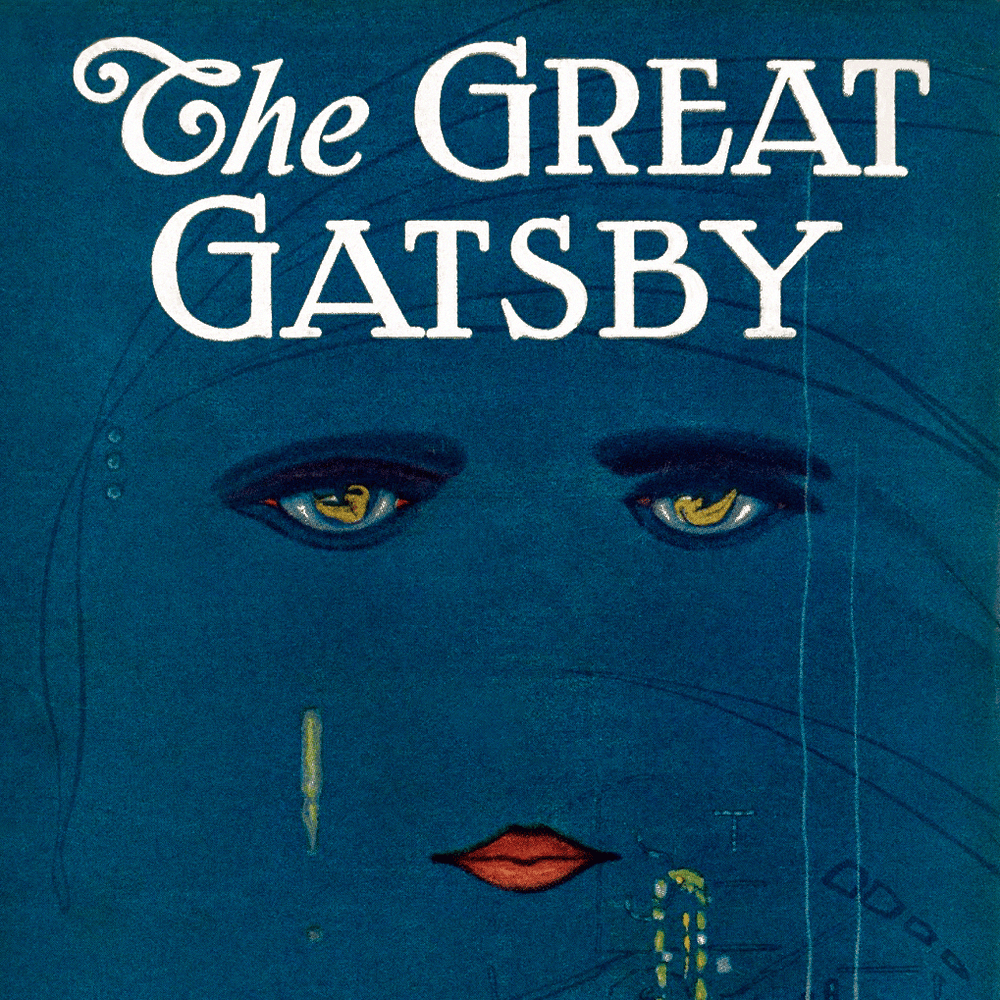
Of course, we can't forget *The Great Gatsby* (1925). Initially met with mixed reviews and modest sales, it has since become recognized as Fitzgerald's masterpiece and one of the greatest novels in American literature. The story of Jay Gatsby's obsessive pursuit of the American Dream continues to captivate readers with its themes of love, class, and the illusion of wealth.
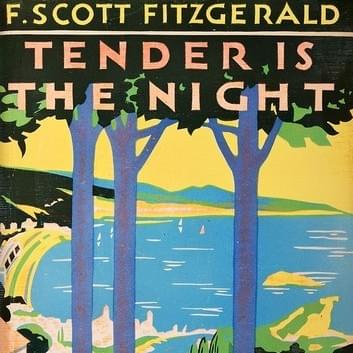
Fitzgerald's later works, like *Tender Is the Night* (1934) and *The Last Tycoon* (unfinished, published posthumously in 1941), reflected a shift in his style and subject matter. These novels explored themes of mental illness, disillusionment, and the dark side of Hollywood. While not as widely read as *Gatsby*, they offer a compelling glimpse into Fitzgerald's evolving perspective on life and society.
Hit Songs & Signature Tracks
While Fitzgerald didn't pen actual songs, his words became the lyrical heartbeat of an era. *The Great Gatsby* is basically a platinum-selling album in book form. Lines like "So we beat on, boats against the current, borne back ceaselessly into the past"? Pure fire. They're the kind of lyrics that get tattooed on arms and quoted in graduation speeches.
"Her voice is full of money," from *The Great Gatsby*, is another one. That single line paints a whole picture of wealth, privilege, and the seductive allure of the upper class. It's the kind of lyric that makes you stop and think about the hidden meanings behind appearances.
And who could forget "In his blue gardens men and girls came and went like moths among the whisperings and the champagne and the stars"? This opening line from *The Great Gatsby* is pure poetry. It perfectly captures the atmosphere of Gatsby's lavish parties – a mix of excitement, glamour, and fleeting connections.
Fitzgerald's prose is so evocative, so filled with rhythm and imagery, that it's no wonder his words have become iconic. He didn't write songs in the traditional sense, but he gave us the soundtrack to the Jazz Age and beyond.
Collaborations & Features
Fitzgerald didn't do traditional collaborations in the modern music sense, but his creative partnership with Zelda Sayre was legendary. They were each other's muses, critics, and co-conspirators in a life lived on the edge. Their tumultuous relationship provided endless fodder for his fiction.
He also collaborated with other writers and playwrights throughout his career, though these collaborations are less well-known. He worked on screenplays in Hollywood, often uncredited, and contributed to various literary magazines and publications.
In a way, every adaptation of his work is a collaboration. Filmmakers, playwrights, and even musicians have taken his stories and reimagined them for new audiences. These adaptations keep his work alive and relevant, proving that his words continue to inspire creative minds.
Awards & Achievements
Fitzgerald didn't rack up a ton of awards during his lifetime. Recognition for *The Great Gatsby*, specifically, came much later. But his impact on literature? Undeniable. He's considered one of the greatest American writers of the 20th century, and his works are studied in schools and universities around the world.
While he didn't win a Pulitzer Prize or a Nobel Prize in Literature during his lifetime, his legacy has been recognized posthumously. He's been inducted into various literary halls of fame, and his works continue to be celebrated and analyzed by scholars and critics.
His greatest achievement, perhaps, is the enduring relevance of his work. He captured the spirit of an era and created characters who continue to resonate with readers today. That's a legacy that few writers can claim.
Personal Life
Fitzgerald's personal life was as dramatic as his fiction. His marriage to Zelda Sayre was a rollercoaster of passion, extravagance, and mental illness. Their relationship was the stuff of legends – a symbol of the Jazz Age's intoxicating mix of glamour and despair.
He struggled with alcoholism and financial problems throughout his adult life. Despite his literary success, he often found himself in debt, and his heavy drinking took a toll on his health and his writing. These struggles are reflected in his later works, which offer a darker, more introspective view of the world.
Musical Style & Influence
Fitzgerald's writing style is characterized by its lyrical prose, vivid imagery, and sharp social commentary. He captured the rhythms and cadences of American speech, and his words practically dance off the page. He was a master of capturing the mood and atmosphere of a particular time and place.
His influences included writers like Ernest Hemingway and Edith Wharton, but he also drew inspiration from music, fashion, and popular culture. He was a keen observer of the world around him, and he incorporated his observations into his fiction.
Fitzgerald's influence on subsequent generations of writers is immense. His exploration of themes like the American Dream, social class, and the pursuit of happiness continues to resonate with readers today. He helped to shape the modern American novel, and his legacy endures.
Recent Work & What's Next
Okay, so Fitzgerald isn't exactly dropping a new album (or book) anytime soon, but his work is constantly being rediscovered and reinterpreted. New editions of his novels are published regularly, and filmmakers continue to adapt his stories for the big screen.
The ongoing fascination with Fitzgerald suggests that his themes are timeless. As long as people are chasing dreams, falling in love, and grappling with the complexities of modern life, his work will continue to resonate. So, keep Gatsbying on, folks. The green light is always out there… somewhere.