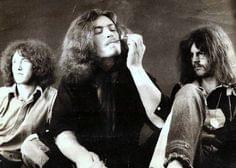
Photo of Egg

Egg

36.4K Listeners

Artist Bio

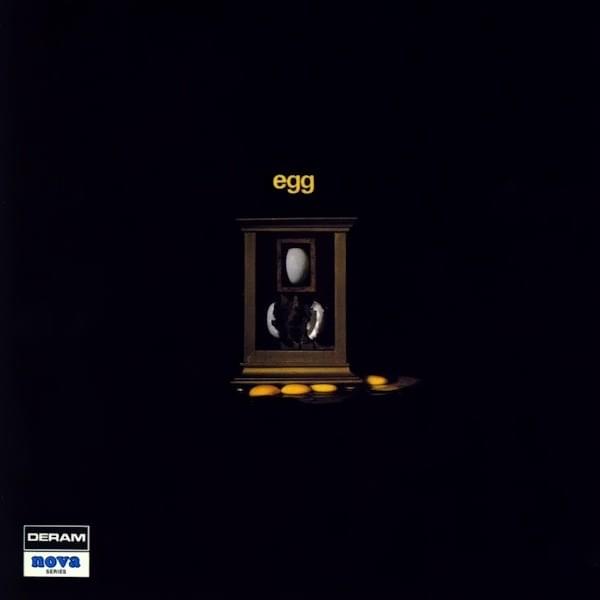
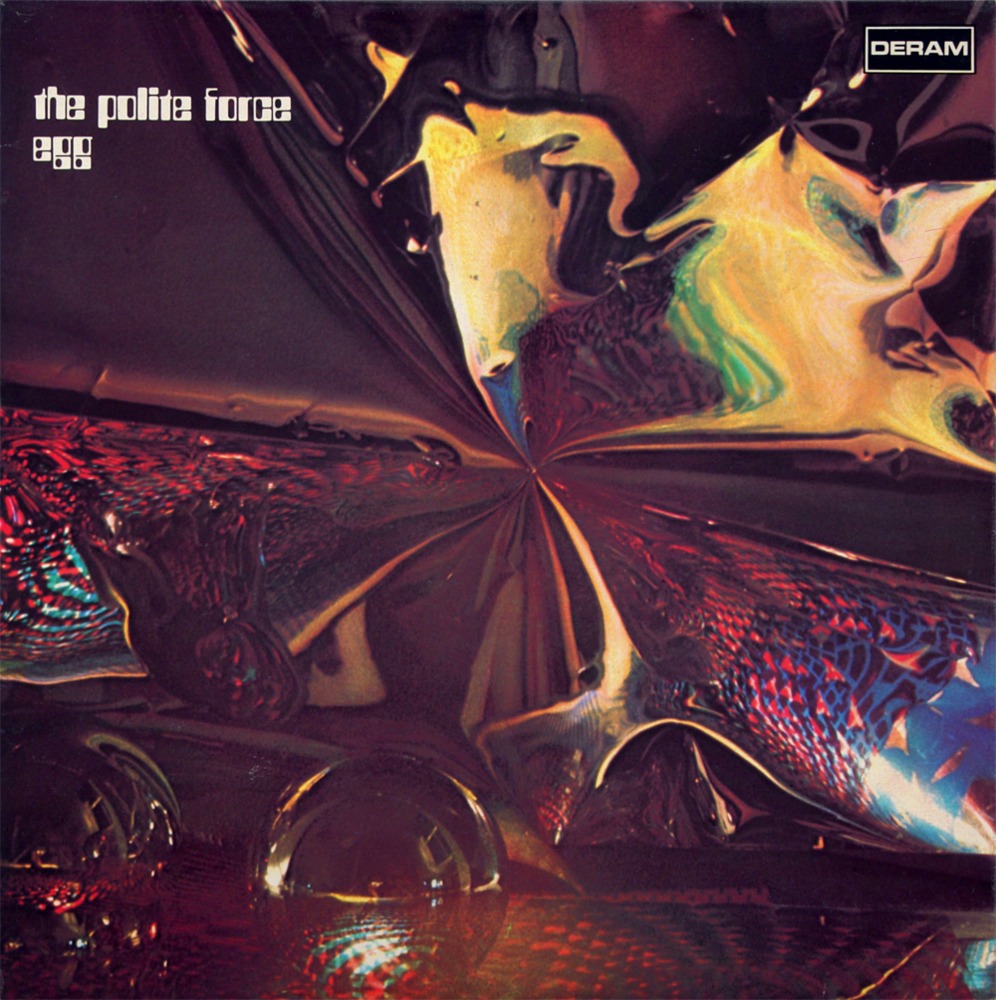
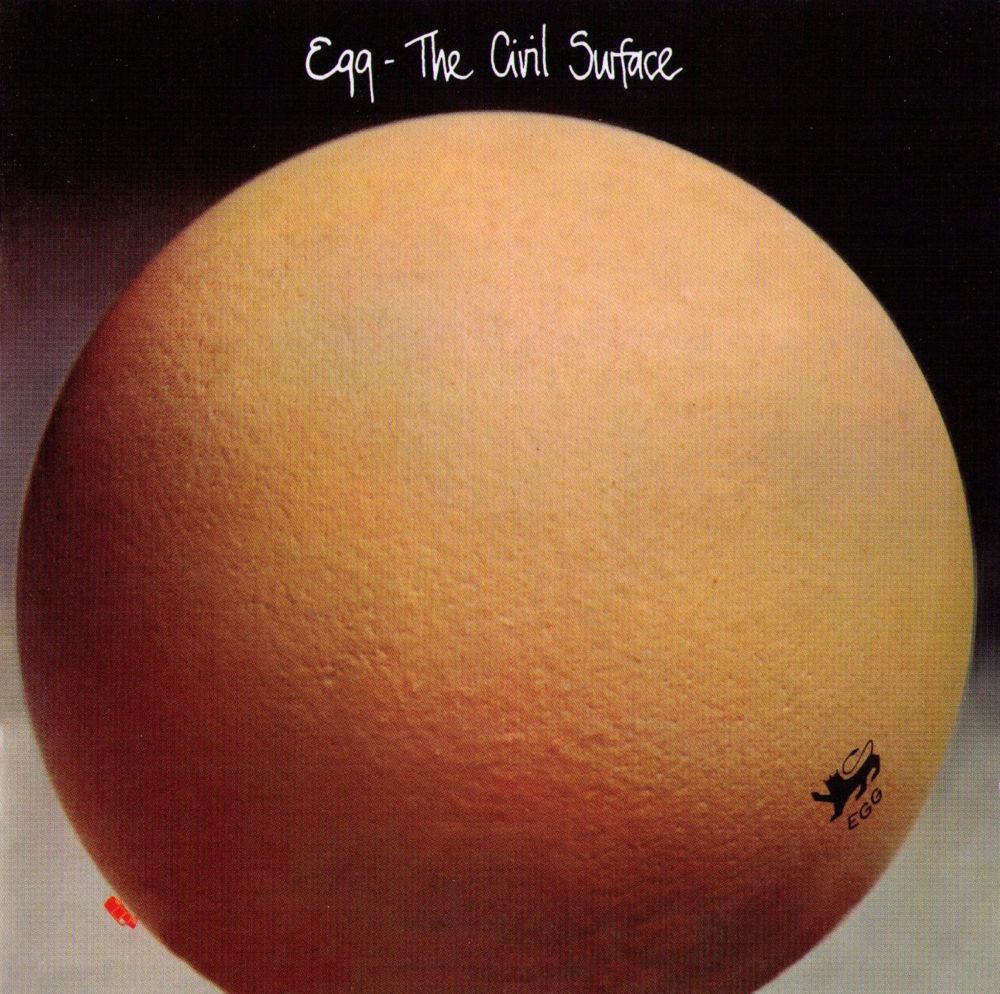
Introduction & Current Status Egg, the British progressive rock trio, might not be topping the charts today, but their influence continues to ripple through the prog and Canterbury scenes. Emerging from the late 60s, Egg carved a niche with their complex arrangements, quirky lyrics, and a healthy dose of avant-garde experimentation. Their music remains a touchstone for musicians and fans seeking something beyond the mainstream. While a full-blown reunion seems unlikely, Egg's legacy lives on through reissues of their albums and their enduring appeal to crate-digging music aficionados. Their impact on subsequent generations of progressive musicians is undeniable. Many still regard them as unsung heroes of a pivotal era. Egg's unique blend of classical influences, psychedelic flourishes, and irreverent humor set them apart. The band's willingness to push boundaries cemented their place in the progressive rock pantheon. They proved that complex music could also be playful and engaging. Early Life & Background Formed in London in 1969, Egg's roots trace back to the earlier band Uriel, featuring Dave Stewart (keyboards), Mont Campbell (bass, vocals), and Clive Brooks (drums). Their shared passion for intricate compositions and experimental sounds laid the foundation for what would become Egg. The band's members were all classically trained musicians, giving them a unique edge in the burgeoning progressive rock scene. Mont Campbell's musical upbringing played a crucial role in shaping Egg's sound. He was exposed to a wide range of genres, from classical music to jazz, which influenced his songwriting and arranging. Dave Stewart's keyboard wizardry added another layer of sophistication to the band's sonic palette. Clive Brooks' drumming provided the rhythmic backbone for Egg's complex compositions. His ability to navigate intricate time signatures and shifting tempos was essential to the band's overall sound. Together, these three musicians formed a tight-knit unit capable of creating truly innovative music. Career Beginnings Following Uriel's dissolution, Campbell, Stewart, and Brooks regrouped as Egg, signing with Decca Records' progressive imprint, Deram. This marked the beginning of their journey into uncharted musical territory. The band quickly gained a reputation for their challenging and unconventional live performances. Egg's self-titled debut album, Egg, released in 1970, showcased their unique blend of progressive rock, classical music, and avant-garde experimentation. Tracks like While Growing My Hair immediately established them as a force to be reckoned with in the burgeoning progressive rock scene. Despite critical acclaim, Egg struggled to gain mainstream recognition. The band's complex compositions and lack of traditional pop sensibilities made it difficult for them to break through to a wider audience. However, they persevered, driven by their passion for creating original and challenging music. Major Albums & Discography Egg's discography, though concise, is packed with ambitious and innovative work. Their debut, Egg, is a raw and energetic statement of intent, brimming with complex instrumental passages and Campbell's distinctive vocals. It set the stage for their future explorations. The Polite Force, released in 1971, is often considered their masterpiece. The album features even more intricate arrangements and showcases the band's technical prowess. Tracks like Germ Patrol and Enneagram highlight their unique blend of humor and musical sophistication. Their final studio album, The Civil Surface (1974), saw the band incorporating more vocal harmonies and shorter, more accessible song structures. While some fans consider it a departure from their earlier work, it remains a testament to their versatility. It includes the song Wring Out the Ground (Loosely Now). Cetacean / Erin Go Bragh shows the band at their most whimsical and experimental, pushing the boundaries of progressive rock even further. Their sound continues to evolve and surprise even the most seasoned prog rock fans. The album The Metronomical Society further solidified their reputation for complexity and innovation. Hit Songs & Signature Tracks While Egg never achieved mainstream chart success, several tracks have become staples for fans of progressive rock. While Growing My Hair from their debut album is a prime example of their early sound. It features complex instrumental passages and Campbell's distinctive vocals, a perfect example of their complex sound. Seven Is a Jolly Good Time, is another standout track from their early years. It's quirky, playful, and showcases the band's sense of humor. The song is a fan favorite and a perfect example of Egg's unique approach to progressive rock. Contrasong is a powerful and politically charged track that showcases the band's willingness to tackle social issues in their music. Its complex arrangements and thought-provoking lyrics make it a standout in their discography. The instrumental track Wind Quartet I demonstrates their classical influences. A Visit to Newport Hospital is a great example of Egg's skill for creating vivid soundscapes. And, of course, Prelude is one of their more accessible pieces. Another version of Wring Out the Ground (Loosely Now) also remains a classic. Collaborations & Features Dave Stewart, in particular, has maintained a prolific career as a session musician and collaborator. He's worked with a diverse range of artists, from Gong to Hatfield and the North. His contributions to the Canterbury scene have been immense. Egg's music has been sampled and covered by various artists over the years. Their influence can be heard in the work of many contemporary progressive rock bands. They have contributed to several compilations showcasing the Canterbury sound. While Egg themselves didn't engage in many formal collaborations during their initial run, their individual members have a rich history of working with other musicians. This collaborative spirit is a hallmark of the Canterbury scene. Awards & Achievements Egg's achievements are more about influence and legacy than mainstream awards. Their albums are consistently praised by critics and fans alike. They are considered pioneers of the Canterbury scene. While Grammy awards and Billboard charts eluded them, Egg's music continues to resonate with those seeking something beyond the ordinary. Their albums are considered essential listening for any serious fan of progressive rock. Their influence on subsequent generations of musicians is undeniable. Egg's impact on the progressive rock landscape is immeasurable. Their willingness to experiment and push boundaries paved the way for countless other artists. They remain a beloved and respected band among those in the know. Personal Life Details about the personal lives of the members of Egg are relatively scarce. They've largely remained private individuals, focusing on their music and artistic pursuits. Dave Stewart, however, has maintained a higher public profile due to his extensive work as a session musician and composer. Mont Campbell has continued to be involved in music, exploring various avenues of composition and performance. Clive Brooks sadly passed away in 2017, leaving behind a legacy as one of the most respected drummers in the progressive rock world. Musical Style & Influence Egg's musical style is a unique blend of progressive rock, classical music, and avant-garde experimentation. They are often categorized as part of the Canterbury scene, a subgenre of progressive rock known for its quirky humor and complex arrangements. They are heavily influenced by classical composers like Stravinsky and Bartok. Egg, in turn, has influenced countless other musicians. Their willingness to experiment and push boundaries paved the way for many contemporary progressive rock bands. Their music continues to inspire those seeking to create something truly original. Their legacy is secure as innovators. Their music is characterized by intricate instrumental passages, complex time signatures, and Campbell's distinctive vocals. Their sound is both challenging and rewarding, appealing to those seeking something beyond the mainstream. They remain a touchstone for musicians and fans alike. Recent Work & What's Next While Egg disbanded in the mid-1970s, their music continues to be discovered and appreciated by new generations of fans. Reissues of their albums have helped to keep their legacy alive. Dave Stewart remains active in the music world, composing and performing with various artists. Though a reunion is unlikely, Egg's music will undoubtedly continue to inspire and challenge listeners for years to come. Their innovative spirit and unique sound have cemented their place in the progressive rock pantheon. They are a band that truly deserves to be remembered.

Popular Albums

Popular Songs

Reviews

Comments

Questions & Answers

Music Awards

0 Total

No Music Awards Found