Drive Like Jehu: San Diego's Post-Hardcore Prophets Still Reverberating
Introduction & Current Status
Drive Like Jehu might not be topping the charts right now, but their influence on post-hardcore and experimental rock remains undeniable. Formed in San Diego in the early '90s, the band's complex rhythms, dissonant guitars, and intense vocals carved out a unique space in the alternative music landscape. Though their active period was relatively short, their two albums continue to inspire musicians and resonate with fans seeking something beyond the mainstream.
Drive Like Jehu's legacy is less about current radio play and more about the deep impact they had on a generation of bands. Their sound, characterized by intricate arrangements and a raw, almost chaotic energy, laid the groundwork for countless artists who followed. The band's cult following remains strong, eagerly anticipating any potential reunion or archival release.
Even though new material might be elusive, Drive Like Jehu's music lives on through streaming platforms and physical releases. Their albums are constantly being rediscovered by new listeners, ensuring their continued relevance in the ever-evolving music scene.
Early Life & Background
Drive Like Jehu's story begins in San Diego, California, a city often overlooked in the narrative of '90s alternative rock. The band's core members, Rick Froberg and John Reis, had previously played together in the hardcore punk band Pitchfork (not to be confused with the music website). This early experience shaped their musical sensibilities, laying the foundation for the more complex and experimental sound they would later develop.
Both Froberg and Reis were immersed in the vibrant San Diego punk scene, absorbing influences from bands like The Fall, Public Image Ltd, and early hardcore acts. This eclectic mix of punk energy and art-rock experimentation fueled their desire to create something truly unique. The DIY ethos of the punk scene also instilled in them a strong sense of independence and a willingness to challenge musical conventions.
Growing up in Southern California exposed them to a diverse range of musical styles, from surf rock to Chicano rock. This cultural melting pot contributed to their distinctive sound, setting them apart from their peers in other regions.
Career Beginnings
Following the dissolution of Pitchfork, Froberg and Reis decided to form a new band that would push the boundaries of hardcore punk. They recruited drummer Mark Trombino and bassist Mike Kennedy to complete the lineup of Drive Like Jehu. From the outset, the band's goal was to create music that was both challenging and visceral.
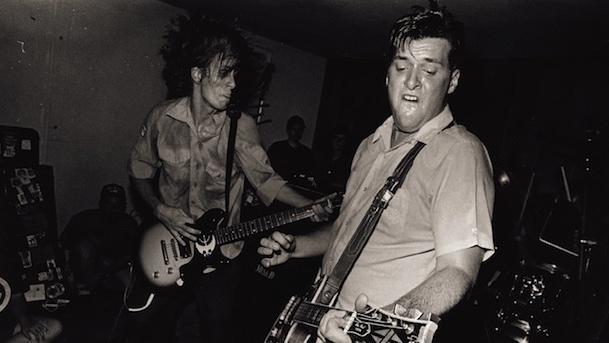
The band quickly gained a reputation for their intense live performances, characterized by Froberg's frenetic stage presence and the band's tight, almost telepathic musical interplay. Their early shows at local San Diego venues became legendary, drawing crowds of fans eager to experience their unique brand of controlled chaos.
Drive Like Jehu's breakthrough moment came with the release of their self-titled debut album in 1991. The album, released on the Cargo Music label, showcased their signature sound: complex time signatures, dissonant guitar riffs, and Froberg's impassioned vocals. While not a commercial success, the album earned critical acclaim and established them as a force to be reckoned with in the underground music scene.
Major Albums & Discography
Drive Like Jehu's discography consists of two studio albums, each a landmark in the development of post-hardcore. Their self-titled debut, released in 1991, introduced the world to their complex and angular sound. It's a raw, uncompromising record that captures the energy of their early live shows.
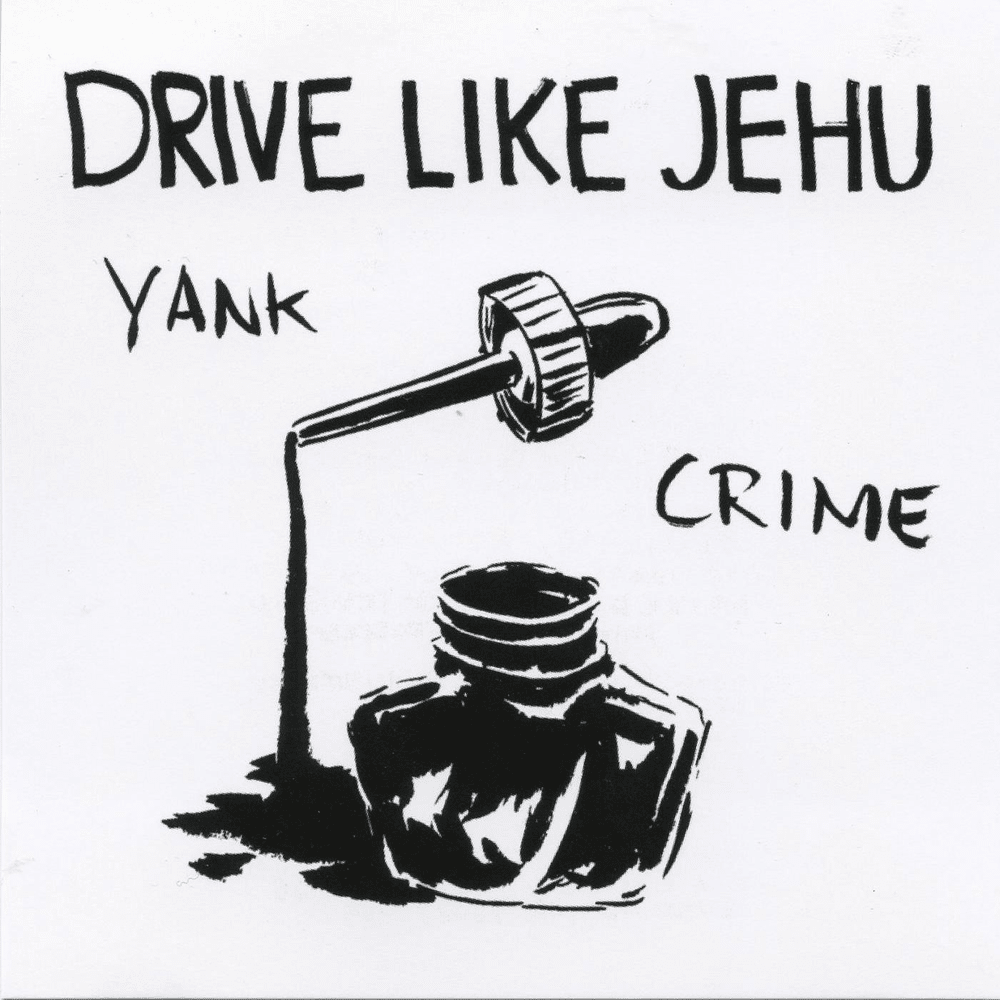
Their second album, *Yank Crime*, released in 1994 on Interscope Records, is widely considered their masterpiece. The album sees the band further refining their sound, incorporating more intricate arrangements and dynamic shifts. *Yank Crime* is a challenging but ultimately rewarding listen, showcasing the band's musical prowess and their willingness to push the boundaries of genre.
While *Yank Crime* received critical acclaim, it failed to achieve mainstream success. The band's uncompromising sound and refusal to compromise their artistic vision made them a difficult sell to a wider audience. Despite this, the album has gone on to become a cult classic, influencing countless bands in the years since its release.
Both albums showcase a band unafraid to experiment with unconventional song structures and dissonant harmonies. Drive Like Jehu carved a space for themselves separate from the grunge and alternative movements of the era.
Hit Songs & Signature Tracks
Drive Like Jehu didn't exactly traffic in radio-friendly hits. Their appeal lies more in the cohesive power of their albums rather than individual standout tracks. However, certain songs have become fan favorites and are considered signature tracks for the band.
From their debut album, tracks like "Caress" and "Bullet Train to Vegas" showcase their raw energy and complex arrangements. These songs feature Froberg's distinctive vocals and the band's signature blend of dissonance and melody.
On *Yank Crime*, songs like "Luau" and "Here Come the Rome Plows" exemplify their more mature and experimental sound. These tracks are characterized by their intricate rhythms, dynamic shifts, and overall sense of controlled chaos. "Super Unison" is another standout track, with its driving rhythm and soaring guitar lines.
While these songs may not have topped the charts, they have become anthems for fans of post-hardcore and experimental rock. They represent the band's commitment to pushing the boundaries of genre and creating music that is both challenging and rewarding.
Collaborations & Features
Drive Like Jehu's collaborative efforts were primarily focused within their own scene and related projects. John Reis, in particular, has been a prolific collaborator, working with numerous bands and artists throughout his career. His work with Rocket From the Crypt and Hot Snakes are prime examples of his diverse musical interests.
Rick Froberg has also been involved in various collaborative projects, including his work with Obits. These collaborations allowed him to explore different musical avenues and showcase his unique vocal style in new contexts.
While Drive Like Jehu themselves didn't engage in many high-profile collaborations, their members' individual projects have contributed to a vibrant and interconnected music scene. Their influence can be heard in the work of countless bands who have drawn inspiration from their unique sound.
Awards & Achievements
Drive Like Jehu's achievements are not measured in Grammy Awards or Billboard chart positions. Their success lies in the impact they had on the underground music scene and the enduring legacy they have created.
The band's two albums have become cult classics, influencing countless bands in the post-hardcore and experimental rock genres. Their music continues to be discovered by new listeners, ensuring their continued relevance in the ever-evolving music scene.
Drive Like Jehu's influence can be heard in the work of bands like At the Drive-In, The Mars Volta, and countless others who have drawn inspiration from their unique sound. Their commitment to artistic integrity and their willingness to push the boundaries of genre have made them a revered and influential band.
Personal Life
Public information about the personal lives of Drive Like Jehu's members is relatively scarce. John Reis has remained active in the music scene, continuing to perform and record with various bands. Rick Froberg has also continued to pursue his artistic interests, both in music and visual art.
The band members have generally maintained a low profile outside of their musical endeavors, preferring to let their music speak for itself. This commitment to privacy has only added to their mystique and contributed to their enduring appeal.
Musical Style & Influence
Drive Like Jehu's musical style is a unique blend of post-hardcore, math rock, and experimental rock. Their sound is characterized by complex time signatures, dissonant guitar riffs, and Froberg's intense vocals. They are often cited as a key influence on the development of post-hardcore, pushing the genre beyond its punk roots.
The band's influences range from punk bands like The Fall and Public Image Ltd to art-rock acts like King Crimson and Captain Beefheart. This eclectic mix of influences helped them create a sound that was both challenging and visceral.
Drive Like Jehu's legacy lies in their commitment to artistic integrity and their willingness to push the boundaries of genre. They inspired countless bands to experiment with unconventional song structures and dissonant harmonies. Their music continues to be discovered by new listeners, ensuring their continued relevance in the ever-evolving music scene.
Recent Work & What's Next
Drive Like Jehu has been largely inactive since their reunion shows in the mid-2010s. However, their music continues to resonate with fans and inspire new generations of musicians. John Reis remains active with his other projects, and Rick Froberg continues to pursue his artistic endeavors.
While the possibility of new Drive Like Jehu material remains uncertain, their existing discography stands as a testament to their unique and enduring legacy. Their music is a reminder that true innovation comes from a willingness to challenge conventions and push the boundaries of artistic expression.
 Future Home of Stucco Monstrosity
 Bullet Train to Vegas