Dream Theater: Still Shredding After All These Years
Introduction & Current Status
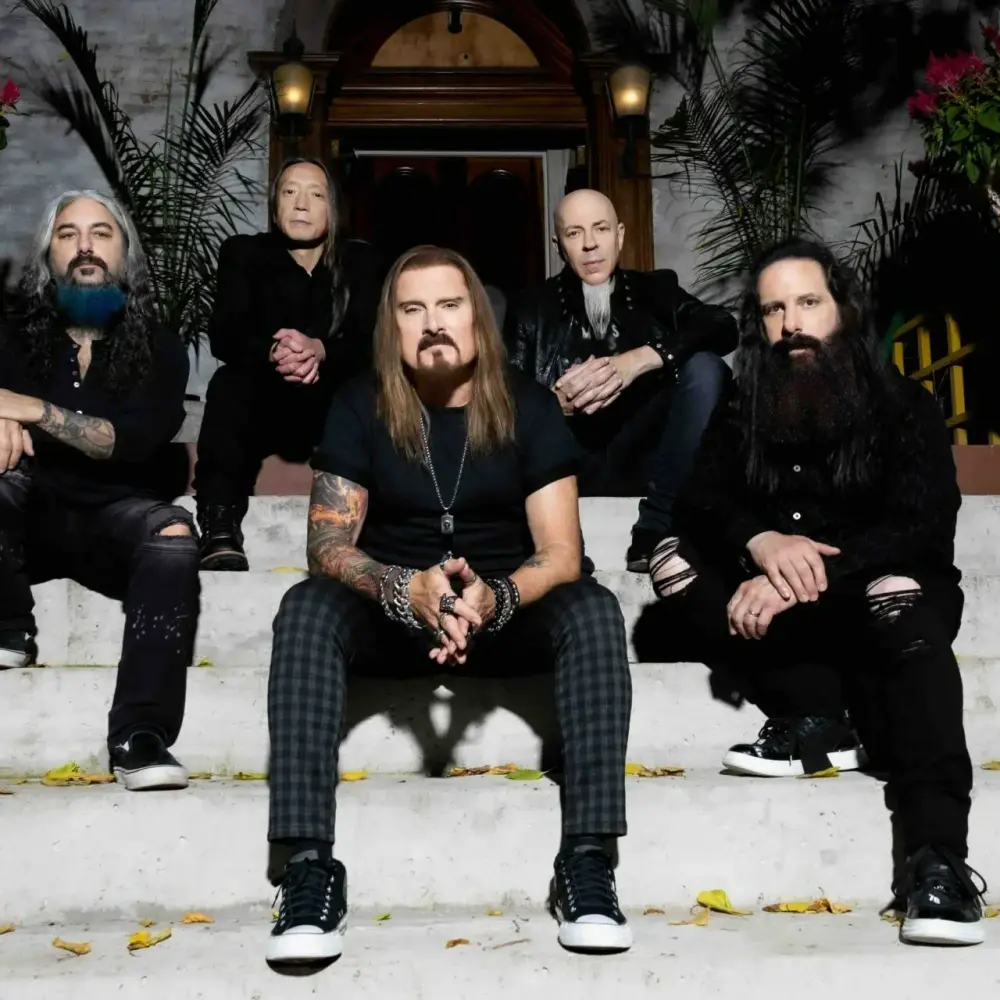
Dream Theater isn't just a band; they're a prog-metal institution. These guys have been bending minds and melting faces with their complex compositions and insane technical skills for decades. And guess what? They're still at it, dropping jaws and proving that progressive metal isn't just a phase.
With a dedicated fanbase that spans generations, Dream Theater continues to tour the world, selling out venues and reminding everyone that real musicianship is alive and well. They've influenced countless bands and continue to push the boundaries of what's possible in rock music. Their latest work is a testament to their enduring creativity and commitment to the craft.
Let's be real, in a world of fleeting trends and disposable pop, Dream Theater offers something substantial: complex arrangements, thought-provoking lyrics, and musicianship that'll make you question your own abilities. These guys aren't just playing music; they're crafting sonic masterpieces.
Early Life & Background
The Dream Theater saga began in the hallowed halls of Berklee College of Music in Boston. John Petrucci, John Myung, and Mike Portnoy, three ambitious students with a shared vision, decided to ditch the textbooks and form a band. Little did they know, they were laying the foundation for a prog-metal dynasty.
Growing up in Long Island, New York, these guys were exposed to a rich tapestry of musical influences, from classic rock to the burgeoning metal scene. They soaked it all in, honing their skills and developing a unique sound that would set them apart from the pack. Early inspirations included Rush, Iron Maiden, and Yes – bands known for their technical prowess and epic compositions.
Family support played a huge role in their early development. Imagine the patience required to endure endless hours of shredding guitar solos and complex drum patterns. These guys clearly had supportive families who recognized their talent and encouraged them to pursue their dreams.
Career Beginnings
Originally calling themselves Majesty, the band quickly realized they needed a name that reflected their ambitious musical vision. Thus, Dream Theater was born. Their early days were marked by relentless gigging, honing their skills in dive bars and small clubs, playing to anyone who would listen.
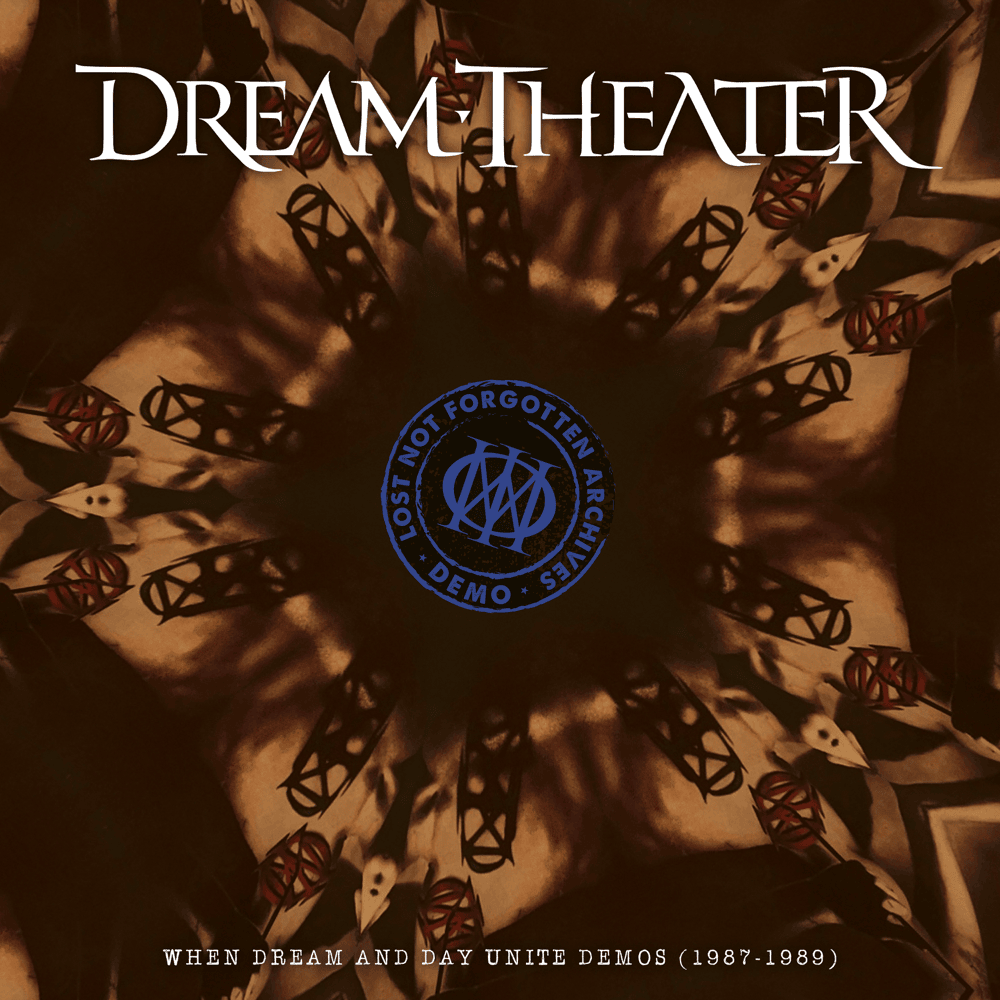
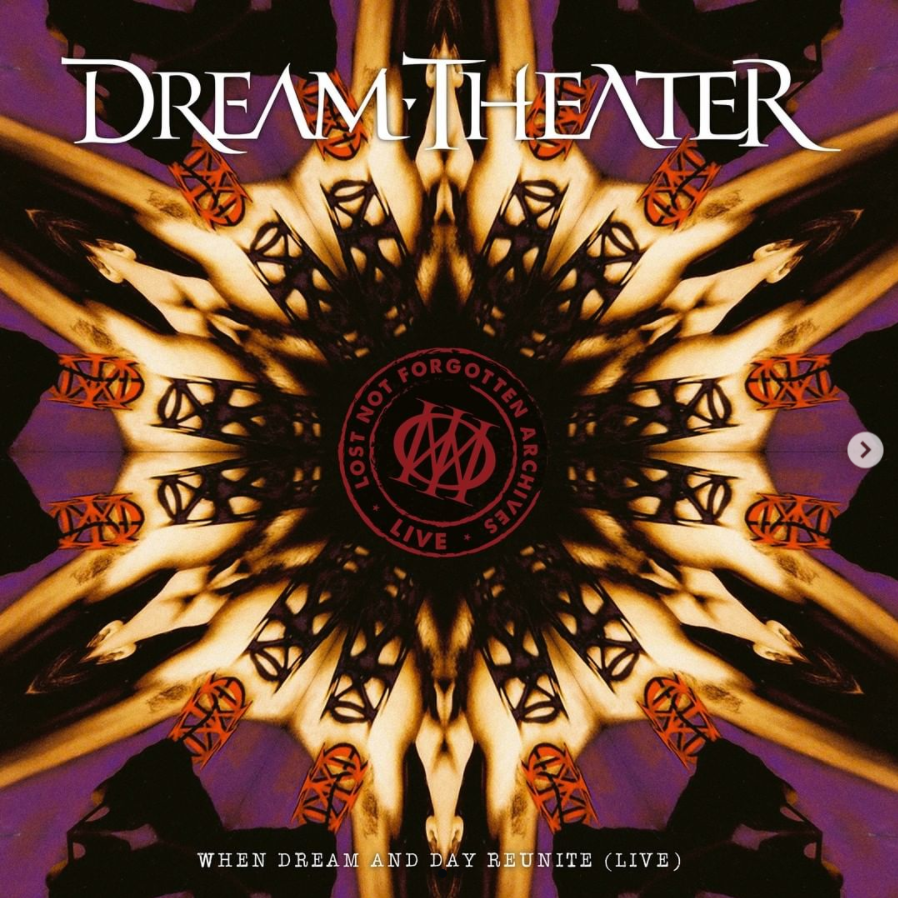
Their debut album, When Dream and Day Unite, dropped in 1989. While it didn't exactly set the world on fire, it showcased their raw talent and hinted at the greatness to come. It was a crucial first step, marking their entry into the competitive music industry.
Key figures like producer Terry Date (known for his work with Pantera and Soundgarden) helped shape their sound early on. He brought a raw energy and a sonic clarity that helped them stand out. Those early collaborations were instrumental in defining their signature style.
Major Albums & Discography
Dream Theater's discography is a sprawling testament to their relentless creativity. From their early efforts to their more recent masterpieces, each album showcases their evolution as musicians and storytellers. Their albums aren't just collections of songs; they're carefully crafted journeys that demand to be experienced from start to finish.
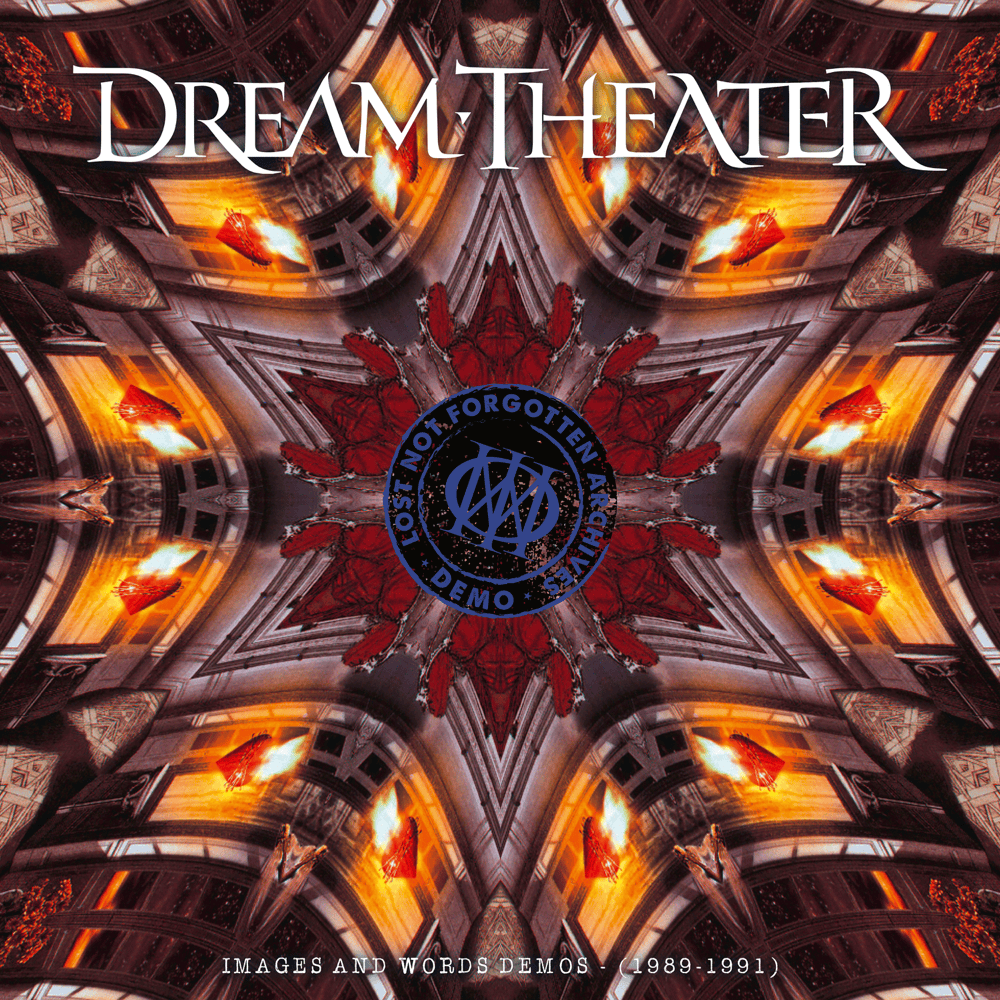
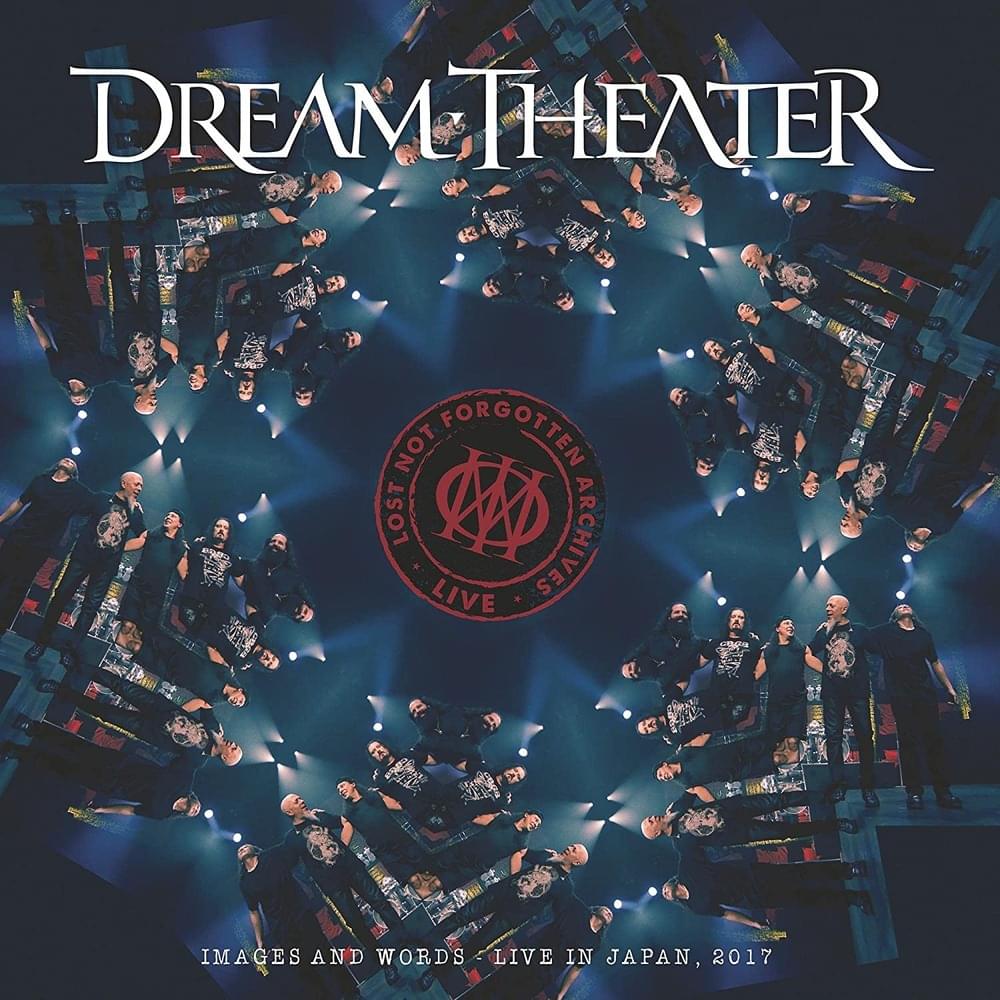
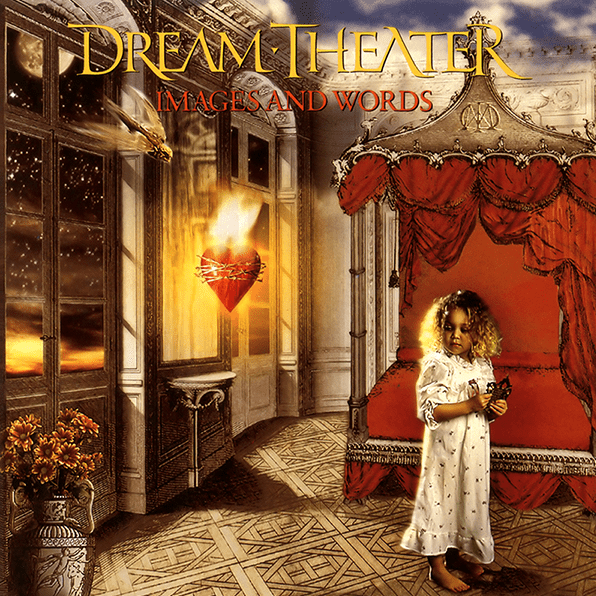
Images and Words (1992) was their breakthrough album, catapulting them to international fame. Tracks like "Pull Me Under" became instant classics, showcasing their ability to blend technical complexity with catchy melodies. This album solidified their place as leaders in the progressive metal scene.
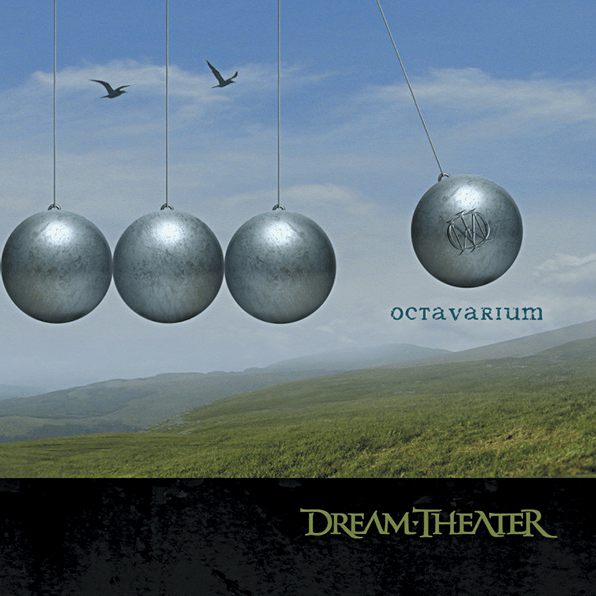
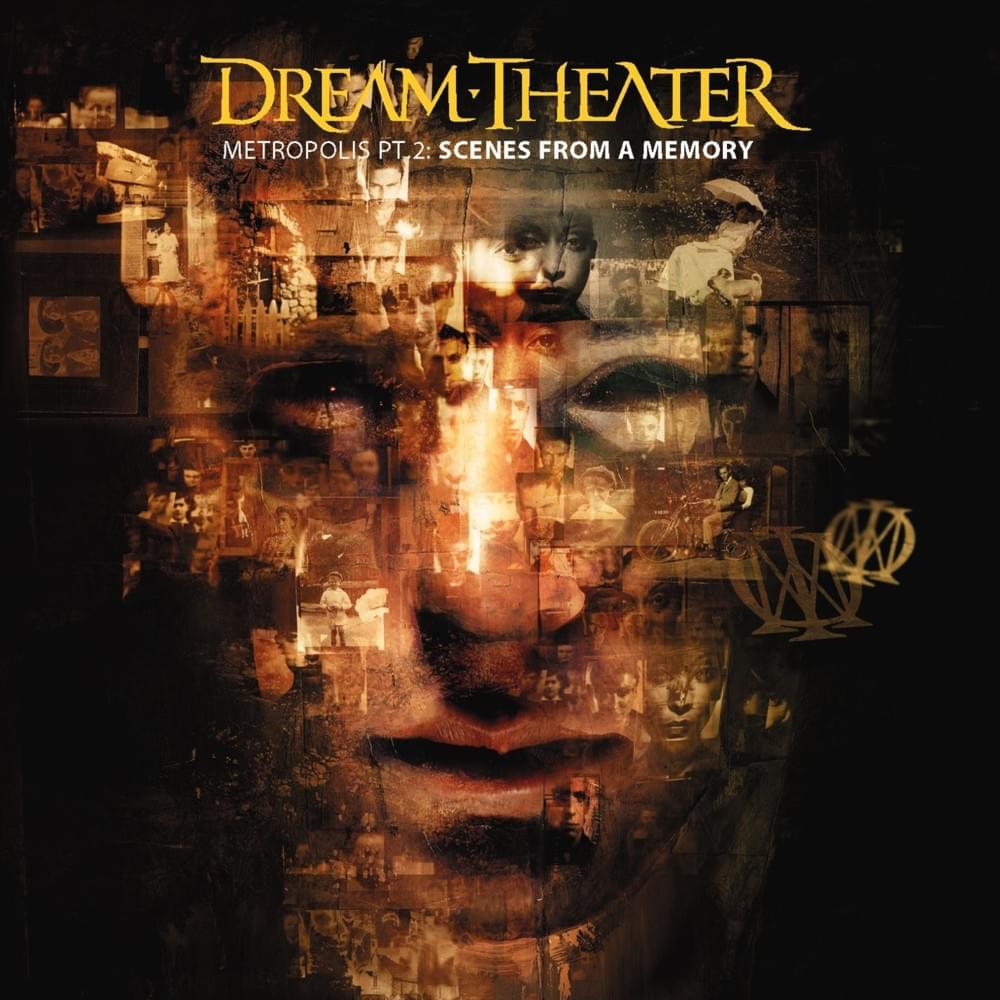
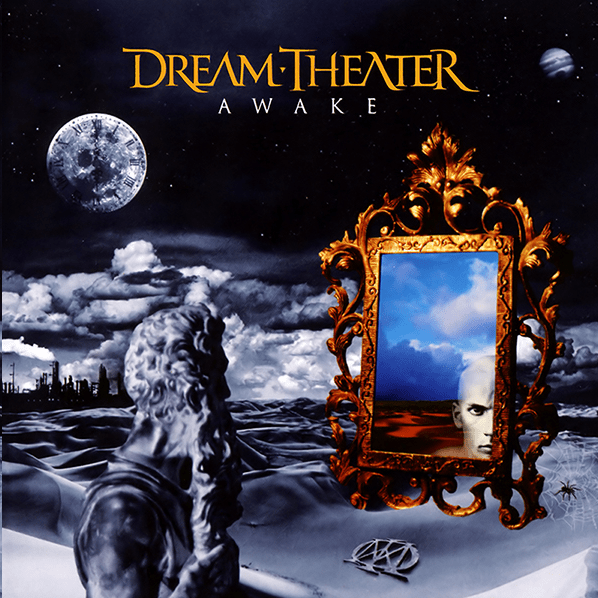
Awake (1994) saw them exploring darker and heavier themes. The album is a sonic exploration of the human psyche. Metropolis, Pt. 2: Scenes from a Memory (1999) is considered by many to be their magnum opus. This concept album tells a complex story of love, loss, and reincarnation, showcasing their storytelling abilities. Then there's Octavarium (2005), a sonic exploration of musical styles and genres.
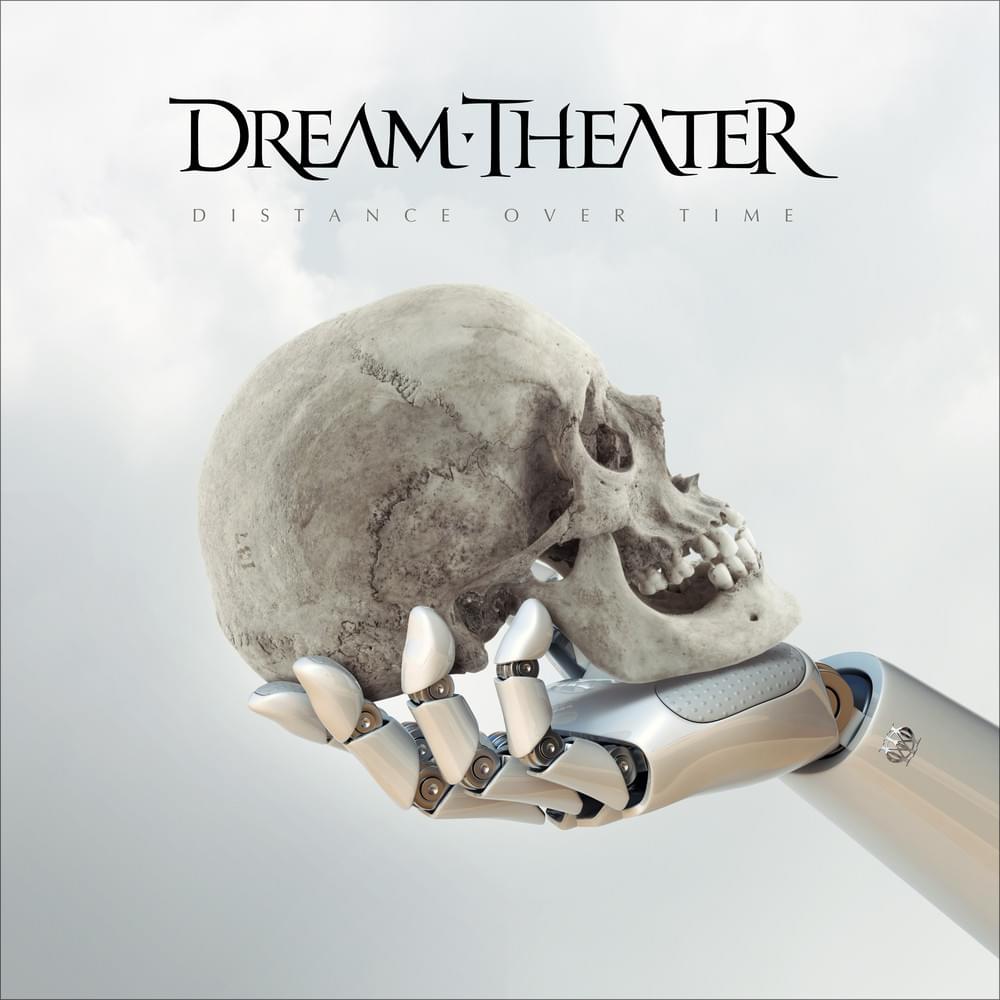
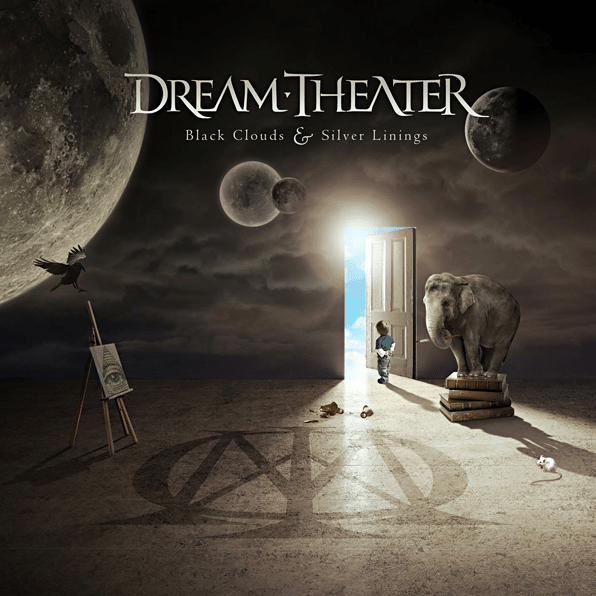
More recently, they've dropped albums like Black Clouds & Silver Linings and A Dramatic Turn of Events , which prove that they're still pushing boundaries. Each album represents a chapter in their ongoing musical journey, solidifying their legacy as one of the most important progressive metal bands of all time. Their self-titled album, Dream Theater, is another solid piece of work.
Hit Songs & Signature Tracks
Dream Theater's catalog is packed with epic tracks that have become staples of the prog-metal scene. These songs aren't just catchy tunes; they're complex compositions that showcase the band's incredible musicianship and storytelling abilities. Each track is a journey, filled with twists, turns, and breathtaking instrumental passages.
"Pull Me Under" is arguably their most well-known song, achieving mainstream success and introducing them to a wider audience. Its blend of heavy riffs and melodic vocals made it an instant classic. But there's also the instrumental powerhouse Ytse Jam, a masterclass in technical prowess.
Then there's "Metropolis—Part I: "The Miracle and the Sleeper"", a fan favorite known for its intricate arrangements and epic scope. Tracks like Afterlife and A Fortune in Lies are also essential listening, showcasing their ability to blend heavy metal with progressive elements. Don't forget The Killing Hand. Other notable tracks include Status Seeker and Only a Matter of Time. Tracks from *Metropolis Pt. 2* like Scene One: Regression and Scene Two: I. Overture 1928 also stand out.
"The Spirit Carries On" is another signature track, known for its emotional depth and soaring melodies. And let's not forget about deep cuts like Light Fuse and Get Away and The Ones Who Help to Set the Sun, which showcase their willingness to experiment and push the boundaries of their sound. Their songs continue to inspire and challenge listeners worldwide.
Collaborations & Features
Dream Theater has collaborated with a diverse range of artists throughout their career, showcasing their versatility and willingness to experiment. These collaborations have allowed them to explore new sonic territories and reach new audiences.
Their work with other prog-rock luminaries is particularly noteworthy. These collaborations often result in epic performances and unique musical fusions. They've also been featured on various tribute albums, paying homage to their musical heroes.
These collaborations highlight their respect within the music community and their desire to constantly evolve. They prove that Dream Theater isn't afraid to step outside their comfort zone and embrace new challenges.
Awards & Achievements
Dream Theater's trophy case is overflowing with accolades, a testament to their enduring success and influence. From Grammy nominations to countless magazine awards, they've been recognized by critics and fans alike.
While they haven't always taken home the top prize, their Grammy nominations are a significant achievement, highlighting their impact on the music industry. They've also consistently topped Billboard charts, proving their commercial appeal and dedicated fanbase.
Beyond the awards, their biggest achievement is their lasting legacy. They've inspired countless musicians and continue to push the boundaries of progressive metal. Their music will be studied and appreciated for generations to come.
Personal Life
While Dream Theater is primarily known for their music, the personal lives of the band members have occasionally made headlines. However, they generally maintain a low profile, preferring to let their music speak for itself.
Some members are involved in various philanthropic endeavors, supporting causes related to music education and environmental conservation. They use their platform to raise awareness and give back to the community. John Petrucci is known for his guitar clinics.
Ultimately, Dream Theater's focus remains on creating music and connecting with their fans. They're dedicated to their craft and committed to delivering the best possible experience for their audience.
Musical Style & Influence
Dream Theater's musical style is a unique blend of progressive rock, heavy metal, and jazz fusion. They're known for their complex compositions, virtuosic musicianship, and thought-provoking lyrics. Their sound is instantly recognizable and has influenced countless bands in the progressive metal scene.
Their influences range from classic progressive rock bands like Rush and Yes to heavy metal pioneers like Iron Maiden and Judas Priest. They've also drawn inspiration from jazz fusion artists like Mahavishnu Orchestra and Allan Holdsworth. Dream Theater, in turn, influenced bands like Symphony X and Opeth.
Dream Theater's legacy extends far beyond their own discography. They've helped to legitimize progressive metal as a genre and have inspired a new generation of musicians to push the boundaries of what's possible. Their music is a testament to the power of creativity and the importance of artistic innovation.
Recent Work & What's Next
Dream Theater remains a vital force in the music world, consistently releasing new music and touring the globe. They show no signs of slowing down, continuing to push their creative boundaries and challenge themselves as musicians.
They're currently working on new material, which promises to be another epic chapter in their ongoing musical journey. Fans can expect more complex compositions, virtuosic performances, and thought-provoking lyrics. The future looks bright for Dream Theater, as they continue to inspire and captivate audiences worldwide.