Introduction & Current Status
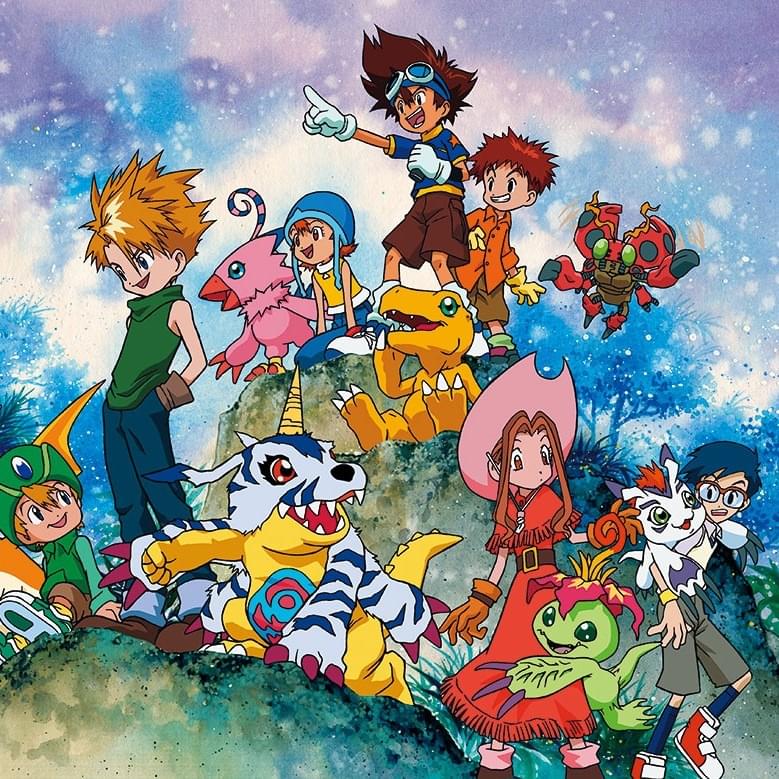
デジモン (Digimon), short for "Digital Monsters," isn't just a nostalgic 90s anime—it's a full-blown multimedia franchise that continues to evolve and capture the imaginations of new generations. While the original series dropped decades ago, the music from the franchise maintains a strong presence at conventions and on streaming services. The digital world's pop soundtrack still brings all the feels.
From video games to trading cards, and of course, the iconic animated series, Digimon's cultural footprint is undeniable. With ongoing reboots and new adventures, Digimon proves that some monsters are forever. The music, especially, remains a defining characteristic of the franchise, instantly recognizable to fans worldwide.
Early Life & Background
Unlike a solo artist with a childhood backstory, Digimon's origins lie in the creative minds at Bandai, who initially conceived of Digimon as a digital pet akin to the Tamagotchi. The concept quickly evolved into something much bigger: a sprawling universe populated by unique digital creatures with the power to digivolve.
This genesis in the late 90s was perfectly timed to ride the wave of digital culture. Kids were obsessed with technology, and Digimon offered a fantastical extension of that fascination. The blend of monster-collecting and virtual pet simulation proved irresistible.
The anime series, *Digimon Adventure*, premiered in 1999, catapulting the franchise to international fame. Suddenly, everyone wanted to be a DigiDestined, embarking on their own digital adventures. The music became an integral part of this experience.
Career Beginnings
The *Digimon Adventure* anime was truly the launching pad for the franchise's musical identity. The soundtrack, featuring catchy J-pop tunes and powerful instrumental scores, set the tone for the entire series. These weren't just background tracks; they were anthems that amplified the emotional impact of each episode.
The initial success of the anime led to numerous sequels, spin-offs, and movies, each contributing to the ever-expanding Digimon musical universe. The music evolved alongside the animation, incorporating various genres and styles to reflect the changing themes and storylines.
Compilations like Digimon: The Movie (Music From The Motion Picture) cemented the franchise's place in pop culture. The music transcended the anime, becoming a standalone entity with its own dedicated fanbase.
Major Albums & Discography
While Digimon isn't defined by traditional studio albums in the way a conventional artist is, soundtracks and compilation albums are central to its musical legacy. Digimon: The Movie (Music From The Motion Picture), for example, captured the energy and excitement of the film, featuring a mix of pop-punk bangers and electronic anthems. These collections weren't just a recap of the show's music; they were curated experiences designed to immerse listeners in the Digimon universe.
Each iteration of the Digimon anime, from *Digimon Tamers* to *Digimon Frontier*, brought its own distinct musical flavor. While some themes remained consistent, the franchise consistently experimented with new sounds and arrangements, keeping the music fresh and engaging. This adaptability is a key reason why Digimon's music has stood the test of time.
The music from the Digimon franchise captures both the intensity of the battles and the warm camaraderie between the DigiDestined. The albums serve as a sonic time capsule, instantly transporting listeners back to their favorite moments from the series.
Hit Songs & Signature Tracks
Digimon's music library is filled with bangers. Tracks like Digi Rap are iconic anthems that defined a generation. It's a total earworm that still gets stuck in people's heads today.
All Star is another classic. The high-energy beats and uplifting lyrics perfectly capture the spirit of adventure and friendship that lies at the heart of Digimon.
Beyond the opening themes, tracks like The Rockafeller Skank added a unique flavor to the Digimon soundscape. It was a bold and unexpected choice that resonated with audiences. Kids In America is also a banger that is always requested at parties.
Hey Digimon is a jam that many fans love. Plus, other tracks like One Week, The Impression That I Get, and All My Best Friends Are Metalheads further showcase the diverse musical styles associated with the Digimon franchise. Also, Run Around and Nowhere Near are great additions to the anime's soundtrack.
Collaborations & Features
While Digimon isn't known for traditional artist collaborations, the franchise has featured a wide range of musicians and vocalists throughout its history. Different artists have contributed to the various opening and ending themes, bringing their unique styles to the Digimon universe.
These collaborations often resulted in cross-promotional opportunities, with Digimon characters appearing in music videos and other media. This helped to broaden the franchise's appeal and introduce it to new audiences.
The diverse range of musical styles used in Digimon, from J-pop to rock to electronic, reflects a willingness to embrace different genres and collaborate with artists from various backgrounds. This has contributed to the franchise's enduring popularity and its ability to resonate with fans of all ages.
Awards & Achievements
While Digimon may not have racked up a ton of Grammy awards, its impact on popular culture is undeniable. The franchise has won numerous awards for its animation, video games, and merchandise. Its music has consistently topped charts and sold millions of copies worldwide.
The *Digimon Adventure* soundtrack, in particular, has achieved platinum status in several countries. Its songs have become anthems for a generation of fans, evoking feelings of nostalgia, friendship, and adventure. The music continues to be featured in commercials, movies, and TV shows.
Digimon's enduring popularity is a testament to its creative vision and its ability to connect with audiences on an emotional level. The franchise has inspired countless artists, writers, and filmmakers, leaving an indelible mark on the entertainment landscape.
Personal Life
As a franchise rather than a single artist, Digimon doesn't have a personal life in the traditional sense. However, the creators and voice actors behind the series have often engaged with fans at conventions and other events. They've shared their insights into the creative process and expressed their gratitude for the franchise's success.
Digimon has also been involved in various charitable initiatives, supporting organizations that promote children's education and well-being. The franchise has used its platform to raise awareness of important social issues and encourage fans to make a positive impact on the world.
Musical Style & Influence
Digimon's musical style is a melting pot of J-pop, rock, electronic, and orchestral elements. Each series and movie has its own unique sound, reflecting the themes and characters of the story. However, certain elements remain consistent, such as the use of catchy melodies, upbeat rhythms, and soaring vocals.
The franchise has been influenced by a wide range of artists, from classic anime composers to contemporary pop stars. It has also inspired countless musicians and songwriters, who have cited Digimon as a major influence on their work. The music has helped to shape the sound of anime and video game soundtracks for decades.
Digimon's legacy extends beyond the realm of entertainment. The franchise has become a symbol of digital culture, inspiring artists and designers to explore the intersection of technology and creativity. Its music continues to resonate with fans of all ages, reminding them of the power of friendship, courage, and imagination.
Recent Work & What's Next
The Digimon franchise continues to evolve with new anime series, video games, and merchandise. The music remains an integral part of this evolution, with new soundtracks and theme songs being released regularly. It is constantly finding new ways to connect with audiences and explore the limitless potential of the digital world.
Fans can expect even more exciting developments in the years to come, as Digimon continues to push the boundaries of animation, music, and interactive entertainment. The franchise's enduring legacy is a testament to its creative vision, its ability to connect with audiences on an emotional level, and its unwavering commitment to innovation.