Introduction & Current Status
Death Angel, the undisputed godfathers of Bay Area thrash, aren't just relics of the '80s metal scene. They're a living, breathing, headbanging force still dropping jaws and melting faces worldwide. With a career spanning nearly four decades, they've consistently delivered albums that obliterate expectations. They prove that thrash metal isn't just a genre; it's a way of life.
These guys aren't phoning it in. Death Angel continues to tour relentlessly, bringing their high-octane performances to both die-hard fans and a new generation discovering the power of properly aggressive music. They're not just playing the hits; they're constantly evolving, pushing their sound while staying true to their thrash roots. Death Angel remains a vital force in the modern metal landscape.
Their influence permeates the current metal scene, with countless bands citing Death Angel as a major inspiration. They've earned their place in the thrash metal pantheon. This ain't your dad's metal – unless your dad has exceptionally good taste. Death Angel is still relevant, still crushing, and still proving that age is just a number when you're armed with a guitar and a serious need for speed.
Early Life & Background
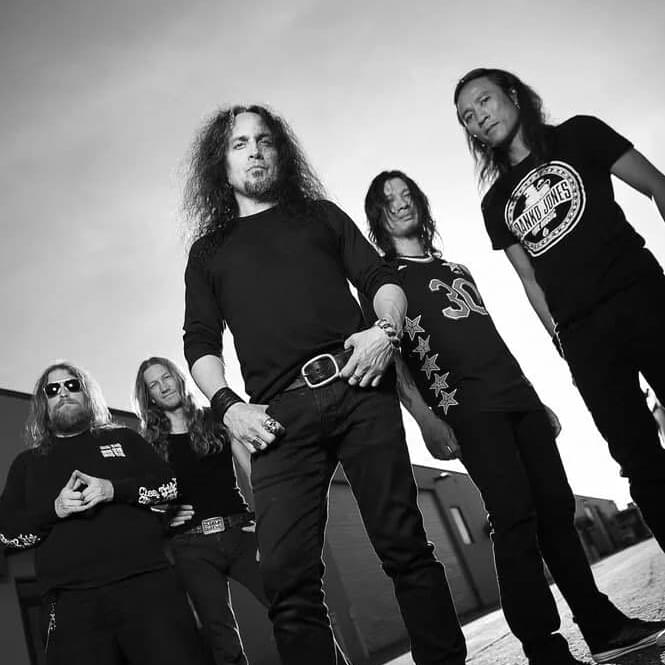
Formed in the early 1980s in the San Francisco Bay Area, Death Angel emerged from a hotbed of thrash metal innovation. The band's core consisted of a tight-knit group of cousins: Mark Osegueda on vocals, guitarists Rob Cavestany and Gus Pepa, and drummer Andy Galeon. Dennis Pepa played bass, solidifying the lineup that would define their early sound.
Growing up in Daly City, California, the young musicians were immersed in a vibrant musical environment. The Bay Area scene was exploding with bands like Metallica, Slayer, and Exodus. This fueled their passion for aggressive, high-energy music. They soaked up influences ranging from classic heavy metal to punk rock, creating a unique blend that would become Death Angel's signature sound.
The band members were incredibly young when they started. Some were barely teenagers. Their raw talent and undeniable chemistry quickly set them apart. They honed their skills in local clubs and garages, building a dedicated following that recognized their potential from the very beginning. These early years were crucial in shaping their musical identity and solidifying their bond as a band.
Career Beginnings
Death Angel's journey from a group of teenage cousins jamming in their garage to international thrash metal icons is a story of hard work, dedication, and a relentless pursuit of their musical vision. They started playing local gigs, quickly gaining a reputation for their energetic live shows and technically proficient musicianship. Their early performances were raw, intense, and undeniably captivating.
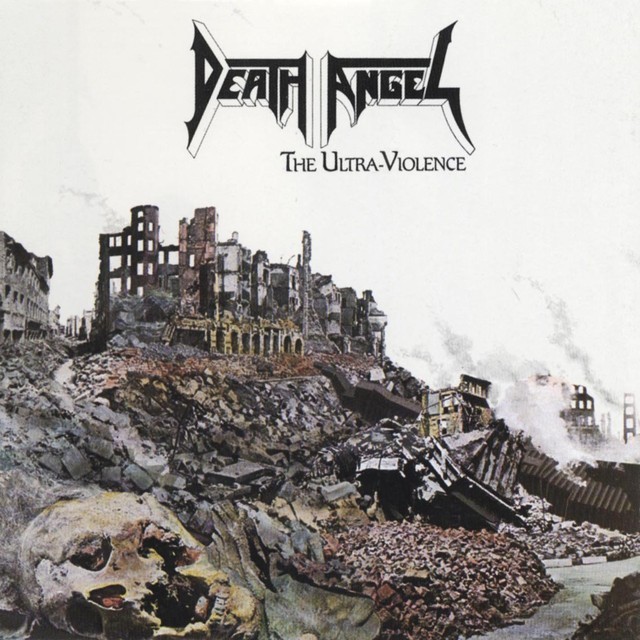
The release of their debut album, The Ultra-Violence, in 1987, marked a pivotal moment in their career. Recorded when the band members were still in their teens, the album showcased their incredible talent and established them as a force to be reckoned with in the thrash metal scene. "The Ultra-Violence" became an instant classic, solidifying their place among the genre's elite.
Ruth Schwartz, owner of Ruthie's Inn (a legendary Bay Area metal club), played a crucial role in Death Angel's early success. She not only provided them with a platform to perform but also offered guidance and support. Her belief in their potential helped them navigate the challenges of the music industry. Without Ruth's unwavering support, Death Angel's rise to prominence might have looked very different.
Major Albums & Discography
Death Angel's discography is a masterclass in thrash metal evolution. Each album showcases their growth as musicians and songwriters. From the raw aggression of their debut to the more refined and experimental sounds of their later work, Death Angel has consistently delivered high-quality metal that stands the test of time. Their albums are not just collections of songs; they're sonic journeys that take listeners on a wild ride through the depths of thrash metal intensity.
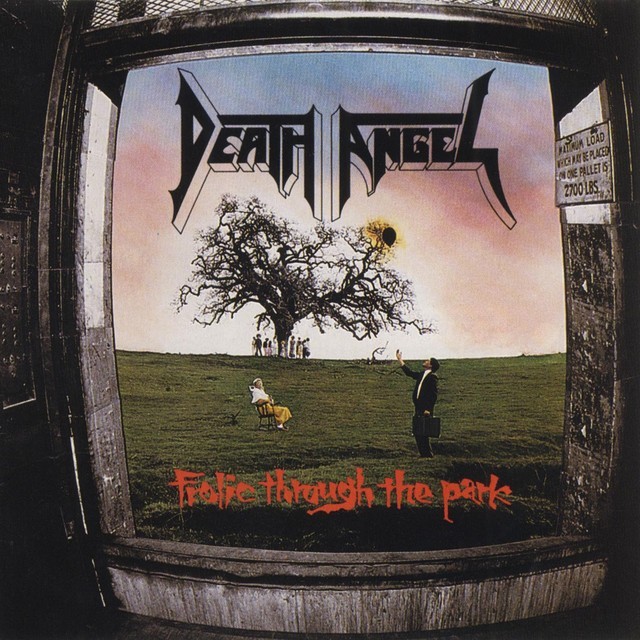
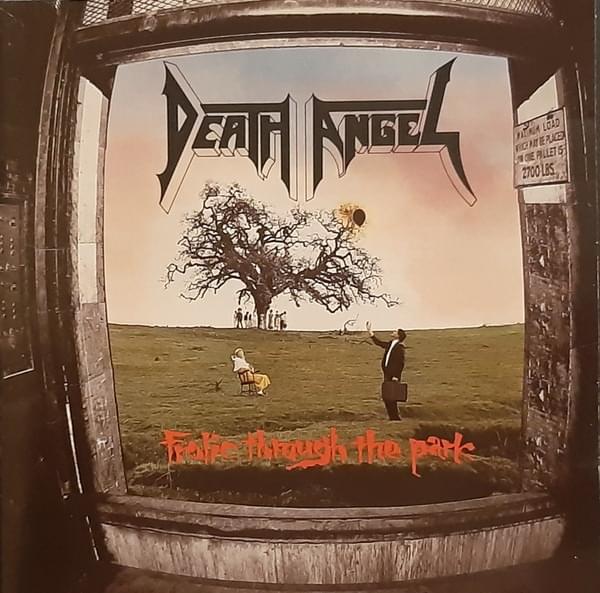
Frolic Through the Park, released in 1988, saw the band experimenting with more melodic elements and incorporating funk influences into their thrash sound. This album showcased their willingness to push boundaries and defy genre conventions, proving that they were not afraid to take risks. While some fans were initially surprised by the change in direction, "Frolic Through the Park" ultimately solidified their reputation as innovators in the thrash metal scene.
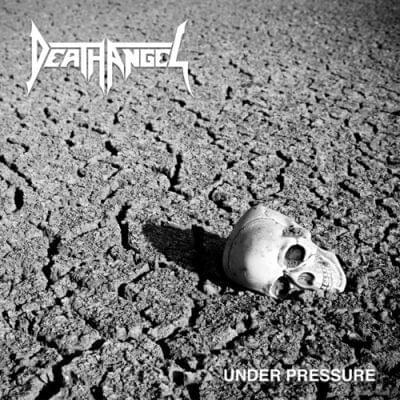
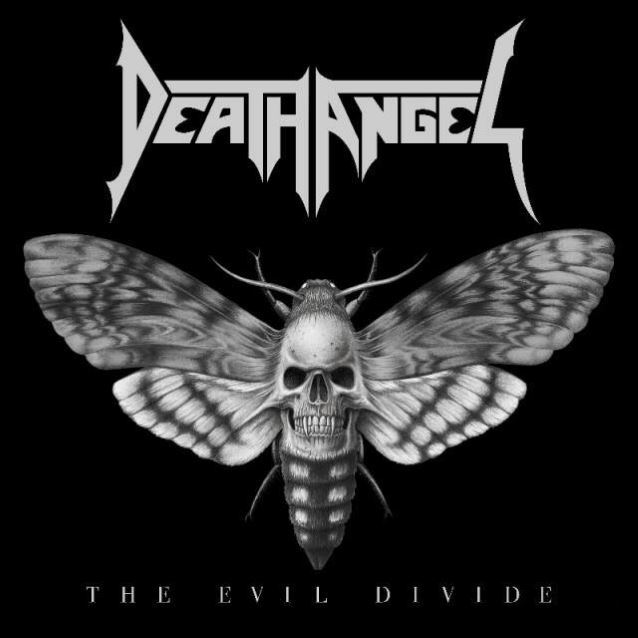
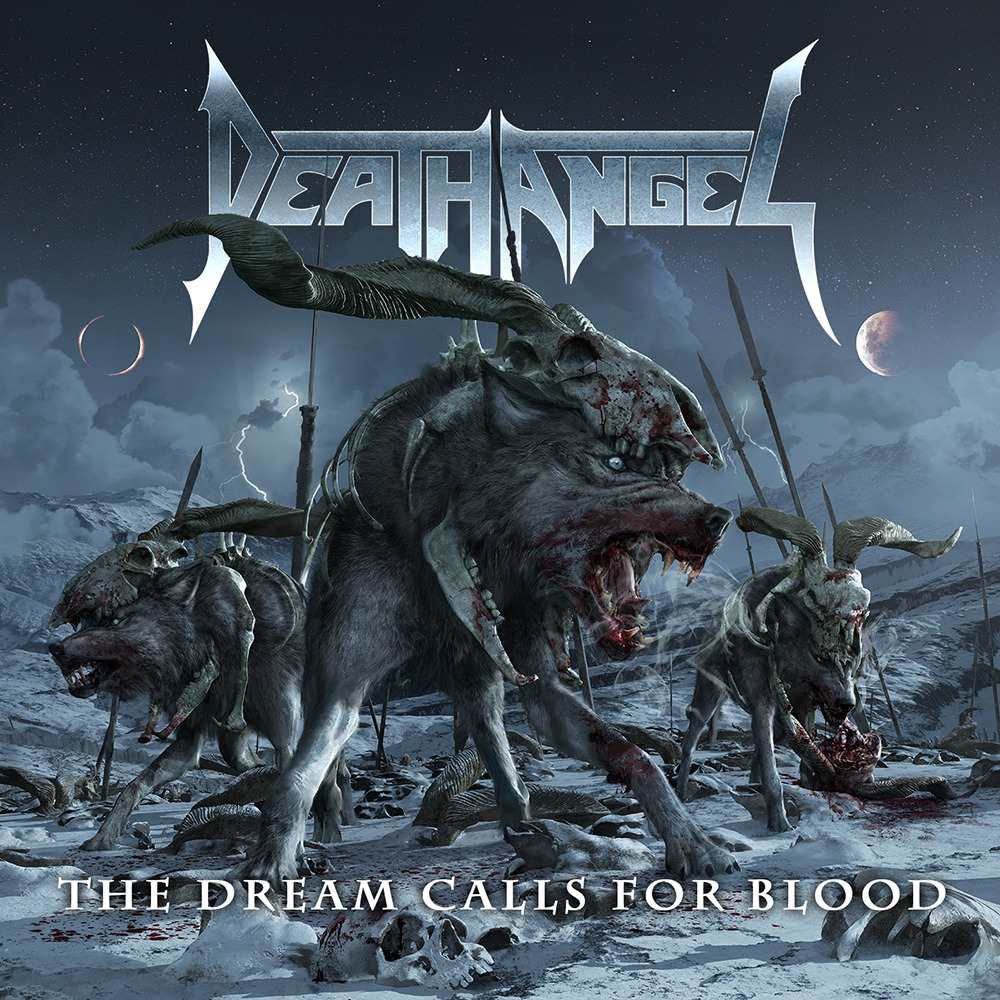
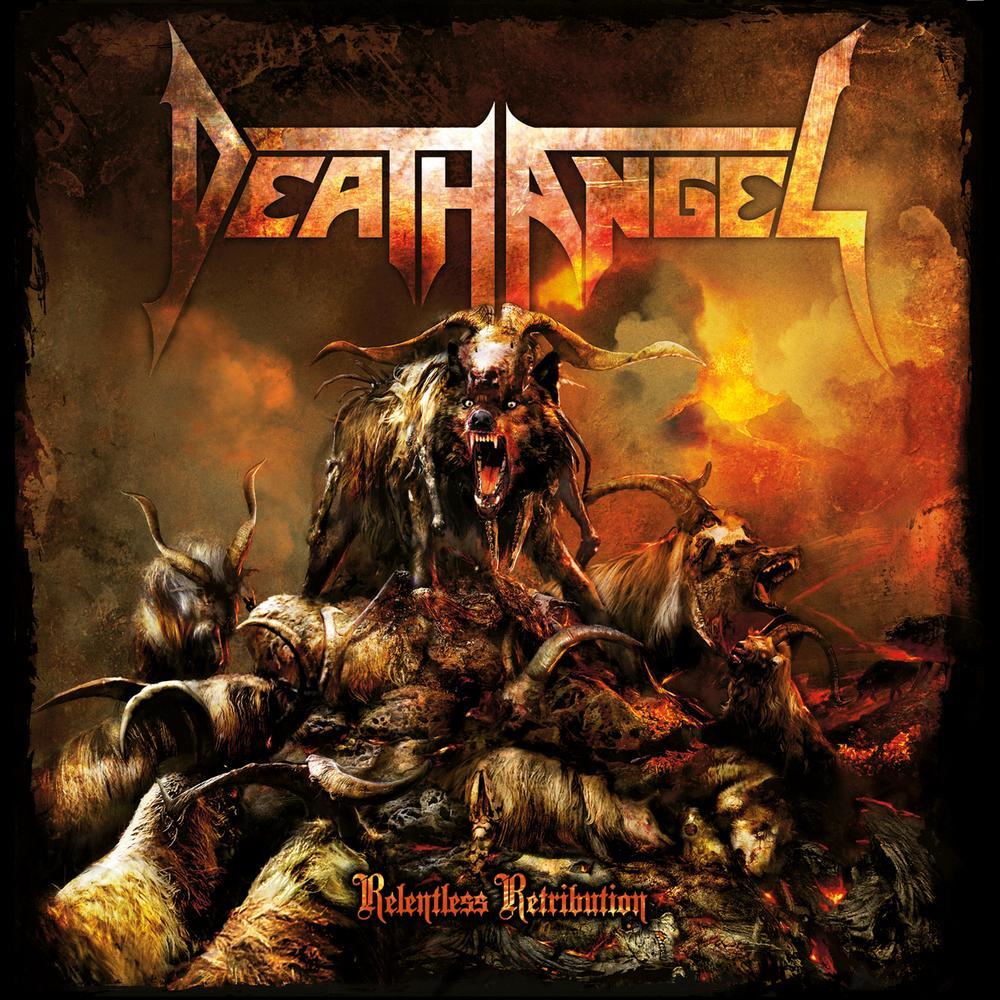
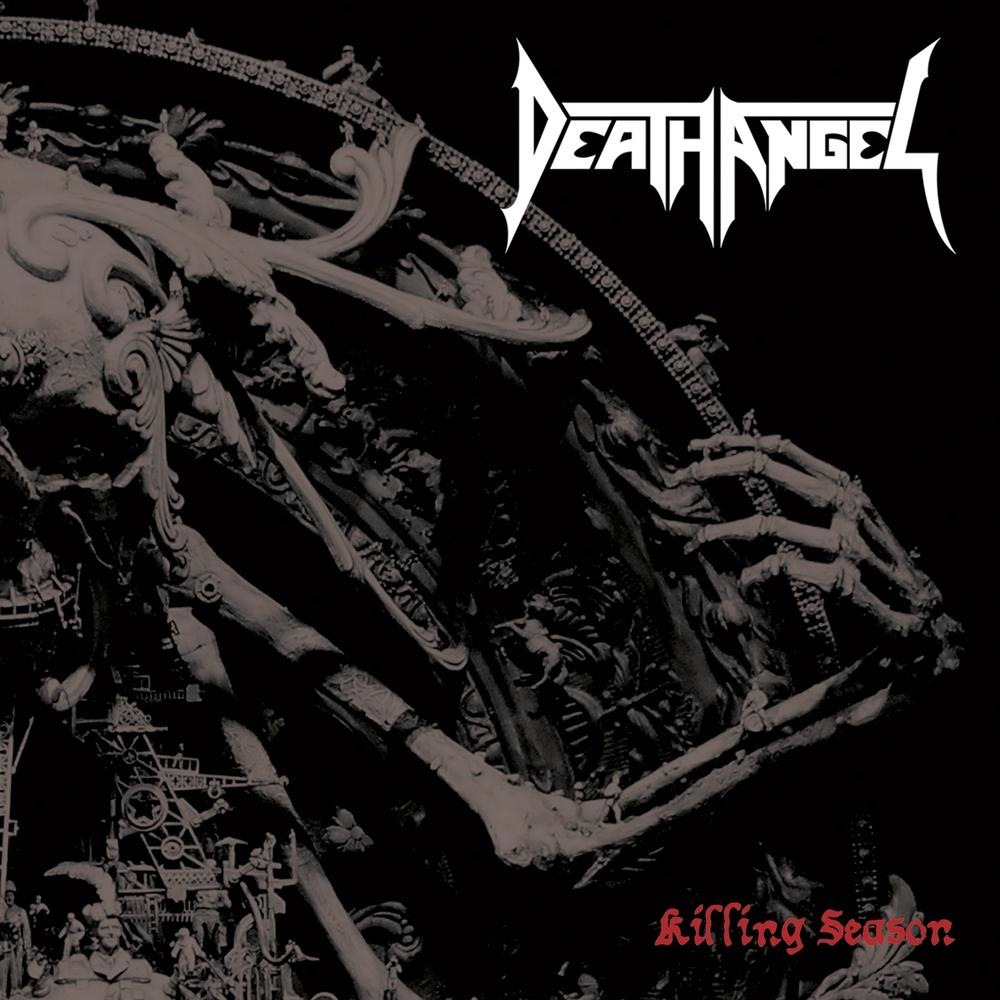
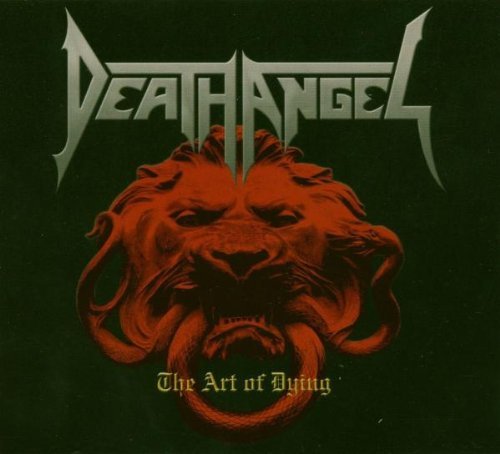
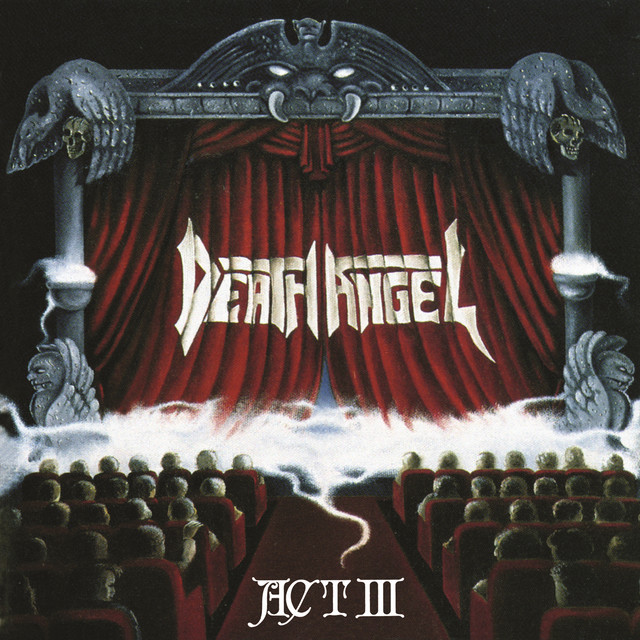
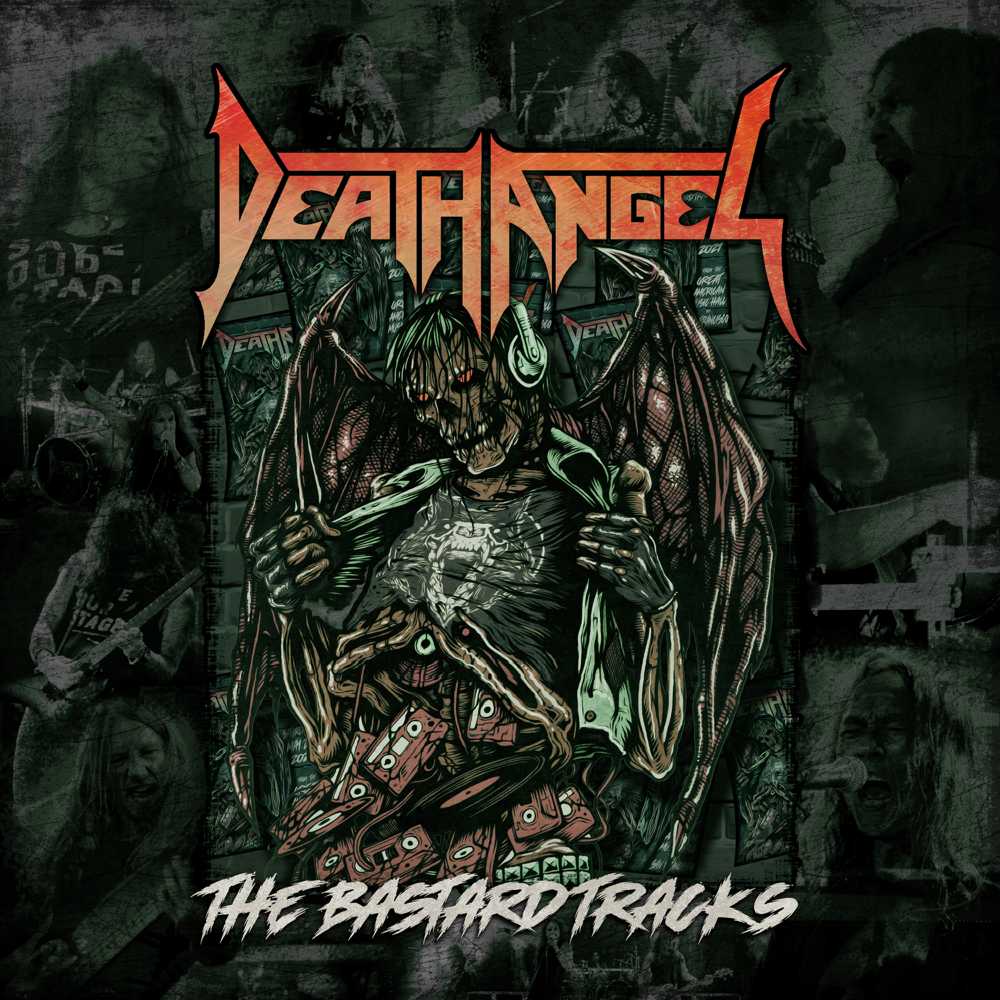
Act III, released in 1990, marked another significant chapter in Death Angel's career. This album saw them further refine their songwriting and explore more complex musical arrangements. However, a devastating tour bus accident sidelined the band. This led to their initial breakup. After reuniting in the early 2000s, they unleashed a string of critically acclaimed albums, including The Art of Dying, Killing Season, Relentless Retribution, The Dream Calls for Blood, The Evil Divide, and Under Pressure further cementing their legacy as thrash metal titans. Let's not forget The Bastard Tracks!
Hit Songs & Signature Tracks
Death Angel's catalog is packed with anthems that have become staples of the thrash metal scene. These aren't just songs; they're sonic assaults that leave listeners breathless and begging for more. Their signature tracks are characterized by blistering guitar riffs, thunderous drumming, and Mark Osegueda's unmistakable vocals, creating a sound that is both aggressive and undeniably catchy. These songs have stood the test of time, continuing to ignite mosh pits and inspire headbanging around the world.
"Thrown to the Wolves" stands out as a modern classic, showcasing their ability to blend melody with pure aggression. Tracks like "5 Steps Of Freedom" and "Thicker Than Blood" exemplify their relentless energy and technical prowess. Each song is a testament to their dedication to the craft of thrash metal. They're not just writing songs; they're crafting sonic weapons designed to obliterate eardrums and leave a lasting impression.
Other notable tracks like "The Devil Incarnate", "Famine", and "Prophecy" further demonstrate their range and depth as songwriters. From the blistering speed of "No" to the more melodic approach of "Spirit", Death Angel consistently delivers tracks that are both memorable and impactful. These songs are not just part of their discography; they're essential listening for any fan of thrash metal.
And let's not forget the raw power of "Land of Blood" and the anthemic quality of "Never Me". These songs capture the essence of Death Angel's sound. They combine aggression with melody in a way that is both captivating and unforgettable. These are the tracks that define their legacy and continue to inspire generations of metalheads.
Collaborations & Features
While Death Angel has primarily focused on their own music, they've also engaged in collaborations that highlight their versatility and respect within the metal community. These collaborations demonstrate their willingness to step outside their comfort zone and explore new sonic territories. They also underscore their influence on other artists, showcasing the impact they've had on the broader metal landscape.
Though specific collaborations might be less widely publicized, Death Angel's influence can be heard in the work of numerous bands they've toured with or inspired. Their impact on the thrash metal scene is undeniable. Many artists acknowledge Death Angel as a key influence on their own music. This speaks volumes about the band's legacy and their enduring contribution to the genre.
Their willingness to support and mentor younger bands further solidifies their position as leaders in the metal community. They're not just focused on their own success; they're dedicated to fostering the growth and development of the next generation of metal musicians. This commitment to the community is just one of the many reasons why Death Angel remains a respected and admired force in the world of metal.
Awards & Achievements
Death Angel's impact isn't just measured in record sales or chart positions. It's seen in the countless bands they've inspired and the legions of fans who continue to pack their shows. While they may not have a shelf full of mainstream awards, their influence on the thrash metal scene is undeniable. They've earned the respect of their peers and the unwavering loyalty of their fans.
Their longevity is an achievement in itself. Surviving lineup changes, industry shifts, and the ever-changing tastes of music fans, Death Angel has remained a consistent force in the metal world. This is a testament to their dedication, talent, and the enduring power of their music. They're not just a band; they're a institution in the thrash metal community.
Perhaps their greatest achievement is their ability to stay true to their roots while continuing to evolve and push their musical boundaries. They've never compromised their artistic vision, always delivering music that is both authentic and innovative. This unwavering commitment to their craft is what sets them apart and ensures their continued relevance in the metal scene.
Personal Life
The members of Death Angel have largely kept their personal lives private, focusing instead on their music and their connection with their fans. This dedication to their craft has allowed them to maintain a sense of authenticity and focus on what truly matters: creating powerful and impactful music. While details of their personal lives may be scarce, their commitment to their art is undeniable.
Outside of music, the band members are known for their down-to-earth personalities and their genuine appreciation for their fans. They're often seen interacting with fans at shows and online, creating a sense of community and connection. This genuine approachability has helped them build a loyal and dedicated following that extends far beyond the typical metal fanbase.
Musical Style & Influence
Death Angel's musical style is rooted in the classic Bay Area thrash metal sound. Think breakneck tempos, intricate guitar riffs, and aggressive vocals. But they've also incorporated elements of funk, progressive rock, and even melodic passages into their music. This willingness to experiment and push boundaries has helped them create a sound that is both familiar and unique.
They draw inspiration from a wide range of artists. These range from classic heavy metal bands like Black Sabbath and Iron Maiden to punk rock pioneers like The Ramones and The Sex Pistols. This eclectic mix of influences has helped them create a sound that is both aggressive and innovative. The result is a sonic assault that is both captivating and unforgettable.
Death Angel's influence on the modern metal scene is undeniable. Countless bands have cited them as a major inspiration. Their impact can be heard in the music of bands spanning various subgenres of metal. They've helped shape the sound of modern thrash and continue to inspire new generations of metal musicians. Their legacy as innovators and pioneers is secure.
Recent Work & What's Next
Death Angel remains a vital force in the metal world. They consistently deliver new music that is both fresh and true to their roots. They continue to tour relentlessly, bringing their high-energy performances to fans around the globe. They're not content to rest on their laurels; they're constantly pushing themselves to create better music and deliver even more intense live shows.
Fans can expect more blistering riffs, thunderous drumming, and Mark Osegueda's signature vocals in the future. Death Angel shows no signs of slowing down. They're committed to continuing their legacy as one of the most influential and respected bands in thrash metal. The future is bright for these Bay Area legends, and the world eagerly awaits their next sonic assault.