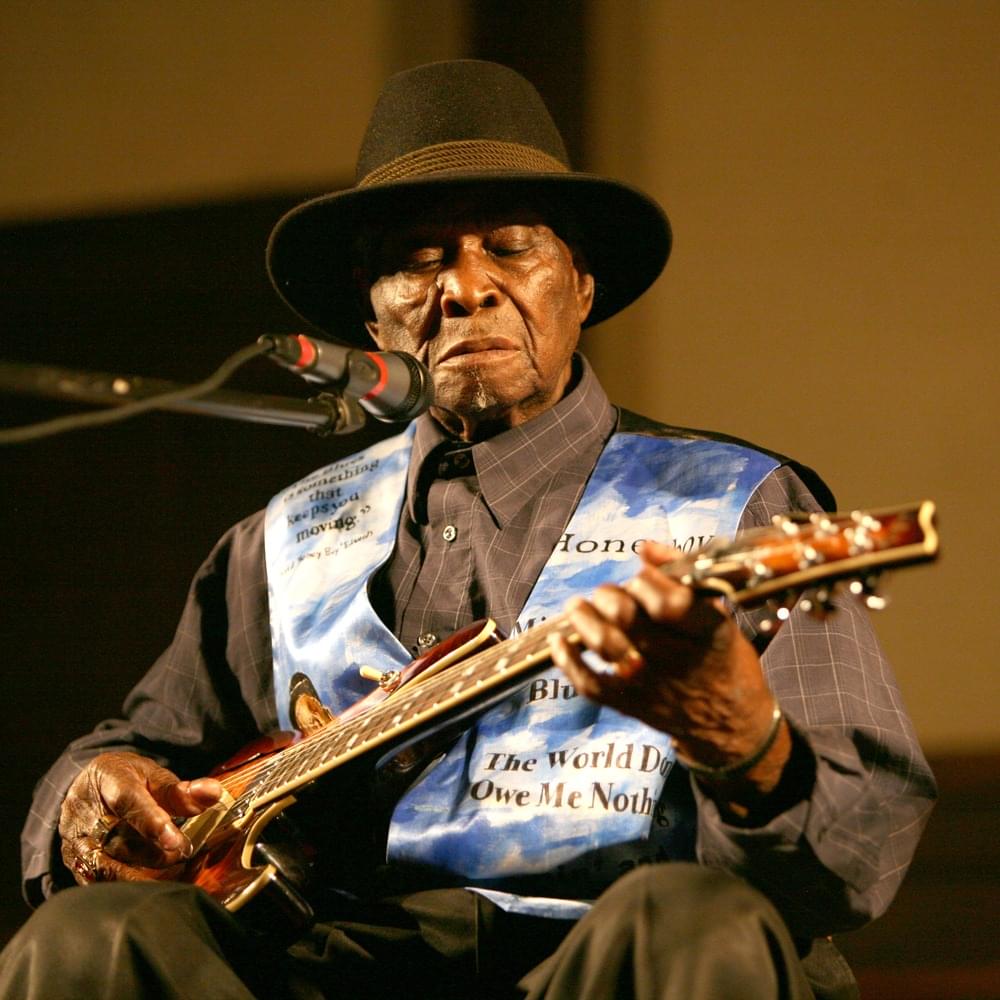
David “Honeyboy” Edwards
1K Listeners
Artist Bio
Introduction & Current Status
David "Honeyboy" Edwards wasn't just a bluesman; he was a living, breathing piece of American music history. Though he passed away in 2011 at the ripe old age of 96, his influence continues to ripple through the blues scene and beyond. He represents a direct link to the earliest days of the Delta blues. He played with legends like Robert Johnson and Big Joe Williams.
Edwards wasn't chasing TikTok virality or streaming numbers. He embodied the grit, pain, and raw emotion of the blues. His music serves as a reminder of the genre's roots. He provides a counterpoint to today's often overproduced and homogenized sounds.
Even after his passing, Honeyboy's legacy endures. He remains an icon for those seeking authenticity and a deeper connection to the blues tradition. His story is a testament to the power of music to transcend time and circumstance.
Early Life & Background
Born in Shaw, Mississippi in 1915, David Edwards had the blues practically baked into his DNA. The Mississippi Delta, where he grew up, was the birthplace of the blues. It was a region steeped in poverty, hardship, and the soulful music that arose from it.
He got his first guitar at the age of 14 and quickly immersed himself in the local blues scene. He learned from elder musicians. He absorbed the sounds and stories that would shape his own unique style. He ran away from home at 17 to pursue music full-time.
Growing up in the Jim Crow South, Honeyboy experienced firsthand the realities of racial segregation and economic inequality. These experiences deeply impacted his music. They added a layer of social commentary and emotional depth to his performances.
Career Beginnings
Edwards didn't have a meticulously crafted five-year plan or a viral YouTube moment. He built his career the old-fashioned way: by hitting the road. He honed his skills through constant performance. He played in juke joints, street corners, and anywhere else that would have him.
He traveled throughout the Delta region. He crossed paths with legendary figures like Robert Johnson, Charlie Patton, and Son House. These encounters helped shape his musical identity. They also provided invaluable lessons in the art of blues storytelling.
His early recordings, often made in makeshift studios or field recording sessions, captured the raw energy and spontaneity of his live performances. While commercial success was elusive in those early years, he was laying the foundation for a long and influential career.
Major Albums & Discography
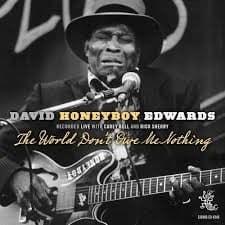
While Honeyboy Edwards didn't achieve mainstream superstardom, his discography is a testament to his enduring talent. It displays his commitment to the blues. Albums like The World Don’t Owe Me Nothing showcase his mastery of the Delta blues style. The album features raw, emotionally charged performances.
White Windows is another essential entry in his catalog. It offers a mix of original compositions and classic blues standards. It highlights his distinctive guitar playing and world-weary vocals.
Across his albums, Edwards never strayed far from his Delta blues roots. However, he wasn't afraid to experiment with different arrangements and instrumentation. He adapted to changing musical tastes while remaining true to the essence of the blues.
His albums are less about chasing trends and more about preserving a vital piece of American musical heritage. They are authentic documents of a life lived immersed in the blues.
Hit Songs & Signature Tracks
Honeyboy Edwards may not have had a Billboard Hot 100 chart-topper. However, his catalog is filled with blues gems that have resonated with generations of fans. Tracks like Drop Down Mama demonstrate his virtuosic guitar skills and his ability to convey complex emotions through simple melodies.
Shake ’Em On Down is another signature tune. It is a hard-driving blues number that captures the energy of his live performances. The song is considered a blues standard.
Then there's 61 Highway, a song that perfectly encapsulates the itinerant life of a bluesman. It celebrates the open road.
Other notable tracks include Crossroads, West Helena Blues, and the powerfully emotive Catfish Blues. These songs are deeply entrenched in the blues tradition. They showcase Honeyboy's ability to make each song his own.
Take A Little Walk With Me is another essential. Also, don't forget Build Myself A Cave, Don’t You Lie To Me, and Don’t Say I Don’t Love You. These songs, like all his music, offer a window into the heart and soul of the blues.
Collaborations & Features
While primarily a solo performer, Honeyboy Edwards did collaborate with other artists throughout his career. These collaborations often took the form of informal jam sessions or guest appearances on other musicians' albums. He preferred to keep things raw and spontaneous.
He shared the stage with countless blues musicians over the years. He often played alongside younger artists who were inspired by his music. These collaborations helped bridge the gap between generations of blues musicians.
Although he wasn't known for high-profile collaborations with pop stars, his influence can be heard in the work of many contemporary artists. Many artists have cited him as a major inspiration.
Awards & Achievements
Honeyboy Edwards received belated recognition for his contributions to American music. This recognition came later in his career. He won a Grammy Award for Best Traditional Blues Album in 2008 for his album *Last of the Great Mississippi Delta Bluesmen: Live in Dallas*. This was a testament to his enduring talent and influence.
He was also a recipient of a National Heritage Fellowship from the National Endowment for the Arts. This is the highest honor bestowed upon folk and traditional artists in the United States. It solidified his status as a living legend.
Beyond these formal accolades, Honeyboy's greatest achievement was his ability to preserve and pass on the traditions of the Delta blues. He kept the music alive for future generations.
Personal Life
Honeyboy Edwards lived a life as colorful and eventful as his music. He was a true road warrior. He spent decades traveling the country, playing music, and sharing his stories with audiences. He was known for his engaging stage presence and his ability to connect with people on a personal level.
In his later years, he became a sought-after speaker and educator. He shared his knowledge of the blues with students and music enthusiasts. He remained active as a performer until shortly before his death.
Musical Style & Influence
Honeyboy Edwards was a master of the Delta blues style. His music was characterized by its raw emotion, simple arrangements, and his distinctive guitar playing. He favored fingerpicking techniques and slide guitar. This gave his music a distinctive sound.
He was heavily influenced by earlier blues musicians such as Charlie Patton, Son House, and Robert Johnson. He absorbed their styles and incorporated them into his own unique approach. In turn, he influenced countless younger musicians who followed in his footsteps.
His legacy as one of the last true Delta bluesmen is secure. His music continues to inspire and captivate audiences around the world. He remains a vital link to the roots of American music.
Recent Work & What's Next
Though Honeyboy Edwards is no longer with us, his music lives on through his recordings and the countless musicians he influenced. His albums continue to be reissued and discovered by new generations of blues fans. His songs are frequently covered by other artists.
His story serves as a reminder of the importance of preserving our musical heritage. It emphasizes the power of music to connect us to the past.
Popular Albums
Popular Songs
| Track Number | Song | Release Date | Album |
|---|---|---|---|
| 01 | Crossroads | N/A | The World Don’t Owe Me Nothing |
| 02 | 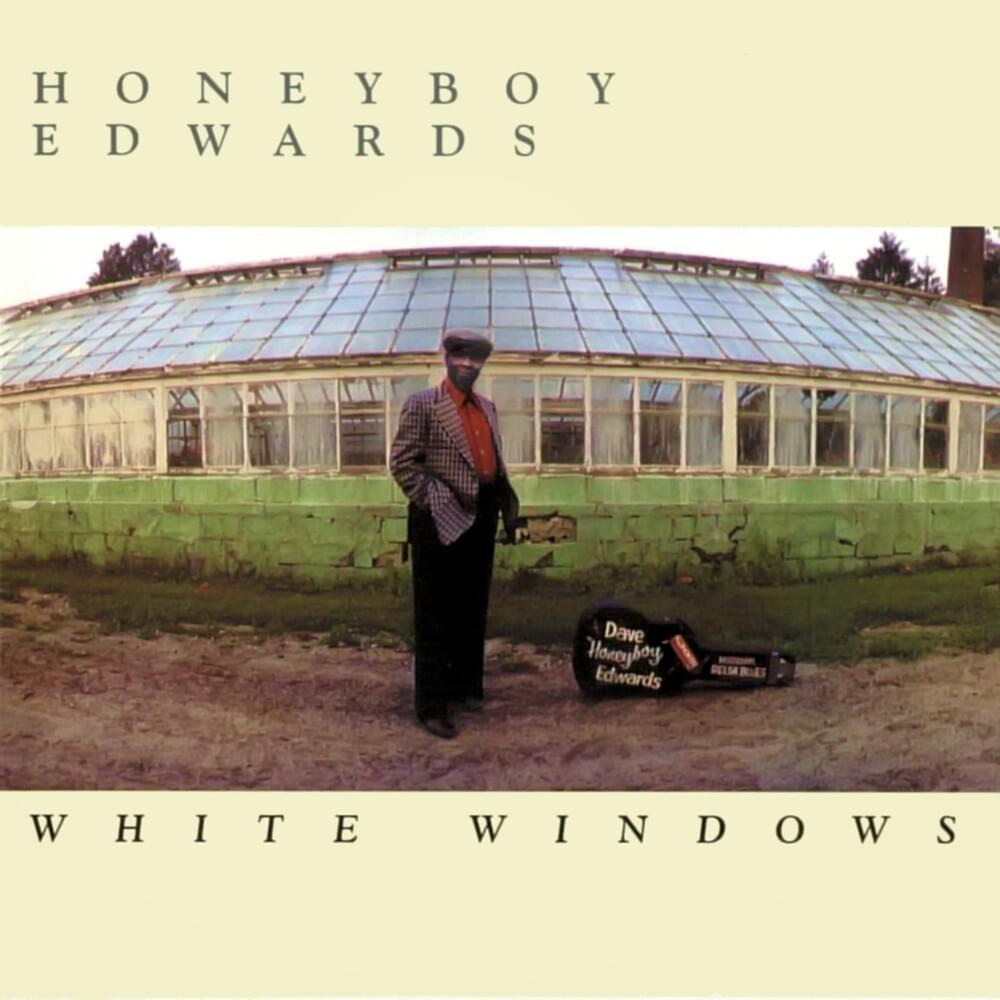 Goin’ Down Slow Goin’ Down Slow | N/A | White Windows |
| 03 | Catfish Blues | N/A | The World Don’t Owe Me Nothing |
Reviews
Comments
Questions & Answers
Music Awards
0 Total
No Music Awards Found