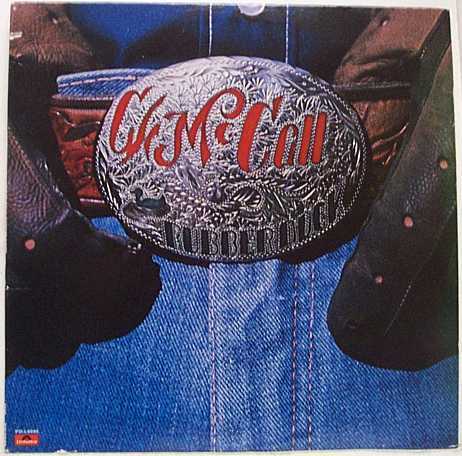
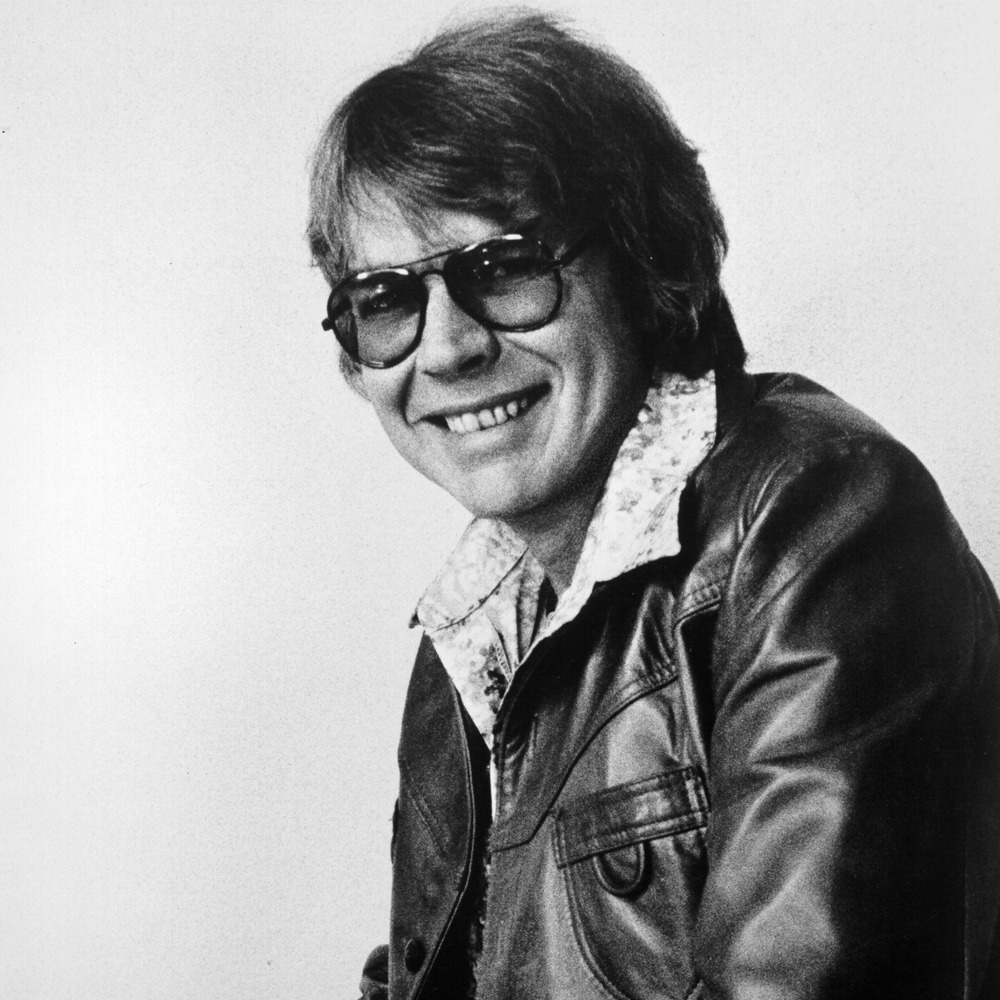
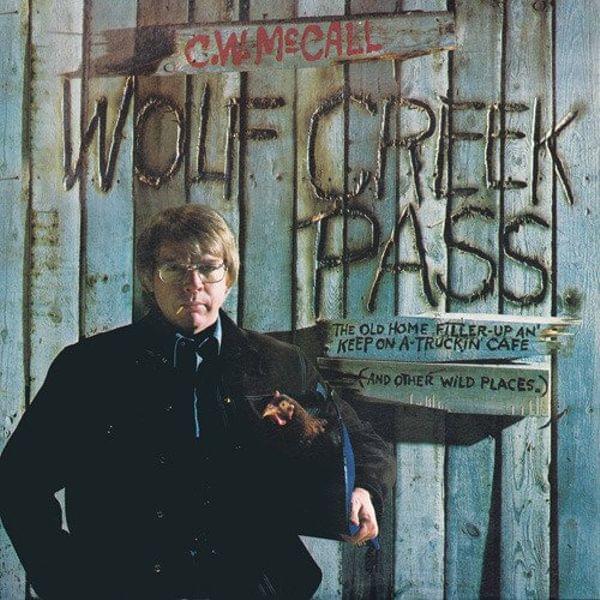
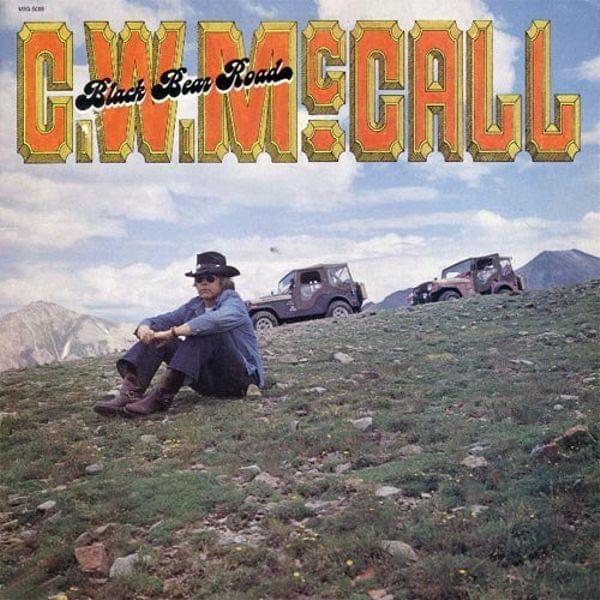
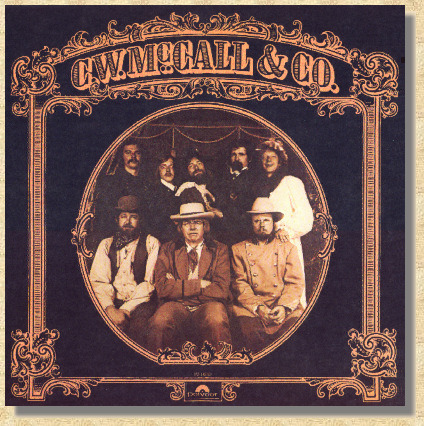
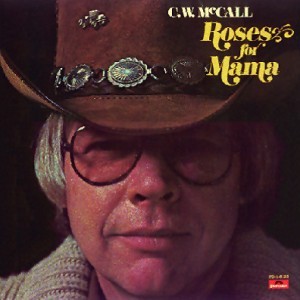
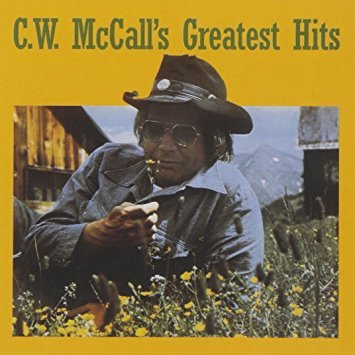
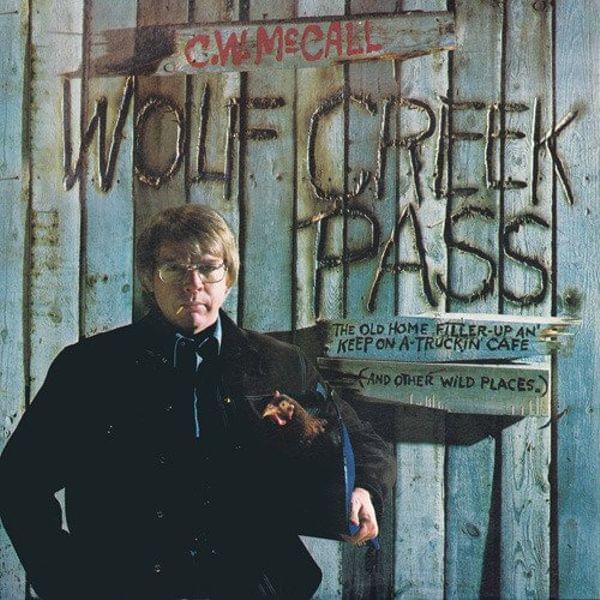
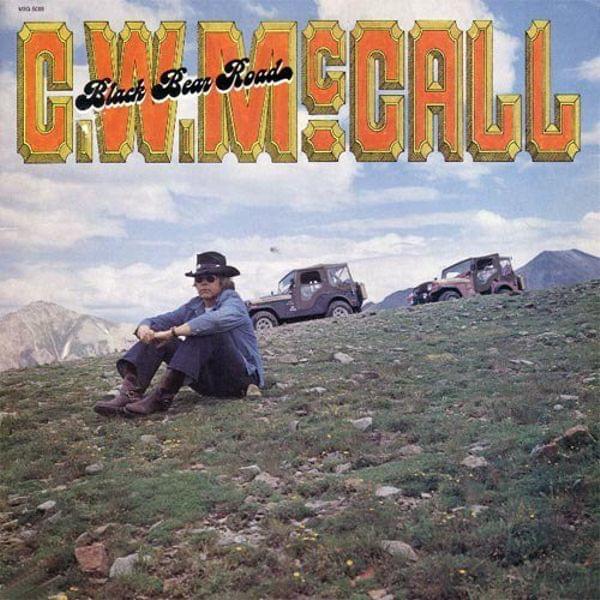
C.W. McCall, the alias of William Dale Fries Jr., carved a unique niche in the 1970s music scene, blending country, pop, and novelty sounds into a distinctly American sound. While many remember him for his massive hit about a convoy, McCall's artistry extended far beyond the CB radio craze. His music painted vivid pictures of rural life, environmental concerns, and the open road, all delivered with a storytelling flair that resonated with a broad audience.
Born in Audubon, Iowa, McCall's early career was rooted in advertising. He created the C.W. McCall character for a series of bread commercials, eventually leading to a full-fledged musical persona. This background informed his approach to songwriting, often crafting narratives with memorable hooks and relatable characters. His songs weren't just tunes; they were miniature dramas set against the backdrop of America's highways and heartlands.
McCall's discography showcases his range. He could deliver a rollicking, good-time anthem one minute and a reflective ballad the next. Take, for example, Four Wheel Cowboy, a song celebrating the freedom of the open road. He often incorporated elements of spoken word into his songs, adding to the storytelling aspect of his work. His love for nature and the outdoors shines through in tracks like Aurora Borealis, a tune that captures the magic of the northern lights with a touch of whimsy.
Beyond the novelty hits, McCall tackled more serious themes. His commitment to environmentalism is evident in songs like Audubon, a tribute to the famous ornithologist and a plea for conservation. He wasn't afraid to blend humor with social commentary, creating a style that was both entertaining and thought-provoking. The longing for simpler times is also present in his work, such as in The Little Brown Sparrow and Me.
While he might be best known for his trucking anthems, C.W. McCall's legacy extends to his role as a musical storyteller, capturing the spirit of a particular era in American history. He wove narratives that celebrated the beauty of the country, even as he pointed out the challenges it faced. Jackson Hole is another example of the artist's connection to the landscape. He ultimately remains a unique voice in American pop music.
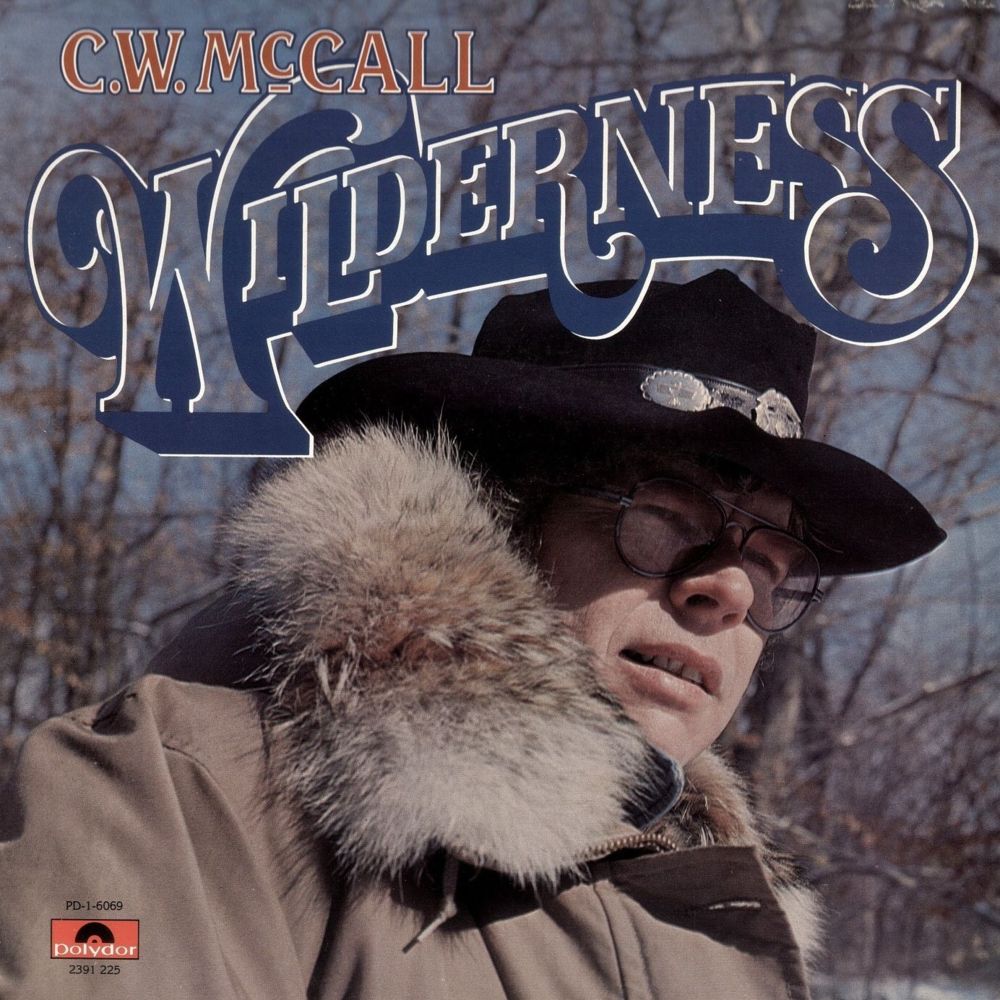
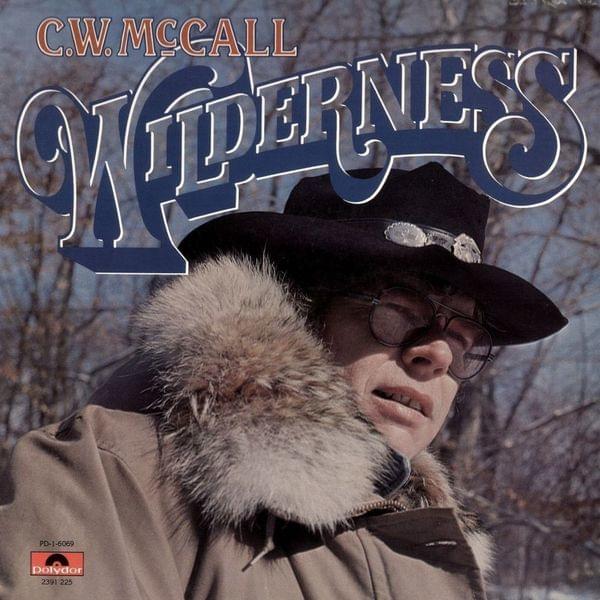
Perhaps even his song Wilderness best encapsulates the heart of C.W. McCall's artistic vision.