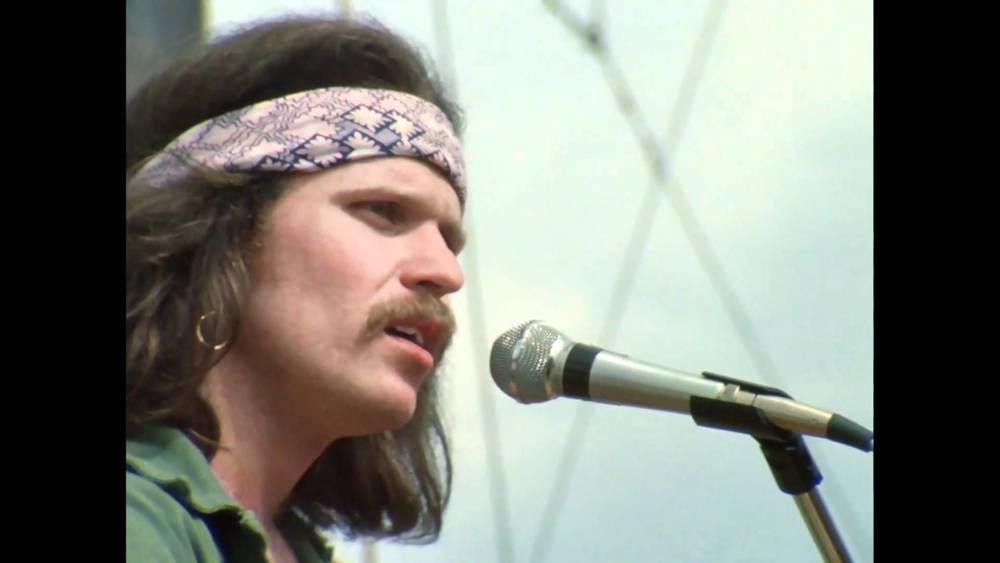
Country Joe and the Fish: Still Fixin' To Die... For Peace
Introduction & Current Status
Country Joe and the Fish, those psychedelic stalwarts of the San Francisco sound, aren't exactly dominating the Billboard charts these days. However, their anti-war anthems and counter-culture vibes remain surprisingly relevant in a world that often feels like it's stuck on repeat. They're a reminder that music can be a powerful force for social change even if your parents played it at Woodstock.
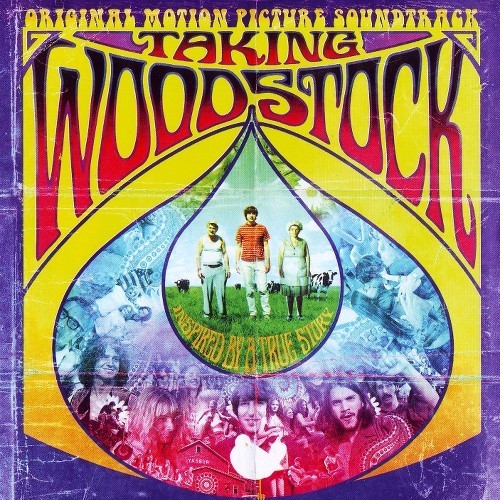
While a full-fledged reunion tour might be wishful thinking, Country Joe McDonald continues to perform and keep the spirit of the band alive. Their music finds new ears through streaming and the occasional movie soundtrack, proving that peace, love, and a healthy dose of psychedelia never truly go out of style. It's a vibe.
Country Joe and the Fish mattered then, and they matter now because they represent a time when music was intrinsically linked to protest and social consciousness. They weren't afraid to speak truth to power, even if it meant ruffling a few feathers. Plus, their music kinda slaps if you're into that vintage psychedelic sound.
Early Life & Background
Country Joe McDonald, the main man behind the Fish, was born in El Monte, California. His upbringing was steeped in progressive politics and a deep appreciation for folk music. His parents named him after Joseph Stalin. Talk about a conversation starter at the PTA meetings.
Exposure to diverse musical styles early on fueled his passion. He soaked up everything from Woody Guthrie's protest songs to the burgeoning rock and roll scene. This eclectic mix of influences would later define the unique sound of Country Joe and the Fish.
The '60s were a time of upheaval and change, and McDonald found himself drawn to the burgeoning counter-culture movement. He saw music as a way to express his beliefs and challenge the status quo. It was this rebellious spirit that led him to form Country Joe and the Fish.
Career Beginnings
The genesis of Country Joe and the Fish happened in the vibrant, experimental atmosphere of Berkeley, California. McDonald teamed up with Barry Melton, and together they formed the nucleus of what would become a psychedelic institution. It wasn't an overnight sensation by any means.
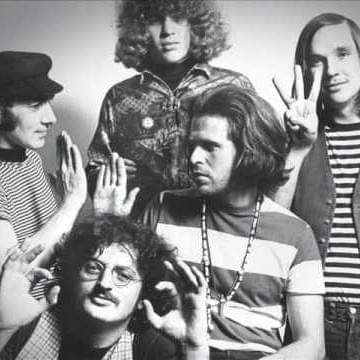
Their early gigs were in small clubs and coffee houses around the Bay Area. They gradually built a following with their unique blend of folk, rock, and politically charged lyrics. The band's lineup solidified with the addition of David Cohen, Bruce Barthol, and Paul Glaser, completing the classic Country Joe and the Fish sound.
Their breakthrough came with the release of their first few EPs, which caught the attention of Vanguard Records. This led to a record deal and the opportunity to reach a wider audience. It was the start of their journey from local favorites to counter-culture icons.
Major Albums & Discography
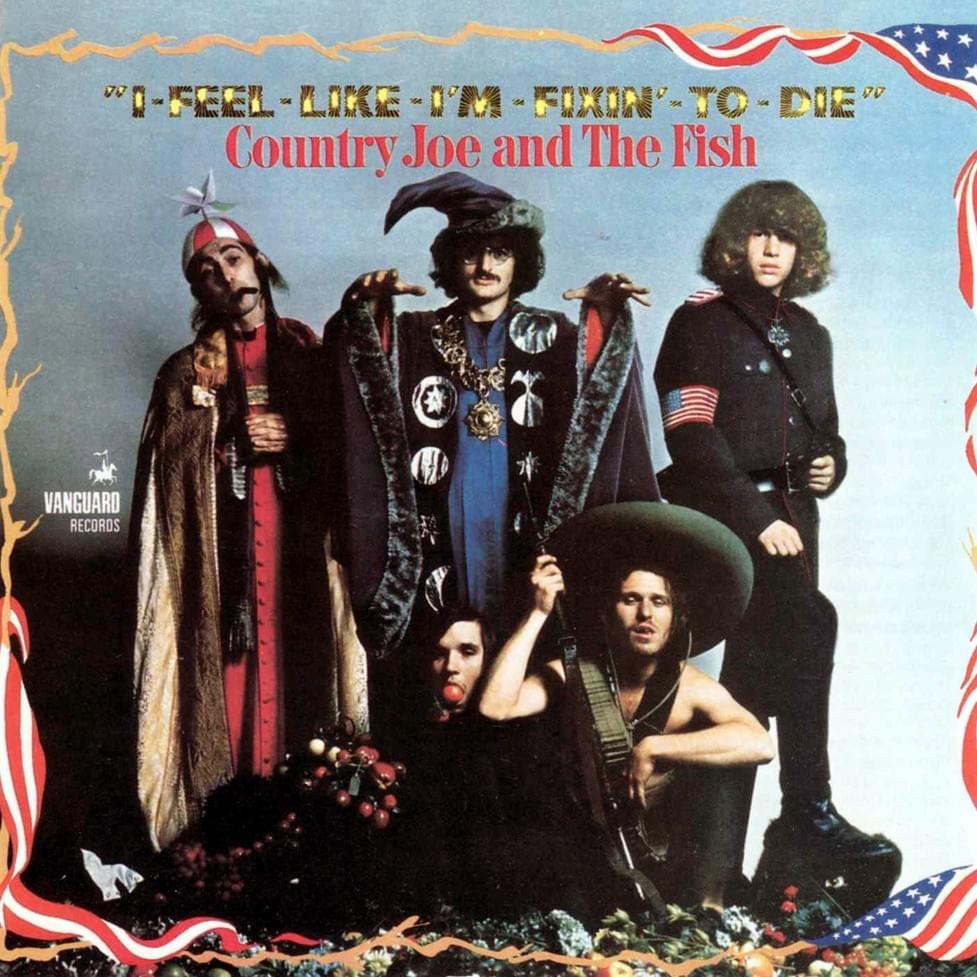
Their debut album, I-Feel-Like-I'm-Fixin'-to-Die, released in 1967, was a game-changer. The title track became an anthem of the anti-war movement, its dark humor and catchy melody resonating with a generation disillusioned by the Vietnam War. It was a bold statement and cemented their place in music history.
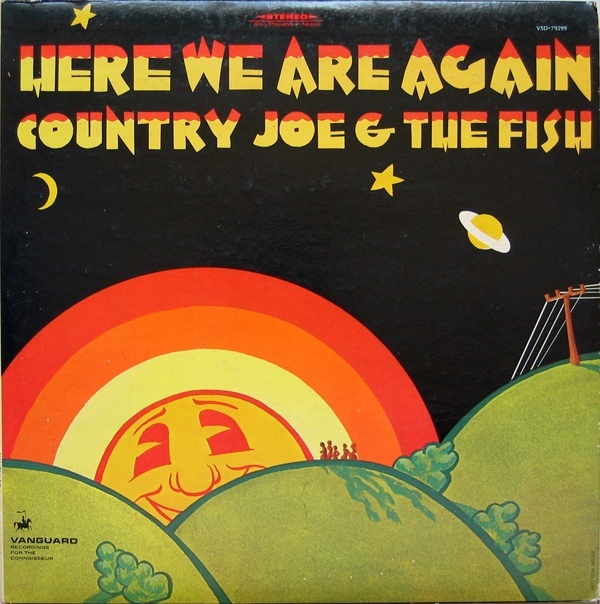
Here We Are Again, their second album, continued to explore themes of peace, love, and social justice. While it didn't achieve the same level of mainstream success as their debut, it further showcased their musical experimentation and lyrical depth. Tracks like Here I Go Again showed that their sound was evolving.
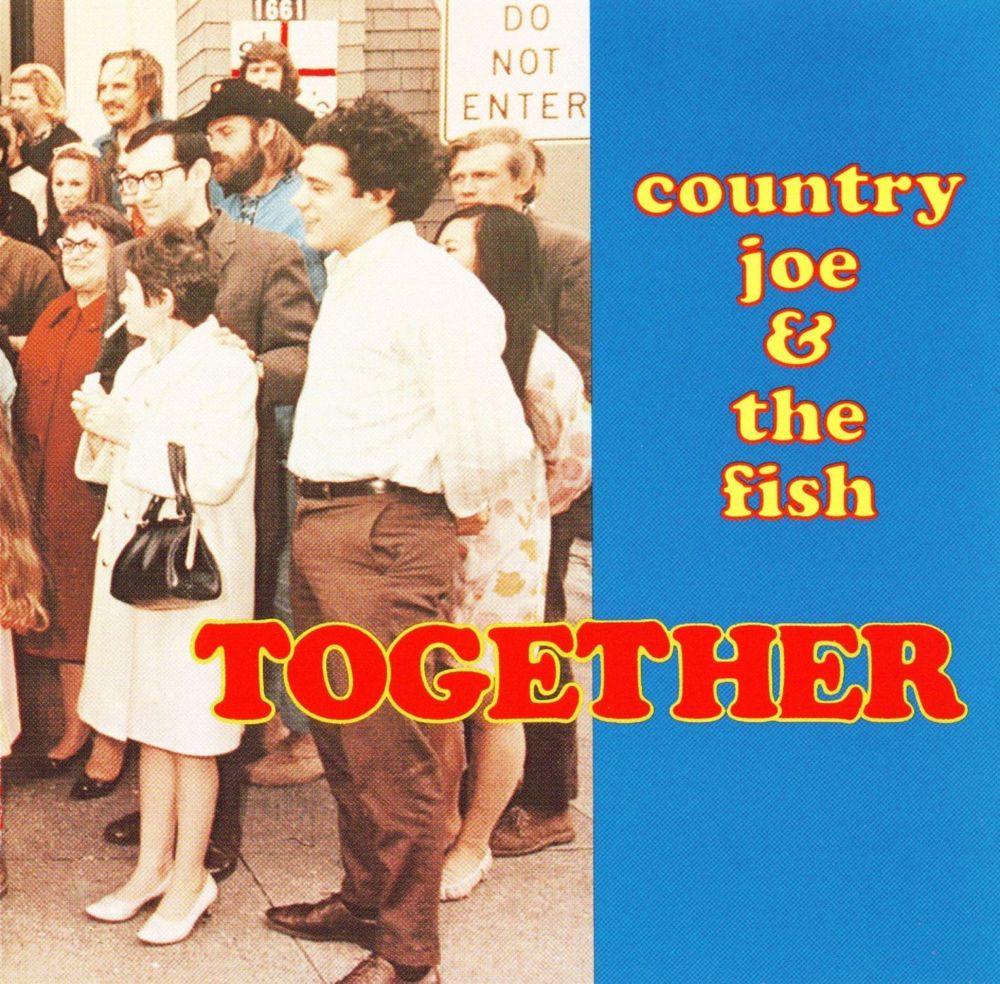
Together, released in 1968, saw the band moving in a slightly different direction, incorporating more psychedelic elements into their sound. The album was a mixed bag critically, but it demonstrated their willingness to experiment and push boundaries. They were definitely not afraid to try new things.
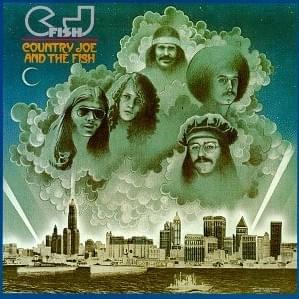
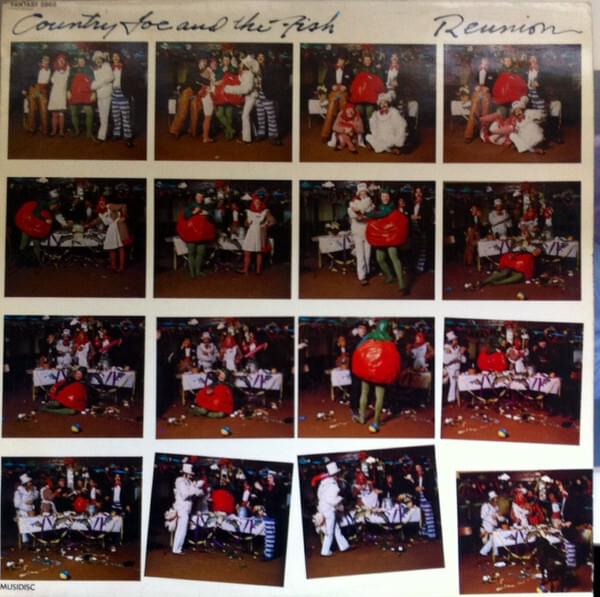
Later albums like C.J. Fish and Reunion showcased a more mature and introspective sound, reflecting the changing times and the band's personal evolution. Though they might not have been chart-toppers, they remained true to their artistic vision.
Hit Songs & Signature Tracks
Without a doubt, their signature song is the darkly comedic I-Feel-Like-I'm-Fixin'-to-Die. Its sarcastic lyrics and catchy chorus made it an instant classic and a staple of anti-war protests. The song's enduring popularity speaks to its timeless message.
Crystal Blues is another standout track. It shows their psychedelic rock sound and lyrical imagery. It's a deep cut for fans who want to go beyond the hits.
Baby, You're Driving Me Crazy is a rollicking, upbeat tune showcasing their versatility. It demonstrates they weren't just about protest songs but also knew how to have a good time.
While not as commercially successful, songs like Donovan's Reef and It's So Nice To Have Love remain fan favorites, showcasing the band's eclectic musical styles and lyrical depth. For No Reason is another example of their experimentation.
Other notable tracks include I'll Survive, Maria, My Girl, and Doctor Of Electricity. Each song contributes to the band's diverse and influential catalog.
Collaborations & Features
Country Joe and the Fish were primarily known for their self-contained sound, but they did collaborate with other artists on occasion. These collaborations often involved performing at benefit concerts and festivals alongside other like-minded musicians.
Their music also found its way into various film soundtracks, further expanding their reach and introducing their music to new audiences. These features helped solidify their legacy as a defining voice of the counter-culture era.
While they didn't engage in many formal collaborations, their influence can be heard in the work of countless other artists who were inspired by their music and message. Their impact on the music scene is undeniable.
Awards & Achievements
While Country Joe and the Fish may not have amassed a huge collection of Grammy Awards or Billboard accolades, their achievements lie in their cultural impact and enduring legacy. Their music became the soundtrack to a generation seeking change.
Their songs resonated deeply with those protesting the Vietnam War and advocating for social justice. They provided a voice for the voiceless and helped to shape the cultural landscape of the 1960s and beyond.
Their induction into the various halls of fame and recognition from music historians further solidify their place in music history. Their influence continues to be felt by artists and activists alike.
Personal Life
Country Joe McDonald has remained politically active throughout his life, continuing to advocate for peace and social justice. He has also been involved in various philanthropic endeavors, using his platform to support causes he believes in.
Details of his personal life are relatively private, but he is known to be a dedicated musician and activist. He continues to perform and record music, keeping the spirit of Country Joe and the Fish alive.
Musical Style & Influence
Country Joe and the Fish's musical style is a unique blend of folk, rock, and psychedelic influences. Their sound is characterized by its politically charged lyrics, catchy melodies, and experimental instrumentation. They created a sound that was both accessible and thought-provoking.
They drew inspiration from a wide range of artists, including Woody Guthrie, Pete Seeger, and the early rock and roll pioneers. In turn, they influenced countless other musicians who followed in their footsteps, particularly those involved in the protest music scene.
Their legacy lies in their ability to combine music with social commentary, creating songs that were both entertaining and meaningful. They remain an inspiration to artists who seek to use their music to make a difference in the world.
Recent Work & What's Next
Country Joe McDonald continues to perform and record music, keeping the spirit of Country Joe and the Fish alive. He also remains active in various social and political causes, using his voice to advocate for change.
While a full-fledged reunion of the original band may be unlikely, their music continues to be discovered by new generations of fans. Their message of peace, love, and social justice remains as relevant today as it was in the 1960s. They're low-key icons, tbh.