
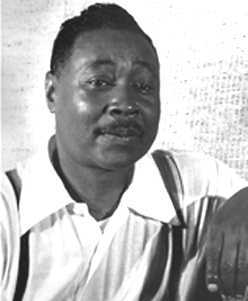
Claude McKay
1 Listeners
Artist Bio
Introduction & Current Status
Claude McKay isn't topping today's charts, but his lyrical fire still burns bright. He's a foundational icon whose words echo in contemporary movements for social justice and artistic expression. His poems and novels—raw, unflinching, and revolutionary—laid the groundwork for generations of Black artists and activists. He's a literary ancestor whose influence only grows stronger with time.
McKay's impact is undeniable. He gave voice to the voiceless, chronicling the struggles and triumphs of Black people in America and beyond. From his groundbreaking verse to his explorations of identity and belonging, McKay's work remains fiercely relevant.
His legacy lives on in classrooms, on stages, and in the hearts of those who seek truth and beauty in the face of adversity. He was a literary supernova whose light continues to illuminate the path forward.
Early Life & Background
Festus Claudius McKay was born in Sunny Ville, Jamaica, in 1889. Growing up in a rural setting, he was immersed in Jamaican folklore and oral traditions. These early experiences profoundly shaped his artistic sensibilities and provided a rich tapestry of imagery for his later works.
He was exposed to European literature by his brother, a teacher, and a local English expatriate. This combination of Jamaican culture and Western literary tradition formed the bedrock of his unique voice.
McKay's family encouraged his intellectual pursuits, recognizing his exceptional talent from a young age. This support system proved crucial as he navigated the complexities of race, identity, and belonging in a rapidly changing world.
Career Beginnings
McKay's writing career officially kicked off with the publication of two volumes of Jamaican dialect poetry, *Songs of Jamaica* and *Constab Ballads*, in 1912. These works celebrated the beauty of Jamaican life and challenged colonial stereotypes. They earned him recognition and a small literary prize, setting the stage for his move to the United States.
Arriving in America, McKay was immediately confronted with the harsh realities of racism and discrimination. This experience fueled his passion for social justice and inspired him to write protest poetry that would resonate with audiences across the globe.
His early work in the US appeared in *The Liberator*, a radical magazine, solidifying his place among the leading voices of the burgeoning Harlem Renaissance. These early poems established McKay as a force to be reckoned with.
Major Albums & Discography
While Claude McKay is renowned for his literary contributions, particularly his poetry and novels, he did not release traditional music albums. His discography exists in the realm of spoken word recordings and adaptations of his work into musical forms. However, focusing on his major literary works is key to understanding his artistic journey.
His novel, *Home to Harlem* (1928), was a groundbreaking exploration of the Black experience in 1920s Harlem. Despite some controversy surrounding its portrayal of Harlem life, it became a bestseller and cemented McKay's reputation as a major literary figure. It offered a raw and vibrant glimpse into a world rarely seen in mainstream literature.
Another pivotal work is *Banjo* (1929), which explores the experiences of Black diasporic communities in Europe. This novel showcased McKay's international perspective and his commitment to portraying the diversity of Black life across the globe. It was a testament to his global vision and his dedication to capturing the multifaceted nature of Black identity.
His collection *Harlem Shadows* is a cornerstone of the Harlem Renaissance, featuring poems that grapple with themes of race, identity, and social justice. This collection remains a vital and influential work in African American literature. The book encapsulates the spirit of the Harlem Renaissance and McKay's profound impact on the movement.
Hit Songs & Signature Tracks
Claude McKay was primarily a writer and poet. Therefore, he doesn't have traditional "hit songs" in the way a musician would. However, several of his poems have become iconic and are considered signature works due to their powerful messages and lasting impact. These poems function as anthems, resonating with readers and activists alike.
"If We Must Die" is arguably his most famous poem, written in response to the Red Summer of 1919, a period of intense racial violence against Black communities. Its defiant tone and call for resistance have made it a timeless expression of Black resilience and determination. This poem is a battle cry against oppression.
"The Harlem Dancer" is another signature piece. It explores themes of beauty, exploitation, and the complexities of identity within the context of the Harlem Renaissance. It's a poignant reflection on the challenges faced by Black women during this era.
"America" offers a nuanced and complex perspective on the United States, acknowledging both its promise and its inherent contradictions. It showcases McKay's ability to grapple with difficult truths and to offer a multifaceted view of the American experience. The poem is both a celebration and a critique of America.
Collaborations & Features
While Claude McKay didn't engage in musical collaborations in the traditional sense, his work profoundly influenced countless artists across various disciplines. His poems have been set to music by composers and adapted into theatrical performances, demonstrating the versatility and enduring power of his words.
He collaborated with fellow writers and intellectuals during the Harlem Renaissance, exchanging ideas and shaping the artistic landscape of the era. These collaborations, though not musical, were crucial to the development of his artistic vision and the overall success of the movement.
His influence extends to contemporary artists who draw inspiration from his themes of social justice, identity, and resistance. Many contemporary musicians, poets, and activists cite McKay as a key influence in their work, demonstrating the ongoing relevance of his message.
Awards & Achievements
Claude McKay's achievements are primarily recognized through literary accolades and lasting cultural impact. He did not receive mainstream awards like Grammys, but his contributions to literature and social justice have been widely celebrated and studied.
His novel *Home to Harlem* won the Harmon Foundation Award for Literature. This award recognized his significant contribution to African American literature and helped to further establish his reputation as a leading voice of the Harlem Renaissance.
More importantly, his work helped pave the way for future generations of Black writers and artists. His unflinching portrayal of Black life and his powerful advocacy for social justice have left an indelible mark on the cultural landscape.
His poems are frequently included in anthologies and taught in classrooms around the world, ensuring that his voice continues to resonate with new audiences. This enduring presence is a testament to the timeless quality of his work and its ongoing relevance.
Personal Life
Claude McKay's personal life was marked by travels and a search for belonging. He journeyed extensively throughout Europe and Africa, seeking to connect with diasporic Black communities and to find a sense of home. These experiences shaped his worldview and informed his writing.
Later in life, McKay converted to Catholicism. This spiritual journey reflected his ongoing search for meaning and his desire to find solace in faith. He explored themes of spirituality and redemption in his later works.
He was known for his independent spirit and his unwavering commitment to his artistic vision. Despite facing numerous challenges and obstacles, he remained true to himself and his beliefs throughout his life.
Musical Style & Influence
Claude McKay's style isn't musical in the literal sense but can be described through the rhythm and cadence of his poetry. His work is characterized by its raw emotion, its unflinching honesty, and its powerful imagery. He blended elements of classical verse with the rhythms of Black vernacular, creating a unique and compelling voice.
He was influenced by poets like Walt Whitman and Langston Hughes, and his work, in turn, has influenced countless writers, musicians, and artists. His themes of social justice, identity, and resistance continue to resonate with contemporary audiences.
His legacy lies in his ability to give voice to the voiceless and to challenge the status quo. He used his words as weapons against injustice, inspiring generations to fight for equality and to celebrate the beauty and resilience of the human spirit.
Recent Work & What's Next
Claude McKay passed away in 1948, so there is no recent work in the traditional sense. However, his legacy continues to grow, and his works are constantly being rediscovered and reinterpreted by new generations of readers and artists.
Scholarly studies and critical analyses of his work continue to be published, shedding new light on his life and his contributions to literature and social justice. His voice remains relevant and his message continues to inspire.
His impact on the Harlem Renaissance and his influence on subsequent generations of Black artists ensure that his work will continue to be studied and celebrated for years to come. His words are a timeless reminder of the power of art to challenge injustice and to inspire hope.
Popular Albums
Popular Songs
| Track Number | Song | Release Date | Album |
|---|---|---|---|
| 01 | America | N/A | Emily Dickinson |
| 02 | If We Must Die | Jan 1, 1919 | Anthology of Negro Poetry |
| 03 | Africa | N/A | Emily Dickinson |
| 04 | The Lynching | N/A | Emily Dickinson |
| 05 | 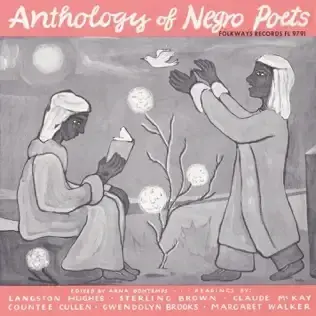 The Tropics in New York The Tropics in New York | N/A | Anthology of Negro Poetry |
| 06 | Harlem Shadows | Jan 1, 1918 | Emily Dickinson |
| 07 | The White City | N/A | Emily Dickinson |
| 08 | The Harlem Dancer | N/A | Emily Dickinson |
| 09 | St. Isaac’s Church | N/A | Anthology of Negro Poetry |
Reviews
Comments
Questions & Answers
Music Awards
0 Total
No Music Awards Found