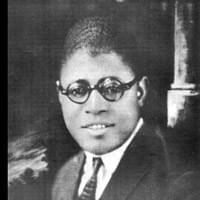
Clarence Williams, a pivotal figure in the development of early jazz and blues, wasn't just a performer; he was a composer, bandleader, talent scout, and shrewd businessman who left an indelible mark on American music. Born in Plaquemine, Louisiana, around 1893 (though the exact date remains debated), Williams's journey began amidst the vibrant musical tapestry of the South, absorbing the sounds of ragtime, blues, and early jazz that would later define his career.
Williams's entrepreneurial spirit shone early. By the 1910s, he was running a successful music publishing business in New Orleans, connecting with aspiring musicians and establishing himself as a key player in the burgeoning music scene. He recognized talent, nurtured it, and provided opportunities for countless artists who would later become legends.
Moving to Chicago and then New York City, Williams expanded his reach, establishing connections with major record labels and leading various ensembles under his name. These groups, often billed as Clarence Williams' Jazz Kings or Clarence Williams' Blue Five, featured some of the finest musicians of the era, including Louis Armstrong, Sidney Bechet, and Bessie Smith. His keen ear for talent is evident in the recordings he produced, showcasing the raw energy and improvisational brilliance that characterized early jazz.
As a composer, Williams possessed a remarkable ability to craft catchy melodies and memorable lyrics that resonated with audiences. Many of his songs became standards, covered by generations of musicians. While not all of his compositions achieved widespread fame, tracks like Organ Grinder Blues demonstrate his knack for infectious rhythms and evocative storytelling. His work often explored themes of love, loss, and the everyday struggles of life, reflecting the experiences of the African American community during the early 20th century.
Williams's output was diverse, spanning blues, jazz, and even novelty tunes. He wasn't afraid to experiment, incorporating elements of vaudeville and popular song into his recordings. Tracks such as Kentucky and Papa De-Da-Da highlight the more playful side of his musical personality, showcasing his ability to create music that was both entertaining and engaging. The raw emotion in songs such as Mississippi Blues, however, shows his adeptness at capturing the soul of the blues. His dedication to diverse styles is further exemplified by tracks like Lazy Mama. Clarence Williams continued performing and recording until his death in 1965, leaving behind a rich legacy of music that continues to inspire and delight listeners today. He truly was an architect of early jazz and blues, leaving an important cultural legacy.