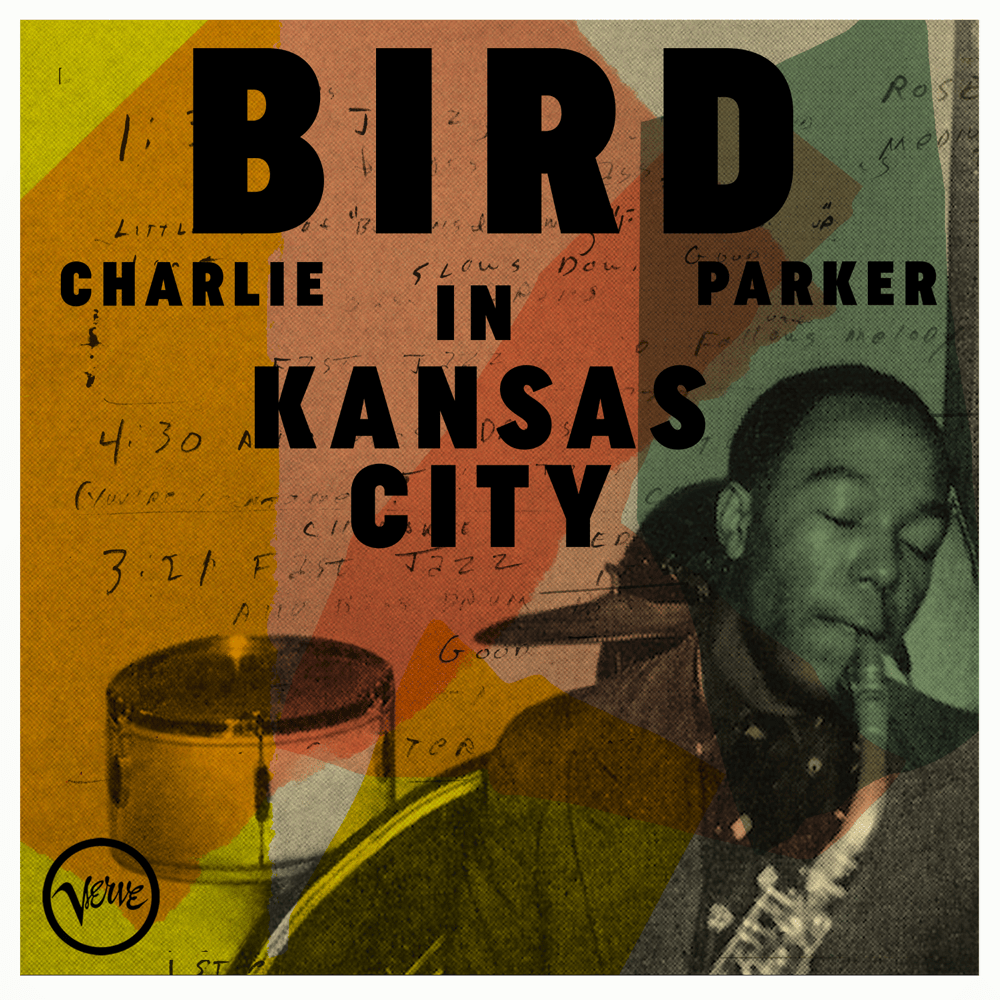
Bird In Kansas City (Live)
2024
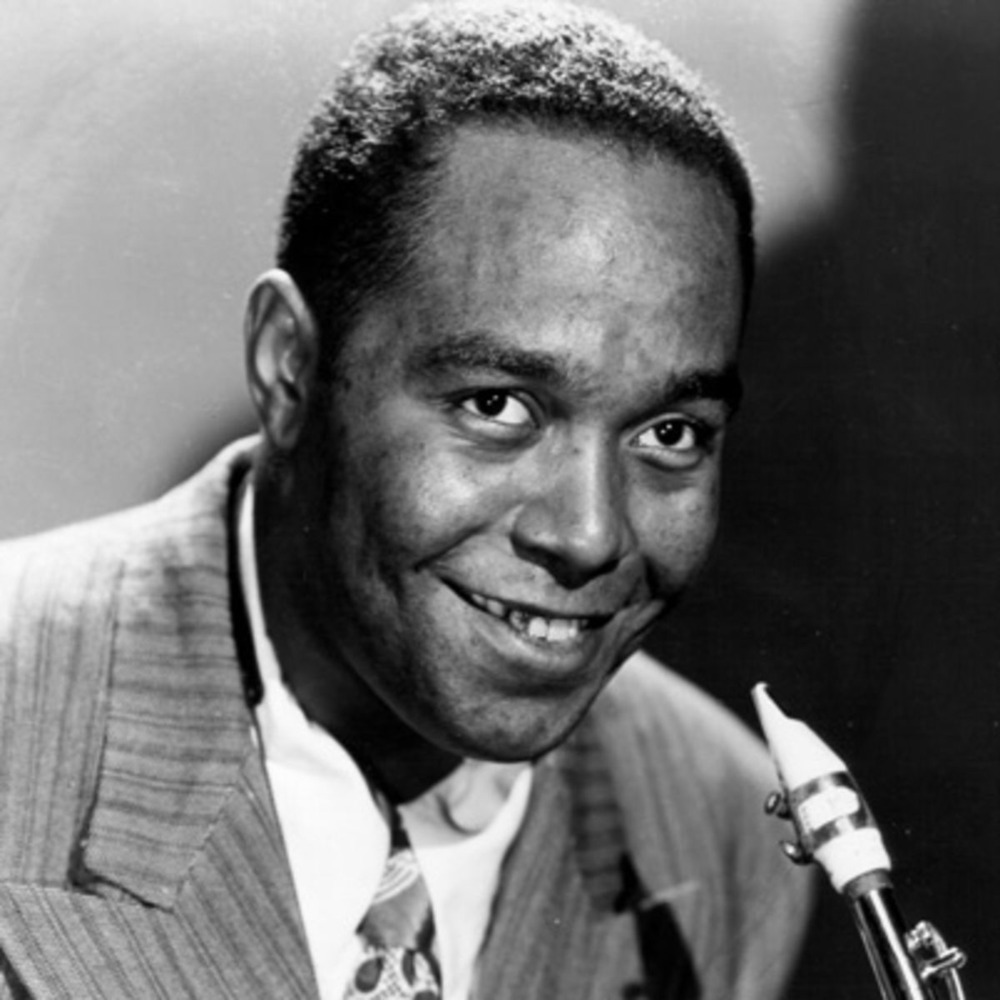
82.6K Listeners
2024
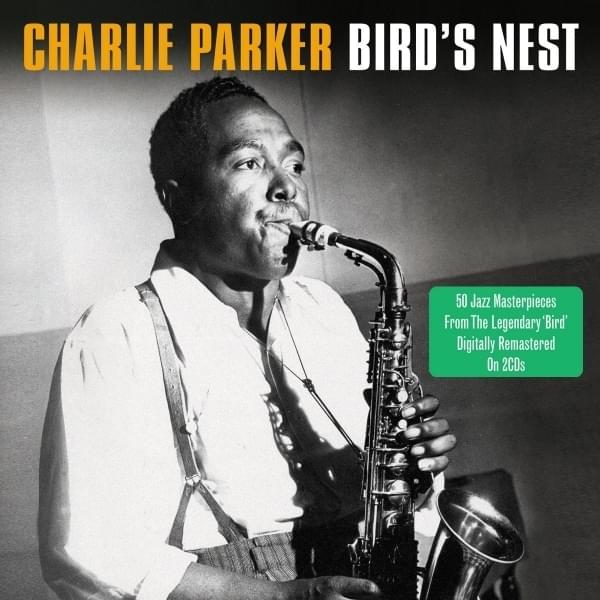
1955
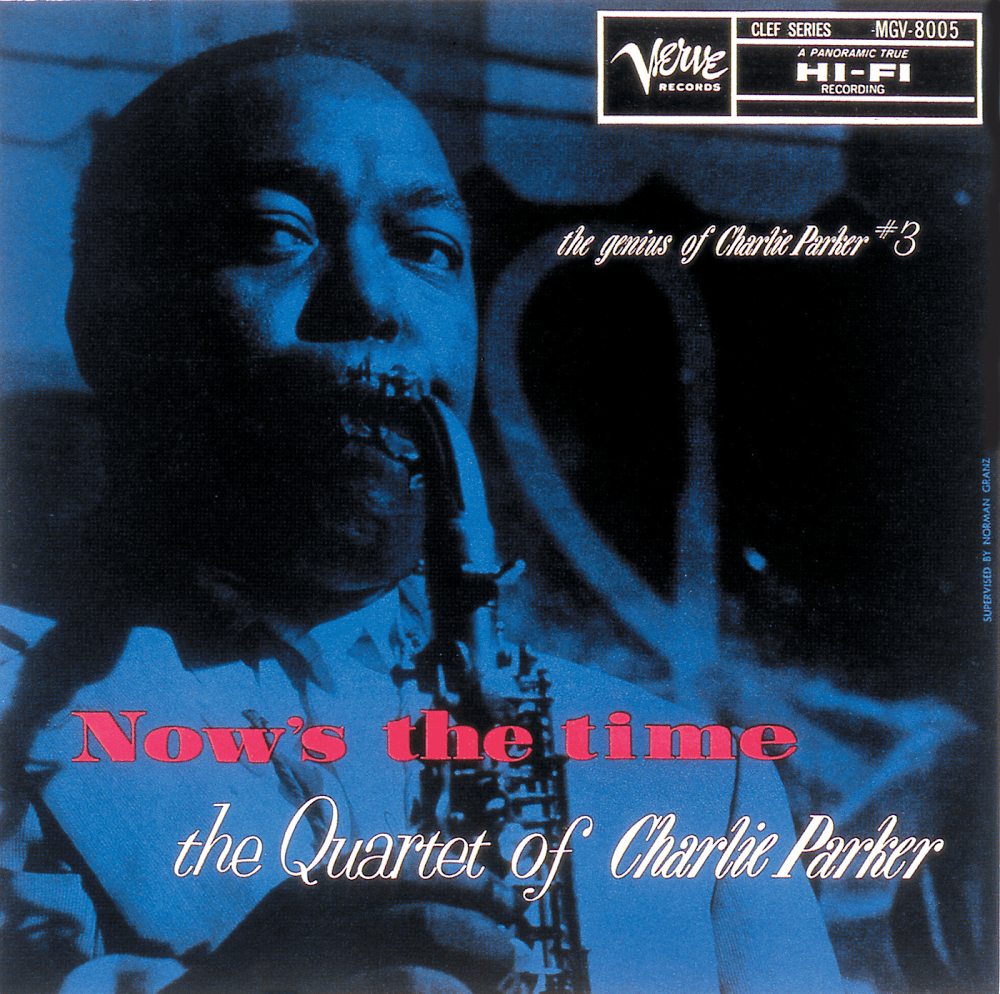
1952
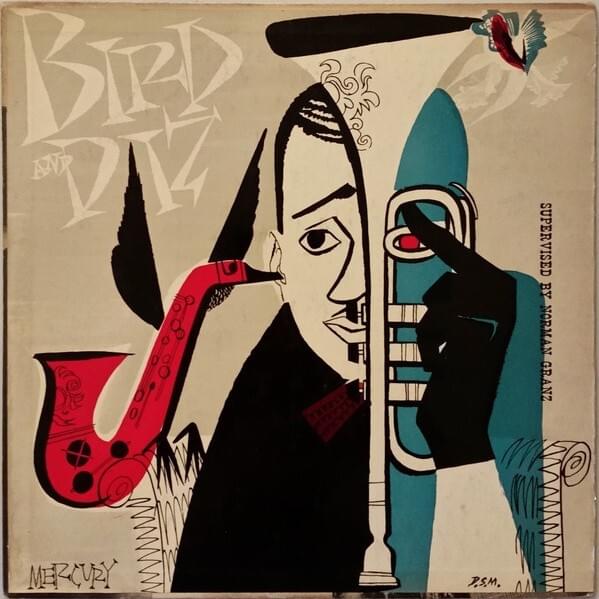
1952
| Track Number | Song | Release Date | Album |
|---|---|---|---|
| 01 | Leap Frog | Jan 1, 1952 | Bird and Diz |
| 02 | Koko | Jan 1, 1946 | The Complete Savoy & Dial Master Takes |
| 03 |  Now’s the Time Now’s the Time | Jan 1, 1945 | The Complete Savoy & Dial Master Takes |
| 04 | Max Making Wax | N/A | The Complete Savoy & Dial Master Takes |
| 05 |  Autumn in New York Autumn in New York | N/A | Big Band |
| 06 |  Night and Day Night and Day | N/A | Big Band |
| 07 | Margie | Oct 25, 2024 | Bird In Kansas City (Live) |
| 08 | I’m Getting Sentimental Over You | Oct 25, 2024 | Bird In Kansas City (Live) |
| 09 | Star Eyes | May 18, 1955 | Bird’s Nest |
| 10 | Visa | Jan 1, 1952 | Bird and Diz |
| 11 | My Melancholy Baby | Jan 1, 1952 | Bird and Diz |
| 12 | Bloomdido | Jan 1, 1952 | Bird and Diz |
| 13 | An Oscar for Treadwell | Jan 1, 1952 | Bird and Diz |
| 14 | Passport | Jan 1, 1952 | Bird and Diz |
| 15 | Relaxin’ with Lee | Jan 1, 1952 | Bird and Diz |
| 16 | Mohawk | Jan 1, 1952 | Bird and Diz |
| 17 | Confirmation | Dec 12, 1952 | The Genius of Charlie Parker, Volume 3: Now’s the Time |
| 18 | Kim | Dec 12, 1952 | The Genius of Charlie Parker, Volume 3: Now’s the Time |
| 19 | Old Folks | Jan 1, 1954 | Big Band |
| 20 | What Is This Thing Called Love? | Jan 1, 1954 | Big Band |
0 Total
No Music Awards Found
Loading comments...