Charlie Haden, a name synonymous with innovation and deep emotional resonance in jazz, carved a unique path, blending technical brilliance with an almost childlike sense of wonder. Born in rural Iowa, Haden’s musical journey began in his family's country music band, where he sang and played bass from a young age. This early exposure instilled in him a profound appreciation for melody and the power of simple, heartfelt expression – qualities that would define his singular approach to jazz improvisation.
Haden's arrival on the scene in the late 1950s coincided with the burgeoning free jazz movement. His association with Ornette Coleman was pivotal, laying the foundation for a career that consistently pushed boundaries while remaining deeply rooted in tradition. He possessed an uncanny ability to create basslines that were both supportive and strikingly melodic, transforming the instrument from a mere timekeeper into a powerful voice. His playing was less about virtuosic displays and more about crafting evocative narratives, each note carefully chosen to convey a specific feeling or idea.
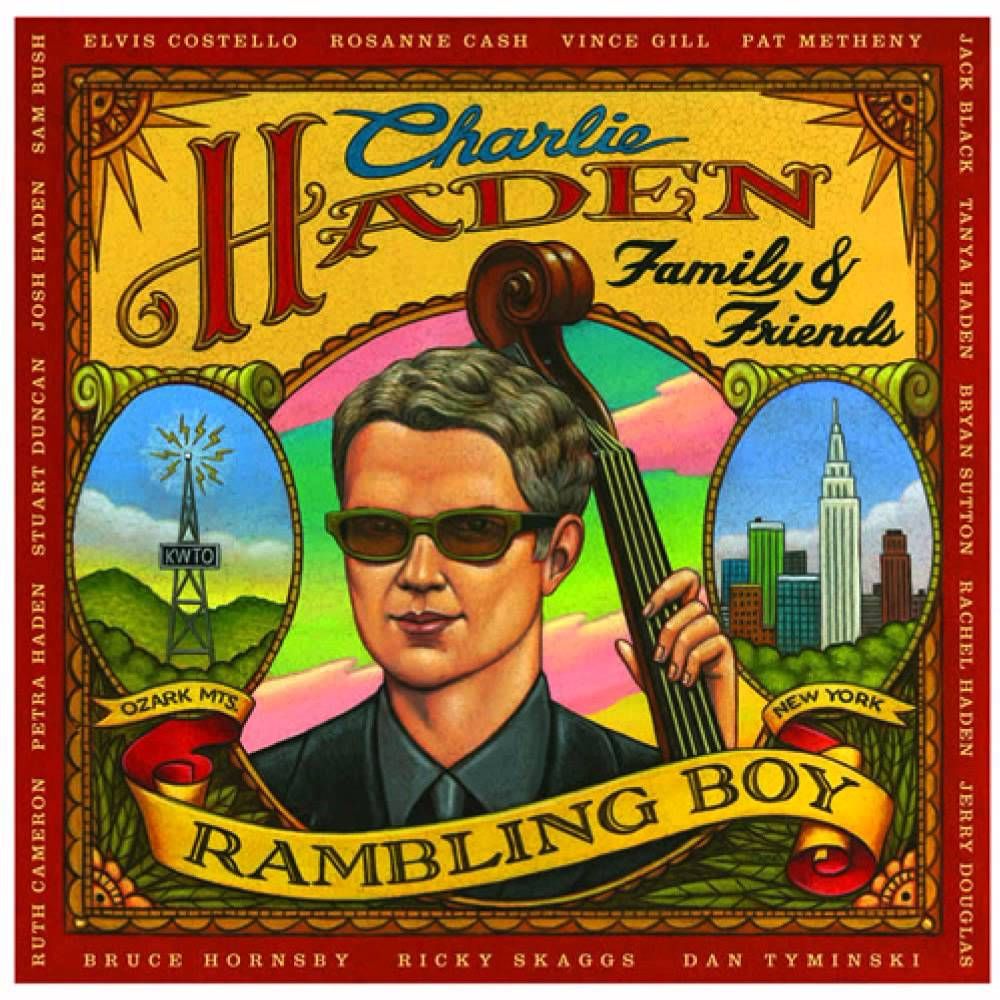
Beyond his groundbreaking work in free jazz, Haden demonstrated remarkable versatility, collaborating with a diverse range of artists across genres. He explored the rich tapestry of folk music, as heard in his moving rendition of Rambling Boy, where his bass sings with a tender honesty. He also ventured into the realm of spirituals, offering deeply personal interpretations of classics like Come Sunday, showcasing his profound respect for the African American musical tradition. His duets with pianist Hank Jones reveal a shared sensitivity and a deep understanding of harmonic nuance.
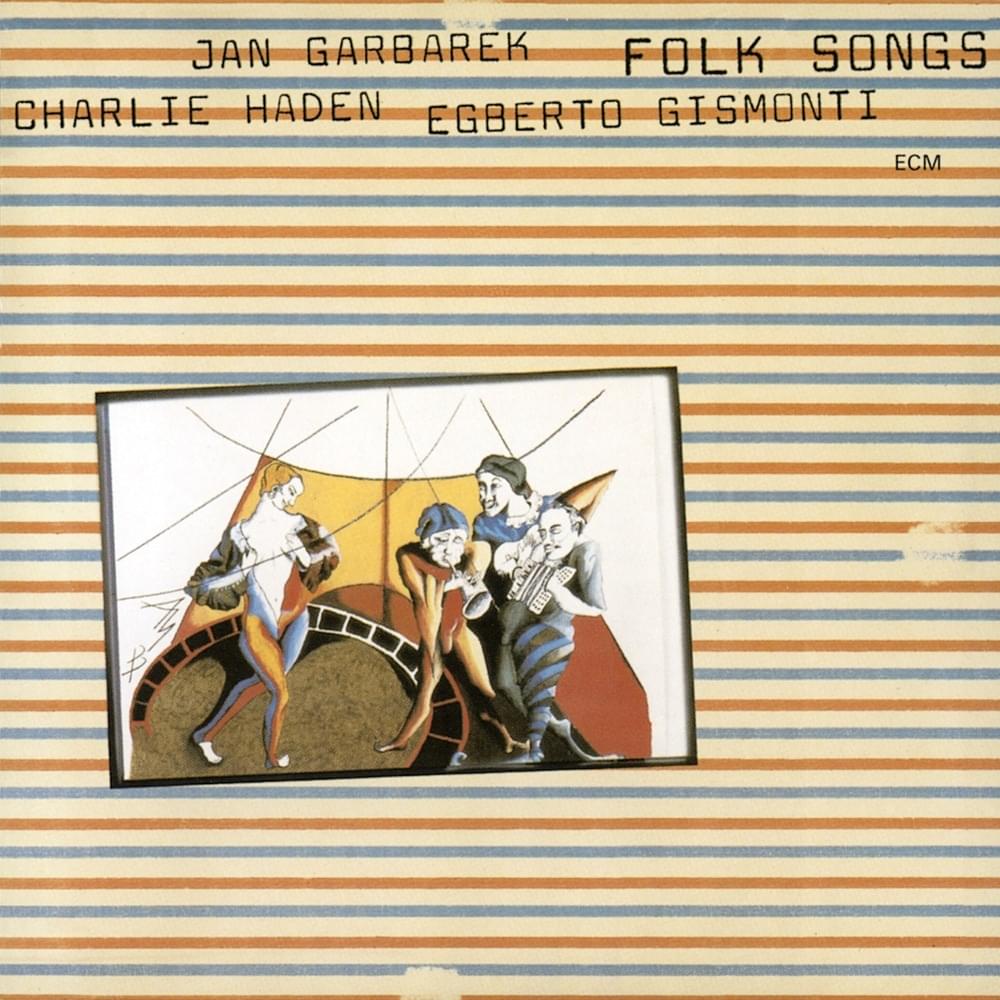
Haden's political convictions often found expression in his music. "Chairman Mao", for example, reflects his social consciousness and willingness to challenge the status quo. This willingness to take risks extended to his collaborations with musicians from around the globe, including Jan Garbarek and Egberto Gismonti. The trio's haunting rendition of Silence exemplifies his ability to create music that transcends cultural boundaries and speaks to the universal human experience.
Even in more introspective pieces like Spiritual, Haden’s emotional depth is palpable. He wasn't just playing notes; he was sharing a piece of his soul. Charlie Haden's legacy is one of unwavering artistic integrity and a deep commitment to the power of music to connect us all. He left behind a vast body of work that continues to inspire and challenge musicians and listeners alike. He understood the importance of melody, the significance of space, and the transformative potential of music to heal and uplift.