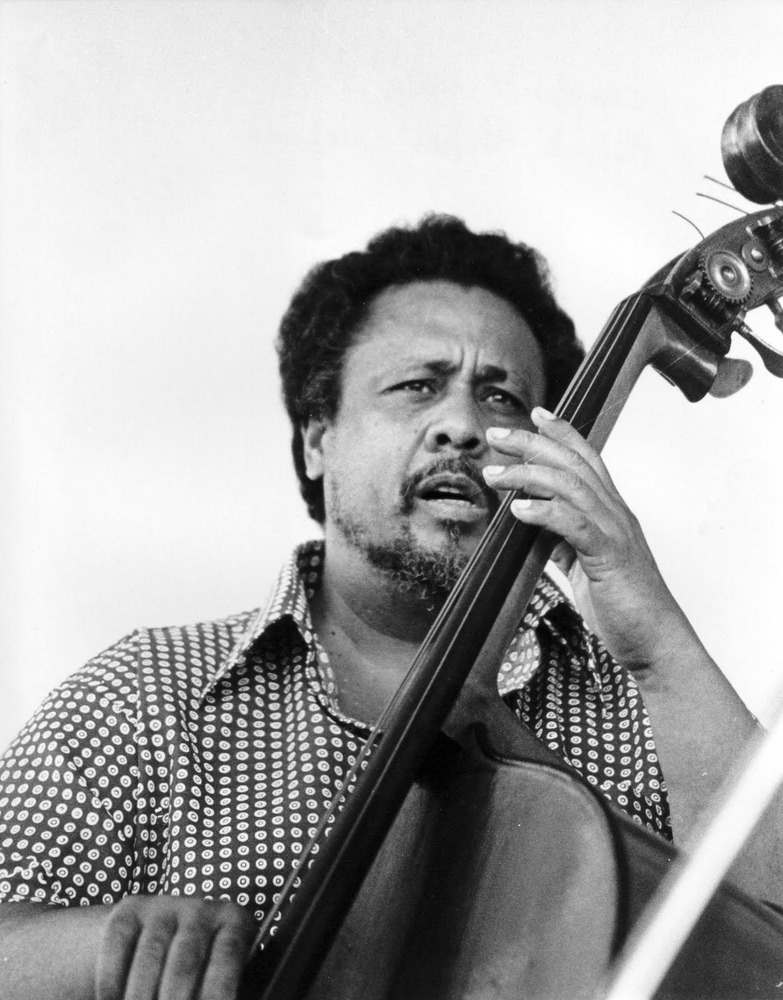
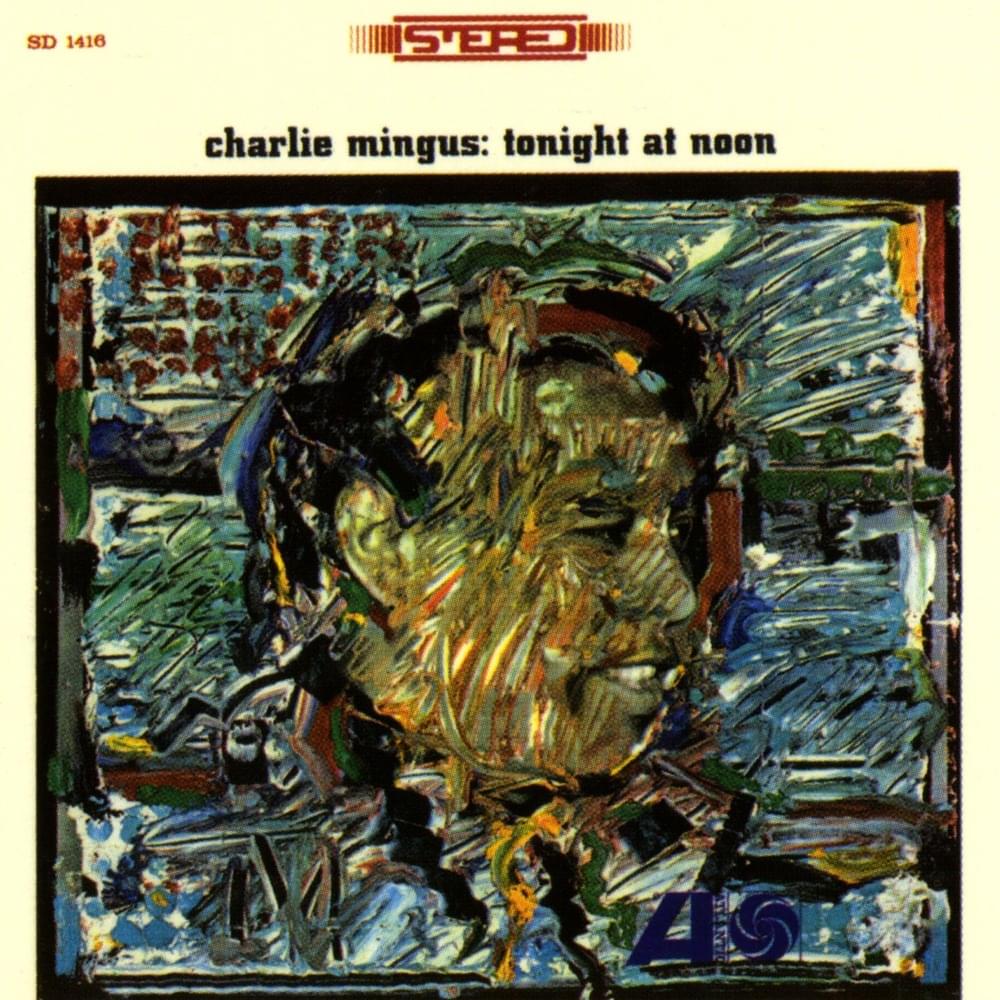
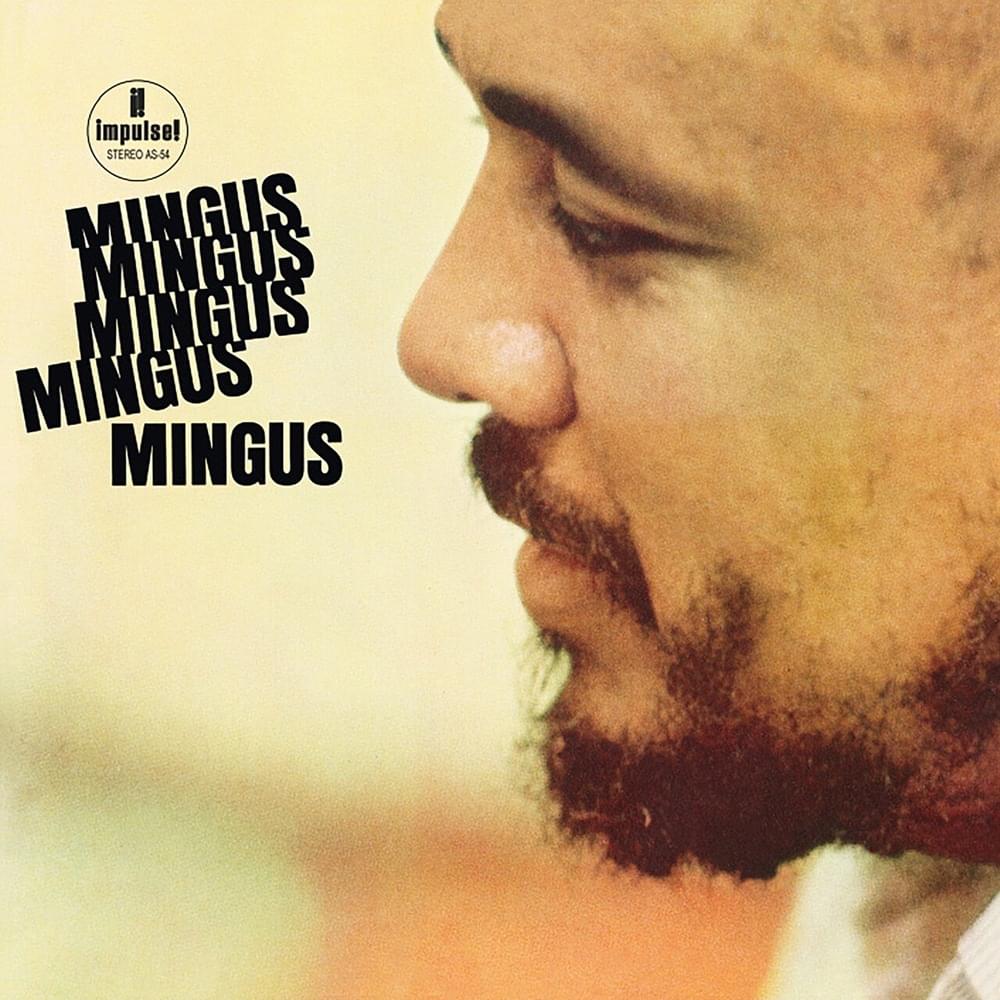
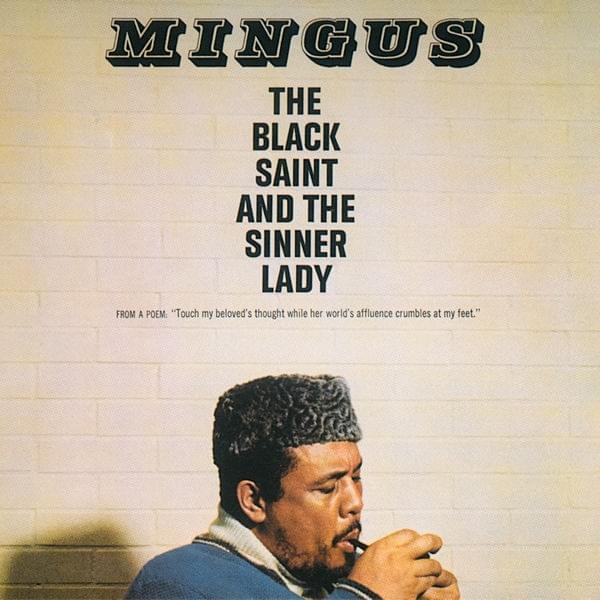
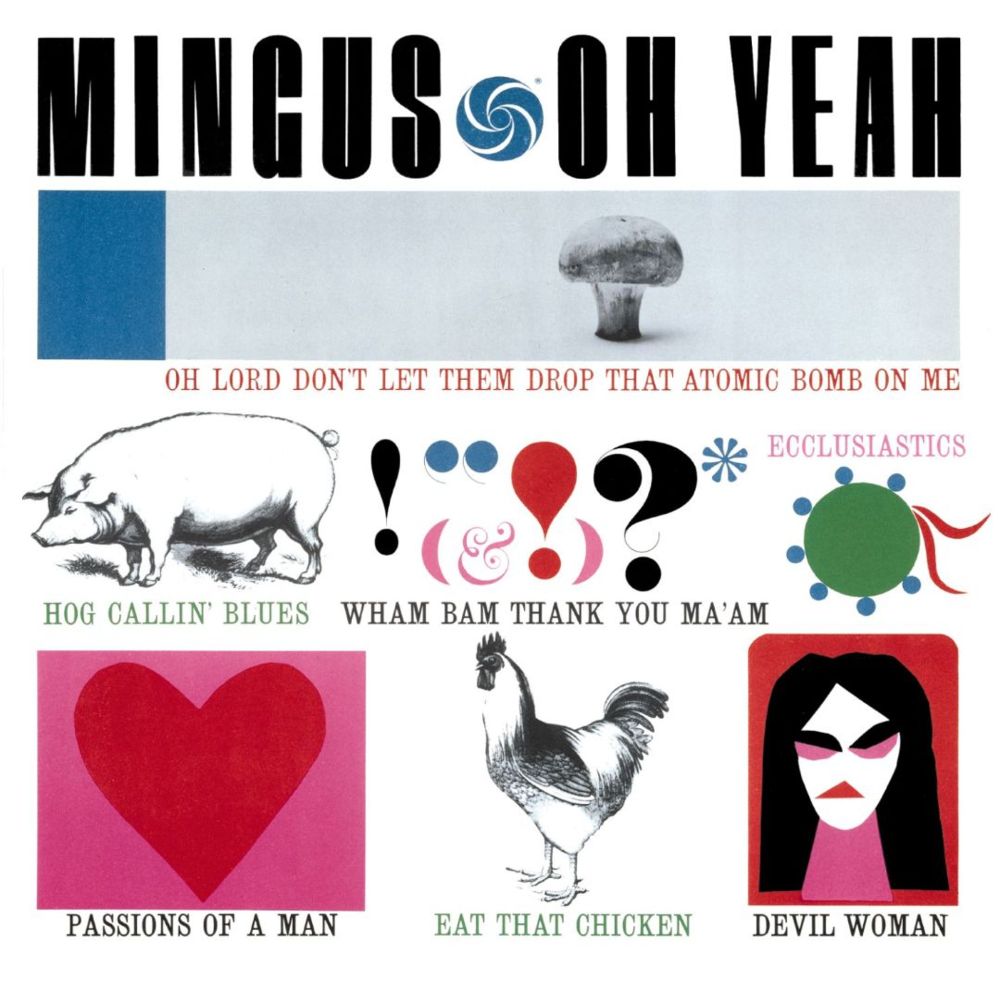
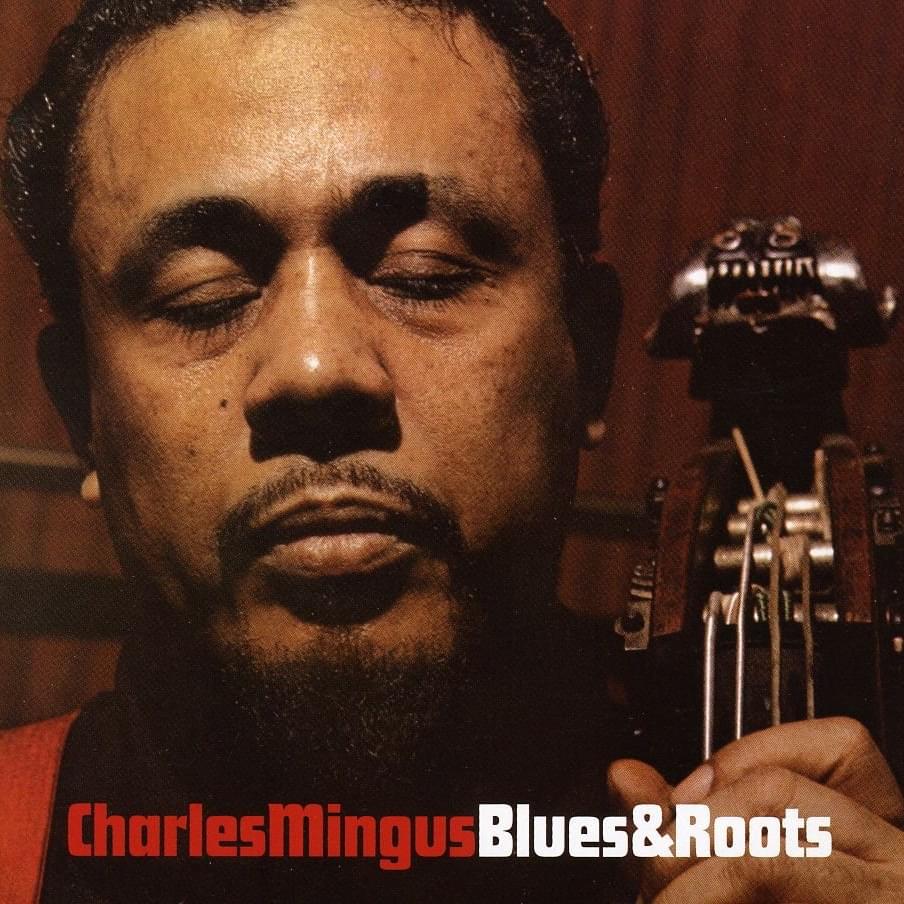
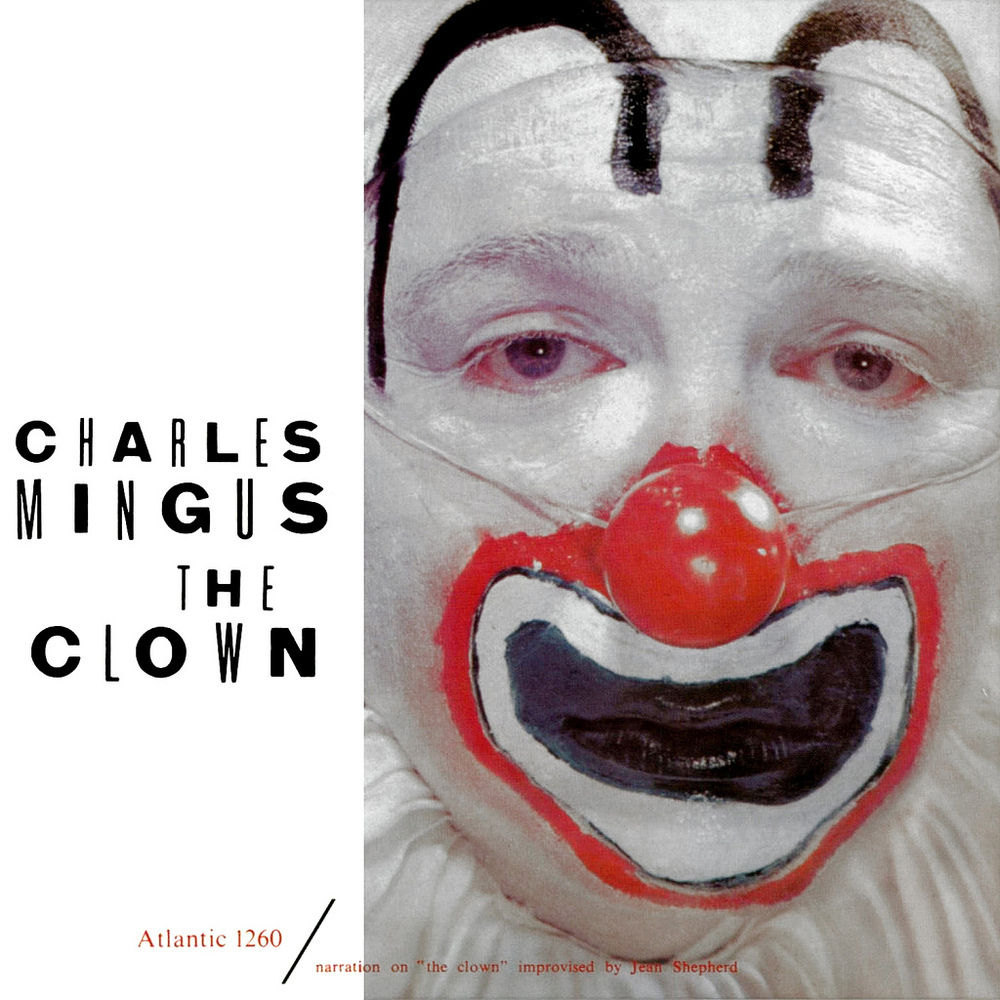
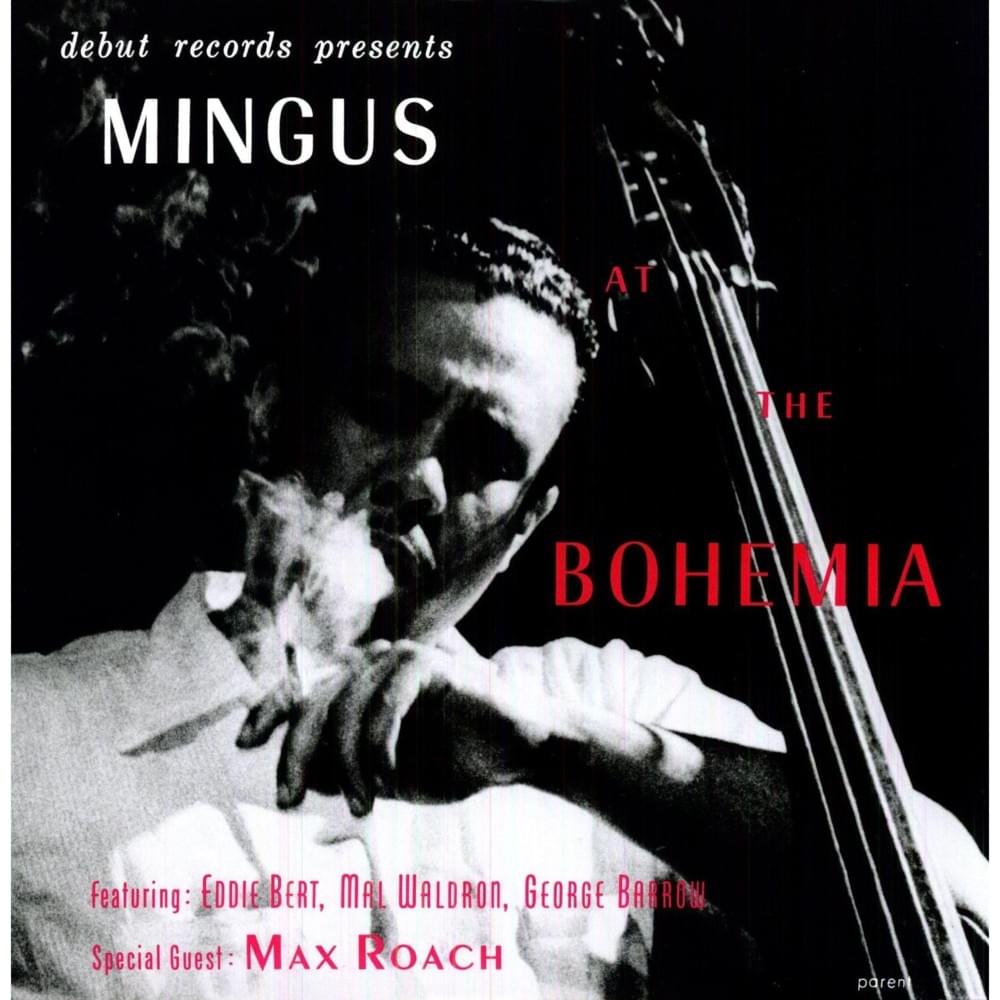
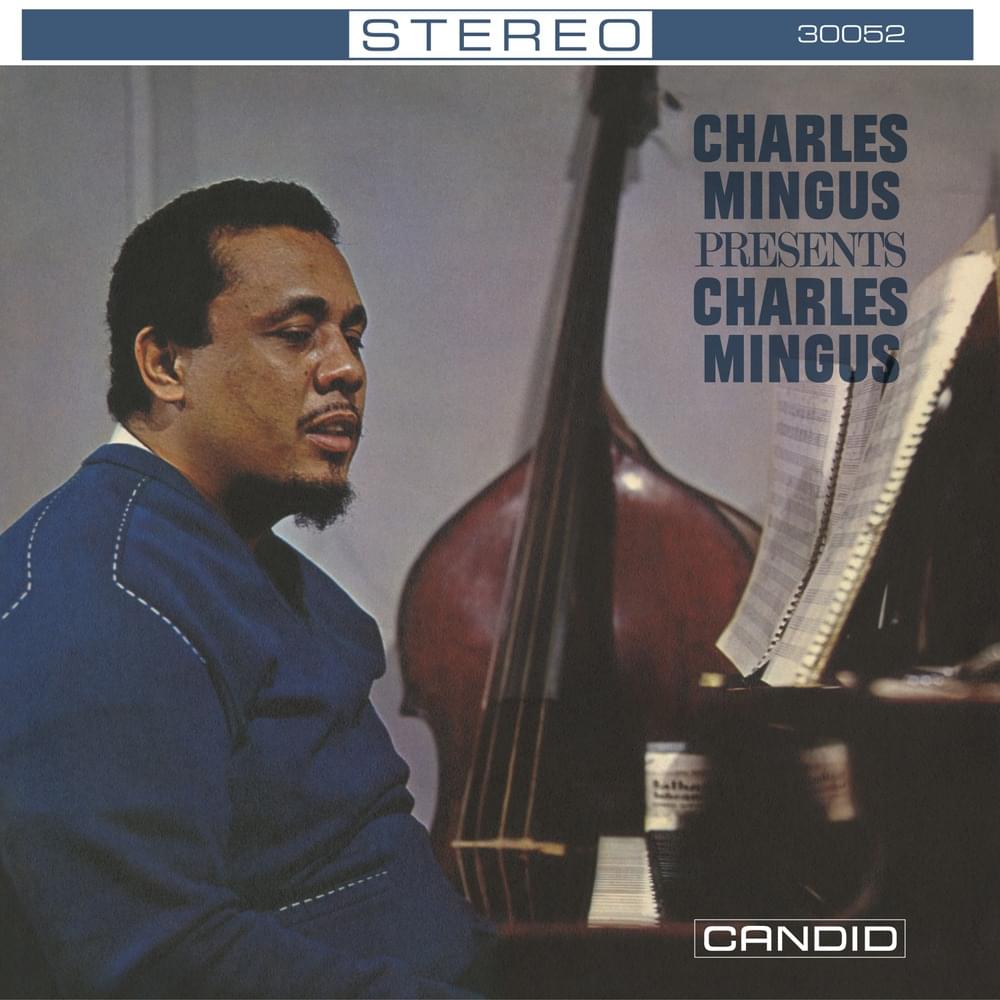
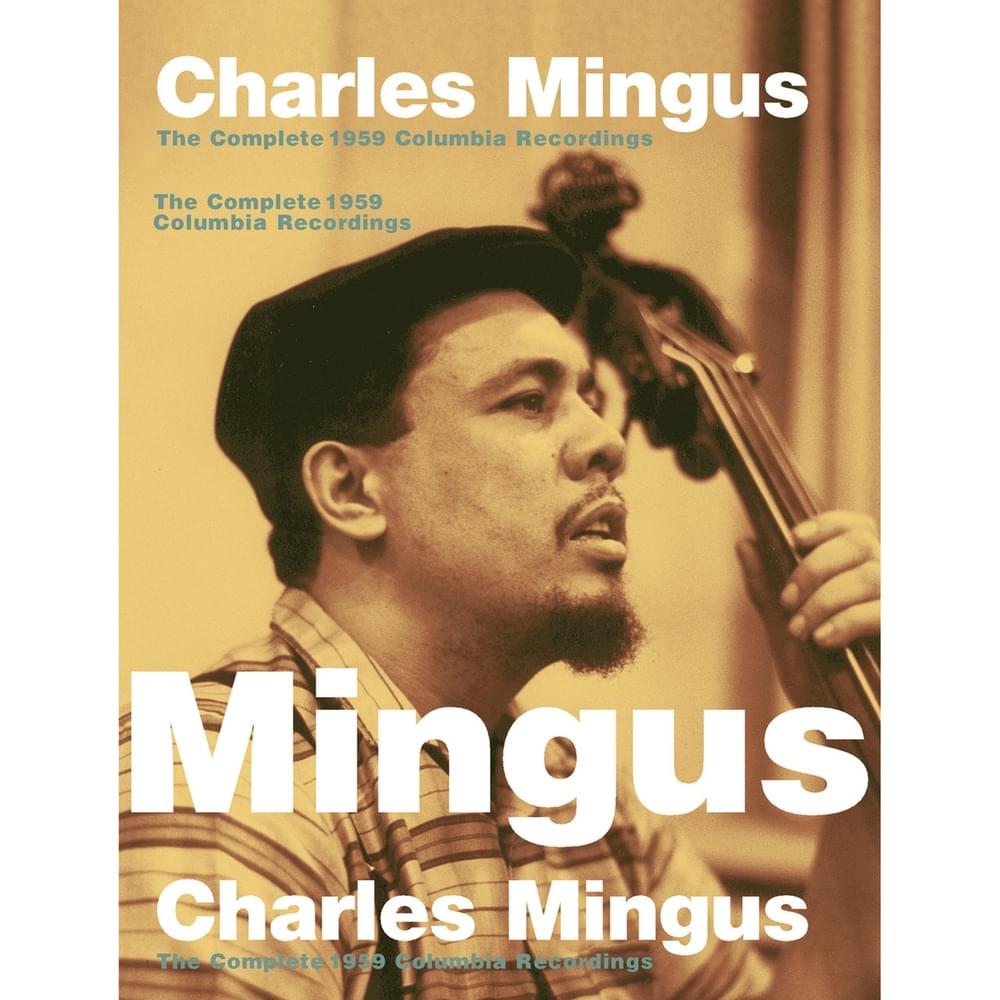
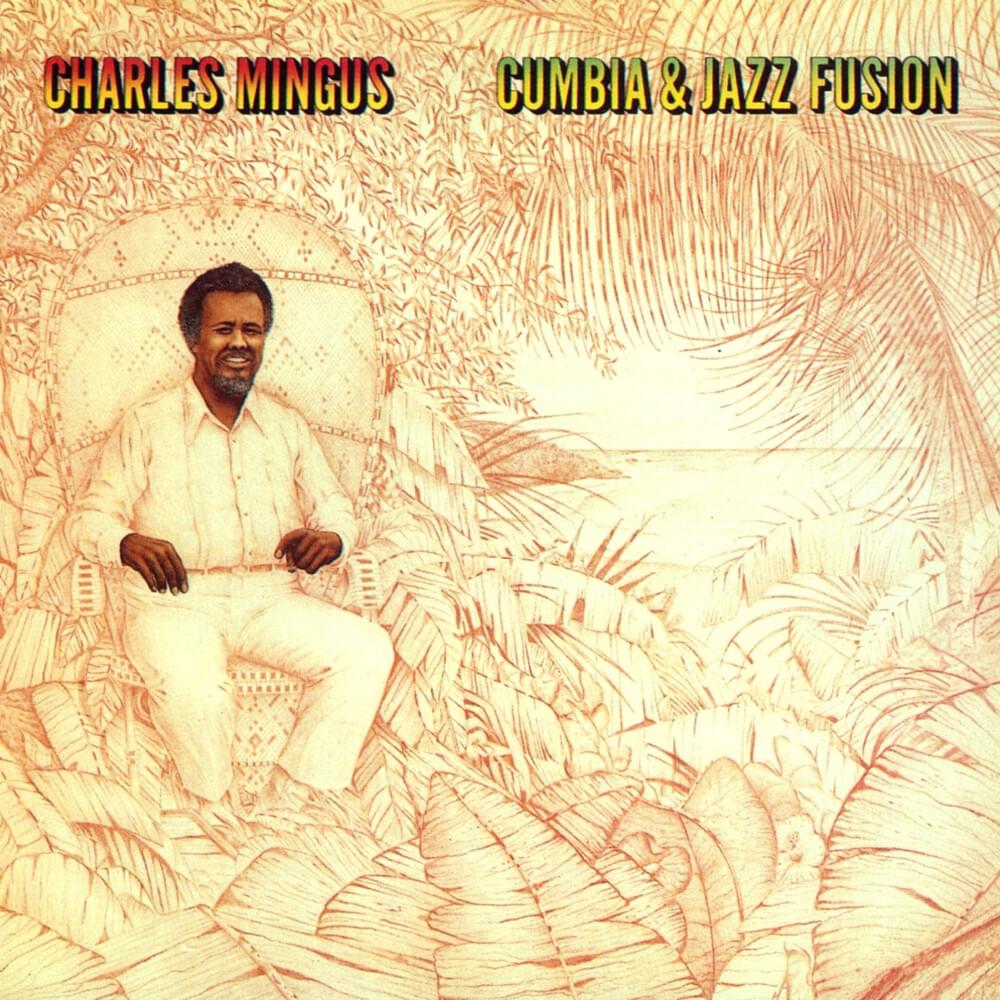
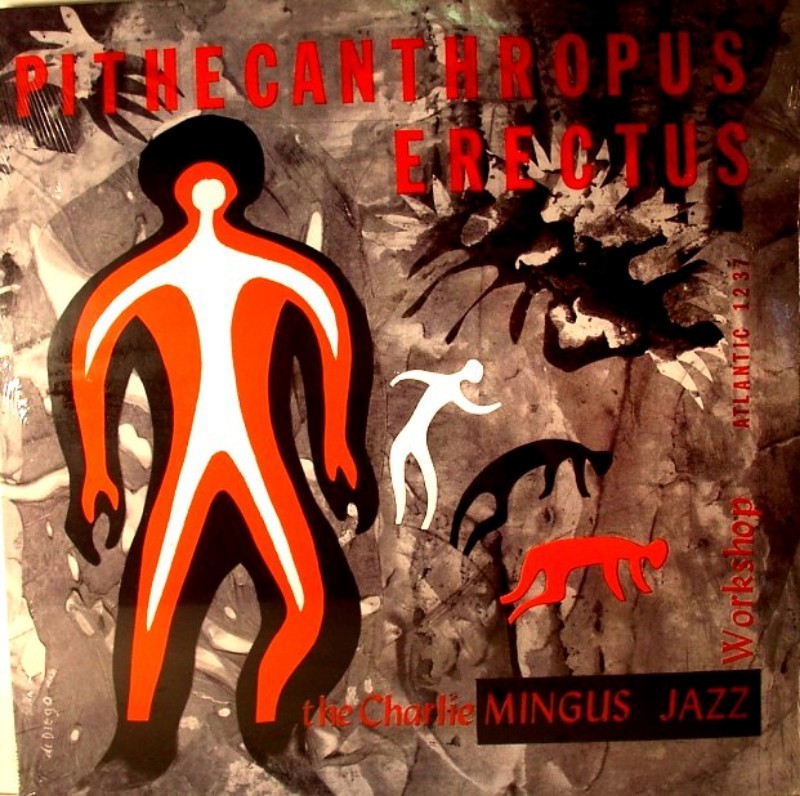
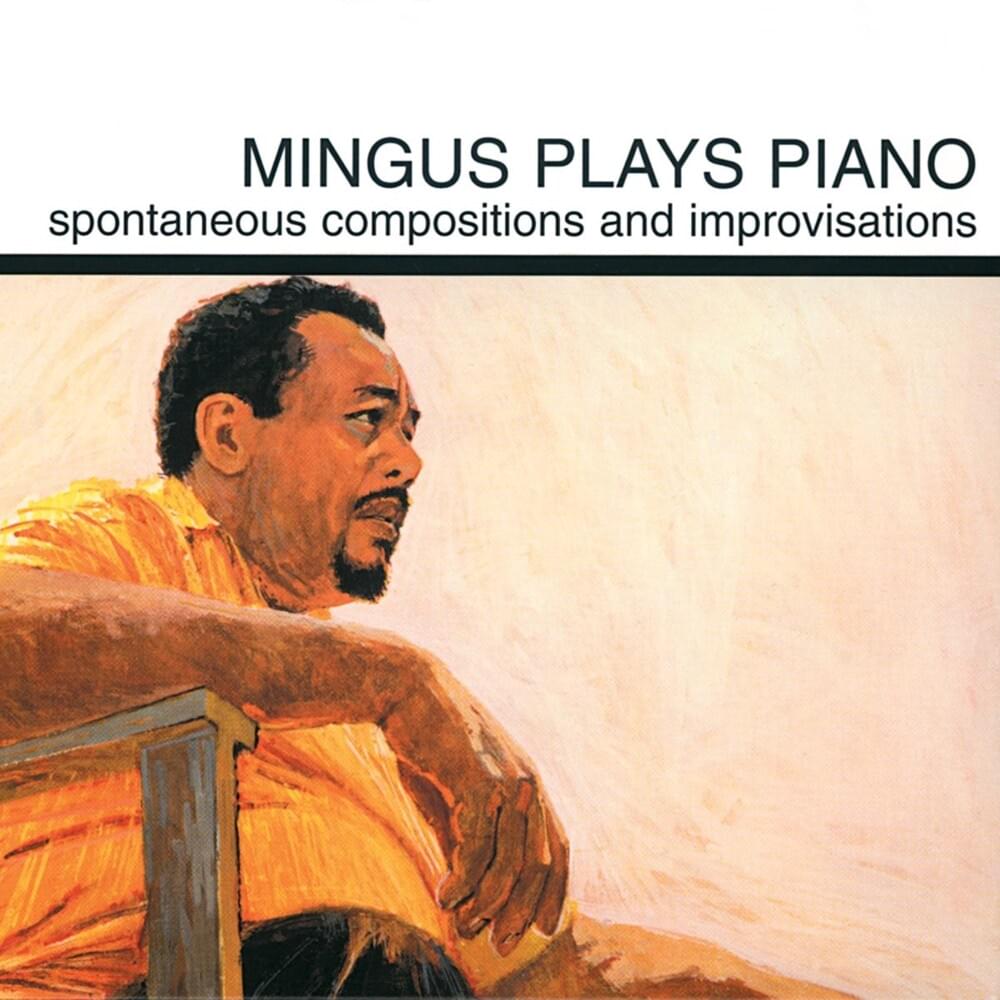
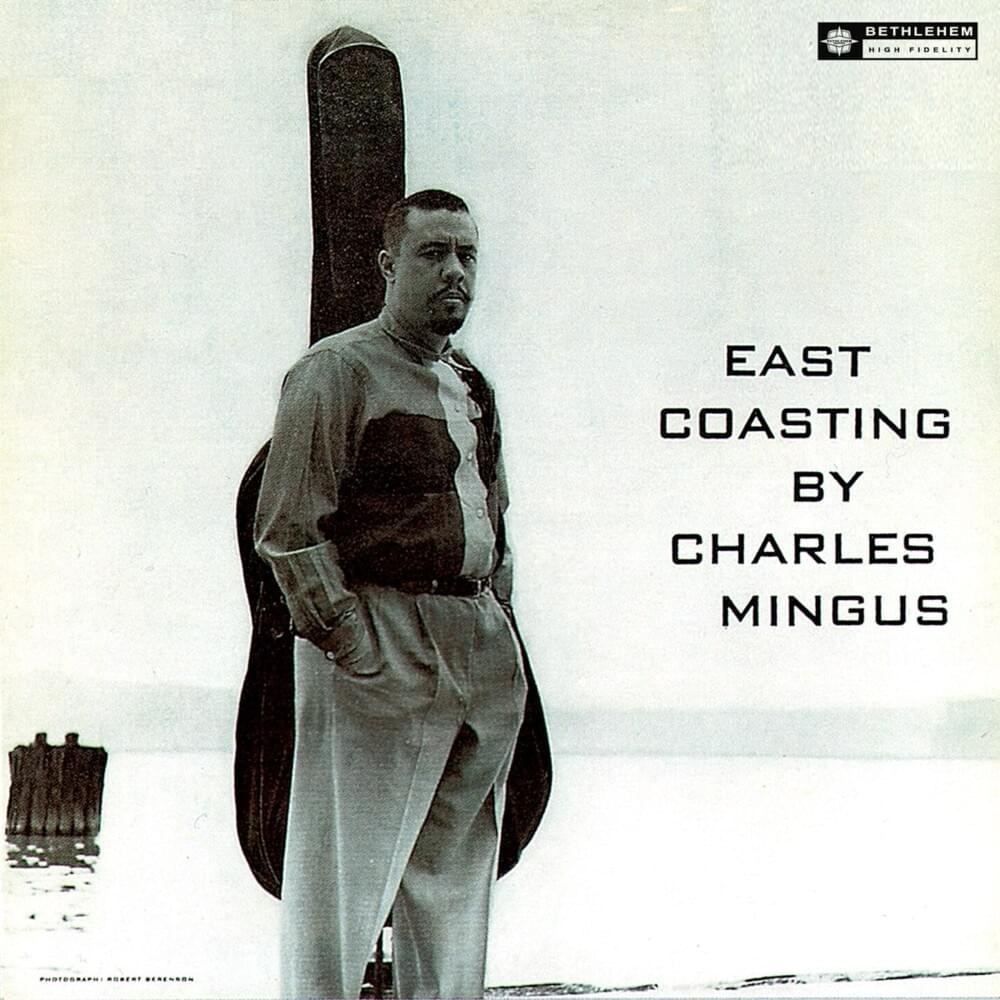
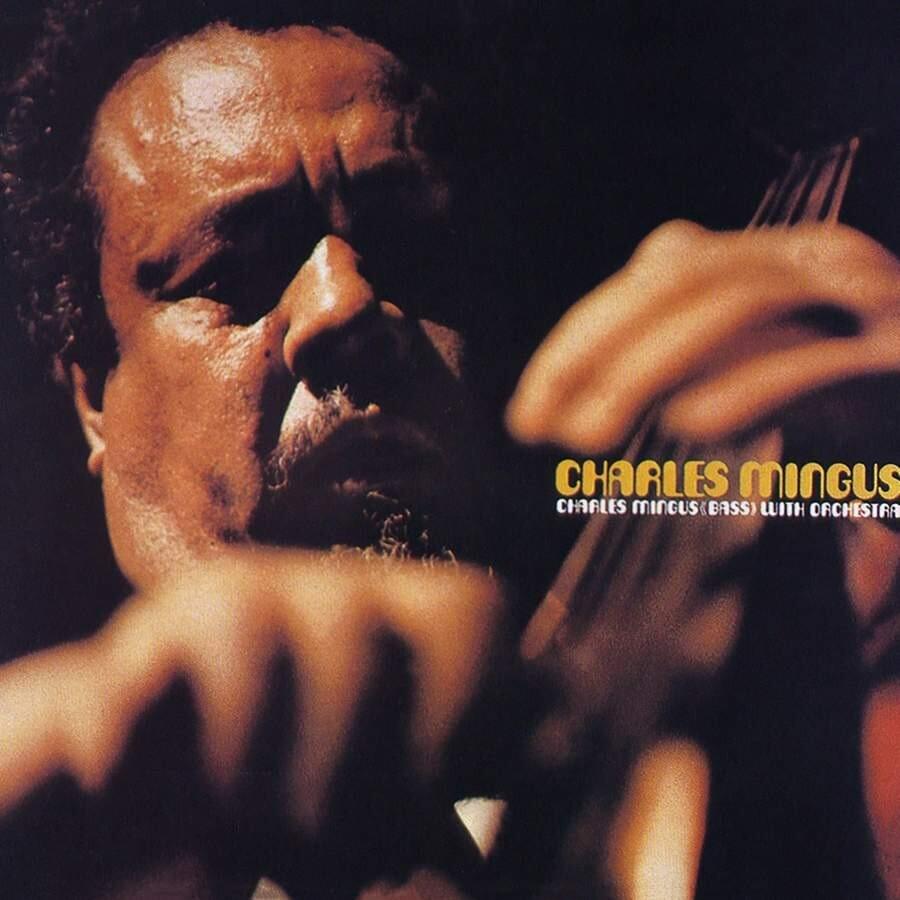
Charles Mingus, born April 22, 1922, in Nogales, Arizona, and passing away January 5, 1979, in Cuernavaca, Mexico, wasn't merely a jazz bassist; he was a force of nature. While often categorized within the jazz world, Mingus's musical ambition transcended genre limitations, pulling from classical, blues, gospel, and even spoken word to create a sound uniquely his own. He was a composer, bandleader, and social commentator, using his music as a vehicle for both profound personal expression and biting social critique. His compositions are often complex and challenging, reflecting the complexities of his own personality and the world he observed. Mingus's influence on subsequent generations of musicians is undeniable, and his work continues to resonate with listeners today.
Mingus's early exposure to music was diverse, from church hymns to Duke Ellington. He studied classical music but soon found himself drawn to the improvisational freedom of jazz. This foundation allowed him to craft intensely emotional and often politically charged pieces. He wasn't afraid to experiment, pushing the boundaries of traditional jazz structures and incorporating elements of avant-garde music. Take, for example, Oh Lord Don't Let Them Drop That Atomic Bomb On Me, a powerful anti-war statement delivered with Mingus's trademark intensity.
Beyond his technical brilliance as a bassist, Mingus possessed a rare ability to connect with his audience on a deeply emotional level. His music could be joyous, melancholic, angry, and reflective, often within the same piece. He demanded a great deal from his musicians, pushing them to express themselves with the same passion and commitment that he brought to his own playing. He was known for his volatile temper and demanding personality, but these traits were often seen as stemming from his unwavering dedication to his art.
Mingus’s work is characterized by its eclectic mix of influences and styles, and his songs often explored themes of race, social injustice, and personal struggle. He had a knack for writing melodies that were both catchy and emotionally resonant, which is evident in tracks like Theme For Lester Young, a heartfelt tribute to the legendary saxophonist. The deep emotional content of his music is also evident in Passions of a Man.
He embraced the blues idiom as well, as highlighted by Hog Callin' Blues, showcasing his deep connection to the roots of American music. Then there's Ecclusiastics, which underscores his ability to blend sacred and secular musical traditions into a cohesive whole. Mingus's legacy endures not only through his recordings but also through the countless musicians he inspired to push the boundaries of creative expression.