Photo of Charles Ives

Charles Ives

3K Listeners

Artist Bio

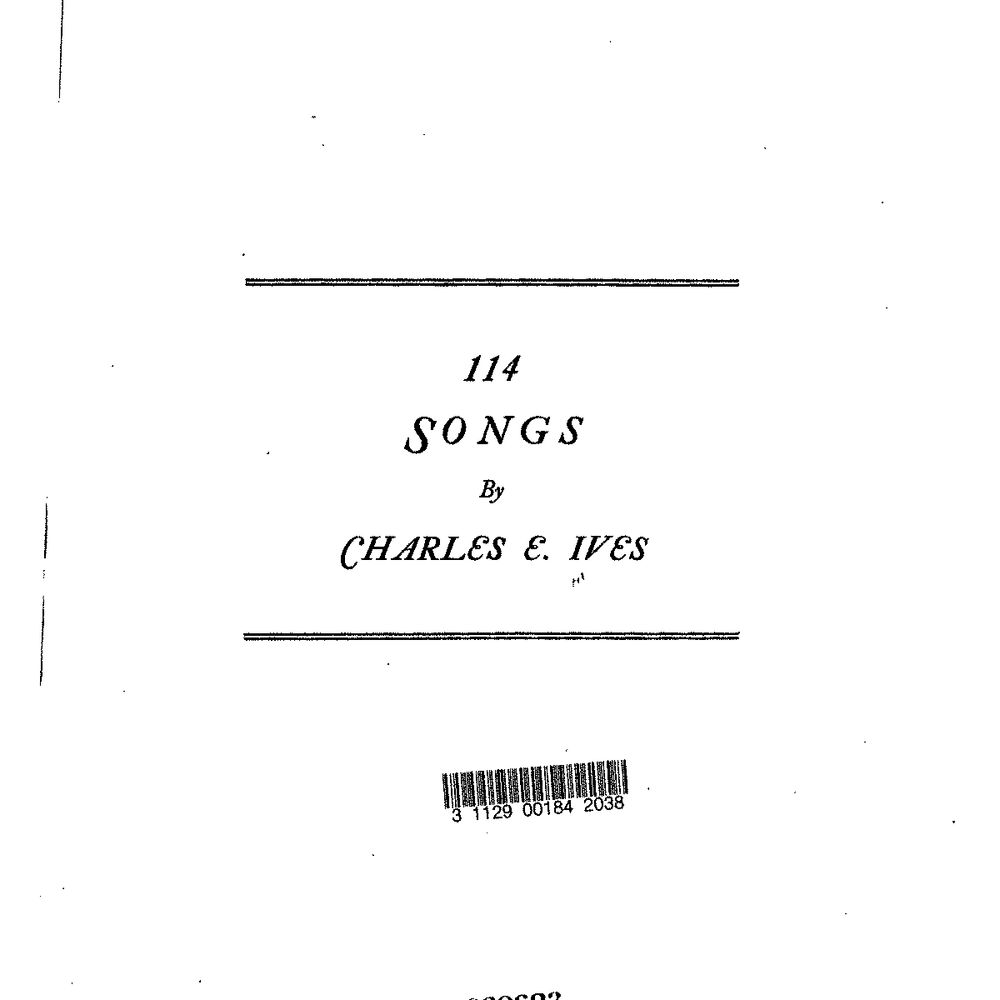
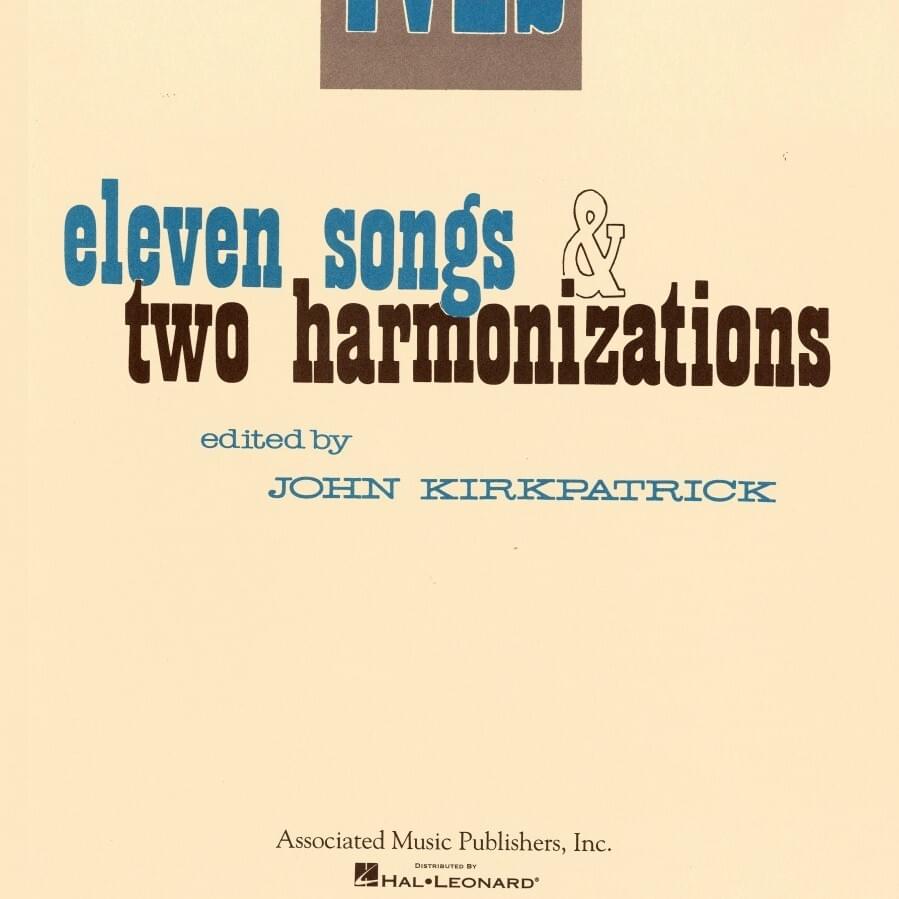
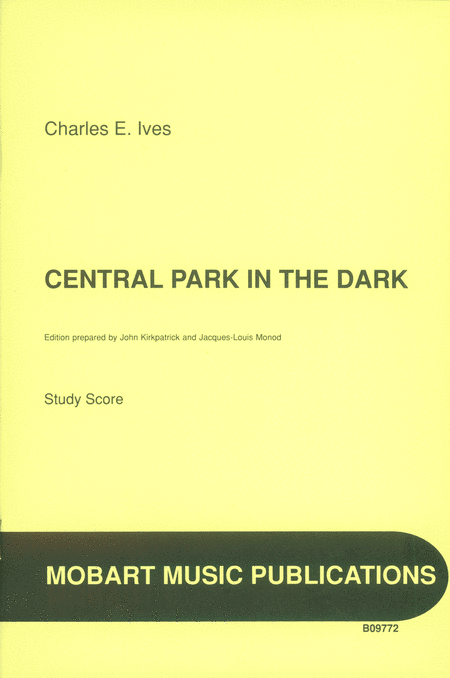
Charles Ives: The OG Maverick Who Invented Half of Modern Music (and You Didn't Even Know It) Introduction & Current Status Let's be real: when you hear "classical composer," your mind probably doesn't immediately jump to "total iconoclast who low-key invented half the sounds you hear today." But that's exactly who Charles Ives was. Decades before experimental music became a whole thing, Ives was dropping polytonal beats and sonic collages that would make today's avant-garde artists nod in respect. He might not be topping the Billboard charts in 2024, but his influence is basically baked into the DNA of modern music, from film scores to boundary-pushing indie acts. His work, like the endlessly enigmatic The Unanswered Question, continues to challenge, inspire, and frankly, blow minds in concert halls and university classrooms worldwide. Ives's legacy isn't just about dusty scores; it's about the pure, unadulterated main character energy of a visionary who dared to imagine music differently. He was the ultimate quiet revolutionary, writing anthems for the future while the present wasn't quite ready to listen. Talk about being ahead of the curve. Early Life & Background Born in Danbury, Connecticut, in 1874, Charles Ives's childhood was less about traditional piano lessons and more about a wild, sonic playground. His dad, George Ives, wasn't just any bandleader; he was a true experimentalist, teaching young Charles about microtones, polytonality, and even having different bands play in different keys simultaneously at town events. Imagine the chaos, the genius! This early exposure meant Ives grew up with a unique ear, one attuned to the beautiful cacophony of American life. He absorbed everything: church hymns, patriotic marches, folk tunes, and the natural sounds of his New England surroundings. These influences didn't just inspire him; they became the raw material for his radical compositions. Despite a more conventional education at Yale under Horatio Parker, Ives couldn't shake his experimental roots. He mastered traditional counterpoint and harmony, but it was clear his own musical compass was pointing far beyond the established norms, setting the stage for a truly original voice. Career Beginnings After graduating from Yale, Ives made a choice that seems wild now: he became a successful insurance executive in New York City. Why? To maintain his artistic integrity, of course! He wanted his music to be pure, uncompromised by commercial pressures, so he composed in his spare time, largely for himself and a small circle of friends. It was the ultimate side hustle, except the side hustle was his true passion. His music, often dense, complex, and wildly innovative, was almost entirely ignored during his lifetime. Imagine pouring your soul into masterpieces only for them to sit unplayed, deemed too difficult or too weird for audiences. This was Ives's reality for decades, a testament to his unwavering artistic conviction. While he largely worked in isolation, figures like Henry Cowell, a fellow experimental composer, and later, conductor Nicolas Slonimsky, began to champion his work. These early advocates were crucial in slowly bringing Ives's unheard genius to light, laying the groundwork for his eventual, albeit posthumous, recognition. Major Albums & Discography Charles Ives wasn't dropping concept albums in the Spotify era, but his published collections and later recordings serve as monumental sonic archives. These "albums" are less about singles and more about entire musical worlds waiting to be explored, showcasing his groundbreaking vision and sheer prolificacy. Take 114 Songs, for instance. This self-published behemoth from 1922 was a defiant manifesto, a collection so diverse and challenging it practically redefined what a song could be. It was Ives saying, "Here's my entire vibe, deal with it," and it's still a masterclass in vocal composition. Then there are orchestral journeys like Two Contemplations for Small Orchestra, which prove Ives could pack profound philosophical inquiry into compact, evocative pieces. These works are less about grand statements and more about intimate, yet unsettling, sonic meditations that resonate deep within your soul. And let's not forget the lyrical richness found in collections like Eleven Songs and Two Harmonizations or the evocative sketches of everyday life in Five Street Songs. Each offers a different lens into Ives's multi-faceted genius, solidifying his status as a composer who truly saw and heard the world unlike anyone else. Hit Songs & Signature Tracks For an artist like Charles Ives, "hit songs" aren't about chart placements; they're about enduring impact and mind-bending innovation. His most iconic pieces are not just compositions; they're entire philosophical statements, sonic landscapes that challenge the very definition of music. Case in point: The Unanswered Question. This orchestral masterpiece is pure main character energy, a haunting, philosophical dialogue between a solo trumpet, a string choir, and a woodwind quartet. It's concise, profound, and still slaps as a commentary on humanity's eternal search for meaning. Then there's the vivid soundscape of Central Park in the Dark, a polytonal snapshot of a summer night in New York. It's like an early ambient track, capturing the chaotic beauty of city life with overlapping musical layers that were way ahead of their time. The vibes are immaculate, even if they're a little chaotic. But Ives's genius wasn't just in grand statements. He crafted intimate, often experimental vocal works like A Scotch Lullaby, which proves his melodic chops, and the poignant A Sea Dirge. Even his festive Christmas Carol carries a unique Ivesian twist, proving he could infuse tradition with his own distinct voice. Other gems include the introspective Far from my heav’nly home, the heartfelt God Bless and Keep Thee, the reflective In the Mornin’, the melancholic No More, and the soaring imagery of Peaks, each a testament to his unparalleled range and emotional depth. Collaborations & Features In the classical world, "collaborations" often look a little different than a modern feature on a pop track. For Ives, his collaborations were less about sharing a mic and more about finding visionary performers and conductors who dared to interpret his wildly complex scores. These were the artistic partnerships that brought his unheard music to life, truly shaping his legacy. Key figures like conductor Nicolas Slonimsky became instrumental, premiering some of Ives's most challenging works and exposing them to an initially bewildered, but eventually intrigued, public. Later, icons like Leonard Bernstein championed Ives, conducting his symphonies and articulating his importance to a wider audience, essentially giving Ives the cultural cachet he deserved. Ives's most profound "cross-genre" work was internal: his masterful blending of distinctly American sounds—hymns, folk tunes, ragtime, marches—into complex classical forms. He created a sonic tapestry that was uniquely American, a true innovator in musical collage long before it became a popular artistic technique. Awards & Achievements While largely unacknowledged during his most prolific years, Charles Ives eventually received the accolades that cemented his status as a towering figure in American music. It’s the ultimate slow burn success story, proving that true genius eventually gets its flowers, even if it's a bit late to the party. In 1947, Ives was awarded the Pulitzer Prize for Music for his Symphony No. 3, a piece he had completed decades earlier. This wasn't just an award; it was a major cultural moment, a public validation of a composer whose work had been dismissed for too long. It was the music world finally catching up to his brilliance. Beyond formal awards, Ives's greatest achievement lies in his enduring influence. He broke down barriers of harmony, rhythm, and form, anticipating trends that would define 20th-century music. He's often cited as the "father of American music," a trailblazer whose legacy continues to inspire generations of composers across genres. Personal Life Away from the intricate scores and polytonal experiments, Charles Ives led a remarkably grounded, if unconventional, life. His success in the insurance industry, co-founding the prominent firm of Ives & Myrick, allowed him the financial independence to compose without artistic compromise. It’s a low-key flex, really – dude was crushing it in two demanding fields simultaneously. His personal life was anchored by his marriage to Harmony Twichell, a constant source of support and understanding for his unique artistic pursuits. She was his biggest fan, his confidante, and a vital force in his often-solitary creative journey. While not widely known for public philanthropy, Ives was known for his generous spirit, quietly supporting various causes. Later in life, health issues, including diabetes and heart problems, led him to gradually cease composing actively, but his creative output during his working years was more than enough to fill multiple lifetimes. Musical Style & Influence Charles Ives's musical style is the definition of "ahead of its time," a wild ride through experimentalism, modernism, and a distinctly American sound. He was a pioneer of techniques like polytonality (multiple keys at once), atonality (no central key), and aleatoric music (elements of chance), making him a true sonic wizard. His music often features dense textures, jarring dissonances, and complex rhythmic layers, creating a vibrant, often overwhelming, auditory experience. Yet, within this complexity, he masterfully wove in quotations from American folk songs, hymns, and patriotic tunes, creating a nostalgic yet utterly modern sound collage. Think of it as sampling before sampling was a thing. Ives drew heavily from New England Transcendentalism, particularly the writings of Emerson and Thoreau, infusing his compositions with deep philosophical inquiry. His influence is undeniable, shaping the trajectory of 20th-century American classical music and inspiring future mavericks like John Cage, Elliott Carter, and countless film composers who owe a debt to his innovative soundscapes. Recent Work & What's Next Since Charles Ives passed away in 1954, his "recent work" isn't about new releases, but about the ongoing discovery, performance, and reinterpretation of his monumental catalog. His music is a gift that keeps on giving, constantly revealing new layers of genius with each fresh listen and scholarly deep dive. Today, Ives's compositions are integral to the repertoire of major orchestras and ensembles worldwide, his pieces frequently programmed and recorded anew. Each performance, each critical essay, serves as a fresh conversation with his timeless vision, solidifying his status as a permanent fixture in the classical canon. The future direction of Charles Ives's legacy is clear: continued exploration and appreciation. As music evolves, his radical ideas remain relevant, proving that true innovation transcends time.

Popular Albums

Popular Songs

Reviews

Comments

Questions & Answers

Music Awards

0 Total

No Music Awards Found