Introduction & Current Status
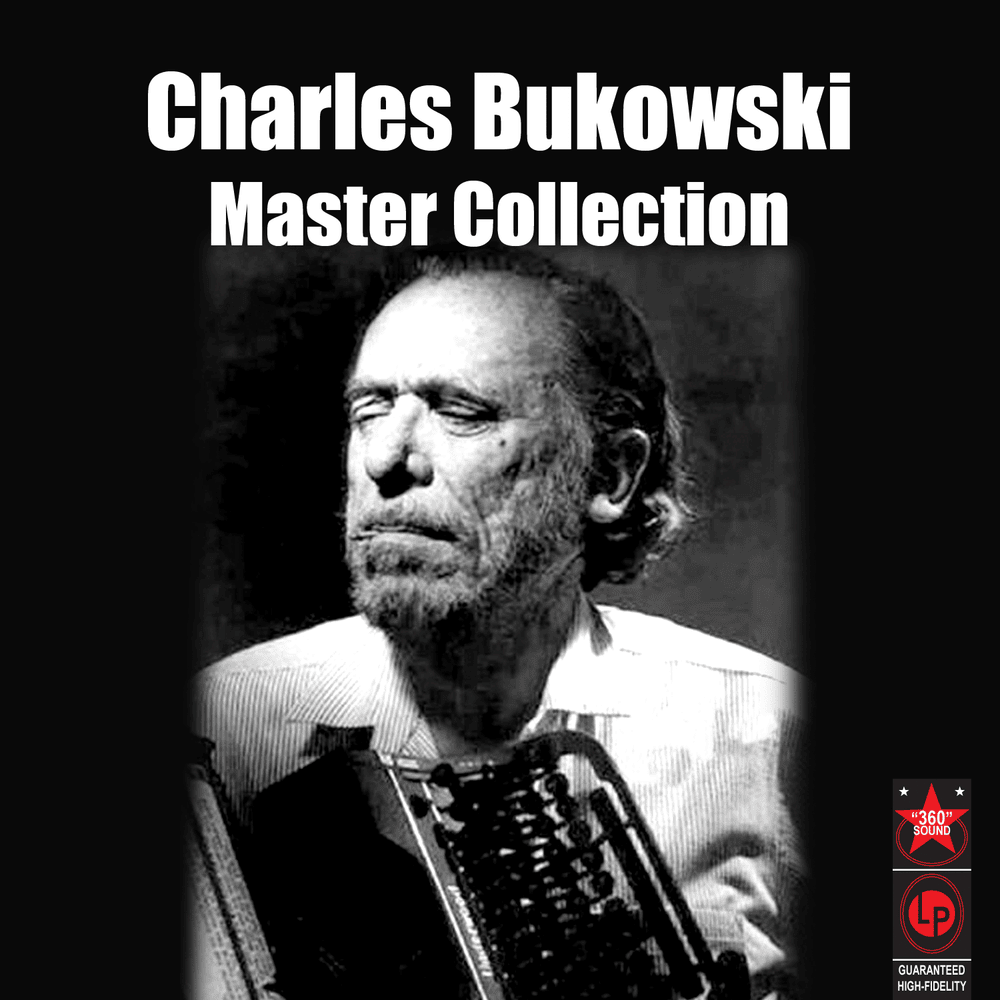
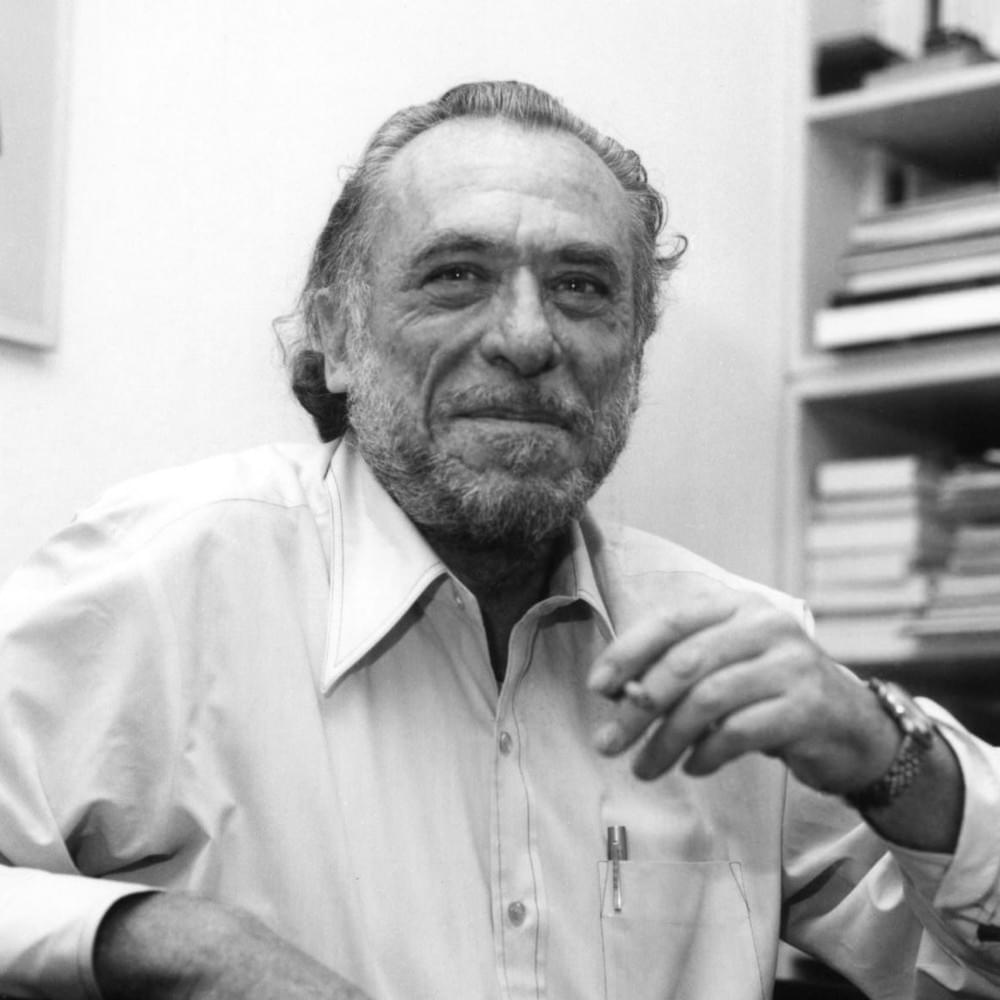
Charles Bukowski, the poet laureate of the dive bar, remains as relevant as ever. His gritty, unflinching look at the underbelly of life continues to resonate with a new generation discovering his work through social media and shared cultural angst. Bukowski's poems and stories, raw and unapologetic, capture the struggles and triumphs of everyday life with a dark humor that's both captivating and unsettling.
Bukowski's work is experiencing a renaissance, with his books consistently topping bestseller lists and his poems shared widely online. His influence can be seen in contemporary literature, music, and film, solidifying his place as a counter-culture icon. He's the original main character, honestly.
Early Life & Background
Born Heinrich Karl Bukowski in Andernach, Germany, in 1920, Charles Bukowski's family immigrated to Los Angeles when he was just a few years old. His childhood was marked by a difficult relationship with his strict father and the social isolation caused by severe acne. This sense of alienation would become a recurring theme in his writing.
Growing up in Los Angeles during the Great Depression shaped his worldview. He found solace in books, devouring authors like John Fante and Ernest Hemingway, who inspired his own direct and unadorned style. These early influences helped him find his voice, a voice that would later speak for the downtrodden and disaffected.
Career Beginnings
Bukowski's journey to becoming a celebrated writer was far from easy. He spent years drifting between odd jobs, battling alcoholism, and submitting his work to literary magazines with little success. He was basically a professional at being a struggling artist. His early poems and short stories were often rejected for their explicit content and unconventional style.
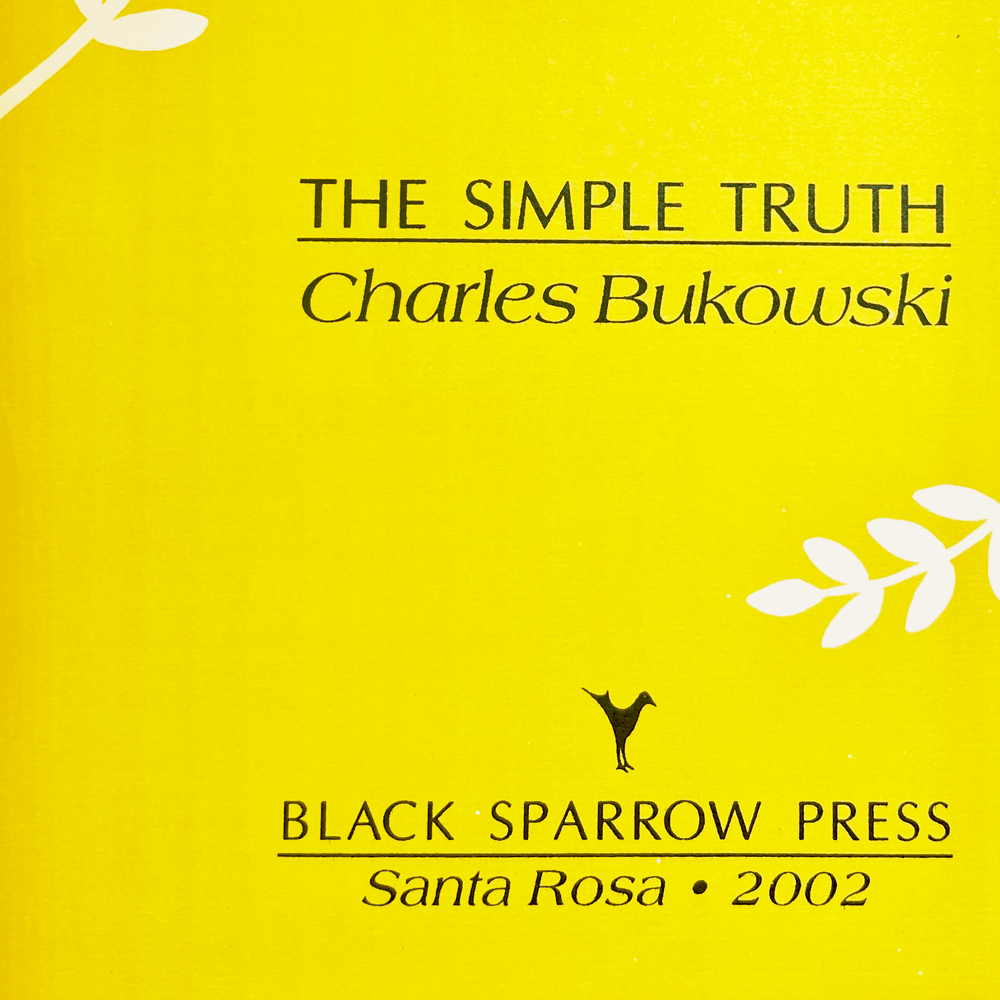
It wasn't until the 1960s that Bukowski began to gain recognition for his writing. Small presses like Black Sparrow Press championed his work, giving him a platform to reach a wider audience. This support was crucial in allowing him to dedicate himself fully to writing, trading dead-end jobs for a typewriter and a bottle of cheap wine.
Major Albums & Discography
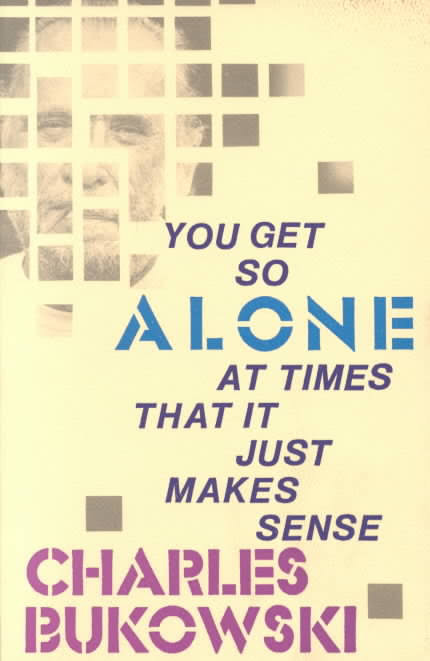
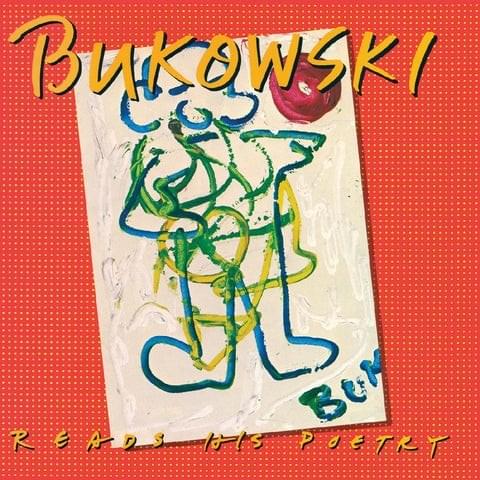
Bukowski's literary output extended beyond the page, finding new life in spoken-word albums that captured the raw energy of his live readings. You Get So Alone At Times That It Just Makes Sense, is a prime example, showcasing his ability to connect with audiences on a deeply personal level. His readings are legendary.
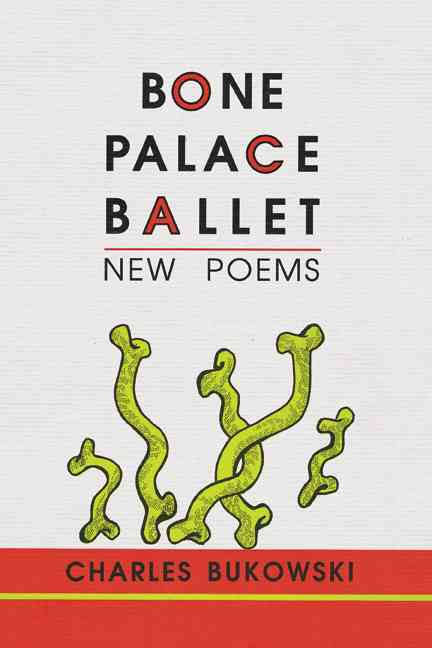
Bone Palace Ballet: New Poems offered a further exploration of his themes of love, loss, and the human condition. These albums solidified his reputation as a poet who wasn't afraid to confront the darker aspects of life. He wasn't holding back ever.
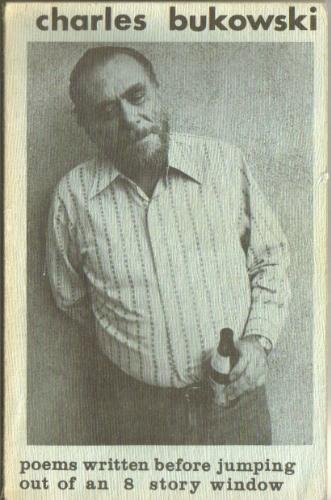
Poems Written Before Jumping Out Of An 8 Story Window is a raw and unfiltered look into Bukowski's psyche, exploring themes of despair, alienation, and the struggle for meaning in a chaotic world. Then there is The Days Run Away Like Wild Horses Over The Hills, which is another collection of his signature gritty realism and dark humor.
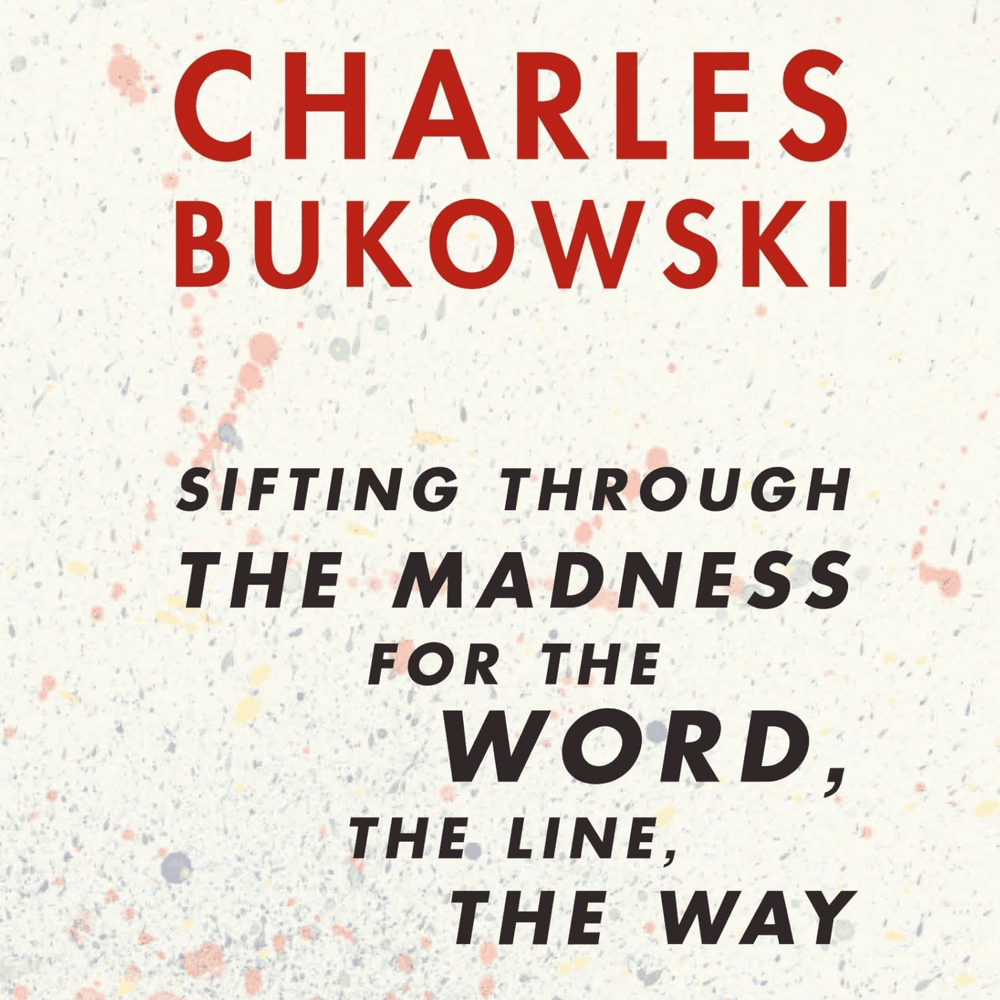
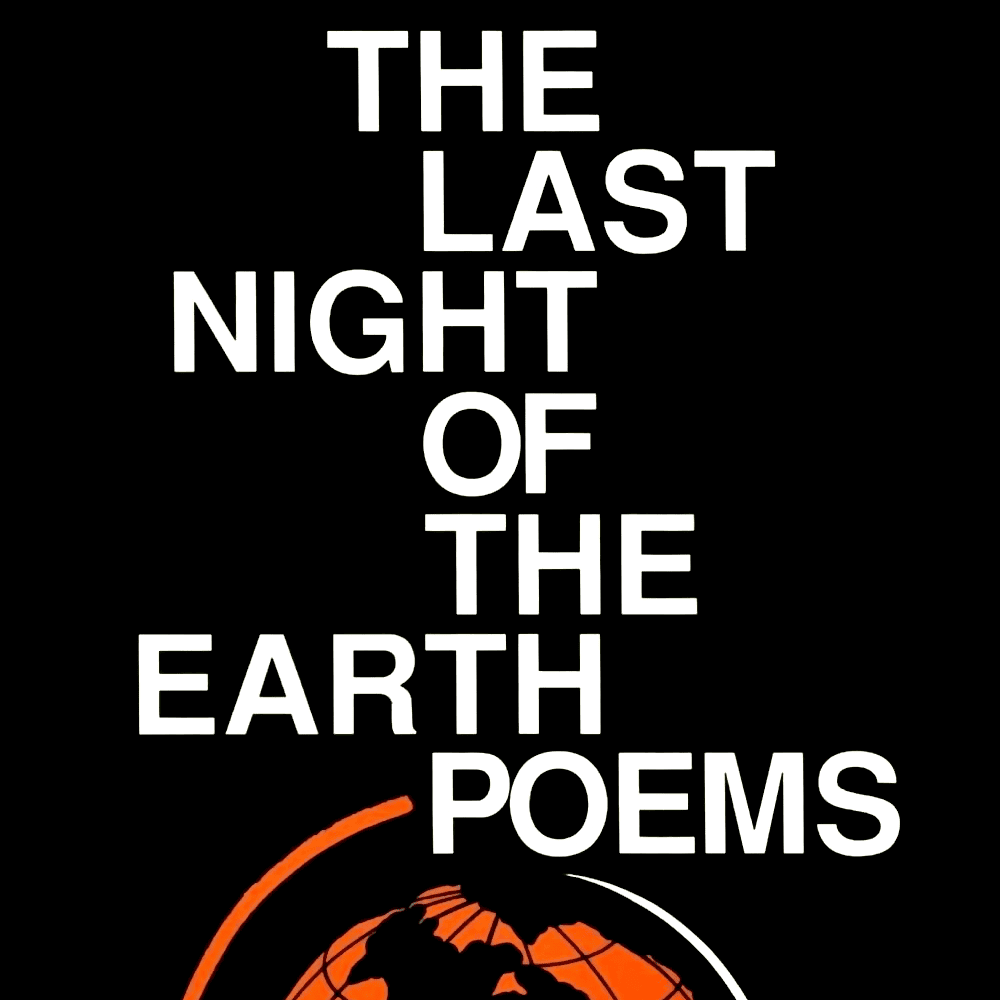
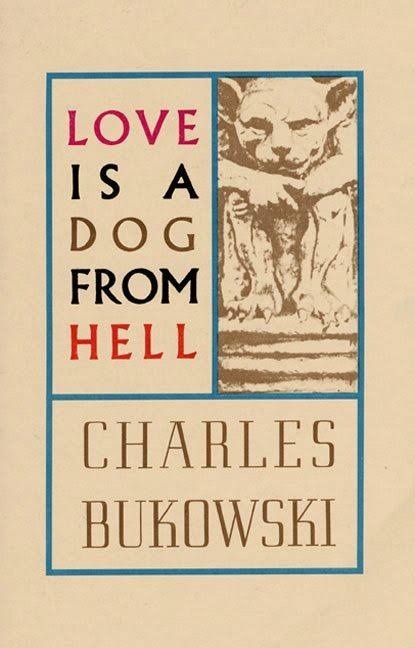
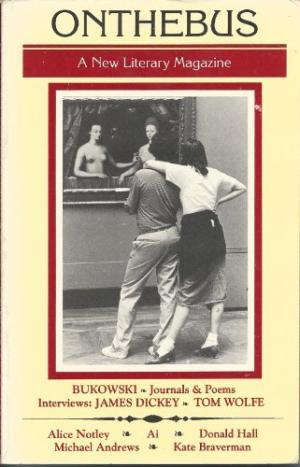
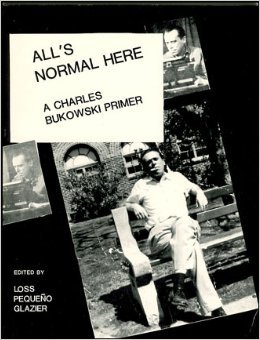
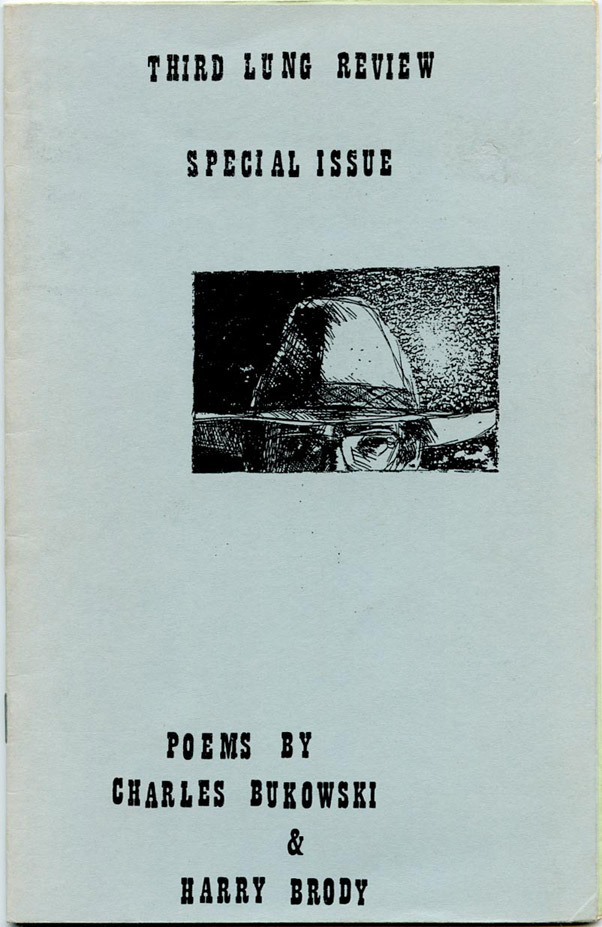
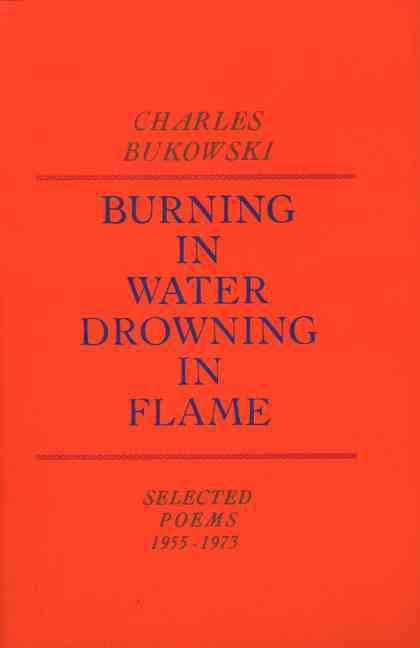
His collection, Love Is a Dog from Hell, is another classic Bukowski album exploring the complexities of human relationships. ONTHEBUS Magazine No. 10/11 offers unique spoken word takes. His later work includes The Last Night of the Earth Poems, Burning in Water Drowning in Flame, All's Normal Here, and Third Lung Review.
Hit Songs & Signature Tracks
While Bukowski is primarily known for his poetry and prose, his spoken-word performances can be considered signature tracks. His delivery is like no other. The Trash Men is a classic Bukowski poem, painting a vivid picture of the lives of those on the margins of society.
To The Whore Who Took My Poems is a raw and honest look at love, loss, and the pain of betrayal. The Tragedy of Leaves offers a poignant reflection on the fleeting nature of time and the inevitability of decay. These are the kind of poems that stick with you.
Shot of Red-Eye captures the essence of Bukowski's hard-drinking, hard-living persona. Bluebird is a surprisingly tender poem about the hidden emotions that even the toughest individuals try to conceal. This one hits hard.
Other notable tracks include Are You Drinking?, a darkly humorous take on addiction; My German Buddy, a glimpse into his personal relationships; and The Telephone, a commentary on the isolation of modern life. Dinosauria, We offers a cynical yet profound observation on the state of humanity. And who can forget, Happy Birthday?
Collaborations & Features
Bukowski's influence extends beyond the literary world, inspiring musicians and filmmakers alike. While he didn't engage in traditional collaborations, his work has been adapted into numerous films and songs, showcasing his enduring appeal across different artistic mediums. It's like he's still collaborating from beyond the grave.
His poems have been set to music by various artists, and his life has been the subject of several documentaries and biopics. These adaptations demonstrate the universality of his themes and his ability to connect with audiences regardless of their background or artistic preferences.
Awards & Achievements
While Bukowski didn't receive mainstream awards during his lifetime, his impact on literature and popular culture is undeniable. His work has been translated into dozens of languages, and he has inspired generations of writers with his unflinching honesty and unique voice. His influence on culture is his biggest award.
His books continue to sell millions of copies worldwide, and his poems are widely anthologized. He has achieved a level of cult status that few writers ever attain, solidifying his legacy as a true original. He's the ultimate underground success story.
Personal Life
Bukowski's personal life was as unconventional as his writing. He was known for his heavy drinking, his tumultuous relationships with women, and his disdain for authority. These experiences often found their way into his work, blurring the lines between fiction and reality. He was a walking, talking, writing id.
Despite his rough exterior, Bukowski was also a devoted father and a loyal friend. In his later years, he found stability with his second wife, Linda Lee Beighle, who helped him manage his health and continue writing. He mellowed out a little, but never lost his edge.
Musical Style & Influence
Bukowski's style is characterized by its raw honesty, its unflinching portrayal of the underbelly of life, and its dark humor. His writing is often described as minimalist and direct, avoiding flowery language and focusing on the gritty details of everyday existence. He was the master of keeping it real.
He was influenced by writers like John Fante, Ernest Hemingway, and Louis-Ferdinand Céline. In turn, he has influenced countless writers, musicians, and filmmakers who have been inspired by his unique voice and his willingness to challenge conventions. His influence is undeniable.
Recent Work & What's Next
Although Bukowski passed away in 1994, his work continues to be discovered and celebrated by new audiences. New collections of his poems and stories are still being published, ensuring that his voice will continue to resonate for generations to come. He's the gift that keeps on giving.
His legacy as a counter-culture icon remains secure, and his influence can be seen in the work of many contemporary artists. Bukowski's unflinching honesty and his willingness to confront the darker aspects of life continue to inspire and challenge readers around the world. He will always be legendary.