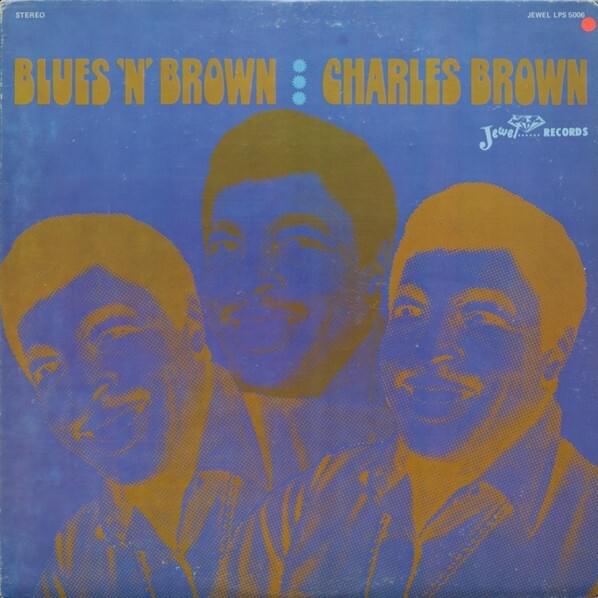
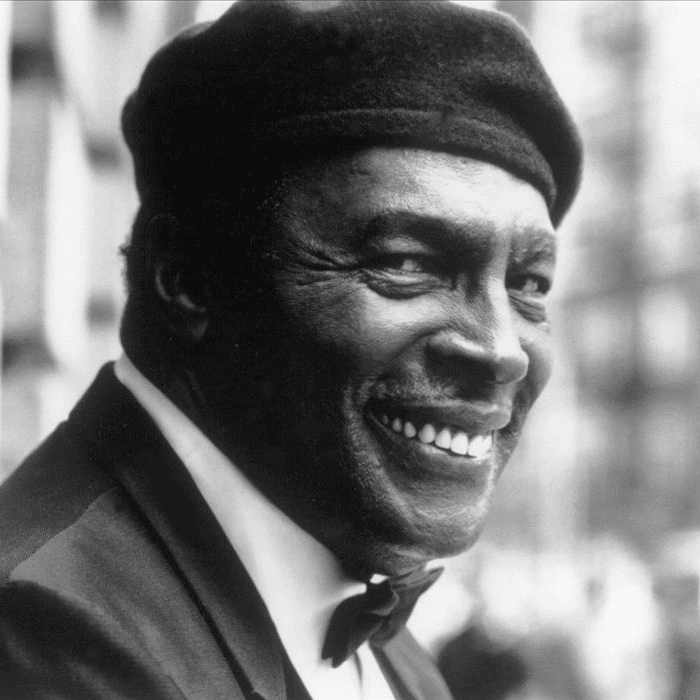
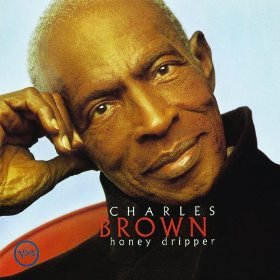
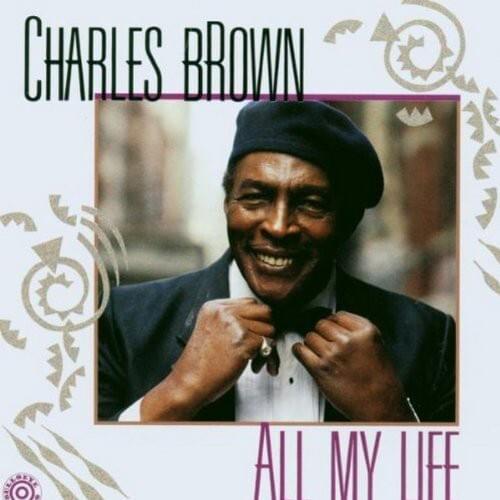
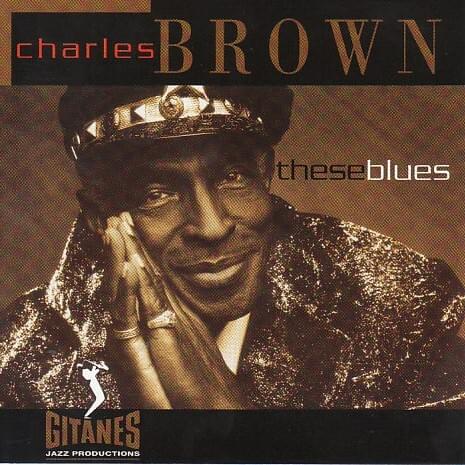
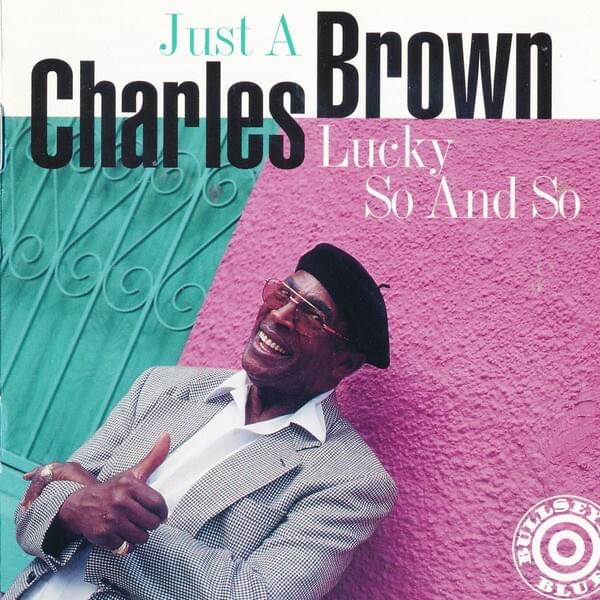
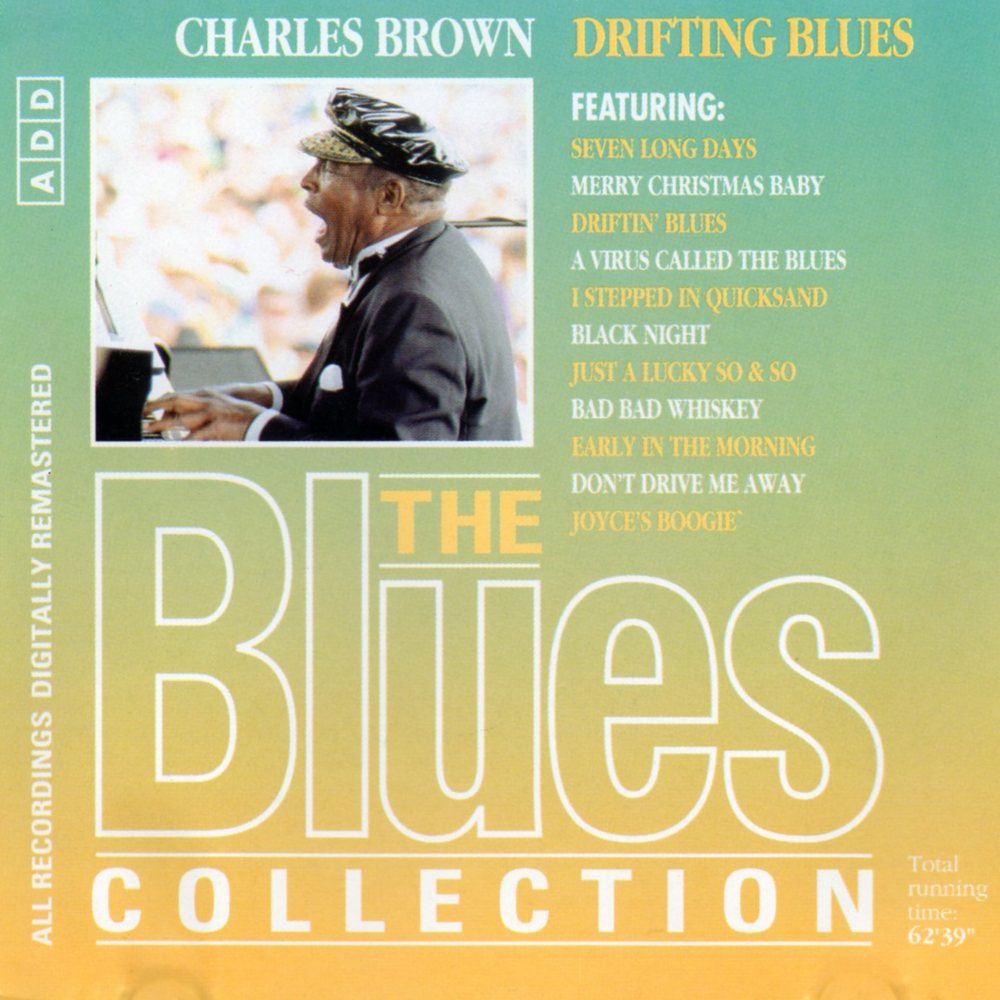
Charles Brown, a name synonymous with sophisticated blues and a voice as smooth as aged whiskey, carved a unique niche in the post-war American music scene. Born in Texas City, Texas, Brown’s journey from a chemistry student to a celebrated musician is a testament to his undeniable talent and enduring appeal. He wasn’t just a bluesman; he was a master of atmosphere, crafting songs that evoked late-night lounges and the quiet contemplation of heartbreak.
Brown's musical foundations were laid in the church and through classical piano lessons. However, the vibrant sounds of blues and jazz soon captivated him. Moving to the West Coast in the 1940s, he quickly became a fixture in the Los Angeles club scene. His distinctive piano style, characterized by its elegant simplicity and bluesy undercurrents, set him apart. His vocals, tender and expressive, told stories of love, loss, and longing with an unmatched intimacy. Brown created a brand of music that was both accessible and deeply personal.
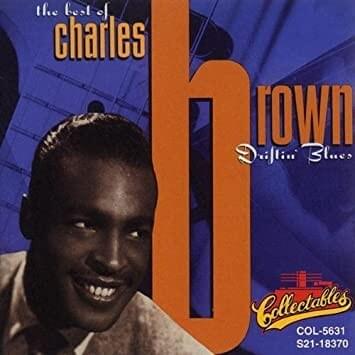
His early success came as part of the Johnny Moore's Three Blazers, where his piano playing and vocal stylings were showcased. However, it was as a solo artist that Brown truly shone. He had a string of hits in the late 1940s and early 1950s, solidifying his reputation as a leading figure in the burgeoning West Coast blues scene. One of his best-known songs, Driftin' Blues, became a blues standard, covered by countless artists and a testament to the song's enduring quality. His ability to convey deep emotion through his music is evident in every note.
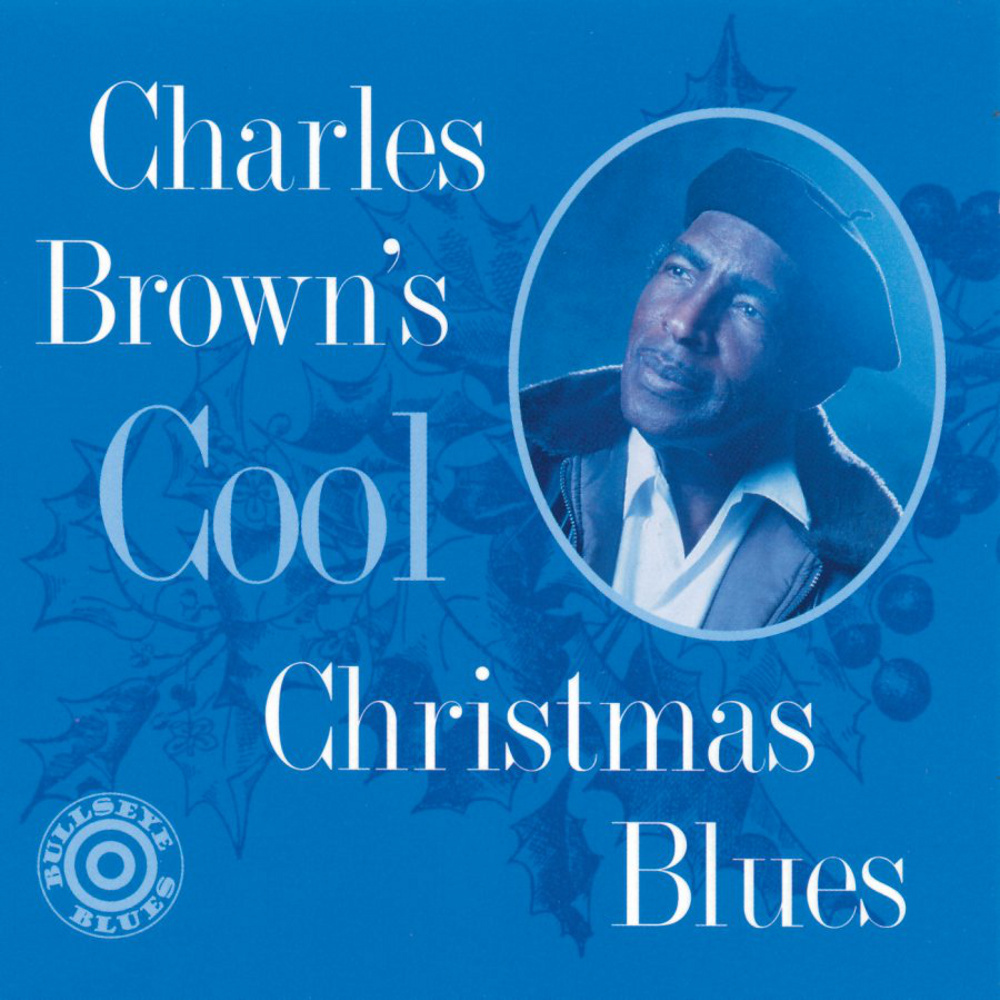
Though his popularity waned in the rock and roll era, Brown experienced a remarkable resurgence in the 1980s and 1990s. Rediscovered by a new generation of fans, he continued to tour and record, proving that his music was timeless. His later work was often marked by a sense of reflection and a deep understanding of the human condition. His interpretations of holiday classics, especially Please Come Home for Christmas, became perennial favorites, adding another layer to his enduring legacy. The song's melancholic beauty showcased Brown's ability to connect with audiences on an emotional level. Even in these more upbeat songs, such as Bringing in a Brand New Year, a note of wistfulness can be detected.
Charles Brown's influence on popular music is undeniable. He paved the way for countless artists who followed, demonstrating that blues could be both sophisticated and deeply moving. He left behind a rich catalog of music that continues to inspire and captivate listeners, ensuring that his velvet voice will be heard for generations to come. His work, like the song Black Night, can still move audiences to tears. Even a song like You Won't Let Me Go showcases his musicality and emotional range. The simple, yet effective arrangement on If I Had You, is a perfect example of his approach.